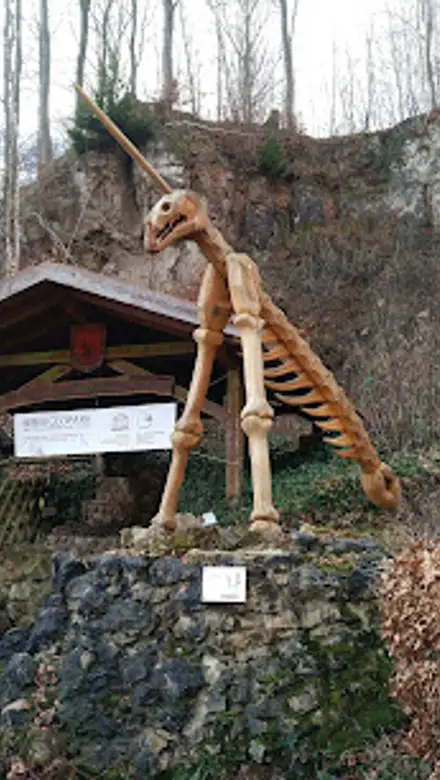
Unicorn Cave, Harz Travel Guide
Explore the depths of Germany's Harz Mountains at the Unicorn Cave, where Ice Age fossils and ancient legends meet for an unforgettable underground adventure.
Venture into the depths of the Unicorn Cave (Einhornhöhle), the largest accessible cave in the Western Harz region of Germany. Discovered in the Middle Ages, it was once believed to be the home of unicorns, with fossilized bones mistaken for those of the mythical creature. Today, it's known as a treasure trove of Ice Age animal remains, including cave bears, mammoths, and cave lions. Explore the cave's winding corridors and large halls on a guided tour, and learn about its fascinating history and the Neanderthals who once inhabited it. With its unique blend of natural history, folklore, and geological significance, the Unicorn Cave offers an unforgettable adventure for visitors of all ages. Be sure to dress warmly, as the cave maintains a cool temperature year-round.
A brief summary to Unicorn Cave
- Im Rott Parkplatz an der Einhornhöhle, Herzberg am Harz, 37412, DE
- Click to display
- Click to display
- Wednesday 11 am-4 pm
- Thursday 11 am-4 pm
- Friday 11 am-4 pm
- Saturday 11 am-4 pm
- Sunday 11 am-4 pm

Know before you go
Hi, I'm Eve. Here are a few practical things to know before exploring Unicorn Cave.
- Dress warmly, as the cave temperature remains a constant 7°C (45°F) year-round. A light jacket or sweater is recommended, even in summer.
- Wear sturdy shoes suitable for walking on uneven surfaces. The cave floor can be slippery in places.
- Consider booking your tour in advance, especially during peak season, to ensure availability.
- Combine your visit with a hike on the Karstwanderweg, a scenic trail that passes near the cave and offers stunning views of the Harz Mountains.
- Allow ample time for your visit, as the guided tour lasts approximately 45 minutes, and you may want to explore the surrounding area as well.
Do you manage this location?
Take control to get all the benefits, like improved information, better appearance, and stronger visibility across AI-powered discovery. Learn more about listing your business on Evendo
Activate your presenceOther nearby places you may find interesting
The closest places of the same kind, if this one is not quite what you had in mind.
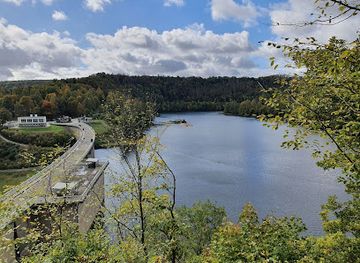
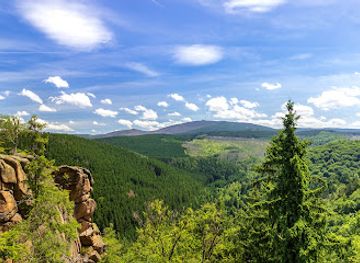

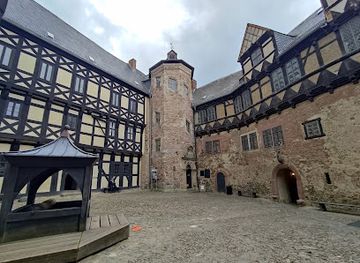
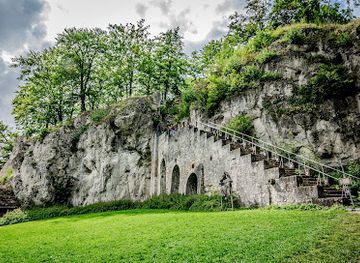
Explore Unicorn Cave on the Map
A handpicked selection of must-see spots near Unicorn Cave, mapped for you.
Getting There
-
Driving
If driving, navigate to Herzberg am Harz, then follow signs to Scharzfeld. From Scharzfeld, follow the road 'Im Rott' into the forest. This road leads directly to the Einhornhöhle parking area (Im Rott Parkplatz an der Einhornhöhle, 37412 Herzberg am Harz). Note that parking is only permitted between 6:00 and 20:00. The final 450m to the cave entrance is an easy walk.
-
Public Transport
The closest train stations are Herzberg am Harz or Bad Lauterberg/Barbis. From either station, take VSN bus line 450 to Scharzfeld. Get off at the 'Hasenwinkelweg' or 'Glogauer Str.' bus stops. From there, it's approximately a 30-minute walk to the cave. Follow the signs for Einhornhöhle. A 20-minute signposted hiking trail is available from Scharzfeld station.
Discover more about Unicorn Cave













Your all‑in‑one travel companion app
Explore expert travel guides, compare and book tours, experiences, hotels, and more—all from the palm of your hand. Download now for seamless trip planning wherever your wanderlust takes you.


Explore More of Harz
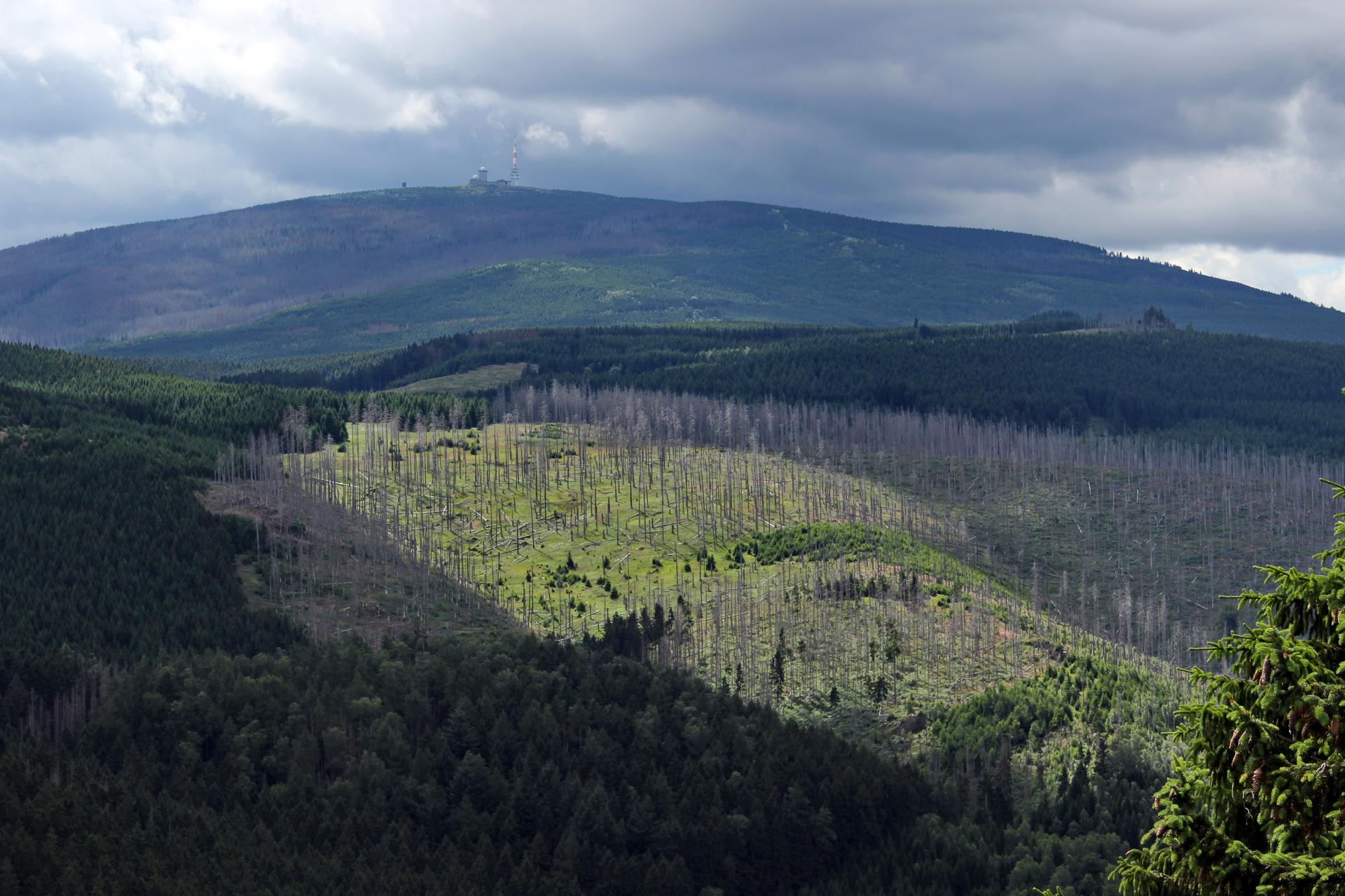
Looking beyond Unicorn Cave? Discover Harz for broader travel guides, local hot-spots, and regional highlights.
Explore Harz
Explore the depths of the Samson Pit in Sankt Andreasberg, a historic silver mine offering a fascinating glimpse into the Harz Mountains' rich mining heritage and the lives of the miners.
Explore the dramatic ruins of Scharzfels Castle in the Harz Mountains, a once-impregnable fortress offering panoramic views and a glimpse into medieval history.