Geländersteine von 1833 Travel Guide
Free Guide: Discover the silent sentinels of Bad Bramstedt, Geländersteine von 1833, remnants of a historic highway that shaped Schleswig-Holstein's transportation and trade in the 19th century.


A brief summary of Geländersteine von 1833
Discover the silent sentinels of Bad Bramstedt, Geländersteine von 1833, remnants of a historic highway that shaped Schleswig-Holstein's transportation and trade in the 19th century.
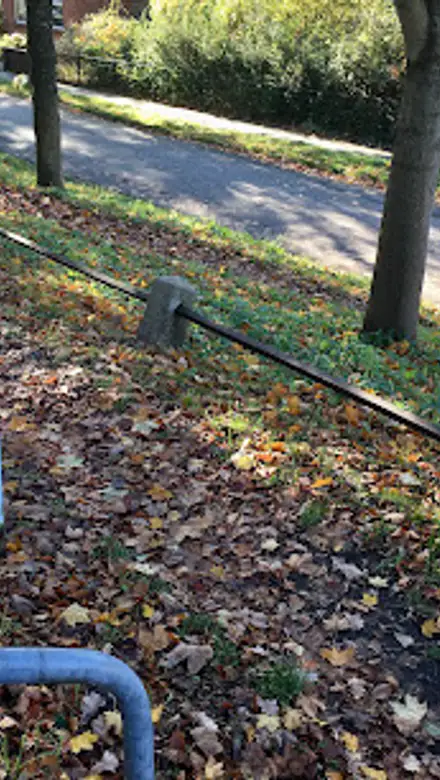
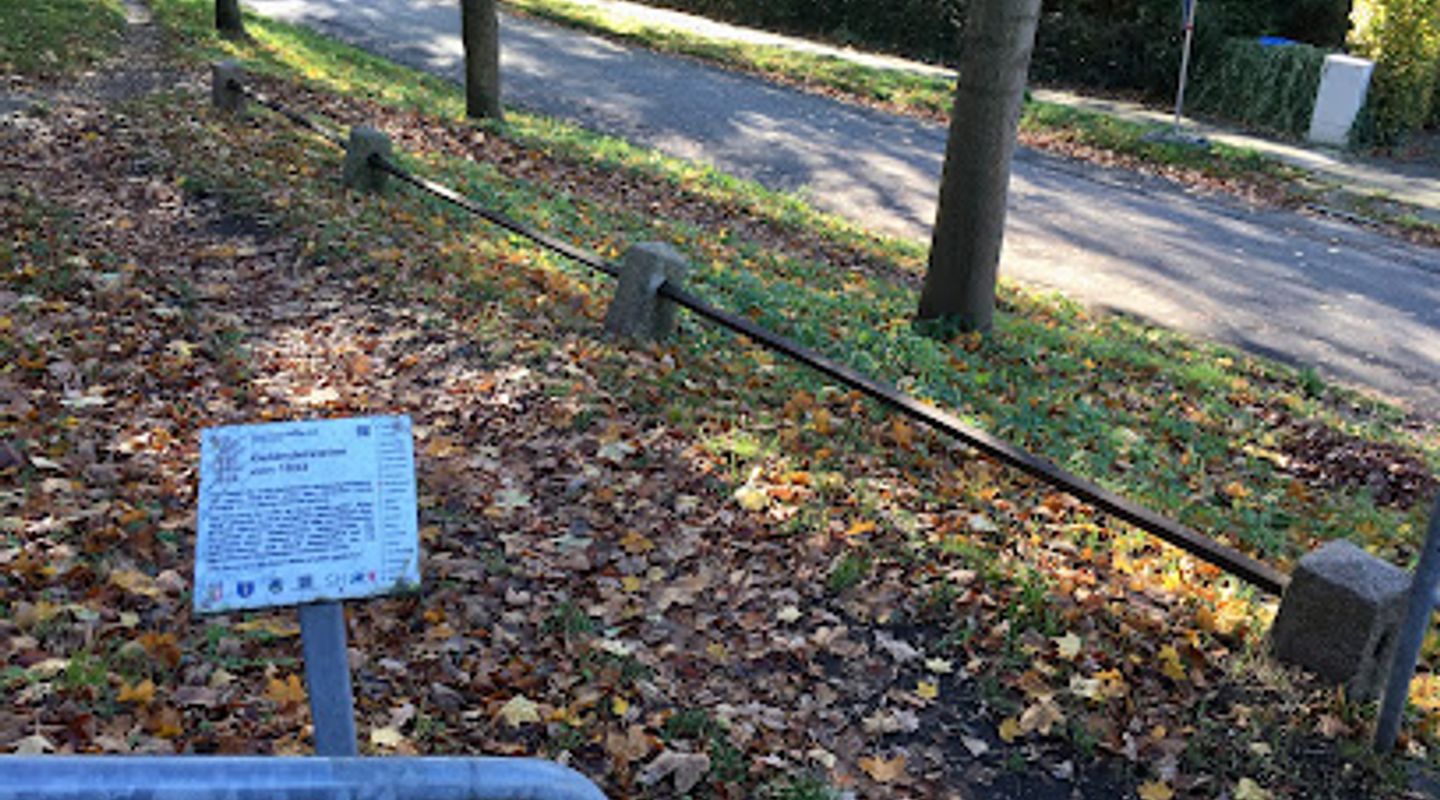
The Geländersteine von 1833 in Bad Bramstedt are historical guard stones, remnants of the ambitious Altona-Kiel Chaussee (highway) project initiated by King Frederik VI of Denmark. These stones, originally part of bridges and embankments along the route, stand as silent witnesses to 19th-century road construction and the burgeoning industrial age in Schleswig-Holstein. More than just stones, they represent a pivotal moment in transportation history, facilitating the swift movement of goods, people, and information. Visiting these landmarks offers a tangible connection to the past, inviting reflection on the ingenuity and labor that shaped the region's infrastructure. While simple in appearance, they embody a grand vision that transformed travel and trade, making them a worthwhile stop for history enthusiasts exploring Bad Bramstedt. The stones serve as a reminder of the area's rich heritage and the enduring impact of infrastructure on society.
Opening hours
- Every dayOpen 24 hours
Opening hours as listed on the venue’s Google Business Profile. Hours can change for services and special events, so check with the venue before you go.
- Address
- 24576 Bad Bramstedt
- Website
Getting there
Walking
Public Transport
Driving
Discover more about Geländersteine von 1833
Overview
The Geländersteine von 1833 in Bad Bramstedt are more than just stones; they are tangible fragments of history, whispering tales of a time when ambitious infrastructure projects reshaped the landscape of Schleswig-Holstein. These guard stones, or 'Geländersteine' in German, are remnants of the Altona-Kiel Chaussee, a pioneering highway commissioned by King Frederik VI of Denmark, who also served as the Duke of Schleswig and Holstein, in the early 19th century. The Altona-Kiel Chaussee was a groundbreaking endeavor, designed to connect the bustling port city of Altona (now part of Hamburg) with Kiel, a significant naval base and trading center on the Baltic Sea. Before its construction, travel between these key locations was arduous and time-consuming, relying on poorly maintained roads and waterways. The new highway promised to revolutionize transportation, enabling the efficient movement of goods, people, and information across the region. The construction of the Chaussee was a massive undertaking, requiring significant engineering expertise and a vast workforce. The route traversed diverse terrain, necessitating the construction of numerous bridges, embankments, and drainage systems. The Geländersteine were integral components of these structures, serving as protective barriers along bridges and embankments, preventing vehicles and pedestrians from veering off the road. These stones were not merely functional; they were also designed with aesthetic considerations in mind. Crafted from durable materials like granite, they were often shaped into elegant, column-like forms, adding a touch of sophistication to the roadside. The stones were connected by iron bars, creating a continuous railing that provided both safety and visual appeal. The meticulous craftsmanship evident in these stones reflects the pride and ambition associated with the Chaussee project. The opening of the Altona-Kiel Chaussee in 1833 marked a turning point in the history of Schleswig-Holstein. The improved transportation infrastructure spurred economic growth, facilitating trade and commerce between Altona and Kiel, as well as other towns and villages along the route. The Chaussee also played a crucial role in the region's integration into the wider European economy, connecting it to major trade networks. Beyond its economic impact, the Chaussee also had a profound social and cultural influence. It facilitated the exchange of ideas and information, fostering greater communication and understanding between different communities. The improved transportation also made it easier for people to travel, leading to increased mobility and cultural exchange. Today, the Geländersteine von 1833 stand as silent witnesses to this transformative period in history. Scattered along the former route of the Altona-Kiel Chaussee, they serve as reminders of the vision, ingenuity, and labor that went into creating this vital transportation artery. While the Chaussee itself has been modernized and expanded over the years, these stones offer a tangible connection to the past, inviting visitors to reflect on the enduring impact of infrastructure on society. Visiting the Geländersteine is a journey back in time, a chance to appreciate the craftsmanship and engineering of the 19th century. As you stand beside these weathered stones, imagine the bustling activity that once surrounded them – the horse-drawn carriages, the stagecoaches, the merchants transporting their goods. Consider the vision of King Frederik VI and the countless workers who toiled to bring his dream to fruition. The Geländersteine von 1833 are not just historical artifacts; they are symbols of progress, innovation, and the enduring human desire to connect and explore. They are a testament to the power of infrastructure to shape societies and transform lives. A visit to these stones is an opportunity to learn about the past, appreciate the present, and contemplate the future of transportation and connectivity. While in Bad Bramstedt, take the time to explore other historical sites and attractions. The town itself has a rich history, dating back to the Middle Ages. Visit the local museum to learn more about the town's past, or take a stroll through the charming streets and admire the traditional architecture. Bad Bramstedt is also known for its natural beauty, with numerous parks, forests, and lakes in the surrounding area. Enjoy a hike or bike ride through the countryside, or relax by the water and soak up the peaceful atmosphere. The Geländersteine von 1833 are a great starting point for discovering all that Bad Bramstedt has to offer. To truly appreciate the significance of the Geländersteine, consider exploring the broader context of the Altona-Kiel Chaussee. Research the history of road construction in Schleswig-Holstein, and learn about the challenges and innovations involved in building this ambitious highway. Discover the stories of the people who lived and worked along the Chaussee, and understand how it transformed their lives. By delving deeper into the history of the Chaussee, you will gain a greater appreciation for the Geländersteine and their place in the region's heritage. The Geländersteine von 1833 are a reminder that even the most ordinary objects can hold extraordinary stories. They are a testament to the power of human ingenuity and the enduring impact of infrastructure on society. A visit to these stones is an opportunity to connect with the past, appreciate the present, and contemplate the future of transportation and connectivity.
Evendo Review Centre
 Google
Guest reviews
Explore Geländersteine von 1833 on the map
A handpicked selection of must-see spots near Geländersteine von 1833, mapped for you.
Get your free copy of our complete guide to Geländersteine von 1833, delivered straight to you.
Everything on this page, from opening hours and how to get there to Eve’s tips and the best time to go, in one PDF you can read offline, print or share.
Already have an account? Sign in
Your Geländersteine von 1833 guide is ready.
We'll send it to · Not you? Sign out

Getting your guide ready…
We are putting together a fresh copy of the Geländersteine von 1833 guide. This can take up to a minute.
This can take a few moments. If your browser asks, choose Allow so the download can start. You'll find the guide in your Downloads folder.
Nothing happened? Download it again
Sorry, the guide is taking longer than usual. Please try again in a minute, or get it by email instead.
Other nearby places you may find interesting
The closest places of the same kind, if this one is not quite what you had in mind.
-
-
-
-
-


Swipe for more places
More to explore near Geländersteine von 1833
-
 Best experiences near Geländersteine von 1833
-
 Best hotels near Geländersteine von 1833
-
 Best landmarks near Geländersteine von 1833
-
 Best attractions near Geländersteine von 1833
-
 Best shops near Geländersteine von 1833
-
 Best restaurants near Geländersteine von 1833
-
 Best bars near Geländersteine von 1833


Do you manage this location?
Take control to get all the benefits, like improved information, better appearance, and stronger visibility across AI-powered discovery.
Explore more

Explore more of Holstein
Discover Holstein in Northern Germany: A Blend of Natural Beauty, Rich History, and Culinary Delights Await You.
Explore Holstein
Explore more of Germany
Experience Germany: where history meets innovation, and urban energy blends with natural beauty. Discover diverse cultures, delicious cuisine, and stunning landscapes.
Explore Germany