

Free Holstein Travel Guide & Mobile App
Explore Holstein with free travel guides. Discover regional history, expert tips, proposed trips, and audio guides on web or mobile app.


Explore Holstein in northern Germany for Baltic beaches, lake country, Kiel Canal views, manor houses, cycling routes and maritime towns.
Read more about Holstein
When is the best time to visit Holstein?
Best: June–August · 21–23°C| Month | High (°C) | Rainfall (mm) |
|---|---|---|
| January | 4 | 50 |
| February | 5 | 45 |
| March | 9 | 50 |
| April | 13 | 40 |
| May | 18 | 45 |
| June (best) | 21 | 55 |
| July (best) | 23 | 60 |
| August (best) | 22 | 60 |
| September | 19 | 55 |
| October | 15 | 50 |
| November | 8 | 55 |
| December | 5 | 60 |
Getting to and around Holstein
How to get there
Transportation
Top city travel guides in Holstein
The cities of Holstein, and the easiest places to base yourself.
-

-


Swipe for more cities
Destinations in Holstein
Resorts, valleys and scenic spots worth a trip of their own.

Swipe for more destinations
Best attractions in Holstein
Holstein's attractions range from maritime cities and engineering works to glacial lake country and Baltic beaches. Kiel offers museums, harbour promenades and naval history, while the Kiel Canal provides viewpoints and walking or cycling routes beside one of Europe's busiest artificial waterways. In Holstein Switzerland, the lakes around Plön and Malente support boat trips, woodland walks, water sports and cycling, with Plön Castle adding a historic focus. Eutin combines a former ducal residence with gardens and a well-preserved old town, while Bad Segeberg is associated with the Kalkberg and caves formed in its distinctive limestone landscape. The Baltic coast brings sandy beaches, cliffs, marinas and resort architecture around places such as Laboe, Heiligenhafen and Neustadt in Holstein. Rural manor houses, village churches, farm museums and market towns fill the spaces between these better-known destinations, making the region particularly suitable for itineraries that alternate cultural visits with outdoor travel.
-
Tourist attraction
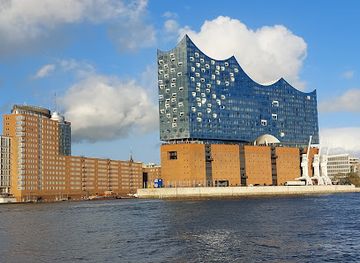
St. Pauli Piers
Discover the charm of St. Pauli Piers, Hamburg's vibrant waterfront hub, where history meets modern leisure and stunning views abound.
-
Tourist attraction
Hamburg Dungeon
Dive into the chilling history of Hamburg at the Hamburg Dungeon, where thrilling performances and immersive storytelling await.
-
Museum
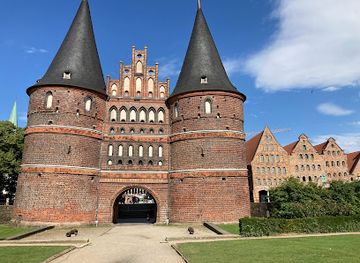
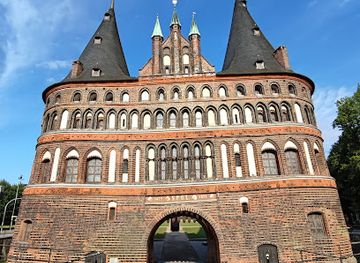
Museum Holstentor
Explore the grandeur of Lübeck's history at Museum Holstentor, a stunning medieval gateway and vibrant cultural hub for tourists.
-
 War museum
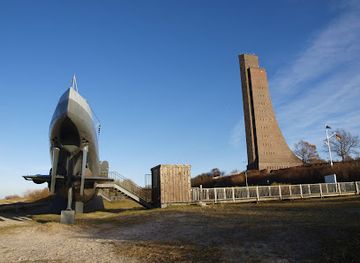
German submarine U-995
Explore the historic German submarine U-995, a captivating war museum and memorial, offering a unique glimpse into maritime history on the shores of Laboe.
Best landmarks in Holstein
The Kiel Canal is Holstein's most recognisable piece of infrastructure, its bridges, locks, banks and passing vessels illustrating the region's strategic connection between two seas. In Kiel, the harbour and naval memorial landscape give the city a distinctly maritime identity, while further east the Naval Memorial at Laboe stands above the Baltic coast as a major twentieth-century memorial and viewpoint. Plön Castle, set above the Great Plön Lake, is a prominent reminder of the duchy's princely past, and Eutin Castle anchors the historic town with its courtly architecture and gardens. The Kalkberg at Bad Segeberg is both a geological landmark and a defining feature of the town. Holstein Switzerland's wooded hills and interconnected lakes form a natural landmark system rather than a single monument, with Lake Plön and the surrounding waterways providing the region's most characteristic inland scenery. Coastal cliffs, beaches and harbour entrances around Ostholstein complete this varied visual identity.
-
Monument
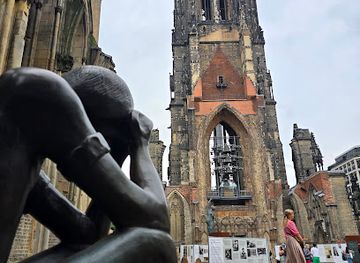
St. Nikolai Memorial
Explore the haunting beauty of Hamburg's St. Nikolai Memorial, a poignant reminder of World War II and a symbol of the city's enduring spirit, offering panoramic views and historical insights.
-
Museum
Museum Holstentor
Explore the grandeur of Lübeck's past at Museum Holstentor, a captivating blend of history, culture, and stunning architecture.
-
War memorial
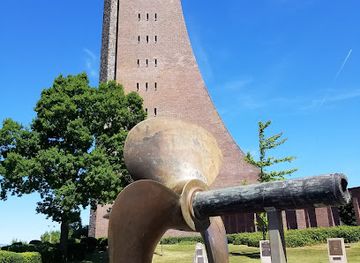
Naval Memorial
Explore the Naval Memorial in Laboe, a poignant tribute to German sailors, rich in history and breathtaking coastal views.
-
War museum
German submarine U-995
Explore the depths of history aboard the U-995 submarine at Laboe Naval Memorial, offering a unique glimpse into WWII naval warfare and the lives of submariners.
Explore Holstein on the map
Plan your trip on one map. See where the top cities, national parks and sights are, and book hotels and experiences in a few clicks.
Best hotels in Holstein
Best restaurants in Holstein
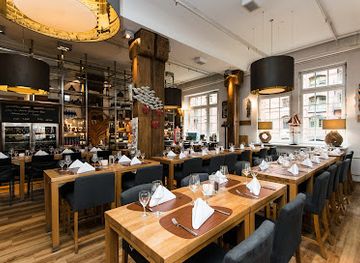
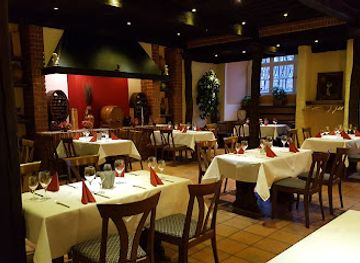
Holstein's food reflects its northern climate, farming economy and Baltic coastline. Menus commonly draw on potatoes, rye bread, dairy produce, pork and seasonal vegetables, while Holsteiner Katenschinken is a well-known smoked ham associated with the region. Along the coast and around the larger harbours, look for Baltic fish, smoked specialities and straightforward seafood dishes; availability depends on season and local supply. Village inns and traditional restaurants often provide substantial northern German cooking, while Kiel, Lübeck's neighbouring urban area and the larger resort towns offer broader international and contemporary choices. Cafés in lake and coastal districts serve cakes, pastries and coffee after walking or cycling, and farm shops are useful for cheese, preserves, baked goods and regional produce. Schleswig-Holstein beers and locally made spirits may appear alongside food, though the range varies considerably between rural establishments and city restaurants.
-
German
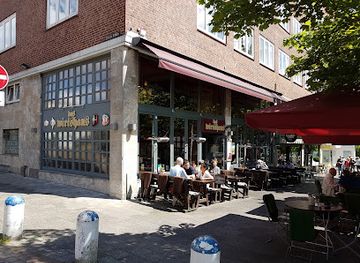
Das Wirtshaus
Experience authentic Bavarian cuisine at Das Wirtshaus in Kiel - where tradition meets taste in every delightful dish.
-
German
Schönes Leben Speicherstadt
Savor authentic German flavors at Schönes Leben Speicherstadt in Hamburg's historic warehouse district.
-
Restaurant
Krabbes Restaurant
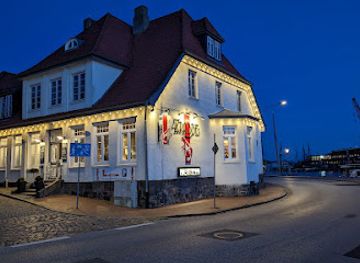
Experience exquisite seafood dining at Krabbes Restaurant in Neustadt - where local flavors meet culinary excellence.
-
German
Gaststätte Ratskeller
Experience authentic German cuisine at Gaststätte Ratskeller in Kiel – where tradition meets comfort in every bite.
Best bars in Holstein
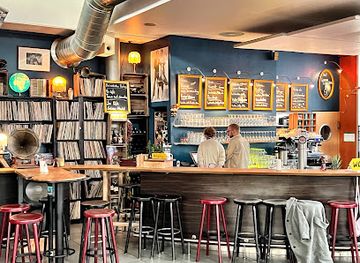
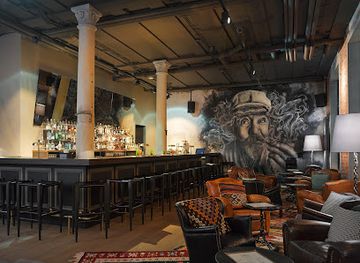
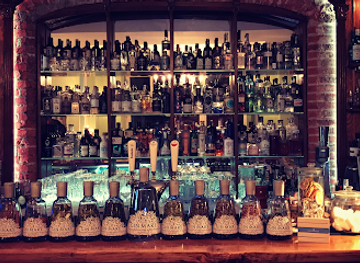
Evening life in Holstein is concentrated in Kiel and the larger coastal towns rather than spread evenly across the countryside. Kiel has the broadest choice, including traditional pubs, student-oriented bars, restaurants, live-music venues and seasonal activity around the waterfront. In Plön, Eutin, Neustadt in Holstein, Heiligenhafen and other smaller centres, evenings generally focus on pubs, hotel bars, cafés and restaurants, with some music and cultural programming depending on the season. Baltic resorts can feel livelier during summer, while rural lake districts become quiet after dinner. Traditional inns and breweries provide opportunities to sample regional beer culture, but visitors should not expect a large nightclub scene outside Kiel. Check local listings for performances and seasonal events, since opening arrangements and programming change more often than the region's established dining and pub traditions.
-
Bar
Blauer Engel
Experience the vibrant nightlife of Kiel at Blauer Engel, a beloved bar offering a mix of local culture and exceptional drinks.
-
Cocktail bar
The Boilerman Bar Hafenamt
Experience the vibrant nightlife at The Boilerman Bar Hafenamt, Hamburg's chic cocktail haven with an inviting maritime ambiance.
-
Cocktail bar
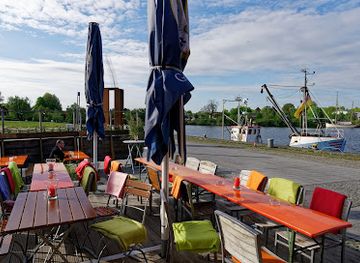
Strandbar Rendsburg
Discover the vibrant Strandbar Rendsburg - a waterfront cocktail bar offering refreshing drinks and stunning views in the heart of Rendsburg.
-
Bar
Dietrich's Bar - Luebeck
Experience the charm of Lübeck at Dietrich's Bar, where cozy atmosphere meets a delightful drink selection.
Best nightclubs in Holstein
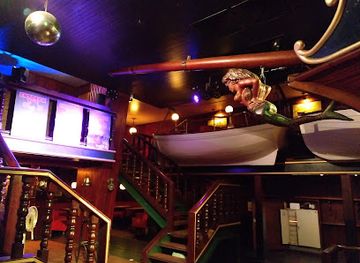
Evening life in Holstein is concentrated in Kiel and the larger coastal towns rather than spread evenly across the countryside. Kiel has the broadest choice, including traditional pubs, student-oriented bars, restaurants, live-music venues and seasonal activity around the waterfront. In Plön, Eutin, Neustadt in Holstein, Heiligenhafen and other smaller centres, evenings generally focus on pubs, hotel bars, cafés and restaurants, with some music and cultural programming depending on the season. Baltic resorts can feel livelier during summer, while rural lake districts become quiet after dinner. Traditional inns and breweries provide opportunities to sample regional beer culture, but visitors should not expect a large nightclub scene outside Kiel. Check local listings for performances and seasonal events, since opening arrangements and programming change more often than the region's established dining and pub traditions.
-
Disco club
Musikpark A1 Lübeck
Musikpark A1 Lübeck: A vibrant disco club where music and dancing come together for an unforgettable nightlife experience.
-
Disco club
Ben Briggs
Discover the energetic nightlife of Kiel at Ben Briggs, a premier disco club and bar offering vibrant music and a lively atmosphere.
-
Disco club
Anna Club & Discostadl
Discover the vibrant nightlife of Kiel at Anna Club & Discostadl, a premier disco club where rhythm and excitement meet.
-
Night club
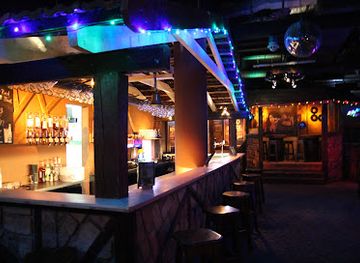
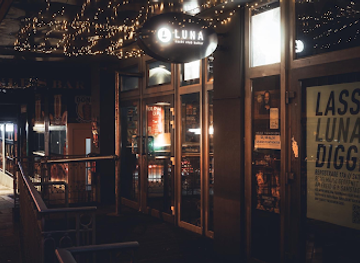
Luna Club
Experience the vibrant nightlife at Luna Club in Kiel, where electrifying music, exquisite cocktails, and unforgettable events await you.

Best shops in Holstein
Shopping in Holstein is centred on the pedestrian streets and independent businesses of towns such as Kiel, Plön, Eutin, Neumünster and the Baltic resorts. Kiel provides the widest urban choice, while smaller centres are better for bookshops, local galleries, outdoor equipment, bakeries and practical high-street shopping. Coastal towns sell maritime-themed goods, beachwear and gifts, though the most useful regional purchases are often edible: Holsteiner Katenschinken, rye products, cheese, preserves, smoked fish and locally made spirits. Farm shops and seasonal producers are particularly worthwhile in the countryside, but opening days vary. Eutin and Plön have a more historic retail atmosphere, with craft, antique and gallery businesses mixed among cafés. Neumünster is known for larger-scale retail and outlet shopping, making it a distinct stop from the traditional market-town experience. Bring reusable bags and cash for smaller producers and occasional markets.
-
Outlet mall
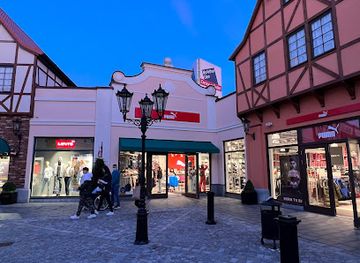
Designer Outlet Neumünster
Discover unbeatable deals and a delightful shopping experience at Designer Outlet Neumünster, featuring top brands and diverse dining options.
-
Shopping mall
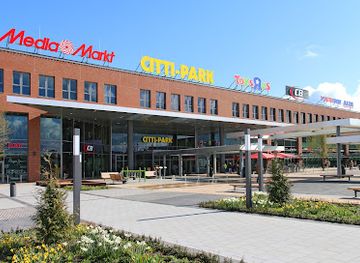
CITTI-PARK
Explore CITTI-PARK in Lübeck: A vibrant shopping mall with over 200 stores, diverse dining options, and a lively atmosphere perfect for tourists.
-
Hypermarket
Scandinavian Park
Explore Scandinavian Park, a unique hypermarket near the German-Danish border offering diverse Scandinavian products and local delicacies.
-
Store
Citti-Park Kiel
Discover Citti-Park Kiel, the ultimate shopping mall in Kiel, Germany, offering diverse stores, delicious dining, and exciting events for all visitors.
Get your free copy of our complete guide to Holstein, delivered straight to you.
Everything on this page, from attractions and restaurants to essentials and local phrases, in one PDF you can read offline, print or share.
Already have an account? Sign in
Your Holstein guide is ready.
We'll send it to · Not you? Sign out

Getting your guide ready…
We are putting together a fresh copy of the Holstein guide. This can take up to a minute.
This can take a few moments. If your browser asks, choose Allow so the download can start. You'll find the guide in your Downloads folder.
Nothing happened? Download it again
Sorry, the guide is taking longer than usual. Please try again in a minute, or get it by email instead.
Holstein essentials
Currency and Payment
Safety
Emergency Situations
Do's and Don'ts
Local Tips
From Eve
Local phrases worth knowing
You don't need to get them perfect. A few words go a long way, and locals appreciate the effort.
Basics
| English | Local | Say it |
|---|---|---|
| Hello | Moin | [moyn] |
| Goodbye | Tschüss | [tshüs] |
| Yes | Ja | [ya] |
| No | Nee | [nee] |
| Please/You're welcome | Bitte | [bi-te] |
| Thank you | Danke | [dan-ke] |
| Excuse me/Sorry | Entschuldigung | [ent-shul-di-gung] |
| How are you? | Wie geht's? | [vee geits] |
| Fine. And you? | Gut. Und dir? | [goot. oond deer] |
| Do you speak English? | Sprechen Sie Englisch? | [shpre-chen zee eng-lish] |
| I don't understand | Ich verstehe nicht | [ikh fer-shteh-nisht] |
Eating & Drinking
| English | Local | Say it |
|---|---|---|
| I'd like to see the menu, please | Ich hätte gerne die Speisekarte, bitte | [ikh he-te ger-ne dee spy-ze-kar-te, bi-te] |
| I don't eat meat | Ich esse kein Fleisch | [ikh es-se kīn flaish] |
| Cheers! | Prost! | [prohst] |
| I would like to pay, please | Ich möchte bezahlen, bitte | [ikh mer-khte be-za-len, bi-te] |
Emergencies
| English | Local | Say it |
|---|---|---|
| Help! | Hilfe! | [hil-fe] |
| Go away! | Geh weg! | [geh vek] |
| Call the Police! | Rufen Sie die Polizei! | [roo-fen zee dee po-li-tsai] |
| Call a doctor! | Rufen Sie einen Arzt! | [roo-fen zee ai-nen arts] |
| I'm lost | Ich bin verloren | [ikh bin fer-lo-ren] |
| I'm ill | Ich bin krank | [ikh bin krank] |
Shopping
| English | Local | Say it |
|---|---|---|
| I'd like to buy... | Ich möchte ... kaufen | [ikh mer-khte ... kau-fen] |
| I'm just looking | Ich schaue nur | [ikh shau-e nur] |
| How much is it? | Wie viel kostet das? | [vee feel kos-tet das] |
| That's too expensive | Das ist zu teuer | [das ist tsu toy-er] |
| Can you lower the price? | Können Sie den Preis senken? | [kuen-nen zee den price sen-ken] |
Time & Numbers
| English | Local | Say it |
|---|---|---|
| What time is it? | Wie spät ist es? | [vee shpaet ist es] |
| It's one o'clock | Es ist ein Uhr | [es ist ein oor] |
| Half past (10) | Halb elf | [halb elf] |
| Morning | Morgen | [mor-gen] |
| Afternoon | Nachmittag | [nach-mit-tag] |
| Evening | Abend | [a-bend] |
| Yesterday | Gestern | [ges-tern] |
| Today | Heute | [hoi-te] |
| Tomorrow | Morgen | [mor-gen] |
| 1 | Eins | [ains] |
| 2 | Zwei | [tsvai] |
| 3 | Drei | [drai] |
| 4 | Vier | [fear] |
| 5 | Fünf | [fünf] |
| 6 | Sechs | [zex] |
| 7 | Sieben | [zi-ben] |
| 8 | Acht | [acht] |
| 9 | Neun | [noyn] |
| 10 | Zehn | [tsen] |
Transport & Directions
| English | Local | Say it |
|---|---|---|
| Where's a/the...? | Wo ist ein/eine ...? | [vo ist ain/ai-ne ...?] |
| What's the address? | Wie lautet die Adresse? | [vee lau-tet dee a-dres-se] |
| Can you show me (on the map)? | Könnten Sie mir (auf der Karte) zeigen? | [kuen-ten zee mir (auf der kar-te) zai-gen] |
| When's the next (bus)? | Wann kommt der nächste (Bus)? | [van kommt der näch-stä (bus)?] |
| A ticket (to ....) | Ein Ticket (nach ...) | [ain ti-ket (nach ...)] |
History of Holstein
Prehistoric settlement and the first farming landscapes
Holstein has been occupied since the Stone Age, when communities used its coasts, river valleys and inland lakes for fishing, hunting and later agriculture. Megalithic tombs, burial mounds and archaeological traces of settlement record long-term human activity across the region, although many individual monuments survive only in fragmentary form. The transition to farming gradually transformed woodland into cultivated fields and pasture. Later Iron Age communities maintained links across the southern Baltic, helping establish the routes and settlement patterns that would shape Holstein's medieval geography.
Saxon, Slavic and Carolingian frontier societies
In the early medieval period, Holstein occupied a frontier between Saxon-speaking communities to the west and Slavic-speaking Polabian peoples to the east. The region's political and religious incorporation into the Christian kingdoms of northern Europe developed gradually, rather than through a single event. Fortified places, churches and trading settlements became instruments of both governance and conversion. The eastern districts in particular preserve the legacy of this contact zone in their settlement history and in the way medieval rulers reorganised land, population and ecclesiastical authority.
The counts of Schauenburg and the medieval counties
From the twelfth century, the counts of Schauenburg and Holstein consolidated authority over much of the region. They encouraged settlement, founded or supported towns and extended control towards the Baltic and the Elbe. Medieval Holstein was divided among shifting territories and was closely connected with neighbouring Schleswig, Stormarn and the free city of Lübeck. Churches, market towns, castles and rural estates emerged within this political framework. The period established Holstein as a recognised territorial name and laid foundations for later dynastic struggles over control of northern Germany.
Reformation and the rise of ducal Holstein
The Reformation transformed Holstein during the sixteenth century, as Lutheran ideas spread through towns, parishes and princely territories. Monastic property and church administration were reorganised, while religious change strengthened the authority of secular rulers. After the medieval county passed into the hands of the Oldenburg dynasty, Holstein became a duchy and was divided at times between royal and ducal lines. The resulting political structure explains the region's mixture of royal, aristocratic and civic institutions, many of which continued to influence estates and towns into the modern era.
Holstein, Denmark and the Schleswig-Holstein question
Holstein belonged to the German-speaking Holy Roman Empire and later the German Confederation, yet its dukes were also kings of Denmark. This dual relationship became increasingly contentious in the nineteenth century, particularly as nationalism developed among German and Danish communities in the duchies. The conflicts of 1848–1851 and the war of 1864 brought the Schleswig-Holstein question to international attention. After Denmark's defeat, Holstein came under Austrian administration for a short period before the Austro-Prussian War of 1866 transferred it to Prussia.
Industrialisation, railways and the Kiel Canal
During the nineteenth century, railways, improved roads, shipbuilding and expanding trade connected Holstein more closely with the industrial economy of northern Germany. Kiel grew into a naval and maritime centre, while Neumünster developed textile and manufacturing industries. The opening of the Kaiser Wilhelm Canal in 1895, now the Kiel Canal, created a direct water route between the North Sea and Baltic, avoiding the longer passage around Denmark. Its bridges, locks, banks and constant shipping remain one of the clearest physical expressions of Holstein's strategic geography.
From Prussian province to modern Schleswig-Holstein
After 1866, Holstein was incorporated into the Prussian province of Schleswig-Holstein and subsequently became part of the German state. The twentieth century brought naval expansion, war damage, population movement and economic restructuring, while Kiel retained its maritime importance. Following the Second World War, Schleswig-Holstein was re-established as a German Land, and the historic distinction between Holstein and Schleswig remained culturally meaningful without becoming a separate administrative government. Today, Holstein's identity is expressed through regional landscapes, historic towns, coastal economies, agriculture and the continuing importance of Kiel.
Holstein in Photos
Browse through our photo collection highlighting the charm and character of the destination.
Neighbouring regions of Holstein
The closest regions to Holstein, if you have time for more than one.
-

-

-

-

-


Swipe for more regions
Explore more

Explore more of Germany
Experience Germany: where history meets innovation, and urban energy blends with natural beauty. Discover diverse cultures, delicious cuisine, and stunning landscapes.
Explore Germany