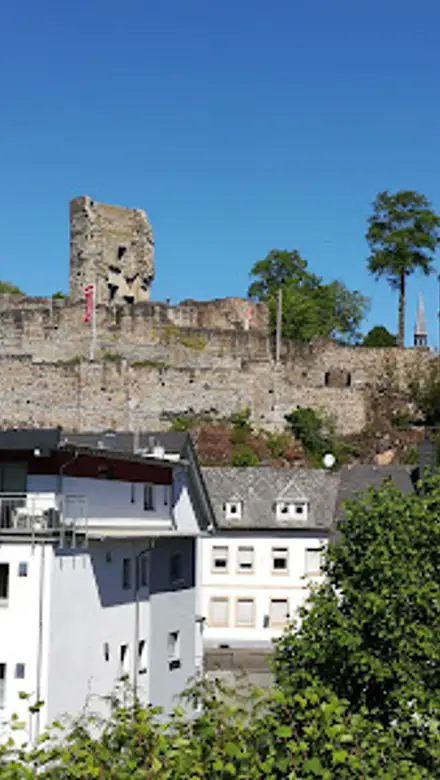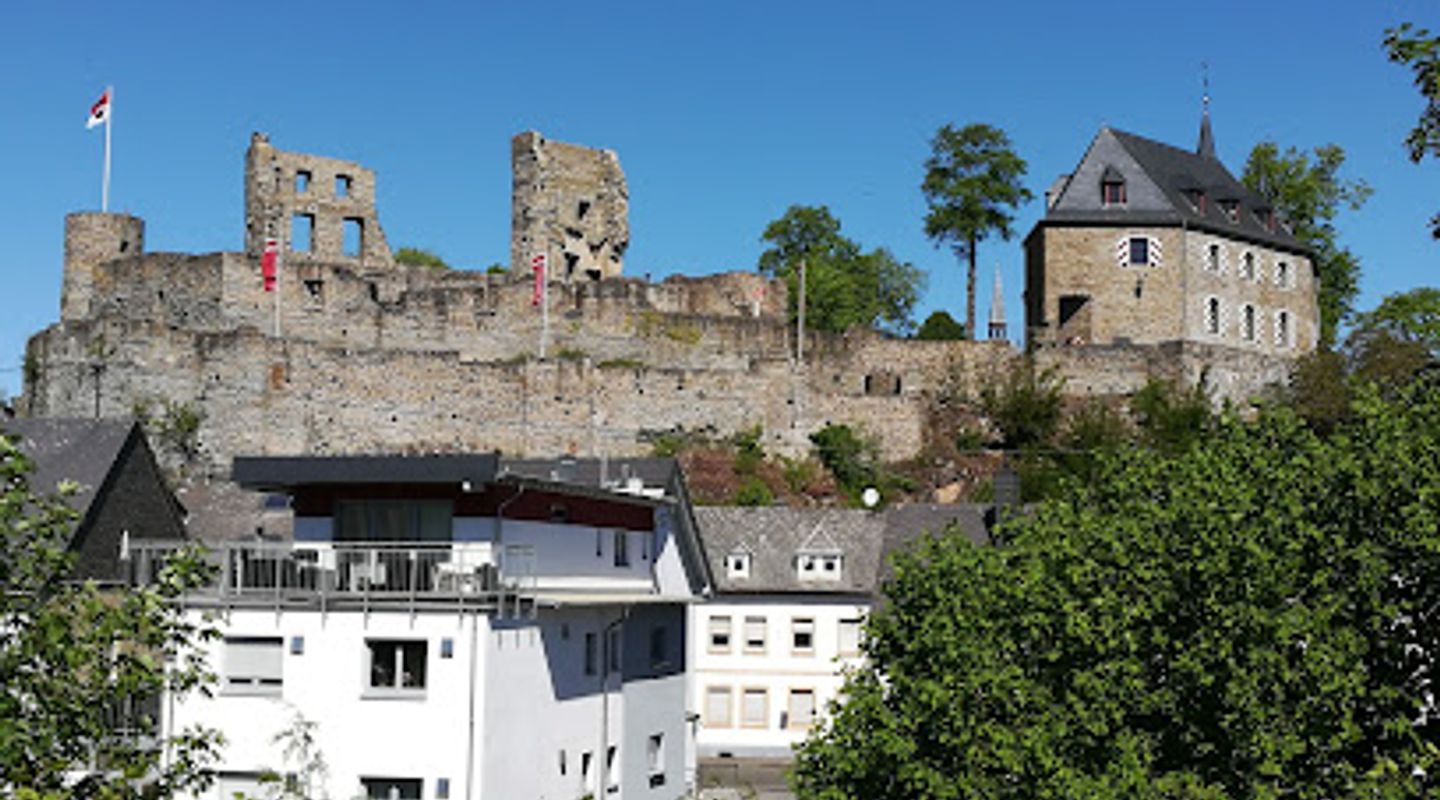
Kastellaun Castle, Hunsruck Travel Guide
Explore the imposing ruins of Kastellaun Castle, a medieval stronghold in the Hunsrück, offering panoramic views, historical insights, and a glimpse into Germany's past.
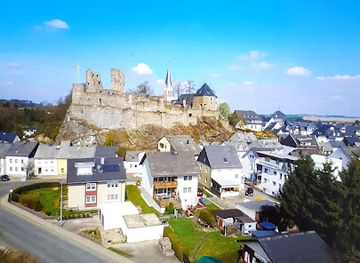
Kastellaun Castle, a ruined medieval fortress in the heart of the Hunsrück region, offers a captivating glimpse into Germany's storied past. Built in the 13th century by the Counts of Sponheim, the castle witnessed centuries of conflict, serving as a residence, a strategic stronghold, and ultimately, a casualty of war. Today, its imposing ruins, perched atop a prominent hill, provide panoramic views of the surrounding landscape. Visitors can explore the remnants of the palace, towers, and defensive walls, imagining life within this once-mighty fortress. The on-site House of Regional History museum adds depth to the experience, showcasing the region's Celtic, Roman, and medieval heritage. With its blend of history, stunning vistas, and engaging exhibits, Kastellaun Castle is a worthwhile destination for history enthusiasts and casual travelers alike. The castle also hosts events and theatrical performances, bringing the past to life. Don't miss the opportunity to wander through the charming town of Kastellaun, with its half-timbered houses and welcoming atmosphere, completing your journey back in time.
A brief summary to Kastellaun Castle
- Schlossstraße 13, Kastellaun, 56288, DE
- Click to display
- Click to display
- Thursday 12 pm-5 pm
- Friday 12 pm-5 pm
- Saturday 12 pm-5 pm
- Sunday 12 pm-5 pm

Know before you go
Hi, I'm Eve. Here are a few practical things to know before exploring Kastellaun Castle.
- Wear sturdy shoes for exploring the castle grounds, as the terrain can be uneven and involve climbing stairs.
- Check the event calendar for theatrical performances, medieval markets, or concerts held within the castle walls.
- Visit the House of Regional History museum in the lower bailey to learn about the region's Celtic, Roman, and medieval heritage.
- Combine your castle visit with a hike on the nearby Baybachklamm gorge trail for a challenging and rewarding outdoor experience.
- Enjoy a medieval-style feast at one of the restaurants in the castle cellars for a unique dining experience.
Do you manage this location?
Take control to get all the benefits, like improved information, better appearance, and stronger visibility across AI-powered discovery. Learn more about listing your business on Evendo
Activate your presenceOther nearby places you may find interesting
The closest places of the same kind, if this one is not quite what you had in mind.
Explore Kastellaun Castle on the Map
A handpicked selection of must-see spots near Kastellaun Castle, mapped for you.
Getting There
-
Walking
From the Kastellaun Marktplatz (town square), the castle is a short but uphill walk. Head north on Marktstraße, then turn left onto Schlossstraße. Follow Schlossstraße uphill; the castle entrance will be on your right. The walk takes approximately 5-10 minutes. Note that the path is steep in places.
-
Public Transport
If arriving by bus at Kastellaun Marktplatz, follow the 'Walking' directions above to reach the castle. There are no additional costs involved beyond the initial bus fare to Kastellaun. Bus fares vary depending on the origin; check VRM (Verkehrsverbund Rhein-Mosel) for specific pricing.
-
Driving
If driving, navigate to Schlossstraße 13, 56288 Kastellaun. Limited parking is available near the castle. Parking fees may apply, with hourly rates typically around €1-€2. Be aware that parking spaces can be scarce, especially during peak season or events. Consider parking in the town center and walking up to the castle if parking near the castle is full.
Discover more about Kastellaun Castle













Your all‑in‑one travel companion app
Explore expert travel guides, compare and book tours, experiences, hotels, and more—all from the palm of your hand. Download now for seamless trip planning wherever your wanderlust takes you.


Explore More of Hunsruck
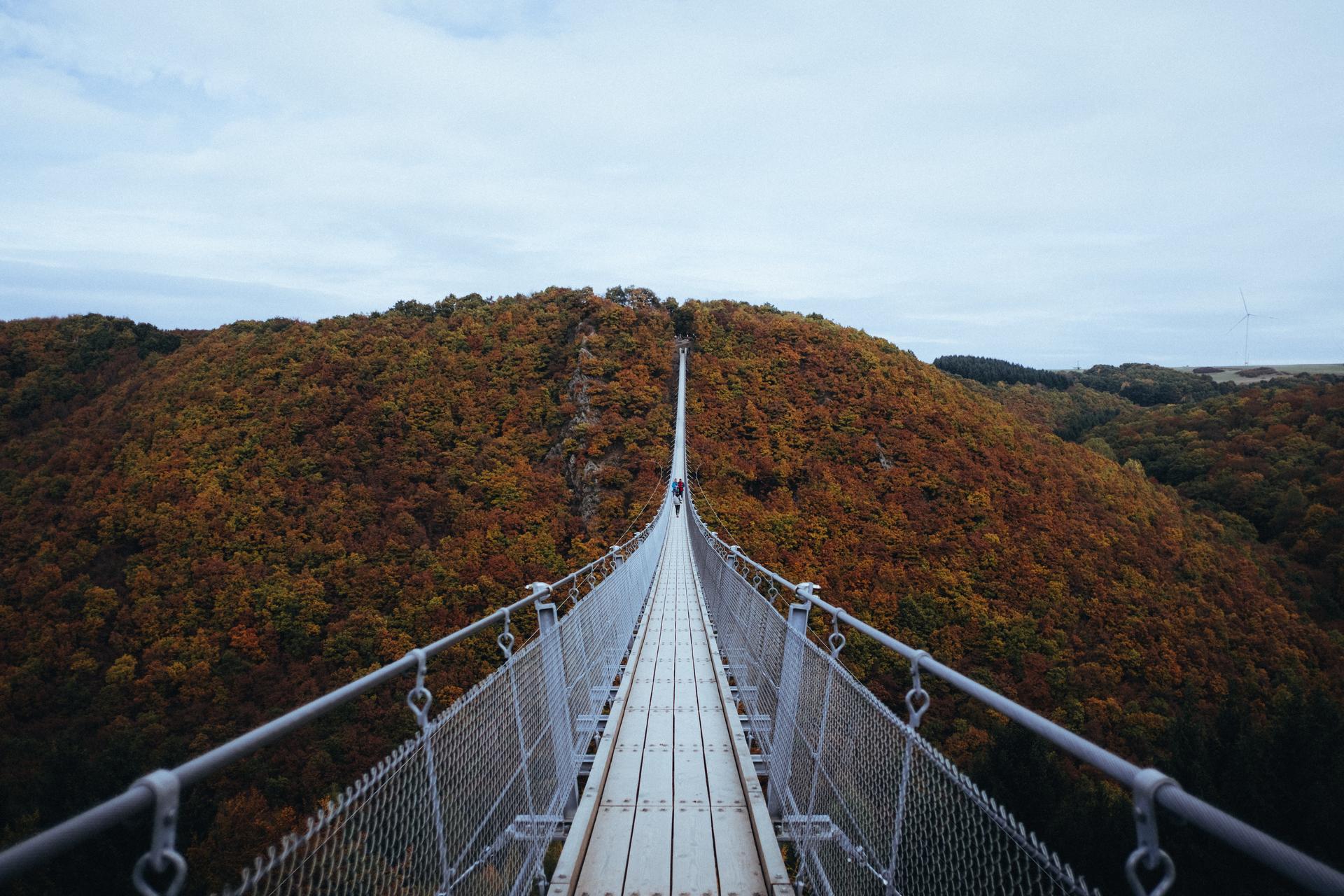
Looking beyond Kastellaun Castle? Discover Hunsruck for broader travel guides, local hot-spots, and regional highlights.
Explore Hunsruck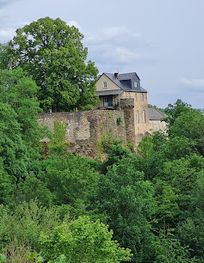
Discover the enchanting Traumschleife Ehrbachklamm: Hike through fairytale forests, alongside cascading waterfalls, and explore historic mills in the heart of the Hunsrück.
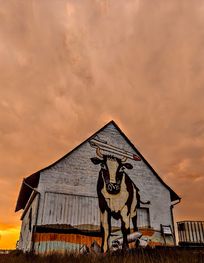
Discover the Hunsrücker Raketen Kuh in Bell, Germany: a symbol of peace and a testament to the region's history of activism during the Cold War era.