German Salt Museum: A Journey into Lüneburg's Salty Past
Discover Lüneburg's salty legacy at the German Salt Museum, exploring over 1,000 years of salt production and its impact on the region's wealth and cultural heritage.
Delve into the fascinating world of salt at the German Salt Museum in Lüneburg, a city historically known as the 'capital of salt.' Housed in a former saltworks dating back to 1924, the museum chronicles over 1,000 years of salt production and its profound impact on the region's wealth and culture. Explore interactive exhibits featuring artifacts, equipment, and multimedia displays that illustrate the evolution of salt mining and its uses throughout history. From medieval salt-boiling techniques to the industrial revolution's advancements, discover how salt shaped Lüneburg's identity and influenced global trade. Don't miss the opportunity to witness demonstrations of traditional salt-making methods and learn about the lives of the 'Sülfmeister,' the master salters who once held immense power in the city. A visit to the German Salt Museum offers a unique and engaging experience for all ages, providing a deeper understanding of this essential mineral and its enduring legacy.
A brief summary to German Salt Museum
- Sülfmeisterstraße 1, Lüneburg, 21335, DE
- +4941317206513
- Visit website
Local tips
- Check the museum's website for demonstration times of traditional salt-making techniques, offering a fascinating glimpse into the past.
- Consider visiting during the annual Sülfmeistertage (Master Salter Days) festival to experience Lüneburg's salt heritage through historical reenactments and festivities.
- Take advantage of the English-language audio guide to fully appreciate the exhibits, as most displays are primarily in German.
- Combine your visit with a trip to the nearby Museum Lüneburg to gain a broader understanding of the city's history and cultural landscape.
- Explore the leaning houses in Lüneburg's old town, a unique architectural feature caused by the historical salt mining activities beneath the city.

Getting There
-
Walking
From Lüneburg Train Station (Lüneburg Hauptbahnhof), the German Salt Museum is approximately a 30-minute walk. Exit the station and proceed straight, following the signs towards the city center (Altstadt). Walk past St. John's Church (Johanniskirche) and continue through Am Sande, the central market square. Then, proceed through Heiligengeiststraße to Lambertiplatz. The German Salt Museum entrance is located on the southwest corner of the square, within the historic industrial brick building.
-
Public Transport
From Lüneburg Train Station, several bus lines provide access to the German Salt Museum. Take bus line 5011, 5012, or 5014 from the 'Bahnhof' bus stop to the 'Lambertiplatz' stop. From there, it's a short walk to the museum entrance. A single bus fare costs approximately €2.60.
-
Taxi/Ride-Share
A taxi or ride-share from Lüneburg Train Station to the German Salt Museum takes approximately 10 minutes, depending on traffic. The estimated fare is between €10 and €15.
-
Driving
If driving, navigate to Sülfmeisterstraße 1, 21335 Lüneburg. Limited parking is available directly at the museum. Alternatively, use the Sülzwiese car park north of the city center, which offers free parking and is a short walk to the museum. Paid parking is available at Q-Park City Parkhaus, about a 10-minute walk away, with hourly rates around €2 and a daily maximum of €15 (Monday-Saturday) or €3 (Sunday).
Discover more about German Salt Museum
Iconic landmarks you can’t miss

Am Sande
0.7 km
Discover Am Sande in Lüneburg: A historic square with stunning medieval architecture, vibrant events, and a charming atmosphere, reflecting the city's rich Hanseatic past.
Krügerhaus Lüneburg
0.9 km
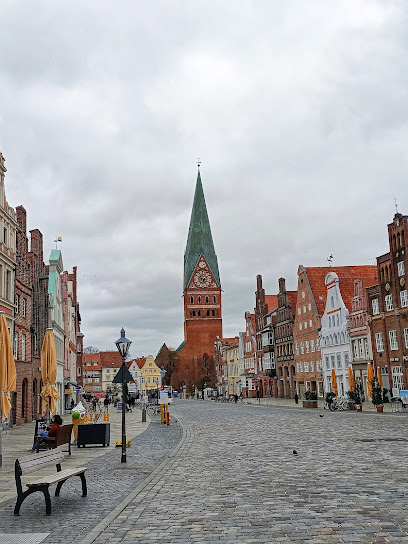
Discover the historical charm of Krügerhaus in Lüneburg, a captivating landmark showcasing traditional architecture and offering a glimpse into the city's rich heritage on Wandrahmstraße.
Lüneburg
1.0 km
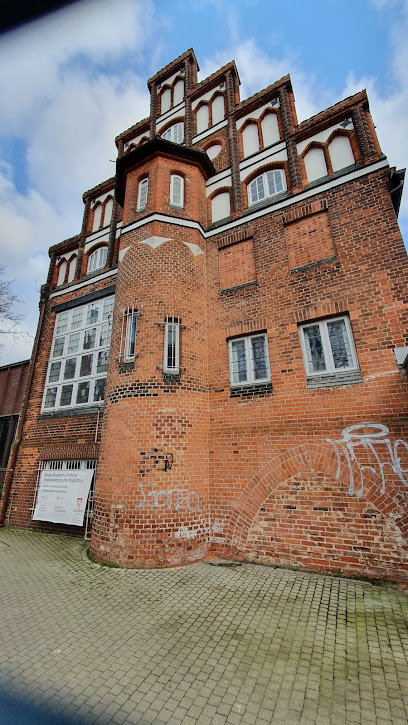
Discover Lüneburg: A captivating Hanseatic city blending medieval charm with youthful energy, offering a rich history, vibrant culture, and unforgettable experiences.
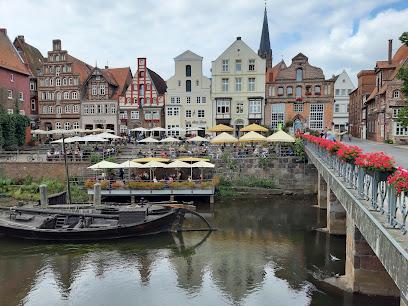
Old Hanseatic wooden boats
1.1 km
Explore Lüneburg's maritime past at the Stintmarkt: Admire historic Hanseatic wooden boats, savor waterfront dining, and discover the legacy of the 'white gold' salt trade.
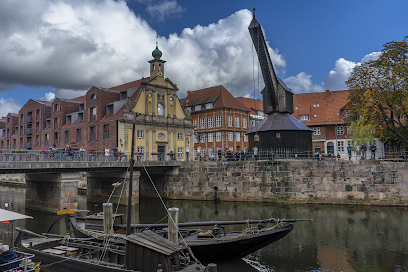
Old crane in the Lüneburg harbor
1.1 km
Discover the historic Old Crane in Lüneburg, a symbol of the city's Hanseatic past and salt trade legacy, offering a glimpse into medieval engineering and waterfront charm.
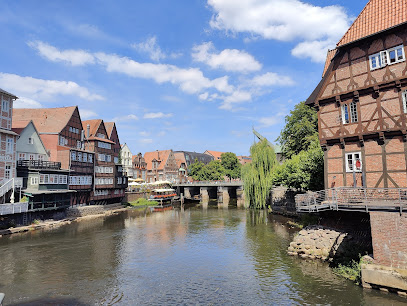
Castle and Castle Tower
17.5 km
Explore the historic Castle and Castle Tower in Lauenburg/Elbe, offering panoramic views and a glimpse into the region's rich past as a strategic stronghold on the Elbe River.
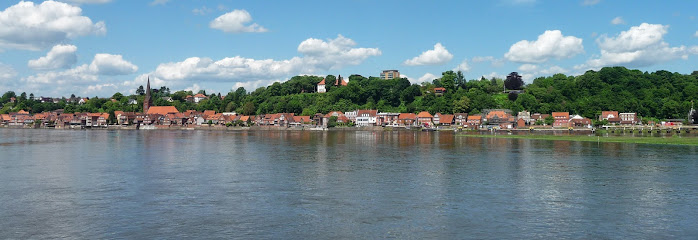
Klein Bünstorfer Heide
23.6 km
Discover the serene beauty and ancient history of Klein Bünstorfer Heide near Bad Bevensen, a tranquil heathland offering a peaceful escape and a glimpse into the Bronze Age.
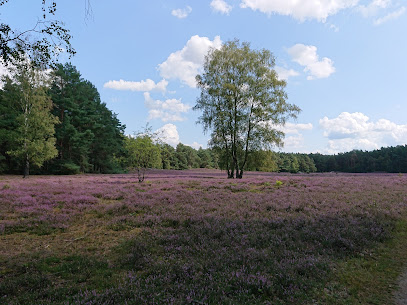
Neuengamme concentration camp Memorial
24.0 km
Explore the Neuengamme Concentration Camp Memorial in Hamburg, a place of remembrance, education, and reflection on the atrocities of the Nazi regime and the importance of human rights.
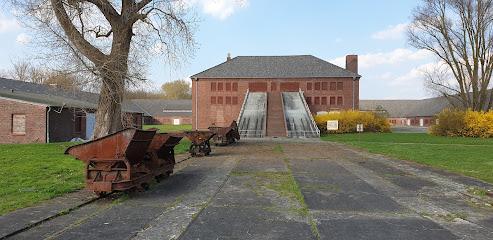
Office of the Lüneburg Heath Nature Park
32.5 km
Discover the Lüneburg Heath: Explore Germany's largest heathland, a unique landscape of purple heather, ancient forests, and charming villages, perfect for hiking, cycling, and nature lovers.
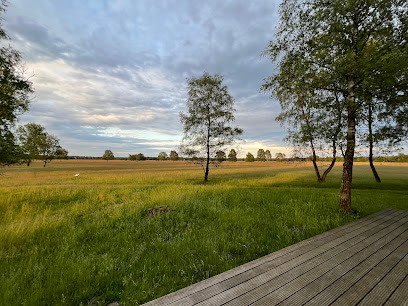
Energiebunker
40.3 km
Explore Hamburg's Energiebunker: a WWII relic transformed into a renewable energy marvel with panoramic city views and a rooftop café, showcasing sustainable innovation.
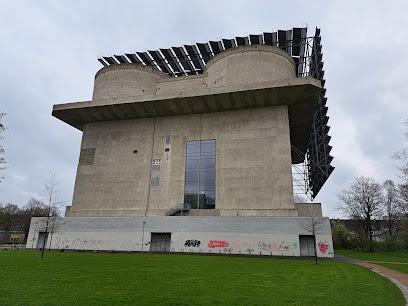
Port of Hamburg
41.0 km
Explore the dynamic Port of Hamburg, Germany's gateway to the world, where maritime history meets modern trade on the Elbe River, offering captivating harbor tours and cultural experiences.
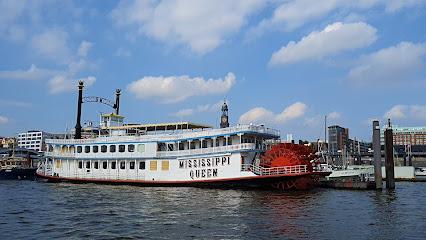
Marco Polo Tower
42.6 km
A captivating architectural landmark in Hamburg's HafenCity, the Marco Polo Tower's twisting design and sustainable features offer a glimpse into the future of urban living, with stunning harbor views.
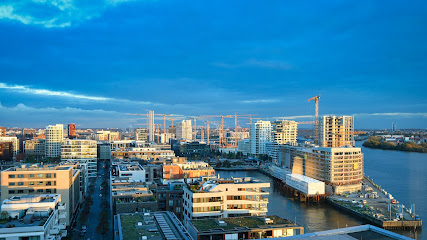
Kleines Leuchtfeuer
42.7 km
Discover the charm of Hamburg's maritime past at the Kleines Leuchtfeuer on Störtebeker Ufer, a picturesque landmark offering stunning waterfront views in the heart of HafenCity.
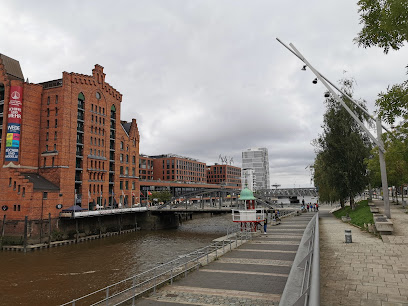
Kornhausbrücke
43.0 km
Cross the historic Kornhausbrücke in Hamburg's HafenCity, connecting the Speicherstadt with stunning views of the Zollkanal, offering a glimpse into the city's maritime past.
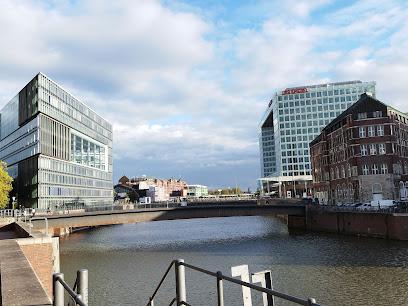
Brooksfleet
43.0 km
Discover the serene beauty of Brooksfleet, a picturesque canal in Hamburg's historic Speicherstadt, offering a tranquil escape and a glimpse into the city's maritime past.
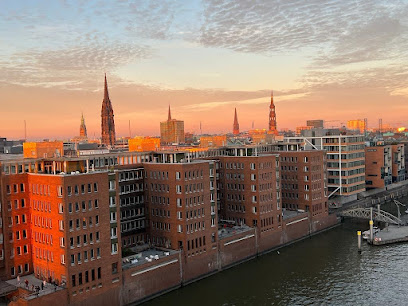
Unmissable attractions to see

Denkmal Lüneburger Ursulanacht
0.3 km
Discover the Lüneburger Ursulanacht Memorial, a serene tribute to history nestled in Lüneburg, perfect for reflection and cultural exploration.
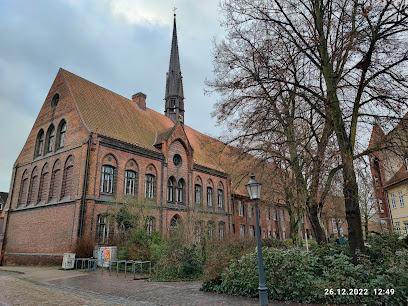
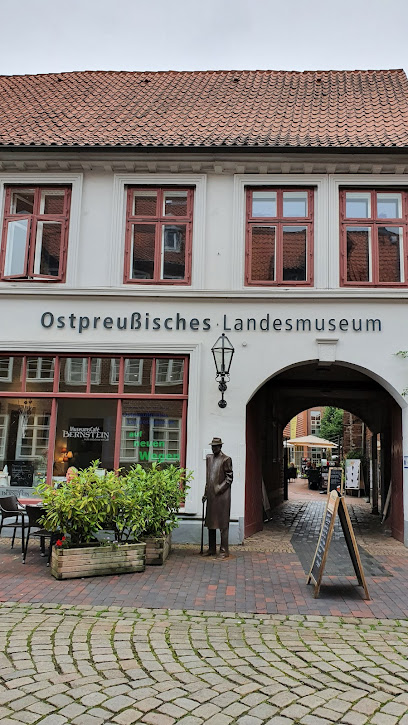
East Prussian Regional Museum
0.4 km
Explore the captivating history and culture of East Prussia at the East Prussian Regional Museum in Lüneburg, a gem for history lovers and curious travelers.
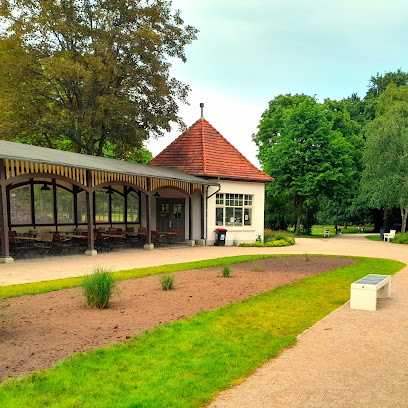
Kurpark
0.6 km
Discover the serene beauty of Kurpark, Lüneburg's charming state park, offering lush landscapes, delightful paths, and local attractions for all visitors.
Das Schwangere Haus
0.7 km
Explore Das Schwangere Haus, a historical gem in Lüneburg, showcasing unique architecture and a rich past, perfect for history buffs and casual tourists alike.
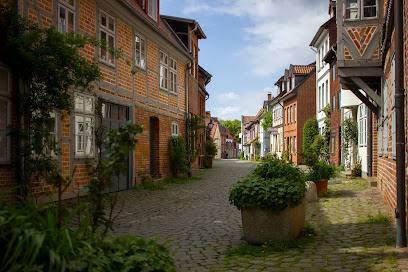
Marktplatz
0.8 km
Discover the enchanting Marktplatz in Lüneburg, a vibrant square filled with history, culture, and local flavors waiting to be explored.
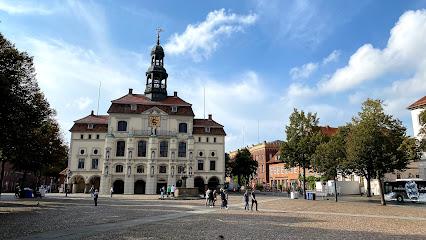
Brömsehaus
0.9 km
Discover Lüneburg's fascinating history at Brömsehaus, a must-visit museum showcasing the city's rich cultural heritage.
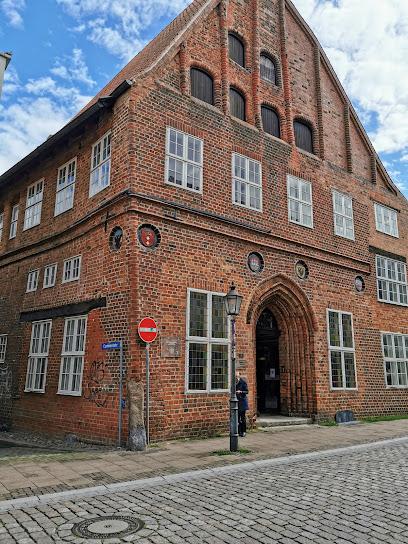
Museum Lüneburg
1.0 km
Discover the captivating history and natural wonders of Lüneburg at the Museum Lüneburg, where the past comes alive through engaging exhibits.
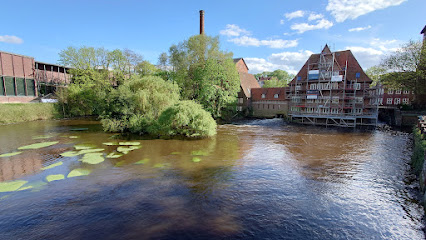
St. Nicolai Church
1.0 km
Discover the historic St. Nicolai Church in Lüneburg, a stunning example of Lutheran architecture with breathtaking views and rich cultural experiences.
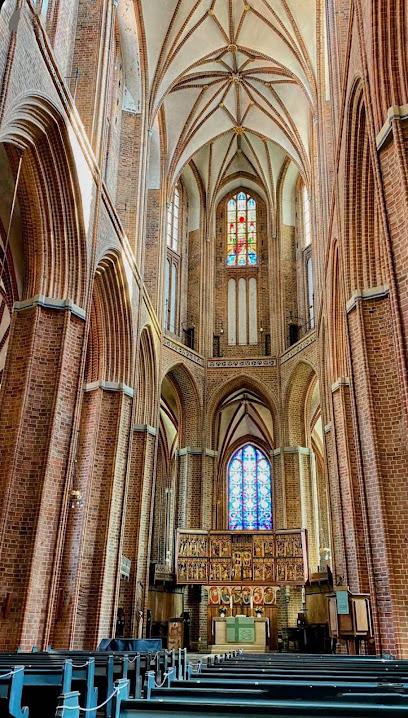
Abbey mill
1.0 km
Explore the historical Abbey Mill in Lüneburg, a picturesque landmark showcasing the region's rich heritage and stunning architecture.
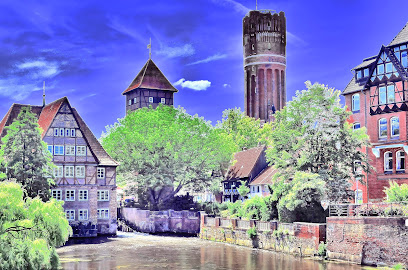
Lüne Abbey
2.3 km
Discover the serene beauty and rich history of Lüne Abbey, a captivating monastery and museum in Lüneburg, Germany, perfect for history buffs and peace-seekers alike.
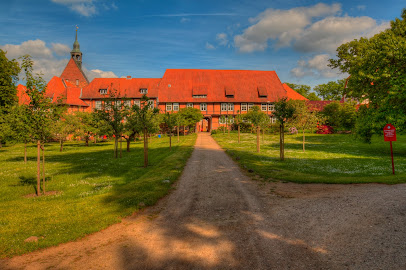
Aussichtsturm Paaschberg
15.5 km
Experience the breathtaking views from Aussichtsturm Paaschberg, a stunning observation deck in Salzhausen, Germany, perfect for nature lovers and photographers.
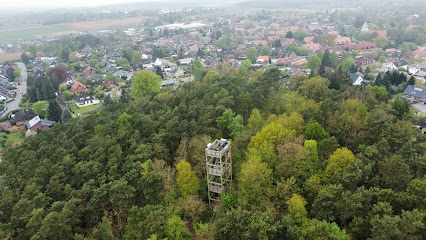
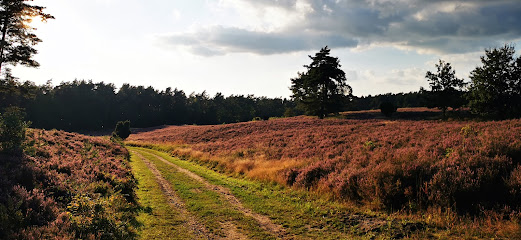
Kronsbergheide
16.0 km
Explore the serene beauty of Kronsbergheide, a hidden gem near Amelinghausen, perfect for hiking and nature photography.
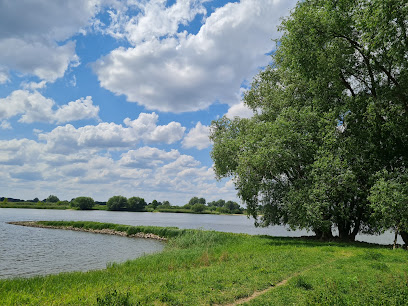
Südlichster Punkt von Schleswig-Holstein
17.5 km
Experience the breathtaking beauty and historical significance at the Southernmost Point of Schleswig-Holstein, where nature meets tradition.
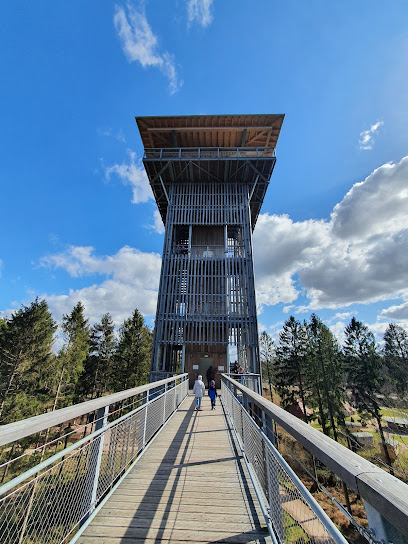
Heide Himmel Observation tower
23.3 km
Discover breathtaking views and serene landscapes at the Heide Himmel Observation Tower in Hanstedt, a must-visit tourist attraction in Germany.
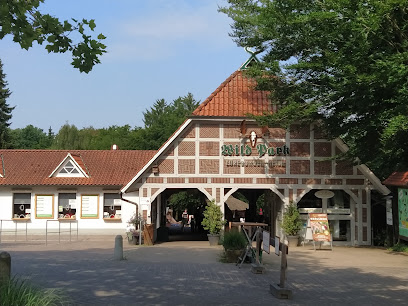
Wildpark Lüneburger Heide
23.7 km
Discover the beauty of wildlife at Wildpark Lüneburger Heide, a family-friendly park showcasing native and exotic animals in a beautiful natural setting.
Essential places to dine

Röhms Deli
0.3 km
Discover Röhms Deli in Lüneburg - where gourmet groceries meet exquisite German cuisine for an unforgettable culinary experience.
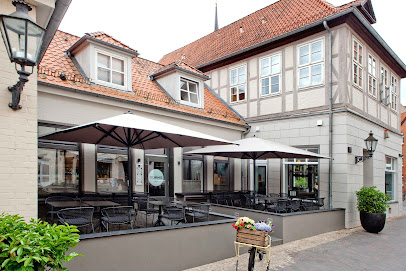
Restaurant Seminaris
0.4 km
Discover the flavors of Lüneburg at Restaurant Seminaris - where traditional German cuisine meets modern culinary artistry.
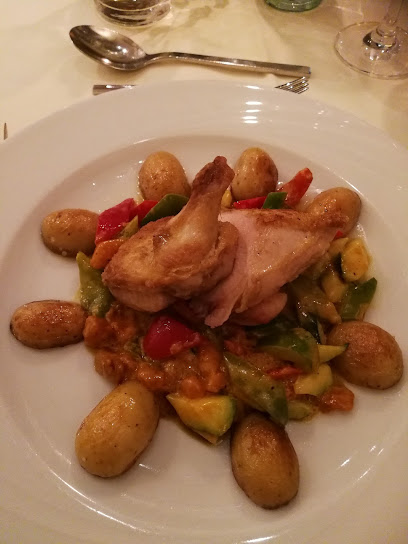
Restaurant Anno1900
0.4 km
Experience authentic German cuisine at Restaurant Anno1900 in Lüneburg - a culinary treasure with a charming beer garden.
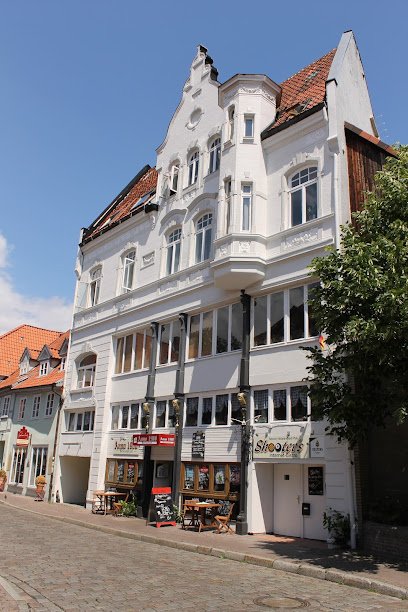
India Haus Lüneburg
0.4 km
Discover authentic Indian flavors at India Haus Lüneburg – a culinary gem offering a diverse menu in a cozy setting.
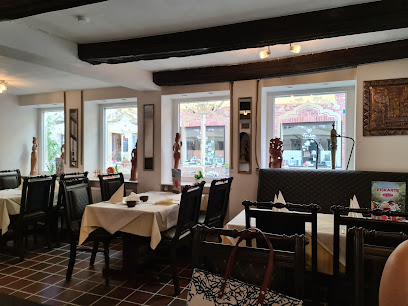
KRONE Brauhaus
0.5 km
Savor traditional German flavors and local brews at KRONE Brauhaus in Lüneburg – a culinary haven for tourists.
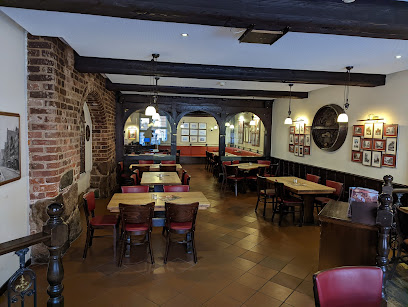
Altes Brauhaus
0.5 km
Discover authentic German cuisine at Altes Brauhaus in Lüneburg, where history meets hospitality in a cozy setting.
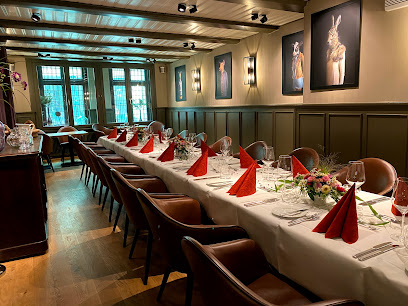
Mälzer Brau- und Tafelhaus
0.5 km
Experience authentic German cuisine and craft beer at Mälzer Brau- und Tafelhaus in Lüneburg - a culinary gem in the heart of Germany.
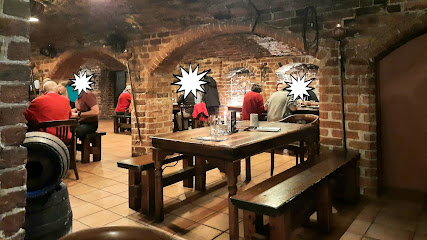
TO HUUS Gastwirtschaft Lüneburg
0.6 km
Savor the best of local cuisine at TO HUUS Gastwirtschaft Lüneburg – where tradition meets modern flavors in a charming setting.
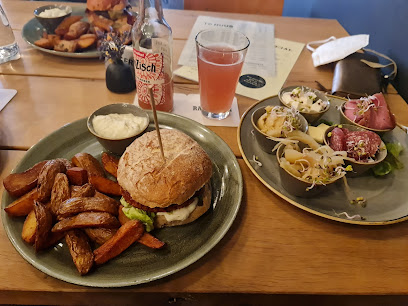
Zum Roten Tore
0.7 km
Discover the perfect blend of comfort and fine dining at Zum Roten Tore in Lüneburg – your gateway to local flavors and relaxation.

SA BACCA Feierabendkultur
0.8 km
Discover the authentic flavors of Spain at SA BACCA Feierabendkultur in Lüneburg's charming market square.
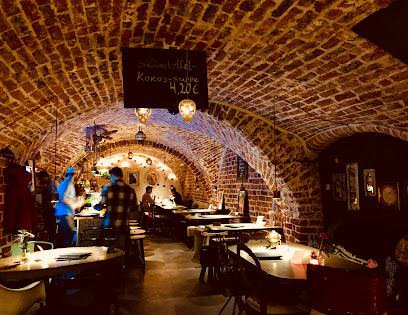
Das Restaurant in Lüneburg | Elrado-House
0.8 km
Experience the flavors of Lüneburg at Elrado-House – where traditional German cuisine meets modern culinary artistry.
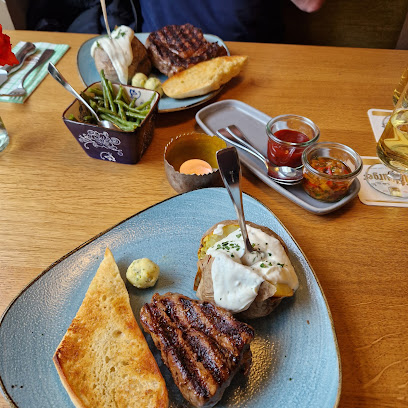
FRIEDAs am Wasserturm
0.8 km
Experience authentic German cuisine at FRIEDAs am Wasserturm in Lüneburg - where tradition meets taste by the historic water tower.
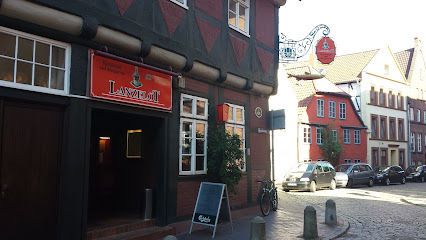
Lanzelot
0.9 km
Experience authentic German flavors at Lanzelot in Lüneburg—where culinary tradition meets vibrant atmosphere.
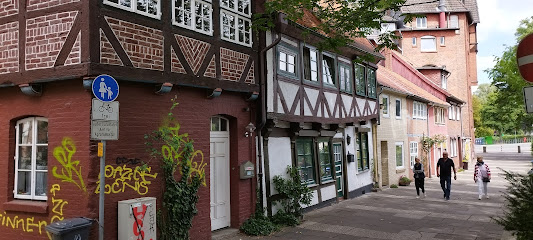
Zum Heidkrug
0.9 km
Experience authentic German hospitality at Zum Heidkrug – your perfect stay in Lüneburg with exquisite dining options.
Ristorante Buona Sera Lüneburg
0.9 km
Experience the heart of Italy at Ristorante Buona Sera in Lüneburg - where every meal is a celebration of flavor and tradition.
Markets, malls and hidden boutiques

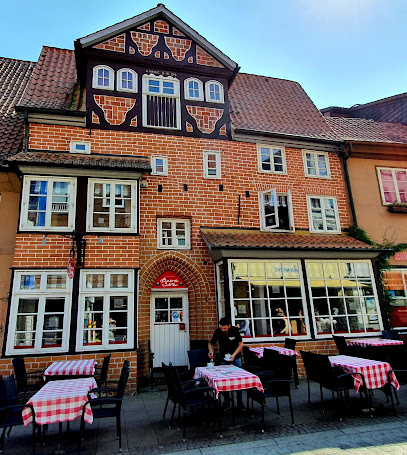
Marken Outlet Lüneburg
0.4 km
Discover unbeatable deals on top brands at Marken Outlet Lüneburg, where shopping meets charm in a historic setting.
zero Store
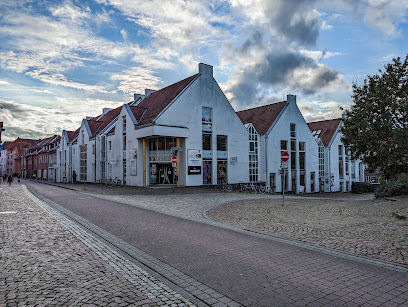
0.6 km
Explore the chic zero Store in Lüneburg for women's clothing and accessories, blending style and comfort in a welcoming environment.
Lüneburger Schokoladenmanufaktur
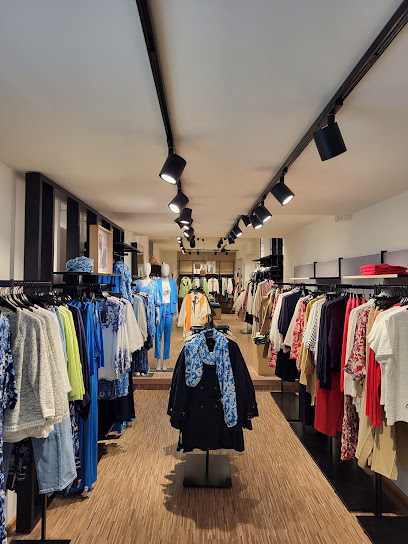
0.8 km
Experience the art of chocolate-making at Lüneburger Schokoladenmanufaktur, where every bite is a taste of luxury and passion.
Harry & Sally - Wohn- und Geschenkideen
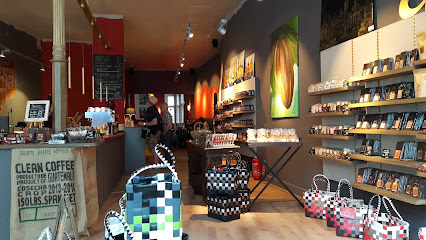
15.7 km
Explore Harry & Sally in Salzhausen: A charming gift shop filled with unique treasures and local artistry waiting to be discovered.
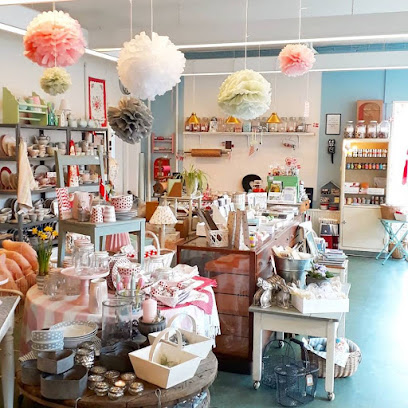
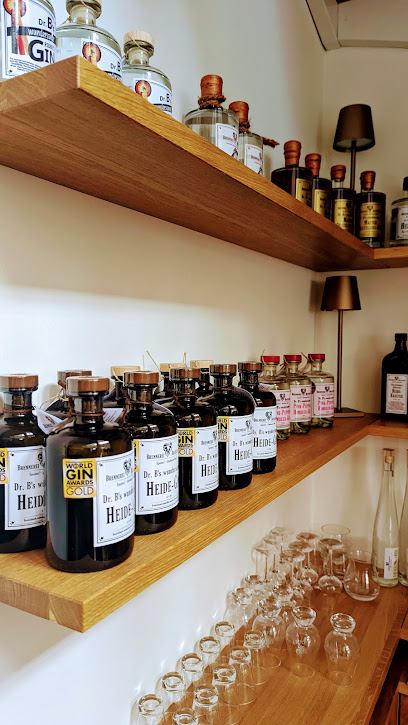
Brennerei Bosselmann Lüneburger Heide
23.6 km
Explore the rich tradition of distillation at Brennerei Bosselmann, a hidden gem in the scenic Lüneburger Heide, perfect for spirit lovers and nature enthusiasts.
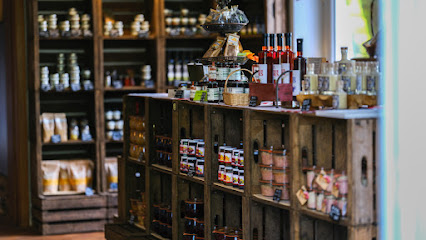
Degenhof Manufaktur Hofladen Fleisch - und Feinkost
24.9 km
Experience the authentic taste of Germany at Degenhof Manufaktur Hofladen, a delightful farm shop and café in Egestorf's charming countryside.
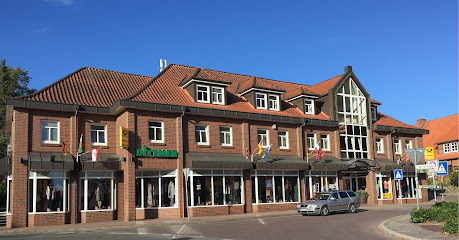
Department store Dittmer, F.W. Dittmer KG
26.0 km
Experience the unique shopping charm of Dittmer Department Store in Hanstedt, where quality products meet excellent customer service.
Porzellanmanufaktur Calluna
27.5 km
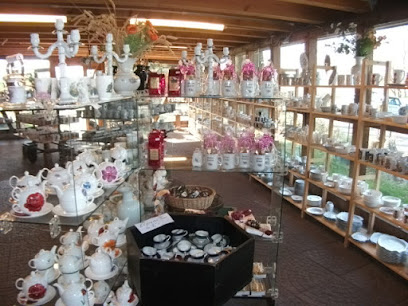
Experience the exquisite craftsmanship of Porzellanmanufaktur Calluna in Bispingen, where fine chinaware meets rich German tradition.
Grube KG
30.5 km
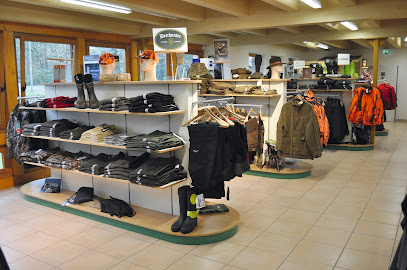
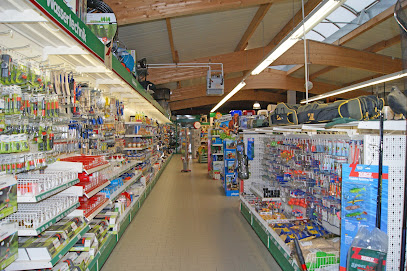
Discover Grube KG in Bispingen, your ultimate destination for outdoor clothing, tools, and hunting and fishing supplies, all in one spot.
Craftingstudio
30.8 km
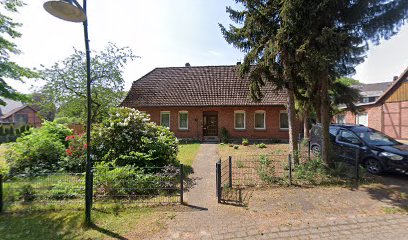
Discover the artistic heart of the city at Craftingstudio, a unique gift shop filled with handmade treasures and creative inspiration.
GenussReich Naturkost und mehr
32.3 km
Discover the heart of Bispingen's organic food scene at GenussReich Naturkost und mehr, where quality meets sustainability in every bite.
Dodt Einzelhandel UG
32.3 km
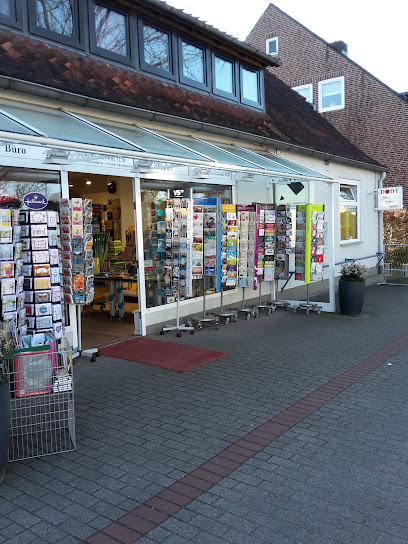
Discover a world of books and stationery at Dodt Einzelhandel UG, a charming gift shop in Bispingen, Germany, perfect for souvenirs and local finds.
Schmucke Witwe
32.5 km
Experience the charm of Bispingen at Schmucke Witwe, a unique gift shop, café, and beer garden offering delightful local flavors and souvenirs.
Kiebitzmarkt Renken
32.5 km
Discover Kiebitzmarkt Renken in Bispingen – your ultimate destination for pet supplies, gardening essentials, and expert advice.
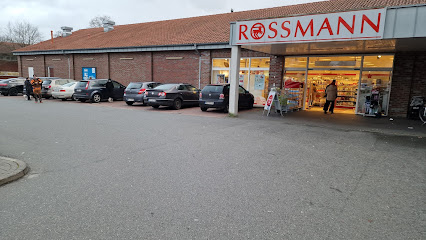
ROSSMANN Drogeriemarkt
32.6 km
Explore Bispingen's ROSS-MANN Drogeriemarkt for a variety of personal care and household essentials at competitive prices.
Essential bars & hidden hideouts

Beekays
0.4 km
Experience the vibrant flavors of Beekays in Lüneburg, where cocktails, pizza, and a warm atmosphere await every visitor.
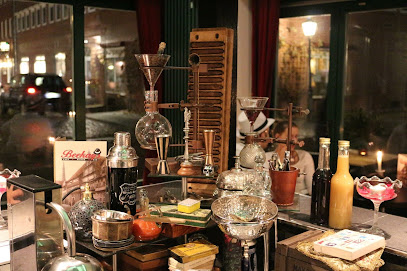
Down Under
0.4 km
Discover the authentic German pub experience at Down Under in Lüneburg, where great food and drinks meet a vibrant atmosphere.
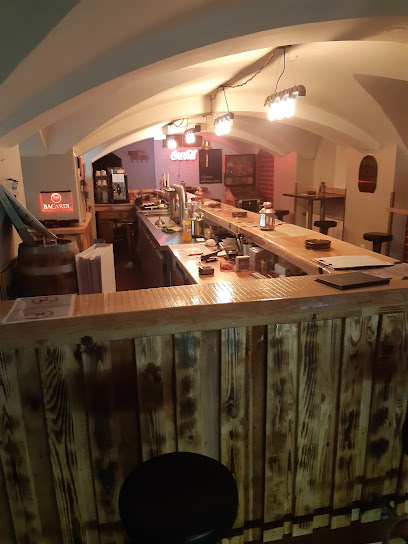
Crown_Bar Lüneburg
0.4 km
Experience the best of nightlife in Lüneburg at Crown Bar, where exquisite cocktails meet premium hookah in a cozy atmosphere.
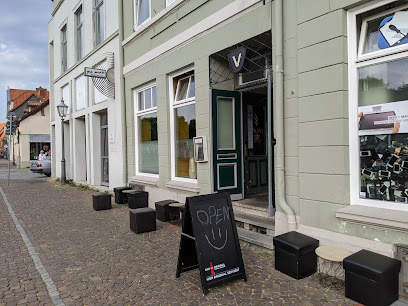
Down in Town Cocktail Lounge and more
0.5 km
Discover the perfect blend of cocktails and hookah in Lüneburg at Down in Town Cocktail Lounge, where vibrant atmosphere meets exceptional drinks.
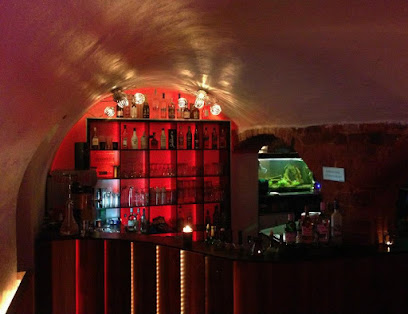
Rock Café kasa
0.6 km
Experience the vibrant atmosphere of Rock Café Kasa, Lüneburg's premier pub for affordable drinks and local culture.
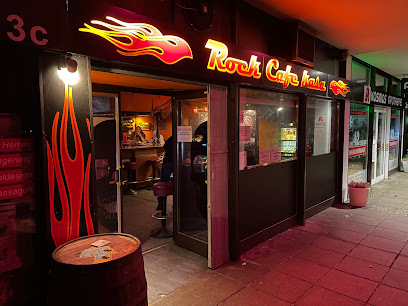
Tír na nÓg
0.6 km
Discover Tír na nÓg, an authentic Irish pub in Lüneburg offering traditional dishes, fine whiskey, and a lively atmosphere for all visitors.
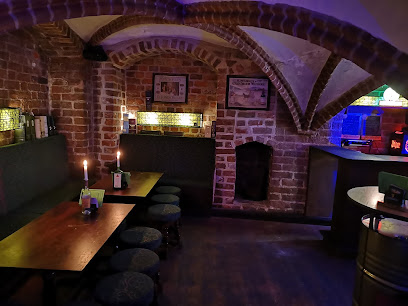
Purple Fox / Kitchen, Bar
0.8 km
Discover Purple Fox in Lüneburg, where innovative cocktails and culinary delights create an unforgettable dining experience.
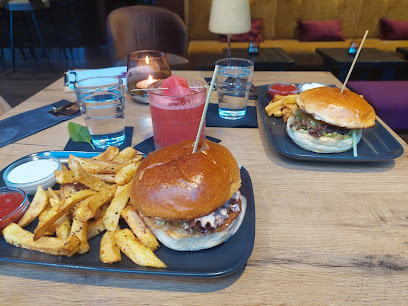
Jekyll & Hyde
0.9 km
Experience the charm of Jekyll & Hyde in Lüneburg, where delicious food meets a vibrant bar atmosphere.
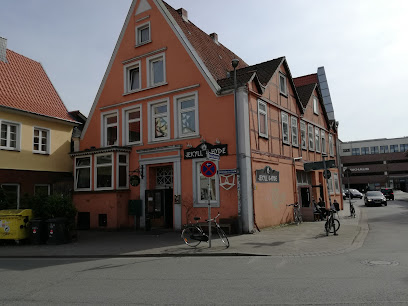
AGRON - Lüneburg
1.0 km
Experience the vibrant atmosphere of AGRON in Lüneburg, offering exceptional drinks, delicious meals, and memorable events in a stylish setting.
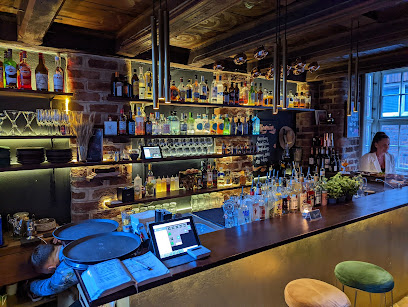
Hausbar
1.0 km
Experience the vibrant nightlife at Hausbar in Lüneburg - a cozy bar serving delightful drinks in a welcoming atmosphere.
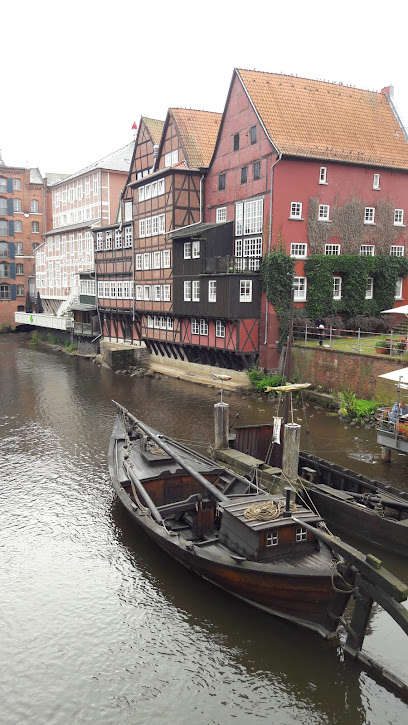
Old Dubliner Irish Pub Lüneburg
1.0 km
Discover the charm of Ireland at Old Dubliner Irish Pub in Lüneburg, where great food, drinks, and atmosphere await every visitor.
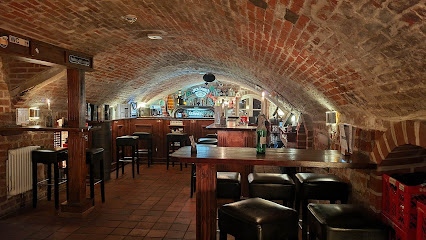
Pesel Musikkneipe
1.0 km
Discover the heart of Lüneburg's nightlife at Pesel Musikkneipe, where music and memories come alive in a vibrant pub atmosphere.
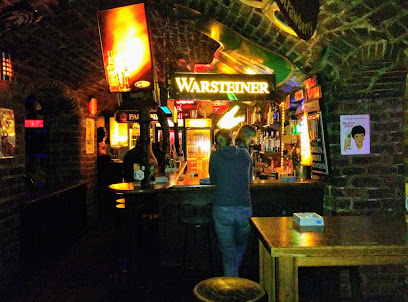
H A V N
1.0 km
Experience the vibrant nightlife at H A V N in Lüneburg, where eclectic drinks meet a lively atmosphere for an unforgettable evening.
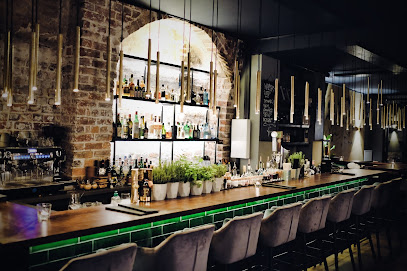
Pons
1.1 km
Experience the vibrant atmosphere and local flavors at Pons, a lively pub in the heart of Lüneburg, perfect for tourists and locals alike.
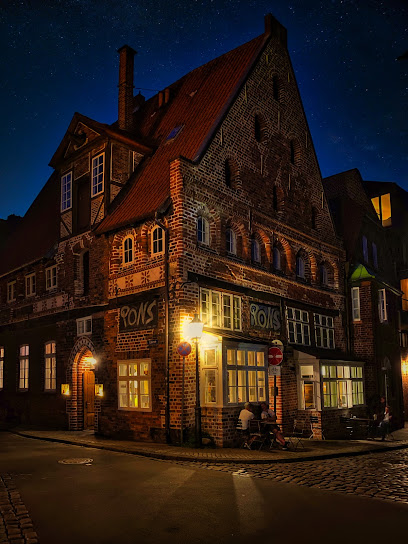
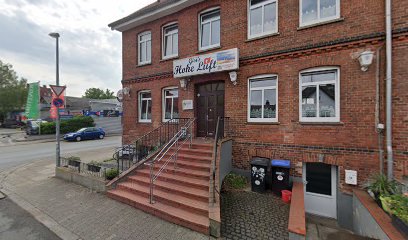
Gisi's Hohe Luft
1.6 km
Discover the cozy atmosphere and local flavors at Gisi's Hohe Luft, a beloved pub in the heart of Lüneburg, perfect for relaxation and socializing.
Nightclubs & after hour spots

Lüneburg Modelle
0.3 km
Experience the vibrant nightlife at Lüneburg Modelle, where unforgettable moments and electrifying music come together in a stunning atmosphere.
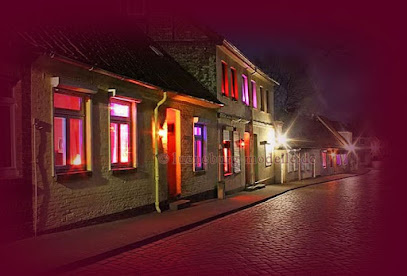
Lost in Eria
0.4 km
Discover the pulse of Lüneburg's nightlife at Lost in Eria, where every night is a celebration of music, dance, and unforgettable memories.

Salon Hansen
0.4 km
Discover the heart of Lüneburg's nightlife at Salon Hansen, where music and fun come together to create unforgettable memories.
Event DJ Lüneburg
4.3 km
Dive into the vibrant nightlife at Event DJ Lüneburg, where great music and unforgettable experiences await you in the heart of Reppenstedt.
Rüdiger Engelhardt Diskothek Welcome II
29.8 km
Discover the exhilarating nightlife at Rüdiger Engelhardt Diskothek Welcome II in Bispingen, where unforgettable moments and vibrant beats await.
Relax Nightclub - Nachtclub - Bordell Hamburg
42.9 km
Experience the vibrant nightlife at Relax Nightclub, Hamburg's premier destination for adult entertainment and unforgettable nights out.
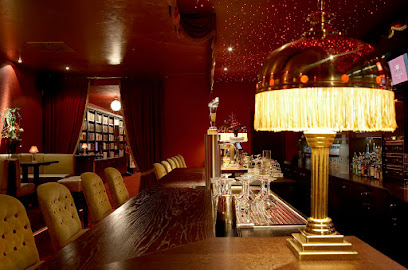
Chilli Club
42.9 km
Experience the vibrant flavors of Asia at Chilli Club, Hamburg's premier destination for sushi and authentic Asian cuisine.
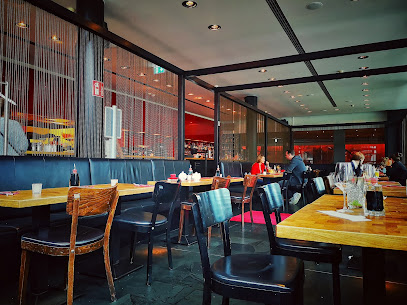
H1 Club & Lounge
43.0 km
Discover the pulse of Hamburg's nightlife at H1 Club & Lounge, a premier disco club offering an exhilarating atmosphere and expertly crafted cocktails.
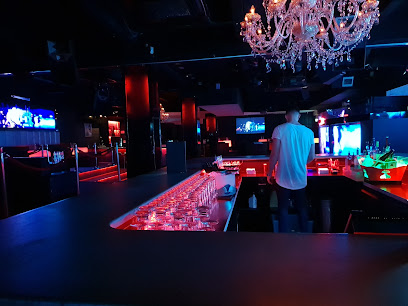
Monkeybar & Club
43.1 km
Unleash your nightlife spirit at Monkeybar & Club, the ultimate disco experience in Schneverdingen, where the music never stops and the fun begins!
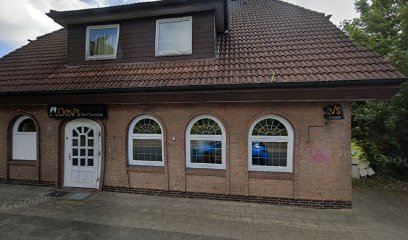
Die Insel Hamburg
43.2 km
Die Insel Hamburg: A premier night club offering an electrifying nightlife experience in the heart of the city, perfect for dancing and socializing.
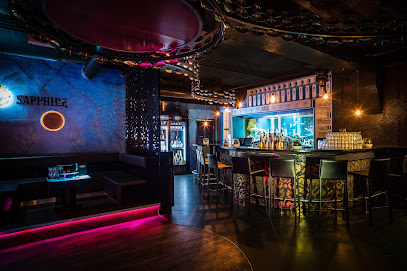
Golden Cut - Hamburg
43.4 km
Experience the electrifying nightlife at Golden Cut, Hamburg's premier night club, where music and energy collide for an unforgettable evening.
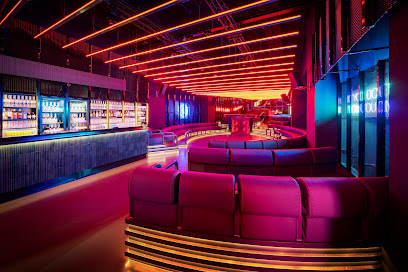
Cotton Club
44.0 km
Discover the soulful sounds of live jazz at the Cotton Club, Hamburg's premier jazz venue for an unforgettable night out.
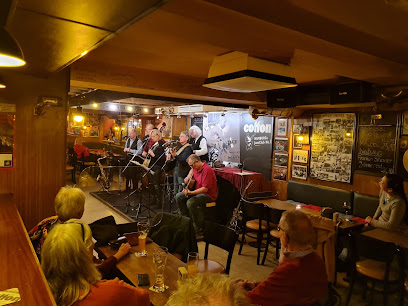
Summer Salon in the clubhouse
44.6 km
Experience the pulsating nightlife of Hamburg at Summer Salon, where live music, cocktails, and a vibrant beer garden await you.
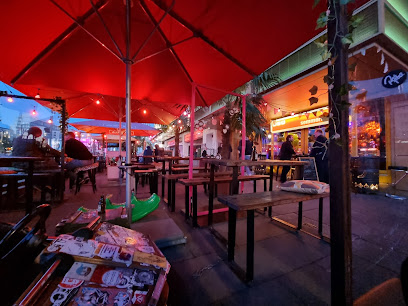
GAGA
44.6 km
Discover the pulsating energy of GAGA, Hamburg's premier night club, where dining meets vibrant nightlife and live music ignites the dance floor.
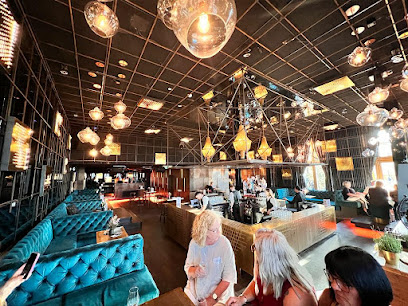
Baalsaal - Hamburg
44.7 km
Experience the heart of Hamburg's nightlife at Baalsaal, a vibrant night club on Reeperbahn with an electric atmosphere and unforgettable parties.