Background

Festonallee: A Walk Through History

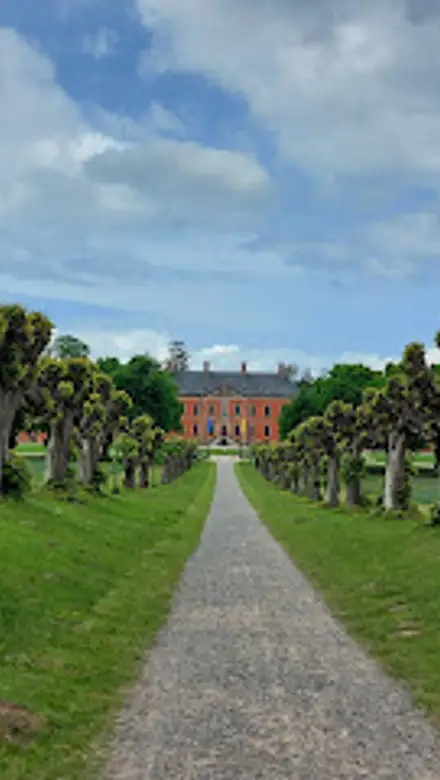
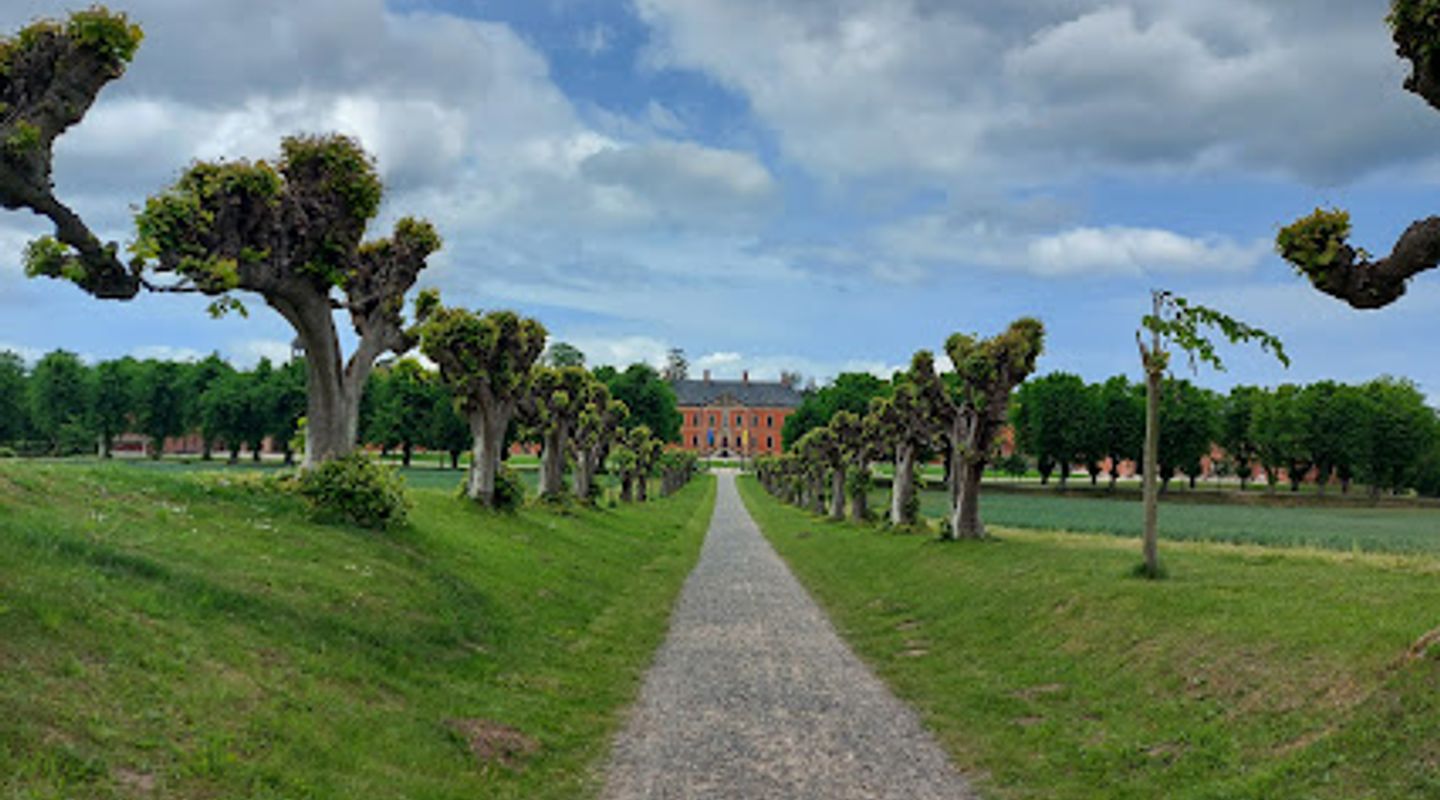
Step back in time along the Festonallee in Klütz, a breathtaking avenue of Dutch linden trees leading to the majestic Schloss Bothmer, offering a serene escape into nature and history.

4.8

The Festonallee in Klütz is a unique and enchanting avenue of Dutch linden trees, planted in the 18th century, that leads to the magnificent Schloss Bothmer. This 270-meter-long pathway, with its meticulously shaped trees forming a green arcade, offers visitors a serene and picturesque experience. Once the main access route for supplies to the castle, it now serves as a stunning approach for tourists, providing a glimpse into the Baroque era. Walking along the Festonallee is like stepping back in time, immersing oneself in the tranquility and beauty of the Mecklenburg countryside. The avenue is particularly captivating in spring when the fresh leaves create a vibrant canopy, but it offers a unique charm throughout the year, making it a must-see destination for nature lovers and history enthusiasts alike. The Festonallee provides a perfect blend of natural beauty and historical significance, making it a memorable experience for all who visit.

A brief summary to Festonallee

  • Unnamed Road, Klütz, 23948, DE

Local tips

  • Visit in the spring to witness the linden trees in full bloom, creating a vibrant green canopy.
  • Take your time strolling along the avenue to fully appreciate the tranquility and beauty of the surroundings.
  • Combine your visit with a tour of Schloss Bothmer to delve deeper into the history of the estate.
  • Bring a camera to capture the picturesque scenery and unique shapes of the linden trees.
  • Wear comfortable shoes for walking, as the avenue is approximately 270 meters long.
widget icon

Getting There

  • Walking

    From the Schloss Bothmer parking area, the Festonallee is a short walk. Follow the signs towards the castle entrance. The avenue begins near the outer edge of the castle grounds and leads directly to the main courtyard. The walk is mostly flat and well-maintained.

  • Public Transport

    From the Klütz bus station, walk approximately 15 minutes to Festonallee. Head west on Im Thurow towards Wismarsche Straße, then turn left onto Wismarsche Straße. Continue onto Schloßstraße, and then turn right onto Am Park. Follow Am Park until you reach the Festonallee entrance on your left, near Schloss Bothmer. There are no additional costs involved.

  • Driving

    When driving, navigate towards Schloss Bothmer. Ample parking is available near the castle. From the parking area, the Festonallee is a short walk. Follow the signs towards the castle entrance. Parking fees typically range from €3-5 for the day.

Unlock the Best of Festonallee

Buy tickets

    No tickets available

Book tours with entry

    No tours available

Book tours without entry

    No tours available

Discover more about Festonallee

Festonallee, located in the charming town of Klütz, Mecklenburg-Vorpommern, is more than just a path; it's a journey through time and nature. This remarkable avenue of Dutch linden trees, known as Konings linden, creates a breathtaking approach to Schloss Bothmer, one of the largest Baroque castles in the region. Planted in the 18th century, the Festonallee served as the primary supply route to the castle from the estate of Hofzumfelde. Today, it offers visitors a unique and unforgettable experience, blending natural beauty with historical significance. The name 'Festonallee' is derived from the French word for garland, reflecting the arched or festooned shape of the meticulously pruned linden trees. These trees, some of which are over 250 years old, form a green tunnel, creating a sense of enclosure and tranquility. As you walk along the 270-meter-long avenue, the trees act as living sculptures, their branches intertwining to form a natural arcade. The play of light and shadow through the leaves adds to the magical atmosphere, making it a photographer's dream and a peaceful retreat for those seeking solace in nature. The history of Festonallee is intertwined with that of Schloss Bothmer and the Bothmer family. Count Hans Caspar von Bothmer, a diplomat who spent considerable time in London, commissioned the construction of the castle in the early 18th century. Inspired by English and Dutch architectural styles, Bothmer sought to create a grand estate that reflected his status and taste. The Festonallee was an integral part of this vision, serving not only as a practical access route but also as a statement of power and elegance. Over the centuries, the Festonallee has witnessed numerous historical events and changes. It has been a silent observer of the rise and fall of empires, the changing fortunes of the Bothmer family, and the transformation of the surrounding landscape. Despite these changes, the avenue has retained its essential character, offering a tangible link to the past. Walking along the Festonallee, visitors can imagine the horse-drawn carriages that once traversed this route, carrying supplies and dignitaries to the castle. They can picture the Bothmer family strolling beneath the trees, enjoying the tranquility of their estate. The avenue is a living testament to the vision and ambition of its creators, offering a glimpse into a bygone era. Today, the Festonallee is carefully maintained by the State of Mecklenburg-Vorpommern, which recognizes its cultural and historical significance. The trees are pruned every three years to maintain their distinctive shape and ensure their long-term health. Efforts are also underway to preserve the genetic heritage of the Konings linden trees, with genetic copies being cultivated to replace any trees that may be lost in the future. Visiting the Festonallee is an experience that appeals to all the senses. The sight of the perfectly shaped trees, the sound of birdsong in the branches, the scent of fresh leaves, and the feel of the gentle breeze on your skin all contribute to a sense of well-being and connection to nature. Whether you are a history buff, a nature lover, or simply seeking a peaceful escape, the Festonallee offers something for everyone. Beyond the Festonallee, Klütz and the surrounding Klützer Winkel offer a wealth of attractions for visitors to explore. Schloss Bothmer itself is a must-see, with its impressive architecture, beautiful gardens, and fascinating museum. The town of Klütz boasts a charming city center with cobblestone streets, renovated half-timbered houses, and a variety of shops, cafes, and restaurants. Other nearby attractions include the Literaturhaus Uwe Johnson, the St. Marienkirche, and the Schmetterlingspark. The Festonallee is particularly enchanting in the spring when the linden trees burst into life with fresh green leaves. The sunlight filtering through the canopy creates a magical atmosphere, and the air is filled with the sweet scent of blossoms. However, the avenue is beautiful throughout the year, with each season offering its unique charm. In the summer, the trees provide welcome shade from the sun, while in the autumn, the leaves turn golden brown, creating a stunning display of color. Even in the winter, the Festonallee has a stark beauty, with the bare branches silhouetted against the sky. To fully appreciate the Festonallee, it is best to take your time and savor the experience. Stroll slowly along the avenue, taking in the sights, sounds, and smells of nature. Pause to admire the intricate shapes of the trees and the play of light and shadow. Imagine the history that has unfolded here over the centuries. And most importantly, allow yourself to be transported to a place of peace and tranquility. The Festonallee is more than just a tourist attraction; it is a living monument to the beauty of nature and the ingenuity of humankind. It is a place where history and nature come together to create an unforgettable experience. A visit to the Festonallee is a journey for the soul, a chance to reconnect with the past, and a reminder of the importance of preserving our natural and cultural heritage.

Popular Experiences near Festonallee

Popular Hotels near Festonallee

Select Currency