

Free Mecklenburg Travel Guide & Mobile App
Explore Mecklenburg with free travel guides. Discover regional history, expert tips, proposed trips, and audio guides on web or mobile app.


Explore Mecklenburg’s Baltic coast, lake country, brick Gothic towns, ducal palaces and nature reserves across northern Germany.
Read more about Mecklenburg
When is the best time to visit Mecklenburg?
Best: June–August · 20–22°C| Month | High (°C) | Rainfall (mm) |
|---|---|---|
| January | 4 | 50 |
| February | 4 | 40 |
| March | 8 | 45 |
| April | 12 | 50 |
| May | 17 | 60 |
| June (best) | 20 | 70 |
| July (best) | 22 | 75 |
| August (best) | 21 | 70 |
| September | 18 | 60 |
| October | 13 | 55 |
| November | 8 | 50 |
| December | 4 | 55 |
Getting to and around Mecklenburg
How to get there
Transportation
Top city travel guides in Mecklenburg
The cities of Mecklenburg, and the easiest places to base yourself.
-

-

-


Swipe for more cities
Destinations in Mecklenburg
Resorts, valleys and scenic spots worth a trip of their own.
-

-

-


Swipe for more destinations
Best attractions in Mecklenburg
Mecklenburg’s attractions range from Baltic beaches and working harbours to palace interiors, timber-framed villages and expansive freshwater landscapes. Schwerin Palace is the region’s most prominent cultural visit, while Wismar offers a concentrated experience of medieval brick Gothic architecture and Hanseatic urban history. Rostock combines maritime heritage with museums, a historic centre and access to the seaside district of Warnemünde, which is within the city and on the Baltic coast. Inland, the Mecklenburg Lake District is suited to canoeing, sailing, cycling and birdwatching, with Müritz National Park providing marked trails through woodland, wetlands and open water habitats. Waren makes a practical base for exploring the lake country, while Güstrow and Ludwigslust offer different expressions of Mecklenburg’s courtly past. Visitors can also seek out village churches, manor houses, gardens and regional museums scattered across the countryside. The region’s appeal lies in combining human-scale historic places with outdoor experiences rather than in a single concentrated chain of major attractions.
-
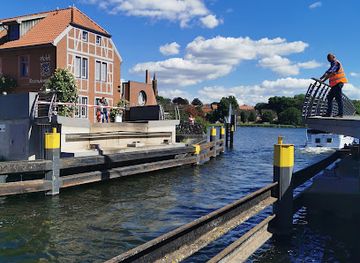
Bridge
Drehbrücke Malchow
Explore the stunning Drehbrücke Malchow, a beautiful drawbridge offering breathtaking views, rich history, and a unique glimpse into local culture.
-
Tourist attraction
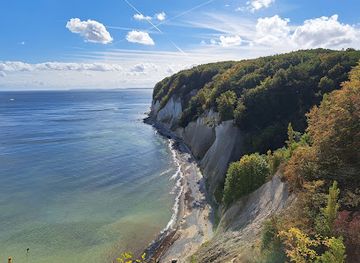
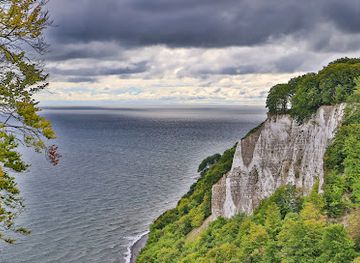
Königsstuhl Kreidefelsen
Discover the stunning Königsstuhl Kreidefelsen, a breathtaking chalk cliff offering panoramic views and unforgettable hiking experiences on Rügen Island.
-
Museum
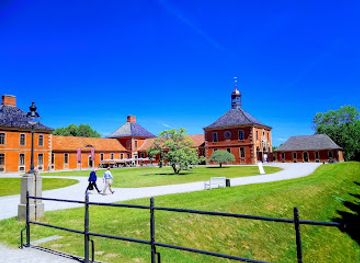
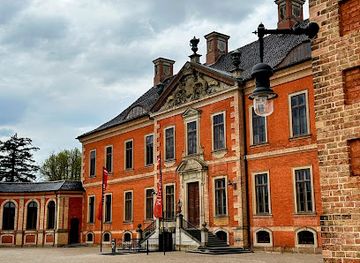
Schloss Bothmer
Explore the captivating beauty and rich history of Schloss Bothmer, a baroque castle in Klütz, Germany, surrounded by stunning gardens and a charming park.
-
Tourist attraction
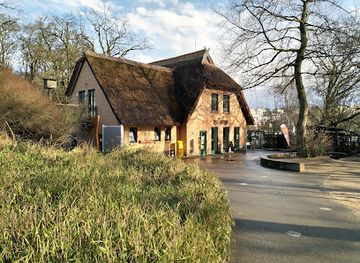
Zoo Schwerin
Discover the enchanting wildlife and lush landscapes at Zoo Schwerin, a top tourist attraction in Schwerin, Germany.
Best landmarks in Mecklenburg
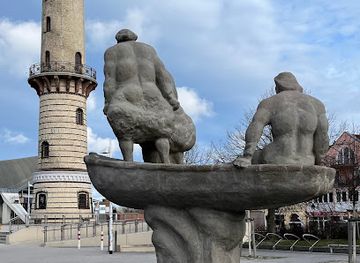
Schwerin Palace is Mecklenburg’s defining landmark, set on an island in Lake Schwerin with towers, domes and ornate façades that express the former grand-ducal court’s ambitions. In Wismar, the brick churches of St Nicholas, St George and St Mary, together with the market square and water tower, form one of the region’s most important medieval urban ensembles. Rostock’s Marienkirche and Kröpeliner Straße reflect the city’s Hanseatic wealth, while the brick lighthouse and broad beach at Warnemünde mark the entrance to the Warnow estuary. Ludwigslust Palace and its planned axis give the inland town a distinctive Baroque identity, contrasting with the more medieval character of Güstrow’s historic centre and cathedral. The countryside is marked by avenues, village churches and manor estates, many built in the region’s characteristic brick tradition. Beyond architecture, Müritz and the interconnected lake landscapes are geographical landmarks in their own right, defining Mecklenburg’s modern image as a water-rich northern region.
-
Castle
Schwerin Castle
Discover Schwerin Castle, the 'Neuschwanstein of the North,' a fairytale palace on an island with opulent interiors, stunning gardens, and centuries of captivating history.
-
Technology museum
Warnemünde lighthouse
Climb the historic Warnemünde Lighthouse for panoramic Baltic Sea views and a glimpse into maritime history, a landmark offering unforgettable coastal experiences.
-
National park
Jasmund National Park
Discover the natural beauty of Jasmund National Park with its majestic cliffs, vibrant forests, and diverse wildlife, perfect for outdoor enthusiasts and nature lovers.
-
Castle
Schloss Bothmer
Discover Schloss Bothmer, Mecklenburg-Vorpommern's largest Baroque palace: a blend of history, architecture, and gardens, reflecting Count Bothmer's London influence and diplomatic legacy.

Explore Mecklenburg on the map
Plan your trip on one map. See where the top cities, national parks and sights are, and book hotels and experiences in a few clicks.
Best hotels in Mecklenburg
Best restaurants in Mecklenburg
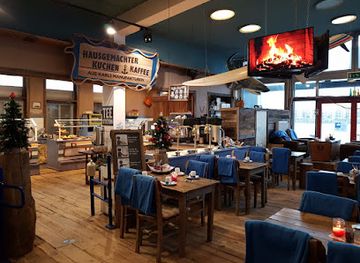
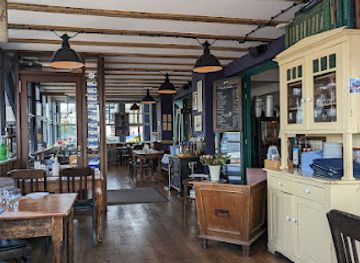
Mecklenburg’s food reflects its Baltic coastline, freshwater lakes and agricultural hinterland. Fish is central, with smoked or freshly prepared pike, perch and other local catches appearing in lakeside restaurants and coastal establishments, while Baltic herring and cod are common along the shore. Potatoes, cabbage, root vegetables, bread and dairy products form the basis of many traditional meals, and hearty pork dishes remain part of northern German regional cooking. Mecklenburg-style dishes include variations of fruit-accented sauces served with savoury food, reflecting an older northern taste for sweet-and-sour contrasts. Town cafés and bakeries are useful for German breads, cakes and seasonal pastries, while rural inns often focus on straightforward regional cooking. Around the lakes and coast, menus may include locally sourced produce, fish sandwiches and seasonal asparagus or berry dishes. Markets and farm shops are good places to find cheese, preserves, honey and smoked products, although the selection varies by town and season.
-
Animal protection organization
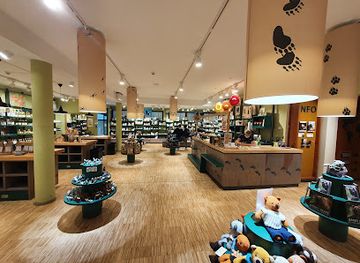
BÄRENWALD Müritz gGmbH
Explore BÄRENWALD Müritz: A Wildlife Refuge Committed to Bear Conservation and Education in Stuer.
-
 Resort hotel
Van der Valk Resort Linstow
Discover adventure and relaxation at Van der Valk Resort Linstow - your family-friendly getaway in Germany's beautiful countryside.
-
Restaurant
Karls PIER7 Warnemünde
Experience coastal dining at Karls PIER7 Warnemünde - savor delicious food with stunning sea views in a charming atmosphere.
-
Seafood
Borwin - Hafenrestaurant
Discover culinary delights at Borwin - Hafenrestaurant in Rostock, where fresh seafood meets stunning waterfront views.
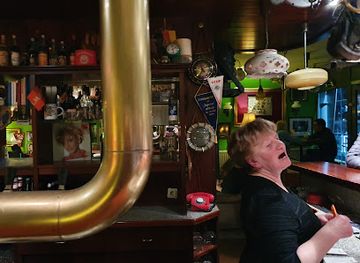
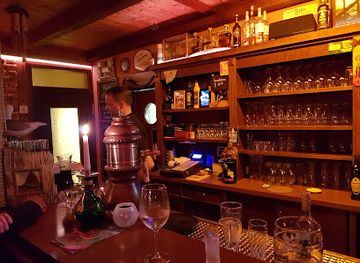
Best bars in Mecklenburg
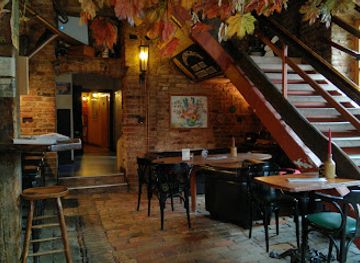
Evenings in Mecklenburg are generally centred on traditional pubs, brewery-style restaurants, wine bars and cafés rather than a large club scene. Rostock has the broadest urban choice, with bars and live-music venues around the historic centre and student areas, while Warnemünde adds seasonal seafront restaurants and relaxed evening drinking. Schwerin offers a quieter selection of pubs, restaurants and cultural venues around the old town and lakefront. In Wismar and Güstrow, historic inns and small bars suit an early evening after sightseeing. The lake district is more oriented towards waterside restaurants, hotel bars and outdoor terraces, with nightlife becoming noticeably quieter outside the main holiday months. Summer resorts can be busier during the day and early evening, but visitors should not expect a continuous party strip. Check local listings for concerts, theatre and seasonal events rather than relying on permanent nightclub programming.
-
Bar
Schnick Schnack - Pub Restaurant Bar
Discover the charm of Schnick Schnack, a lively Irish pub and restaurant in Güstrow, where great food and drinks await you.
-
Cocktail bar
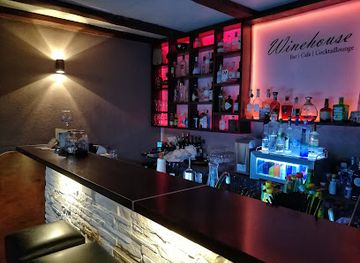
Winehouse Bar | Cafe | Cocktaillounge
Experience the vibrant cocktail culture at Winehouse Bar in Neubrandenburg, where creative drinks and a cozy atmosphere await you.
-
Cocktail bar
Konis 2.0
Experience the vibrant nightlife at Konis 2.0, Neubrandenburg's premier cocktail bar, known for its innovative drinks and lively atmosphere.
-
Pub
- Die kleine Kneipe -
Discover the charm of Die kleine Kneipe in Prerow - a welcoming pub offering delicious German cuisine and local brews in a cozy atmosphere.
Best nightclubs in Mecklenburg
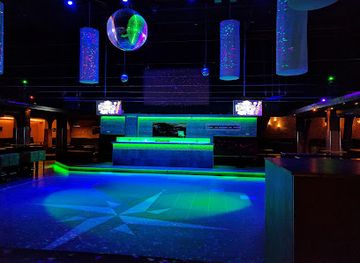
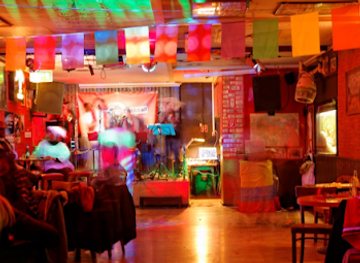
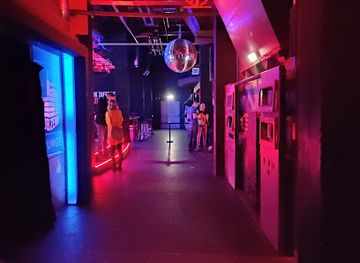
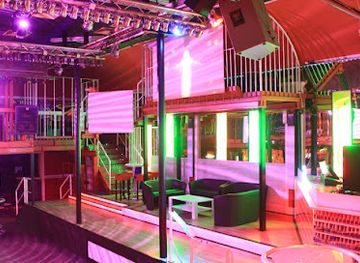
Evenings in Mecklenburg are generally centred on traditional pubs, brewery-style restaurants, wine bars and cafés rather than a large club scene. Rostock has the broadest urban choice, with bars and live-music venues around the historic centre and student areas, while Warnemünde adds seasonal seafront restaurants and relaxed evening drinking. Schwerin offers a quieter selection of pubs, restaurants and cultural venues around the old town and lakefront. In Wismar and Güstrow, historic inns and small bars suit an early evening after sightseeing. The lake district is more oriented towards waterside restaurants, hotel bars and outdoor terraces, with nightlife becoming noticeably quieter outside the main holiday months. Summer resorts can be busier during the day and early evening, but visitors should not expect a continuous party strip. Check local listings for concerts, theatre and seasonal events rather than relying on permanent nightclub programming.
-
Night club
LT Sportpalast GmbH
Dive into the vibrant nightlife at LT Sportpalast GmbH, Rostock's top night club for unforgettable nights and socializing.
-
Night club
Kulturkombinat Bunker - VEB GmbH Rostock
Discover the electric ambiance and diverse cultural events at Kulturkombinat Bunker, Rostock's premier nightlife destination.
-
Night club
Club Zenit Schwerin
Discover Club Zenit Schwerin: Your gateway to an unforgettable night filled with music, dance, and vibrant local culture in Germany.
-
Disco club
Diskothek Erlebniswelt
Dance the night away at Diskothek Erlebniswelt, Neukalen's premier disco club with vibrant music, affordable fun, and an electrifying atmosphere.
Best shops in Mecklenburg
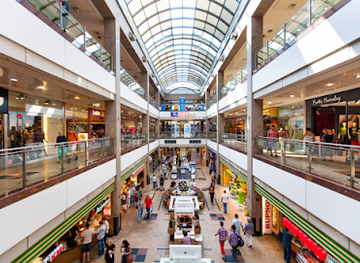
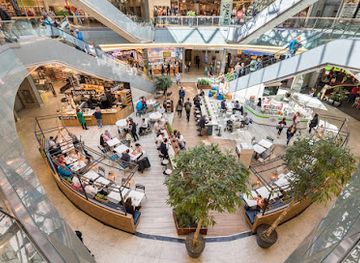
Shopping in Mecklenburg is strongest in historic town centres, where independent bookshops, galleries, craft retailers, bakeries and food shops occupy traditional streets. Schwerin and Rostock provide the broadest choice of mainstream retail, while Wismar and Güstrow are better suited to browsing smaller stores, antiques and locally made decorative goods. Baltic resorts such as Warnemünde have seasonal shops selling maritime souvenirs, clothing and beach items, though these are most active during the warmer months. Around the lake district, look for farm shops and market stalls offering honey, preserves, smoked fish, dairy products and other regional foods. Ceramics, textiles, woodwork and artwork make more considered souvenirs than generic resort merchandise, but quality and availability vary between towns. Weekly markets are useful for seasonal fruit, vegetables, flowers and prepared foods; check local town information because market days differ. Rural shopping generally closes earlier and offers fewer Sunday options than large urban centres.
-
Shopping mall
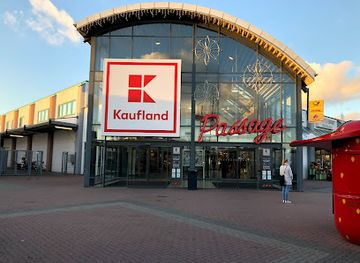
Schlosspark-Center
Explore the bustling Schlosspark-Center in Schwerin, a top shopping mall offering diverse retail, dining, and entertainment options for tourists.
-
Shopping mall
Kröpeliner Tor Center Rostock
Explore the Kröpeliner Tor Center in Rostock for an unbeatable shopping experience, featuring top brands, local boutiques, and delicious dining options.
-
Shopping mall
Hanse Center
Explore the Hanse Center, Bentwisch's premier shopping mall, where fashion, dining, and entertainment meet in a vibrant atmosphere.
-
Shopping mall
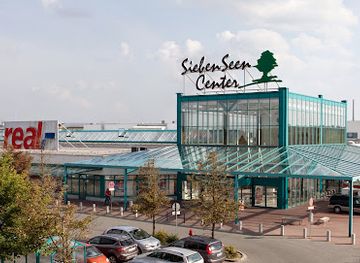
Sieben Seen Center
Explore the Sieben Seen Center in Schwerin for a unique shopping experience, dining, and family-friendly entertainment in a modern setting.
Get your free copy of our complete guide to Mecklenburg, delivered straight to you.
Everything on this page, from attractions and restaurants to essentials and local phrases, in one PDF you can read offline, print or share.
Already have an account? Sign in
Your Mecklenburg guide is ready.
We'll send it to · Not you? Sign out

Getting your guide ready…
We are putting together a fresh copy of the Mecklenburg guide. This can take up to a minute.
This can take a few moments. If your browser asks, choose Allow so the download can start. You'll find the guide in your Downloads folder.
Nothing happened? Download it again
Sorry, the guide is taking longer than usual. Please try again in a minute, or get it by email instead.
Mecklenburg essentials
Currency and Payment
Safety
Emergency Situations
Do's and Don'ts
Local Tips
From Eve
Local phrases worth knowing
You don't need to get them perfect. A few words go a long way, and locals appreciate the effort.
Basics
| English | Local | Say it |
|---|---|---|
| Hello | Hallo | [Hah-loh] |
| Goodbye | Auf Wiedersehen | [Owf Veed-er-zay-en] |
| Yes | Ja | [Yah] |
| No | Nein | [Nyn] |
| Please/You're welcome | Bitte | [Bit-teh] |
| Thank you | Danke | [Dahn-keh] |
| Excuse me/Sorry | Entschuldigung | [Ent-shool-di-goong] |
| How are you? | Wie geht's? | [Vee gates?] |
| Fine. And you? | Gut. Und dir? | [Gooot. Oond deer?] |
| Do you speak English? | Sprechen Sie Englisch? | [Shpre-chen Zee Eng-lish?] |
| I don't understand | Ich verstehe nicht | [Ish fer-shteh-eh niht] |
Eating & Drinking
| English | Local | Say it |
|---|---|---|
| I'd like to see the menu, please | Ich möchte die Speisekarte sehen, bitte | [Ish merh-teh dee Shpie-ze-kar-teh zay-en, bit-teh] |
| I don't eat meat | Ich esse kein Fleisch | [Ish ess-eh kynn Flysh] |
| Cheers! | Prost! | [Prohst!] |
| I would like to pay, please | Ich möchte bezahlen, bitte | [Ish merh-teh beh-tsah-len, bit-teh] |
Emergencies
| English | Local | Say it |
|---|---|---|
| Help! | Hilfe! | [Hil-feh!] |
| Go away! | Geh weg! | [Gay vek!] |
| Call the Police! | Rufen Sie die Polizei! | [Roo-fen Zee dee Pohl-it-sigh!] |
| Call a doctor! | Rufen Sie einen Arzt! | [Roo-fen Zee eye-nen Artzt!] |
| I'm lost | Ich habe mich verirrt | [Ish hah-beh mikh fer-eert] |
| I'm ill | Ich bin krank | [Ish bin krank] |
Shopping
| English | Local | Say it |
|---|---|---|
| I'd like to buy... | Ich möchte kaufen... | [Ish merh-teh kaugh-fen...] |
| I'm just looking | Ich schaue nur | [Ish shau-eh noor] |
| How much is it? | Wie viel kostet es? | [Vee feel kost-et es?] |
| That's too expensive | Das ist zu teuer | [Das ist tsoo toy-er] |
| Can you lower the price? | Könnten Sie den Preis senken? | [Kern-ten Zee den Pryce sen-ken?] |
Time & Numbers
| English | Local | Say it |
|---|---|---|
| What time is it? | Wie spät ist es? | [Vee shpate ist es?] |
| It's one o'clock | Es ist ein Uhr | [Es ist ine Oor] |
| Half past (10) | Halb (10) | [Halb (zehn)] |
| Morning | Morgen | [Mor-gen] |
| Afternoon | Nachmittag | [Nach-mit-tahg] |
| Evening | Abend | [Ah-bent] |
| Yesterday | Gestern | [Geh-stern] |
| Today | Heute | [Hoy-teh] |
| Tomorrow | Morgen | [Mor-gen] |
| 1 | Eins | [Eyns] |
| 2 | Zwei | [Zvy] |
| 3 | Drei | [Dry] |
| 4 | Vier | [Feer] |
| 5 | Fünf | [Foonf] |
| 6 | Sechs | [Zex] |
| 7 | Sieben | [Zee-ben] |
| 8 | Acht | [Acht] |
| 9 | Neun | [Noyn] |
| 10 | Zehn | [Zayn] |
Transport & Directions
| English | Local | Say it |
|---|---|---|
| Where's a/the...? | Wo ist ein/das...? | [Vo ist ine/das...?] |
| What's the address? | Wie ist die Adresse? | [Vee ist dee Ah-dres-seh?] |
| Can you show me (on the map)? | Könnten Sie mir (auf der Karte) zeigen? | [Kern-ten Zee meer (owf der Kar-teh) tsigh-en?] |
| When's the next (bus)? | Wann kommt der nächste (Bus)? | [Vahn komt der nay-shte (Boos)?] |
| A ticket (to ....) | Ein Ticket (nach ....) | [Ine Tick-et (nahkh ....)] |
History of Mecklenburg
Slavic Settlement and the Obotrite Legacy
Before German eastward expansion, much of Mecklenburg was inhabited by West Slavic peoples, including the Obotrites. Their settlements and religious centres influenced the region’s early political geography, while place names and archaeological remains preserve traces of this period. The name Mecklenburg derives from Mikelenburg, or ‘great castle’, associated with a stronghold near the present village of Dorf Mecklenburg. From the twelfth century, German colonisation, Christianisation and the foundation of towns transformed the region, but Slavic heritage remained embedded in local settlement patterns and names.
The Medieval Principalities and Hanseatic Trade
Medieval Mecklenburg developed through a network of princely territories, market towns, monasteries and Baltic ports. Wismar and Rostock joined the Hanseatic trading world, linking the region with Scandinavia, the Low Countries and other northern European markets. Their prosperity rested on shipping, grain, herring, craft production and regional trade. Brick Gothic churches, town halls, warehouses and defensive remains still express this period. Inland centres such as Güstrow grew as seats of local rulers and commercial communities, while monasteries helped organise agriculture and religious life.
The Mecklenburg Duchies and Dynastic Division
Mecklenburg was ruled by a long-lived dynasty whose territories were repeatedly divided and reunited among different branches. The duchies of Mecklenburg-Schwerin and Mecklenburg-Strelitz emerged as the most important later divisions, each with its own court and administrative centre. Dynastic politics shaped the construction of residences, gardens and planned urban spaces. Schwerin became the principal court city of the larger western duchy, while Neustrelitz was created as a new residence for Mecklenburg-Strelitz in the eighteenth century. This divided history explains the region’s concentration of palaces and courtly landscapes.
Baroque Courts and the Growth of Schwerin
From the seventeenth and eighteenth centuries, Mecklenburg’s ruling houses remodelled their residences and towns according to Baroque ideals. Ludwigslust became an especially ambitious court project under Duke Friedrich, with a palace, formal avenues and carefully planned surroundings. Schwerin also expanded as a seat of government and culture, while Güstrow retained an important dynastic and ecclesiastical legacy. Court building brought architects, artists and craftsmen to the region, leaving an architectural tradition that remains visible in palace interiors, gardens, churches and civic streets.
The Nineteenth-Century Maritime and Railway Transformation
During the nineteenth century, improved roads, railways and steam navigation connected Mecklenburg’s inland towns more closely with Berlin, Hamburg and the Baltic coast. Rostock developed as a major port and shipbuilding centre, while seaside tourism began to grow in resorts such as Warnemünde and Kühlungsborn. Agricultural estates remained economically important, but trade, manufacturing and transport created new urban opportunities. The period also brought architectural revival styles, including the brick Gothic forms that became prominent in civic buildings and coastal resorts.
War, Division and the Formation of Mecklenburg-Vorpommern
The twentieth century brought profound disruption. The Second World War, the arrival of refugees, land reform and the creation of the German Democratic Republic altered ownership, settlement and economic life across Mecklenburg. In 1952, the region was divided into new East German administrative districts, weakening the old territorial name. After German reunification, Mecklenburg and Vorpommern were combined in the federal state of Mecklenburg-Vorpommern. Industrial activity, agriculture and port economies were restructured, while historic towns, palaces and natural landscapes increasingly became central to cultural tourism and conservation.
Mecklenburg in Photos
Browse through our photo collection highlighting the charm and character of the destination.
Neighbouring regions of Mecklenburg
The closest regions to Mecklenburg, if you have time for more than one.
-

-

-

-

-


Swipe for more regions
Explore more

Explore more of Germany
Experience Germany: where history meets innovation, and urban energy blends with natural beauty. Discover diverse cultures, delicious cuisine, and stunning landscapes.
Explore Germany