Grenzstein Mecklenburg-Vorpommern: A Historical Marker
Discover the historical Grenzstein Mecklenburg-Vorpommern in Ahrenshoop, a unique landmark marking the past division of regions amidst the stunning beauty of the Baltic coast and artistic charm.
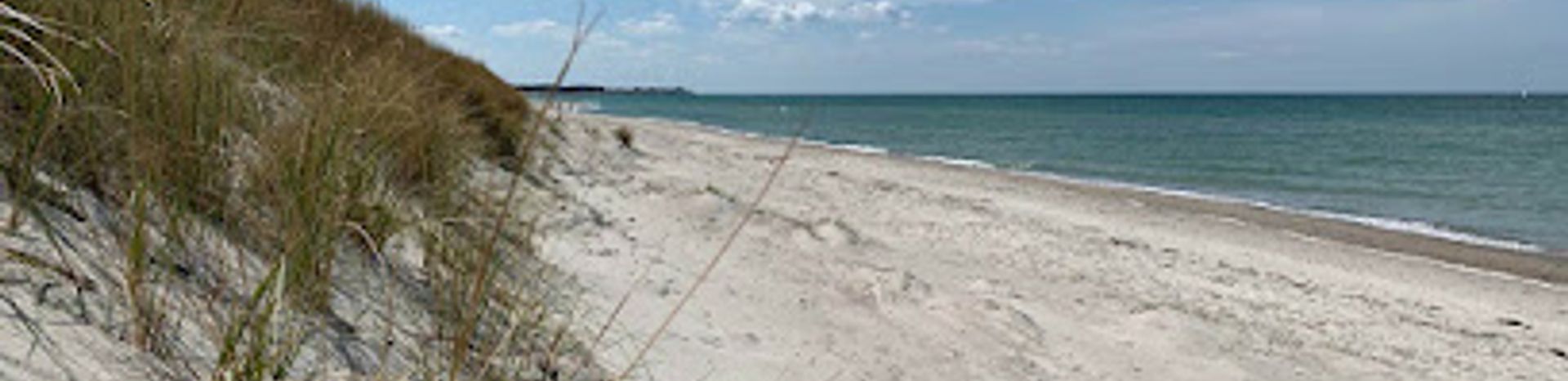
The Grenzstein Mecklenburg-Vorpommern, located in the charming coastal town of Ahrenshoop, marks the historical boundary between the regions of Mecklenburg and Vorpommern. This unassuming yet significant landmark offers a glimpse into Germany's past, representing the shifting territorial lines that have shaped the nation. Situated near the scenic Grenzweg, the boundary stone is easily accessible and provides a unique photo opportunity for history enthusiasts and casual tourists alike. The area surrounding the Grenzstein is characterized by its natural beauty, with the Baltic Sea coastline and the tranquil landscape of the Fischland-Darß-Zingst peninsula providing a stunning backdrop. A visit to the Grenzstein Mecklenburg-Vorpommern is a chance to reflect on the region's history while enjoying the serene atmosphere of the German Baltic coast. It's a simple yet rewarding stop for those exploring the area.
A brief summary to Grenzstein Mecklenburg-Pommern
- Grenzweg 6-8, Ahrenshoop, 18347, DE
Local tips
- Combine your visit with a walk along the Grenzweg for scenic views of the Baltic Sea.
- Visit the local art galleries in Ahrenshoop to experience the town's artistic heritage.
- Try the fresh seafood at a local restaurant for a taste of the region.

Getting There
-
Walking
From the center of Ahrenshoop, the Grenzstein is easily accessible by foot. Head north along the main road (Dorfstraße), then turn left onto Grenzweg. The Grenzstein is located a short walk down Grenzweg, marked by a small sign. The walk is approximately 15-20 minutes and offers pleasant views of the town and surrounding landscape.
-
Public Transport
If arriving by bus, the closest bus stop is 'Ahrenshoop, Mitte'. From there, walk north along Dorfstraße, then turn left onto Grenzweg. The Grenzstein is a short walk down Grenzweg. A single bus fare within Ahrenshoop costs approximately €2.50.
-
Taxi/Ride-Share
A taxi or ride-share from anywhere in Ahrenshoop to the Grenzstein will cost approximately €10-€15. The journey is short and convenient, especially if you have limited mobility or are carrying luggage.
Discover more about Grenzstein Mecklenburg-Pommern
Iconic landmarks you can’t miss

Warnemünde lighthouse
30.7 km
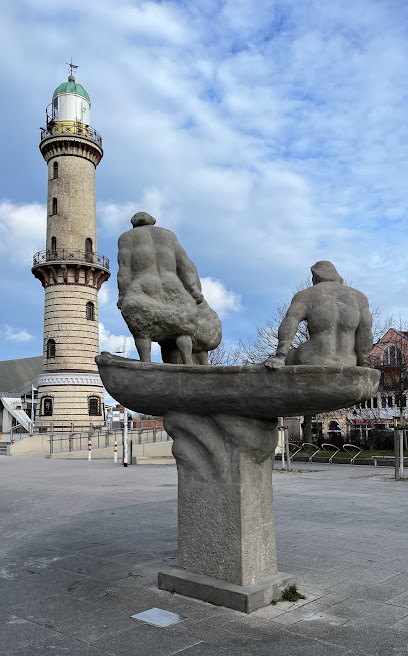
Discover the stunning Warnemünde Lighthouse, a historical gem on the Baltic coast offering breathtaking views and maritime history.
Warnemünde Church
31.1 km
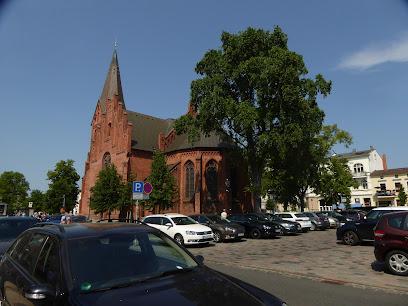
Discover the historical beauty and serene atmosphere of Warnemünde Church, a must-visit landmark in Rostock's charming seaside district.
Stoltera Nature Reserve
33.9 km
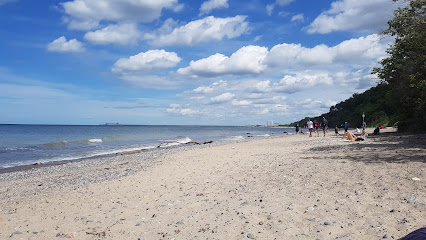
Explore Stoltera Nature Reserve, a tranquil wildlife refuge in Rostock, where stunning landscapes meet rich biodiversity for nature lovers.
Völkerschlachtdenkmal
34.2 km
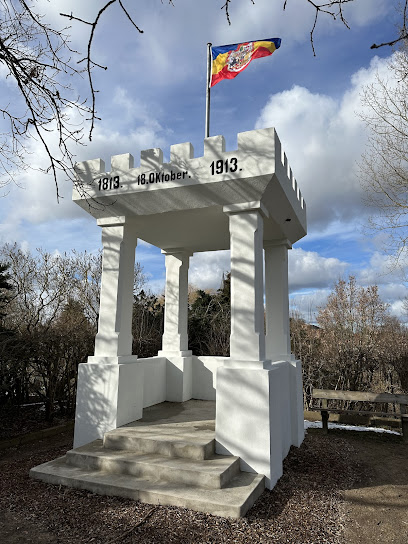
Discover a poignant memorial in Bad Sülze commemorating the Battle of the Nations, offering a unique perspective on this pivotal historical event and local heritage.
Schloss Hohendorf
36.4 km
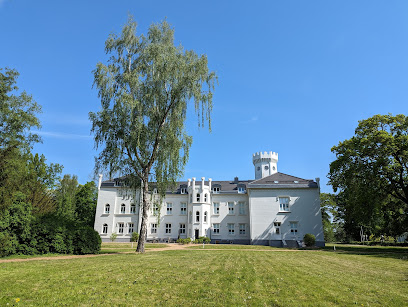
Discover the timeless beauty and rich history of Schloss Hohendorf, a captivating castle in Groß Mohrdorf perfect for romantic getaways and cultural explorations.
Sankt-Petri-Kirche
36.5 km
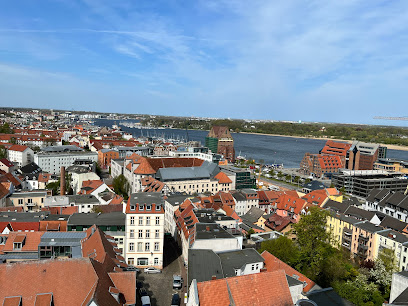
Explore the stunning Sankt-Petri-Kirche, a historical jewel in Rostock offering breathtaking views and exquisite Gothic architecture.
Alter Markt
36.5 km
Explore Alter Markt in Rostock, a historic square filled with architectural gems, local cuisine, and vibrant cultural events that bring the city's rich heritage to life.
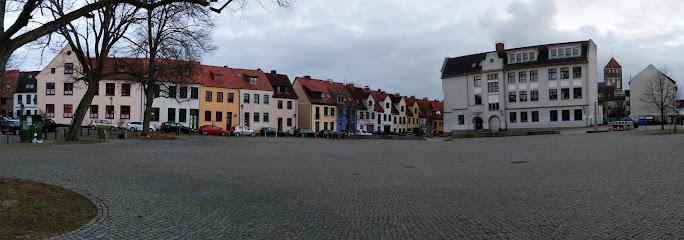
Mönchentor
36.5 km
Discover the rich history and stunning architecture of Mönchentor, a significant landmark in Rostock that tells the story of the city's past.
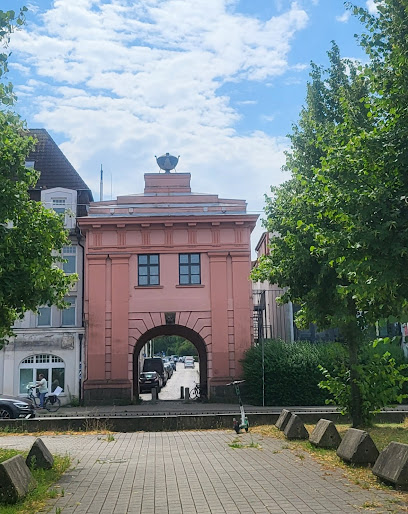
Die beiden Krane
36.8 km
Explore the Twin Cranes of Rostock, a historic maritime landmark symbolizing the city's rich nautical heritage and stunning harbor views.
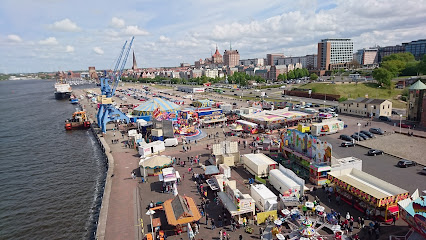
Rostock Bronze
36.9 km
Explore the stunning artistry of Rostock Bronze, a captivating tourist attraction showcasing historical bronze sculptures in the heart of Rostock, Germany.
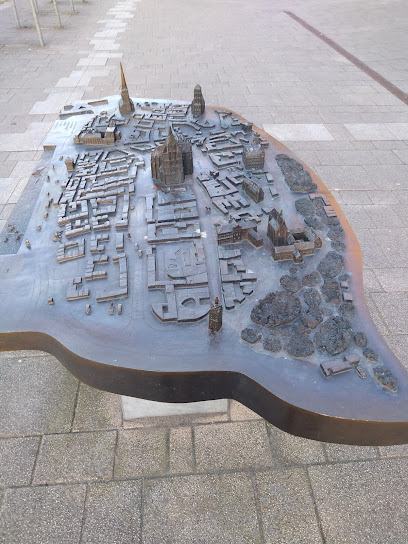
Neuer Markt
36.9 km
Discover the charm of Neuer Markt in Rostock, a historical landmark that captures the essence of the city's vibrant culture and architectural beauty.
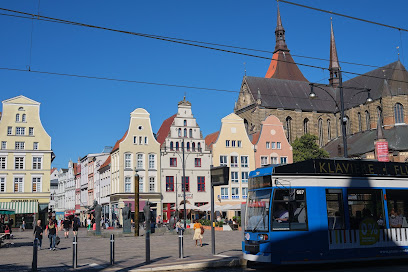
Das Kuhtor
37.0 km
Explore the enchanting Das Kuhtor, a historical landmark in Rostock, embodying the city's rich heritage and architectural beauty.
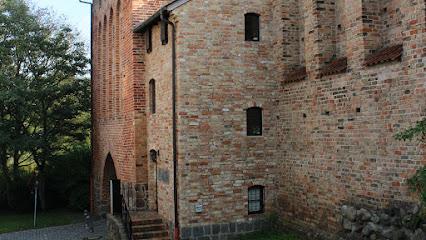
Rostock City Wall
37.0 km
Explore the Rostock City Wall, a historical landmark that embodies the rich heritage and charm of medieval architecture in the heart of Rostock.
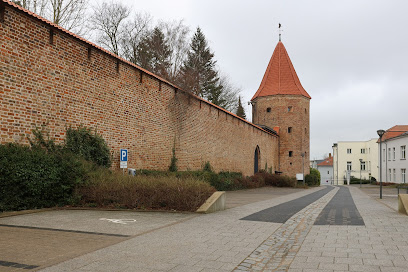
Rostock Altstadt
37.1 km
Explore the historical charm of Rostock Altstadt, where medieval architecture meets vibrant culture and local delights.
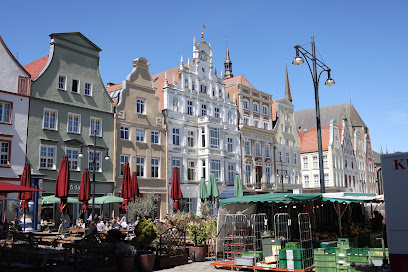
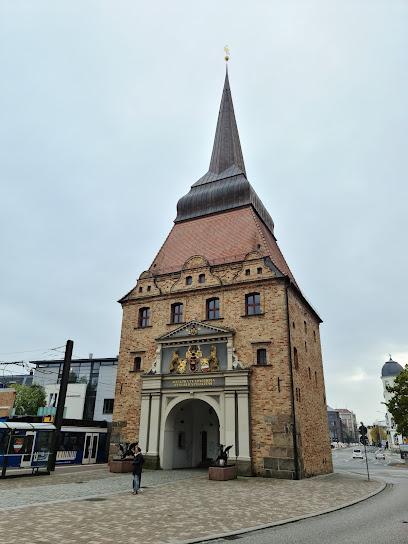
Steintor
37.1 km
Explore Steintor, a striking historical landmark in Rostock, showcasing medieval architecture and vibrant local culture in the heart of the Altstadt.
Unmissable attractions to see

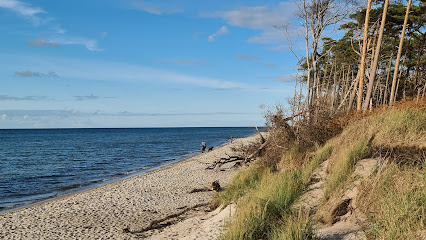
Vorpommersche Bodenlandschaft National Park
7.4 km
Explore the natural wonders of Vorpommersche Bodenlandschaft National Park, where scenic trails and diverse wildlife await every visitor.
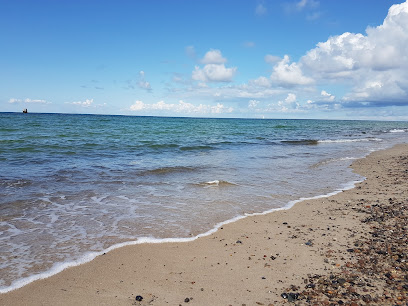
Darßer Ort Natureum
11.9 km
Discover the enchanting marine life and coastal ecosystems at Darßer Ort Natureum in Born auf dem Darß, a perfect blend of aquarium and museum.
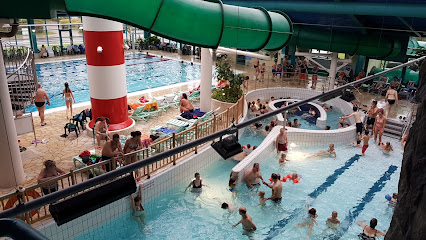
Bodden-Therme
14.8 km
Experience the ultimate water adventure at Bodden-Therme, a family-friendly water park in Ribnitz-Damgarten, perfect for fun and relaxation.
Rostock Heath
21.5 km
Explore Rostock Heath, a breathtaking national forest near Rostock, Germany, offering scenic trails and abundant wildlife for an unforgettable outdoor experience.
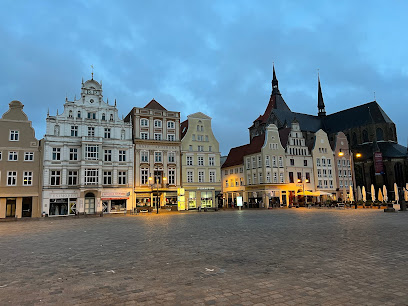
Königseichen
24.6 km
Experience the tranquility and natural beauty of Königseichen, a serene tourist attraction in Schlemmin, Germany.
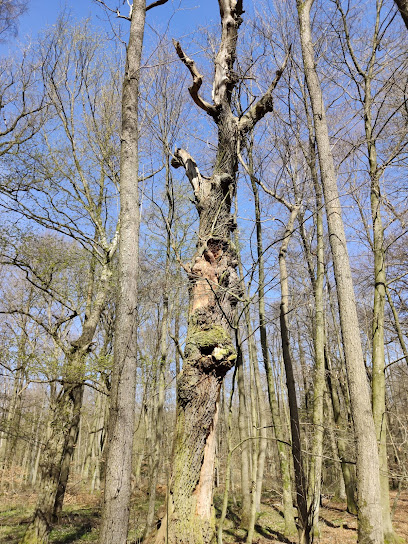
Beckerstein
24.9 km
Explore Beckerstein in Rostock, a historical landmark that showcases the rich heritage and architectural beauty of the region.
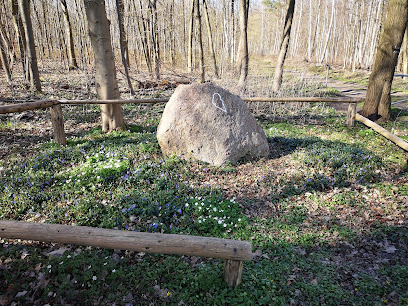
Marina High Dune
30.0 km
Experience luxury and maritime adventure at Marina High Dune in Rostock, Germany – a premier yachting destination on the Baltic Sea.
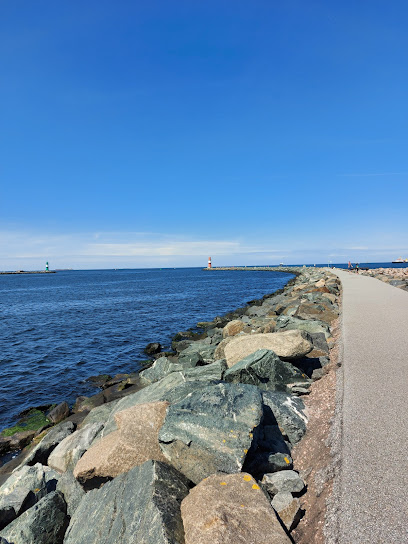
Hafenrundfahrt Warnemünde Rostock
30.2 km
Explore the breathtaking coastal beauty of Rostock on a scenic boat tour at Hafenrundfahrt Warnemünde, where culture and nature meet.
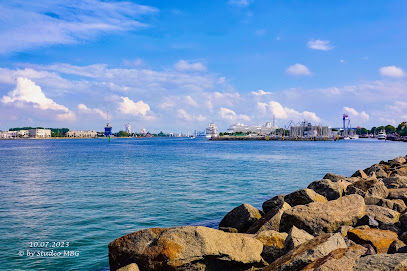
Kurhaus Warnemünde
30.8 km
Discover the elegance and cultural vibrancy of Kurhaus Warnemünde, a historic venue along the picturesque Baltic Sea coast in Rostock, Germany.
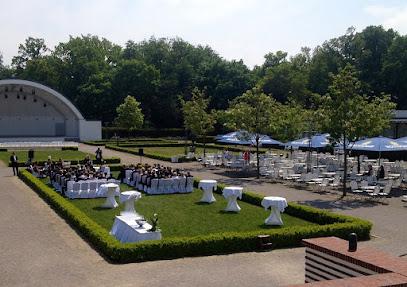
Warnemünde Cruise Center
30.8 km
Experience the vibrant maritime charm of Warnemünde Cruise Center in Rostock, where stunning views and local culture await every traveler.
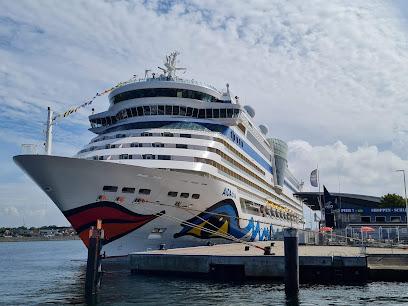
Bahnhofsbrücke
30.9 km
Explore the beauty of Bahnhofsbrücke in Rostock, a stunning bridge that connects history and modernity with breathtaking views and vibrant surroundings.
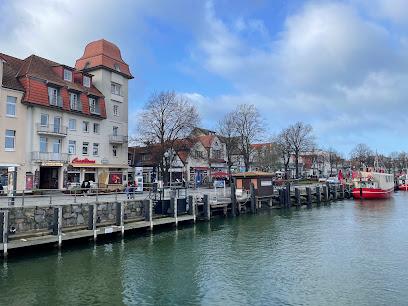
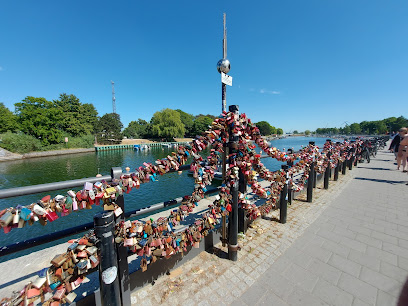
Liebesschlösser
30.9 km
Discover the magic of Liebesschlösser in Rostock, where love is celebrated with stunning views and countless locks symbolizing eternal affection.
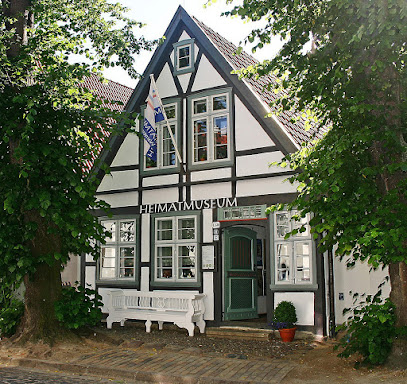
Heimatmuseum Warnemünde
31.0 km
Discover the rich cultural heritage of Warnemünde at Heimatmuseum, where history comes alive through unique exhibits and local stories.
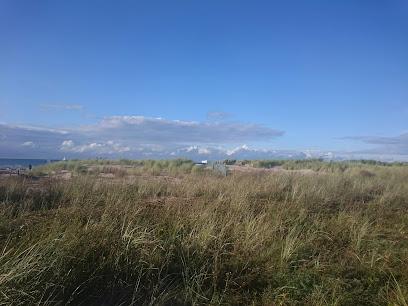
Seepromenade
31.1 km
Experience the beauty and tranquility of Seepromenade in Rostock, where stunning waterfront views and local charm await every visitor.
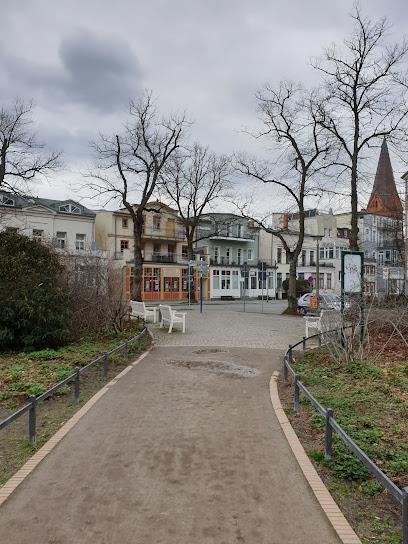
Spielplatz im Kurpark Warnemünde
31.1 km
Discover fun and adventure at Spielplatz im Kurpark Warnemünde, a family-friendly playground in Rostock surrounded by nature's beauty.
Essential places to dine

Der Butt
30.2 km
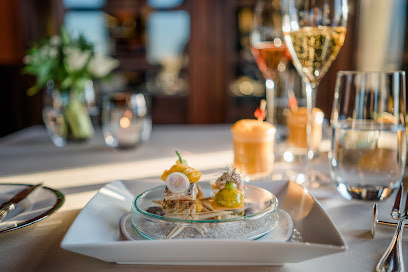
Experience exquisite fine dining at Der Butt in Rostock—where gourmet seafood meets elegant ambiance for an unforgettable meal.
Karls PIER7 Warnemünde
30.8 km
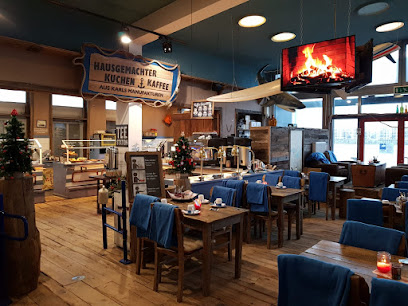
Experience coastal dining at Karls PIER7 Warnemünde - savor delicious food with stunning sea views in a charming atmosphere.
Zuii's Restaurant Warnemünde
30.8 km
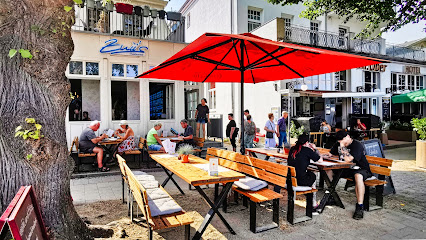
Experience the perfect blend of flavors at Zuii's Restaurant in Warnemünde, where fusion cuisine meets vegetarian delights in a stunning seaside setting.
Restaurant Am Strom
30.9 km
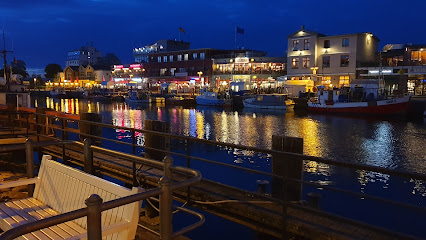
Experience exquisite European dining at Restaurant Am Strom in Rostock—where fresh seafood meets charming waterfront views.
Restaurant Seekiste zur Krim
31.0 km
Discover the best seafood at Seekiste zur Krim in Rostock, where every dish captures the essence of coastal dining.
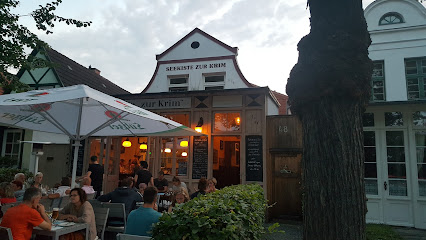
Restaurant „Zum Stromer“ Warnemünde
31.1 km
Savor fresh seafood delights at Restaurant „Zum Stromer“, where culinary excellence meets stunning waterfront views in Warnemünde.
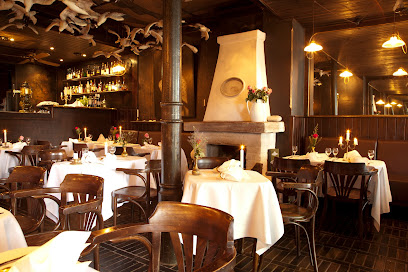
Restaurant Carls
31.2 km
Experience the essence of German and Mediterranean cuisine at Restaurant Carls – where every dish tells a story.
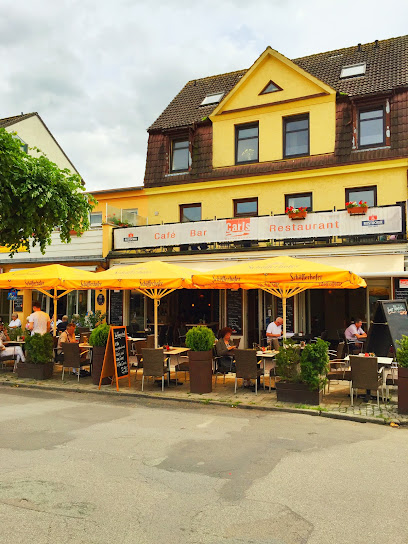
Grillstube BROILER
31.2 km
Experience the best grilled flavors at Grillstube BROILER in Rostock – where every meal is a celebration of taste!
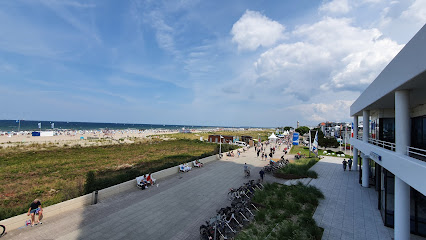
Ringhotel Warnemünder Hof
33.4 km
Discover comfort and culinary excellence at Ringhotel Warnemünder Hof in Rostock - your perfect getaway destination.
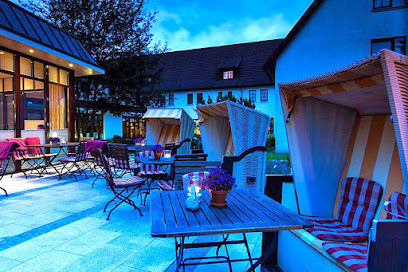
Ristorante Colosseo - Rostock
36.3 km
Experience authentic Italian flavors at Ristorante Colosseo in Rostock – where every dish tells a story of culinary tradition.
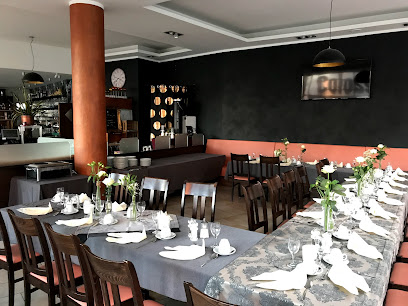
ALPORTO ROSTOCK
36.3 km
Discover Alporto Rostock: A premier Italian restaurant offering delicious cuisine and stunning waterfront views in the heart of Rostock.
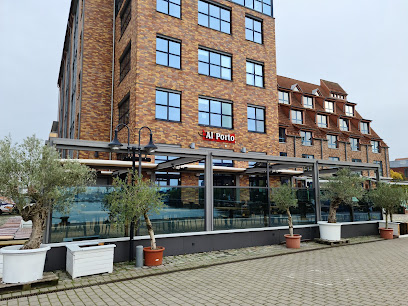
Rosmarin'o Rostock
36.4 km
Discover Rosmarin'o Rostock: where exquisite steak meets New England charm in a stunning waterfront setting.
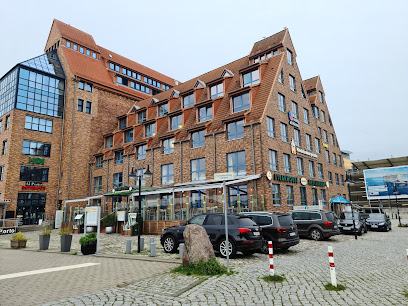
Liberty Delis
36.4 km
Discover Liberty Delis in Rostock for an authentic taste of American cuisine featuring delicious burgers and refreshing drinks.
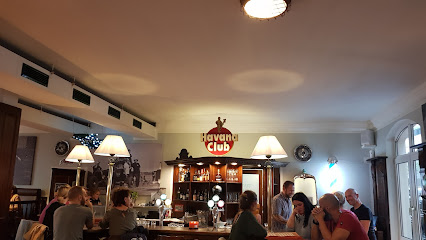
Petrikeller
36.6 km
Experience Rostock's culinary charm at Petrikeller – where traditional flavors meet modern elegance in every dish.
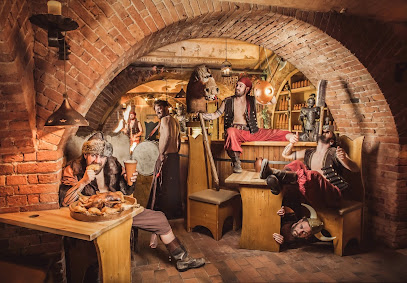
Borwin - Hafenrestaurant
36.6 km
Discover culinary delights at Borwin - Hafenrestaurant in Rostock, where fresh seafood meets stunning waterfront views.
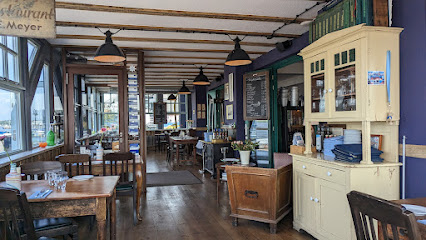
Markets, malls and hidden boutiques

Rostock
30.7 km
Discover Rostock, Germany's vibrant clothing store scene, where fashion meets history in a picturesque port city.
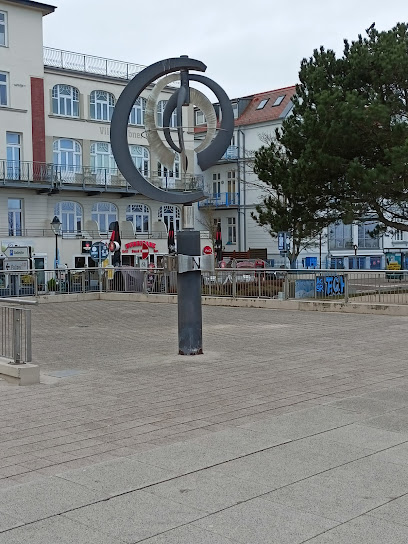
ICONIC - Rostock
30.9 km
Explore fashion at ICONIC - Rostock, where style meets unique design in a charming boutique setting.
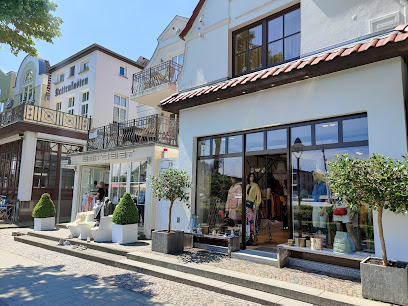
Calle/Fleggaard Rostock
32.7 km
Discover the finest selection of spirits and local brews at Calle/Fleggaard Rostock, your premier liquor destination in the heart of the city.
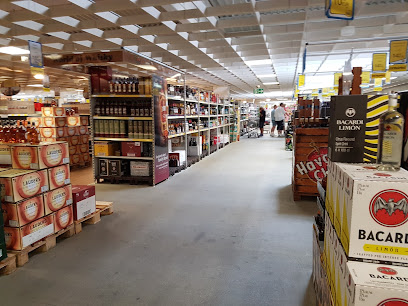
Hanse Center
32.7 km
Explore the Hanse Center, Bentwisch's premier shopping mall, where fashion, dining, and entertainment meet in a vibrant atmosphere.
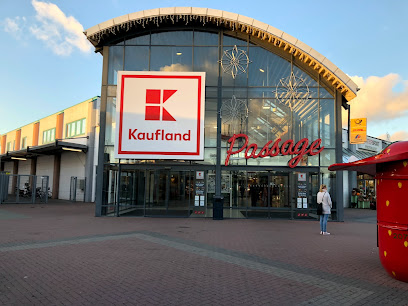
Frankonia Sanitz
33.9 km
Discover outdoor adventures at Frankonia Sanitz, the ultimate destination for hunting gear, clothing, and expert advice in the heart of Sanitz.
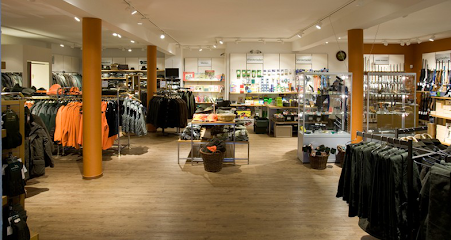
Hanse Outlet
35.7 km
Explore Hanse Outlet, the ultimate shopping destination in Broderstorf, Germany, featuring top brands at unbeatable prices in a lively atmosphere.
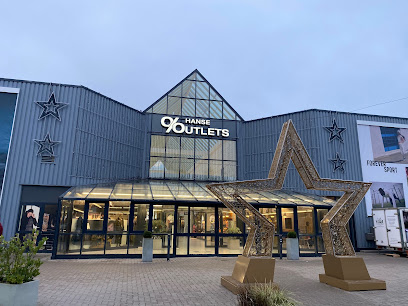
CITTI-PARK Rostock
36.0 km
Explore CITTI-PARK Rostock, a vibrant shopping mall offering a unique blend of retail, dining, and entertainment for tourists and locals alike.
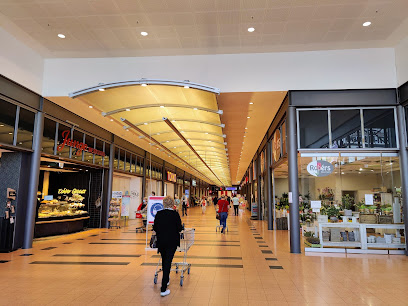
Fährliebe
36.3 km
Explore Fährliebe in Rostock for unique souvenirs and local crafts that capture the essence of this charming coastal city.
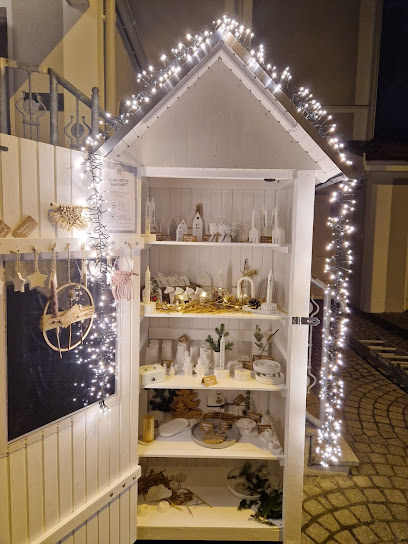
GALERIA Rostock
37.0 km
Discover a shopper's paradise at GALERIA Rostock, where fashion, home goods, and unique souvenirs come together in a vibrant atmosphere.
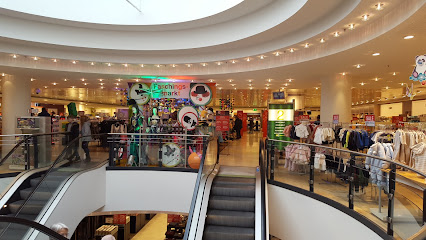
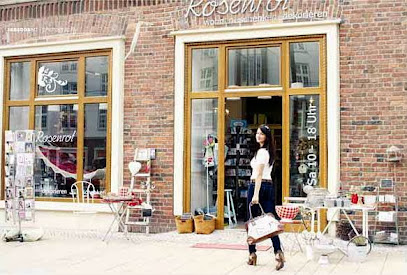
Rosenrot Rostock
37.0 km
Discover unique gifts and local treasures at Rosenrot Rostock – the perfect stop for souvenirs, fashion accessories, and wedding services.
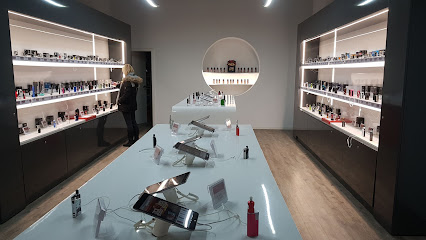
Riccardo E-Zigaretten Store
37.0 km
Explore the premier vaporizer store in Rostock, offering a diverse range of e-cigarettes and accessories for every vaping enthusiast.
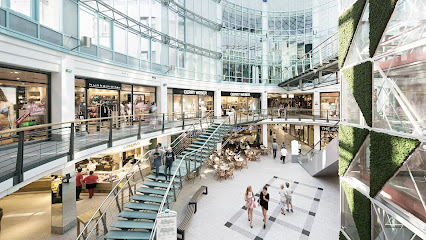
Galerie Rostocker Hof
37.1 km
Explore the vibrant Galerie Rostocker Hof, a shopping haven in Rostock with diverse stores, delicious dining, and a lively atmosphere for every visitor.
The Body Shop
37.1 km
Discover eco-friendly beauty at The Body Shop in Rostock, where ethical cosmetics meet unique gifts in a vibrant shopping atmosphere.
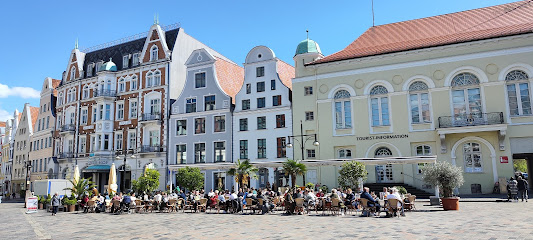
Green Harbour
37.1 km
Explore Green Harbour in Rostock for unique novelties, stylish shoes, and health supplements in a vibrant shopping atmosphere.
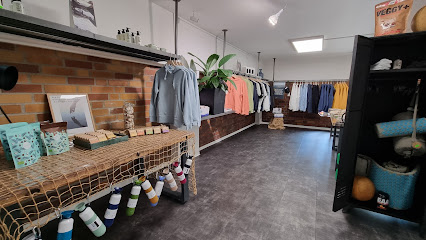
[gross_art_ich]
37.1 km
Explore a diverse fashion paradise at Gross Art Ich in Rostock, where style meets inclusivity for every shopper.
![[gross_art_ich]](https://evendo-location-media.s3.amazonaws.com/ShoppingImages/d6d2cc98-c80d-4e11-a998-8b7adf17e1e4)
Essential bars & hidden hideouts

- Die kleine Kneipe -
12.8 km
Discover the charm of Die kleine Kneipe in Prerow – where local flavors meet cozy vibes for an unforgettable dining experience.
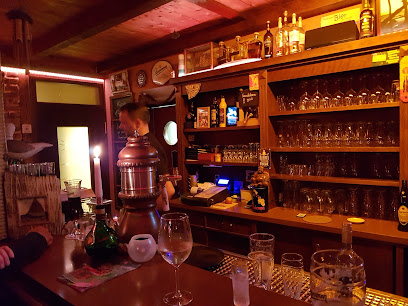
Strandoase
26.8 km
Discover Strandoase in Rostock: A vibrant seaside bar offering refreshing drinks, a lively atmosphere, and stunning coastal views for an unforgettable experience.
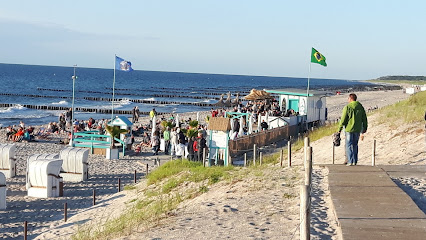
Shark Bar - Rostock
30.3 km
Experience the vibrant atmosphere of Shark Bar in Rostock, a premier waterfront destination for cocktails and memorable nights out.
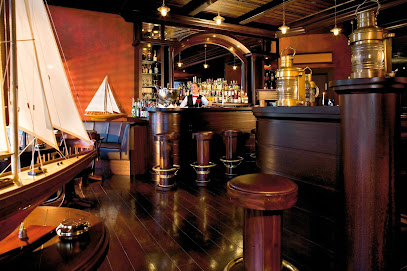
Pub Carolina - Rostock
36.6 km
Discover the heart of Rostock's nightlife at Pub Carolina, where great drinks and vibrant atmosphere await you.
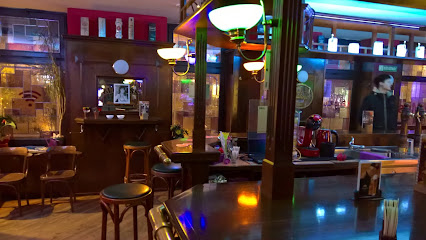
b sieben
36.8 km
Experience the charm of B sieben in Rostock, where great drinks, delicious food, and a cozy atmosphere come together.
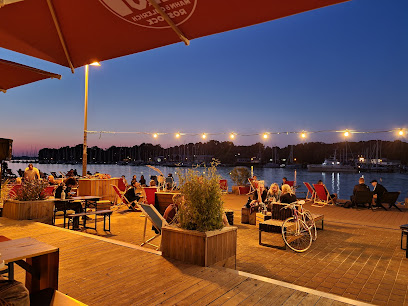
ROST-DOCK
36.9 km
Discover the lively atmosphere of ROST-DOCK, a riverside bar in Rostock offering stunning views and a vibrant drink menu for tourists.
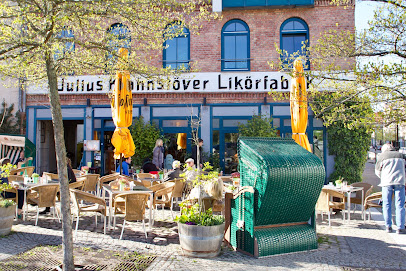
Likörfabrik
36.9 km
Experience the culinary delights of Rostock at Likörfabrik, where delicious breakfasts, cocktails, and coffee come together in a charming atmosphere.
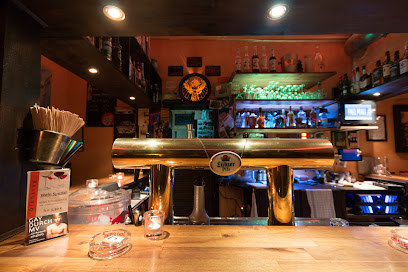
Empire - Rostock
36.9 km
Experience Rostock's nightlife at Empire Pub, where lively atmosphere meets delicious drinks and local flavors for an unforgettable night out.
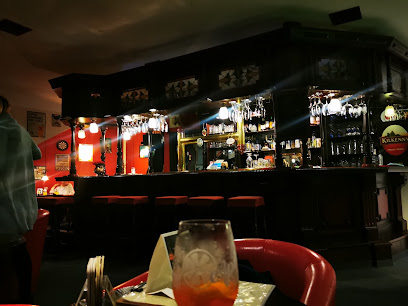
Déjà Vu - Rostock
37.0 km
Discover the vibrant atmosphere of Déjà Vu in Rostock, where exquisite cocktails, delicious hamburgers, and a lively dance scene await.
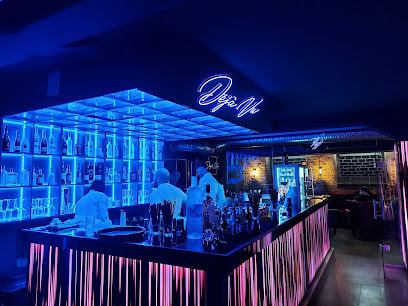
Hafenbar Pier 615
37.1 km
Experience stunning waterfront views and a vibrant atmosphere at Hafenbar Pier 615 in Rostock, where affordable drinks and good company await.
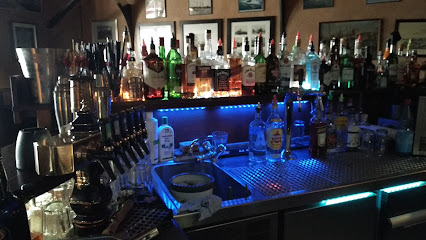
Rooftop Bar - KAI40
37.2 km
Experience the vibrant nightlife and breathtaking views at KAI40 Rooftop Bar, Rostock's premier destination for cocktails and socializing.
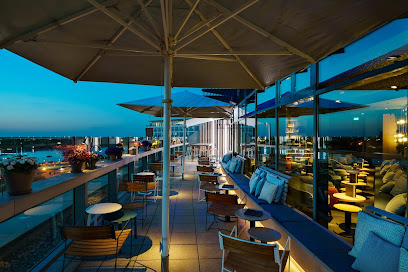
Captain Cocktail
37.4 km
Experience vibrant nightlife at Captain Cocktail, a premier entertainment agency and blues club in the heart of Rostock, Germany.
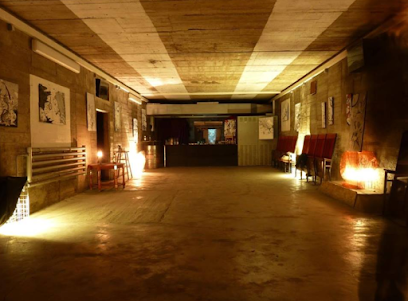
BARke Das Cocktailboot
37.6 km
Discover the enchanting BARke Das Cocktailboot in Rostock, where exquisite cocktails and picturesque views create an unforgettable experience.
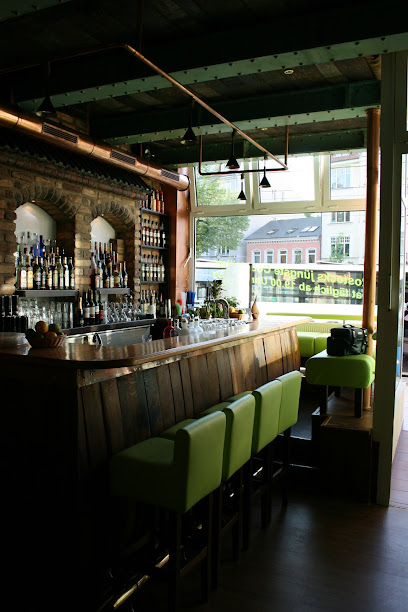
Planbar - Rostock
37.6 km
Experience the lively atmosphere of Planbar in Rostock, a vibrant gay karaoke bar and pub perfect for an unforgettable night out with friends.
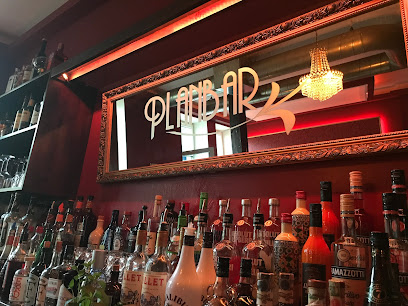
Farellis
37.6 km
Discover Farellis in Rostock, a stylish bar offering exquisite cocktails and a vibrant atmosphere for an unforgettable night out.
Nightclubs & after hour spots

Nachtclub Bienenstock
31.1 km
Experience the vibrant nightlife of Rostock at Nachtclub Bienenstock, a lively girl bar and night club offering unforgettable entertainment.
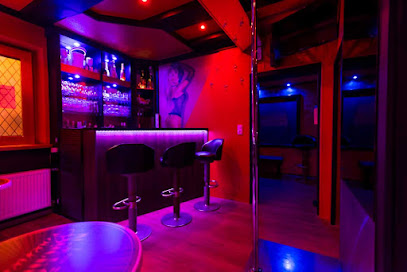
Disco Da Capo
31.3 km
Discover the electrifying nightlife at Disco Da Capo in Rostock - a vibrant disco club with unforgettable music and lively atmosphere.
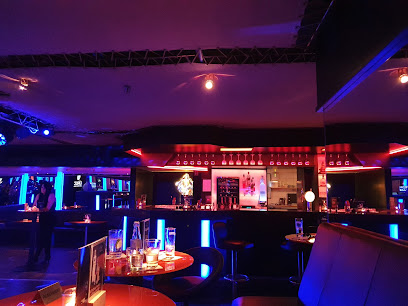
The Camilla
36.6 km
Experience Rostock's vibrant nightlife at The Camilla, a premier girl bar offering entertainment, drinks, and unforgettable memories.
Studentenkeller Rostock e.V. -Club-Biergarten
37.1 km
Discover Rostock's nightlife at Studentenkeller, where lively music and a friendly beer garden atmosphere create unforgettable evenings.
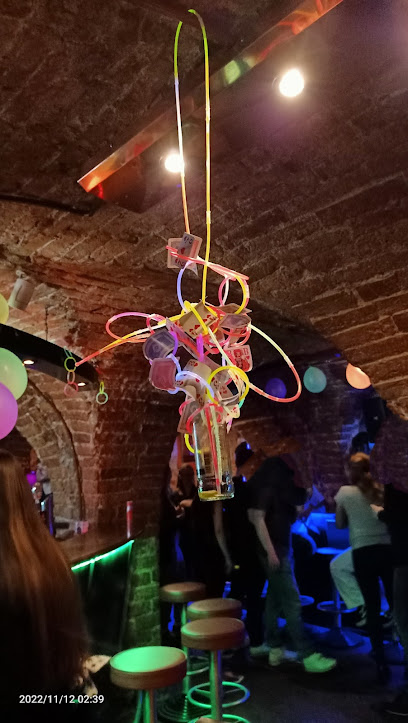
Kulturkombinat Bunker - VEB GmbH Rostock
37.4 km
Discover the electric ambiance and diverse cultural events at Kulturkombinat Bunker, Rostock's premier nightlife destination.
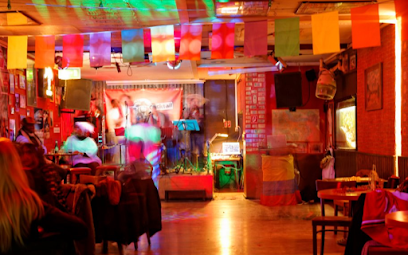
Helgas Stadtpalast
37.7 km
Discover the pulse of Rostock's nightlife at Helgas Stadtpalast, where electrifying music and a vibrant crowd create unforgettable experiences.
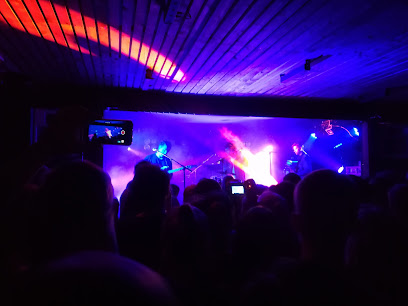
Zwischenbau
38.7 km
Discover the vibrant nightlife of Rostock at Zwischenbau, a lively night club offering unforgettable music and dancing experiences.
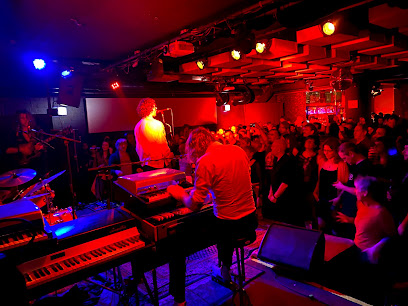
ST-Club Rostock
38.8 km
Discover the lively atmosphere of ST-Club Rostock, the perfect night club for unforgettable nightlife experiences in Germany's coastal city.
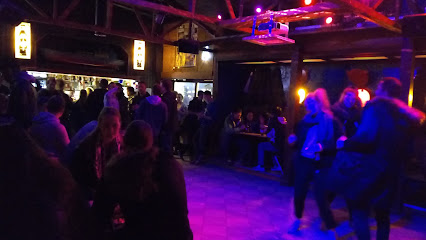
LT Sportpalast GmbH
38.9 km
Dive into the vibrant nightlife at LT Sportpalast GmbH, Rostock's top night club for unforgettable nights and socializing.
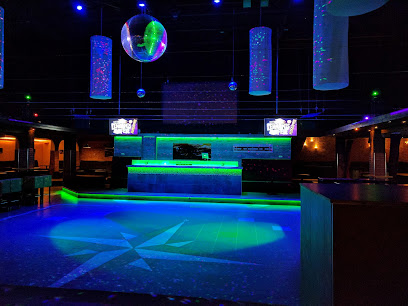
Greifclub Rostock
39.0 km
Explore the dynamic nightlife of Rostock at Greifclub, a premier venue for dance, live music, and unforgettable experiences.
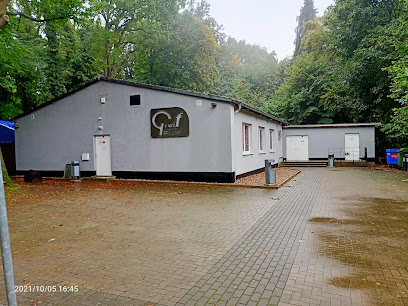
Club KELLÄH
44.7 km
Discover the vibrant nightlife at Club KELLÄH in Stralsund, a premier destination for music, dancing, and unforgettable evenings.

Tanzbar
44.7 km
Experience the vibrant nightlife at Tanzbar in Stralsund, where music, dance, and friendly vibes come together for an unforgettable night out.
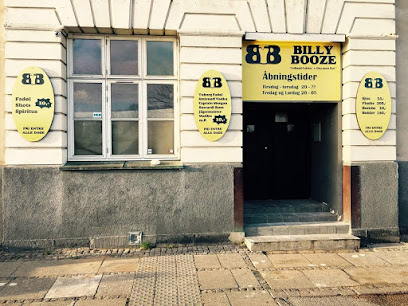
Billy Booze
55.3 km
Compact late-night disco in Nykøbing Falster with inexpensive drinks, loud hits and a casual dance floor vibe from Thursday to Saturday.
N.Y.K. Event
55.3 km
Compact late-night bar and nightclub in central Nykøbing Falster, mixing strong drinks, loud beats and a sociable dance floor that runs into the early morning.
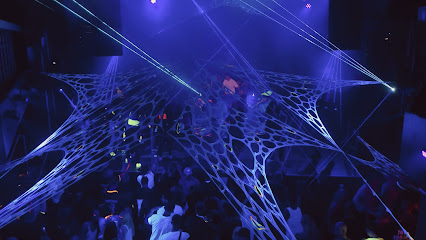
Første sted
55.8 km
Compact, music-driven nightclub on central Slotsgade, offering an intimate, local slice of Nykøbing Falster’s late-night dancing and drinks scene.