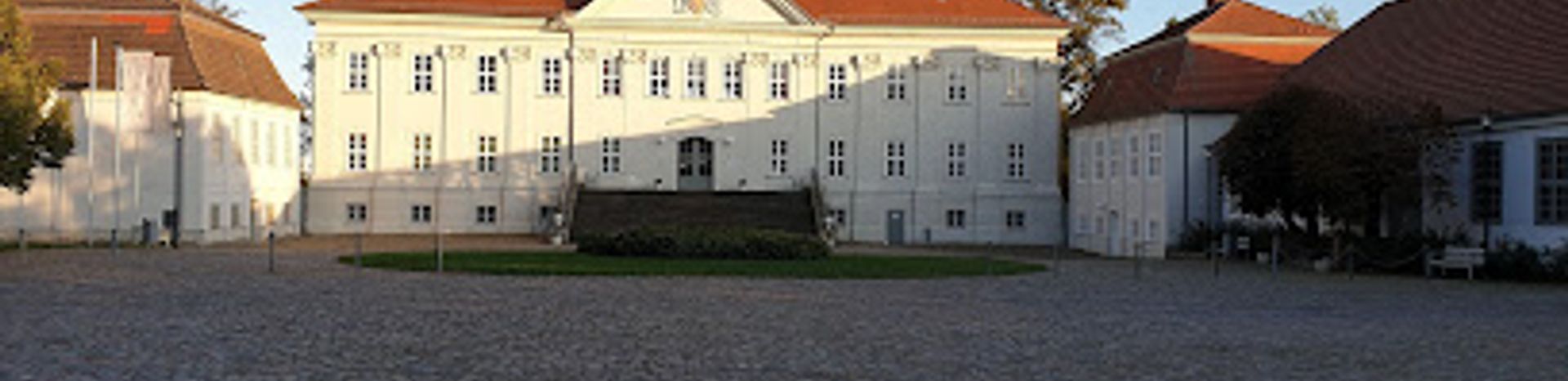
Schloss Hohenzieritz: A Royal Retreat
Discover royal history and serene landscapes at Schloss Hohenzieritz, the summer residence of Prussian royalty and final resting place of Queen Luise, surrounded by stunning English gardens.
Schloss Hohenzieritz, nestled in the serene village of Hohenzieritz, is a captivating castle and museum that offers a glimpse into Prussian royal history and stunning landscape architecture. Built in the 18th century and later expanded, it served as a summer residence for the Dukes of Mecklenburg-Strelitz and is famously known as the place where Queen Luise of Prussia passed away in 1810. Today, visitors can explore the meticulously maintained gardens, wander through the memorial rooms dedicated to Queen Luise, and appreciate the blend of Baroque and English landscape design. With its tranquil atmosphere and historical significance, Schloss Hohenzieritz provides a unique and enriching experience for history buffs and nature enthusiasts alike. The surrounding parkland, one of the earliest English gardens in Mecklenburg-Vorpommern, invites leisurely strolls and offers picturesque views, making it a perfect destination for a day trip.
A brief summary to Schloss Hohenzieritz
- Schloßpl. 3, Hohenzieritz, 17237, DE
- +4938558841540
- Visit website
Local tips
- Visit during the week to avoid the larger weekend crowds and enjoy a more peaceful exploration of the castle and gardens.
- Check the schedule for guided tours to gain deeper insights into the history of the castle and the life of Queen Luise.
- Bring your camera to capture the picturesque views of the landscape gardens, especially the Luisentempel and the restored monument.
- Note that the Schlosspark Hohenzieritz is currently partially closed for safety reasons; check for updates before your visit.

Getting There
-
Public Transport
From Neubrandenburg, take bus line 012 towards Penzlin, ZOB. From Penzlin, ZOB, transfer to bus line 018 towards Hohenzieritz. Get off at Hohenzieritz. The total journey takes approximately 1 hour and 28 minutes. Ensure to check the bus schedule in advance for any timetable changes. A single fare for both buses will cost approximately €5-€8.
-
Driving
From Neubrandenburg, head northeast on B198 towards Hohenzieritz. Follow the B198 for approximately 20 km until you reach the signs for Hohenzieritz. Once in the village, follow local signs to Schloss Hohenzieritz, located at Schloßpl. 3, 17237 Hohenzieritz. Parking is available near the castle. Parking fees may apply, typically around €1-€2 per hour.
-
Taxi/Ride-Share
From Neubrandenburg, a taxi or ride-share to Schloss Hohenzieritz will take approximately 22 minutes, covering a distance of 25.8 km. The estimated cost is between €70 and €90.
Discover more about Schloss Hohenzieritz
Iconic landmarks you can’t miss

Mühle Beckenkrug
21.2 km
Discover the charm of Mühle Beckenkrug in Varchentin: a historic mill offering a tranquil escape amidst the stunning Mecklenburg Lake District, perfect for nature lovers and history enthusiasts.

Mausoleum Varchentin
22.1 km
Discover the Mausoleum Varchentin, a Neo-Renaissance landmark in the Mecklenburg Lake District, offering a glimpse into the region's aristocratic past within a serene landscape park.
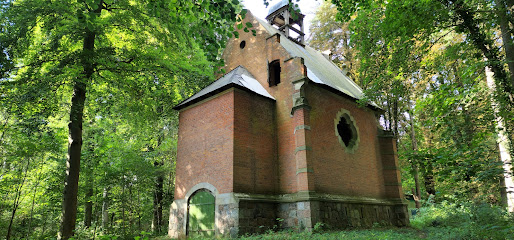
ehem. Bahnhof Fürstenwerder
32.7 km
Discover the former Bahnhof Fürstenwerder, a historical landmark in Nordwestuckermark that captures the essence of the region's rich past and scenic beauty.
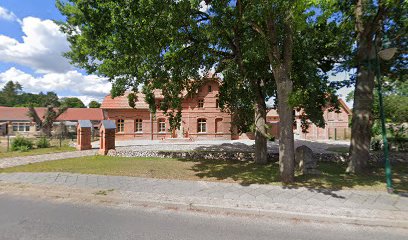
Schloss Boitzenburg
39.0 km
Experience the enchanting charm of Schloss Boitzenburg, a beautifully restored castle hotel in the serene Boitzenburger Land, Germany.
Seen und Bruchlandschaft südlich Alt Gaarz Nature Reserve
42.0 km
Discover the serene beauty of Seen und Bruchlandschaft südlich Alt Gaarz Nature Reserve: a haven of tranquil lakes, diverse wetlands, and lush forests in Mecklenburg-Vorpommern.
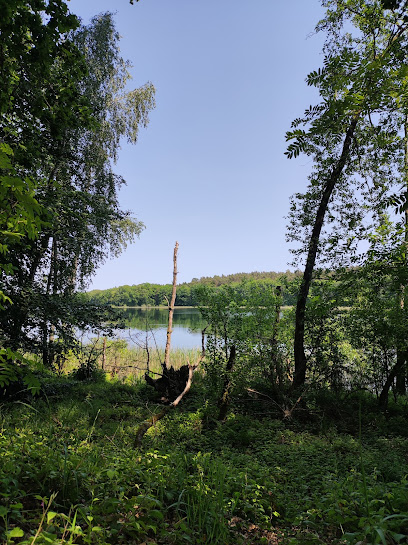
Spantekow Fortress
47.5 km
Discover the history and beauty of Spantekow Fortress, a captivating medieval landmark surrounded by stunning landscapes in the heart of Germany.
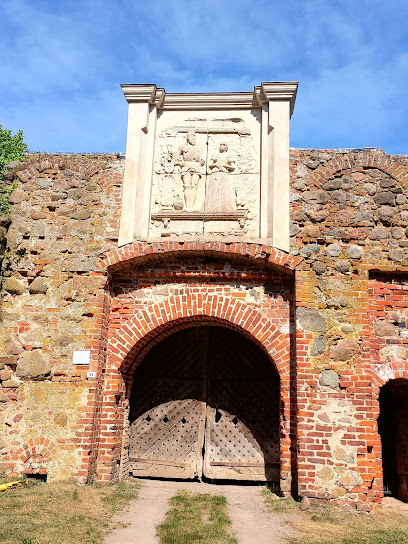
Gutshaus Nechlin
52.1 km
Explore the historic charm and serene beauty of Gutshaus Nechlin, a hidden gem in Uckerland, Germany, perfect for a peaceful escape.
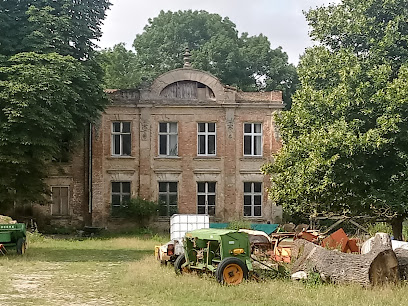
Prenzlauer Roland
52.3 km
Explore the rich history and architectural beauty of Prenzlauer Roland, a captivating landmark in Prenzlau, Germany, steeped in medieval charm.
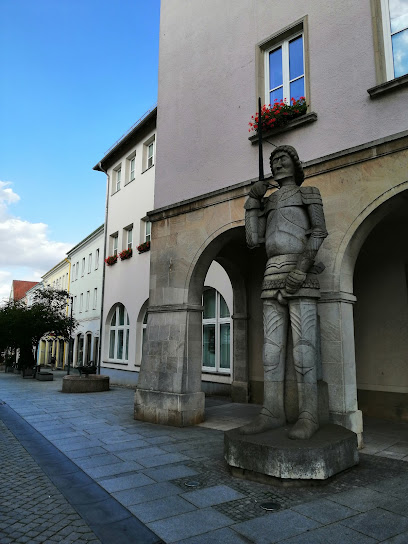
Hotel Uckermark
52.3 km
Discover the charm of Hotel Uckermark in Prenzlau, a cozy hotel offering comfort and convenient access to the stunning Uckermark region's attractions.
Tourismusverband Uckermark e.V.
52.4 km
Explore the Uckermark region from the heart of Prenzlau at the Tourismusverband Uckermark e.V., your go-to tourist information center for local adventures.
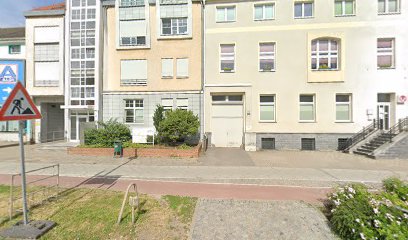
Nordufer Plauer See Nature Reserve
54.0 km
Discover the serene beauty of Nordufer Plauer See Nature Reserve: a haven for birdwatching, hiking, and tranquil lakeside escapes in the heart of Mecklenburg's lake district.
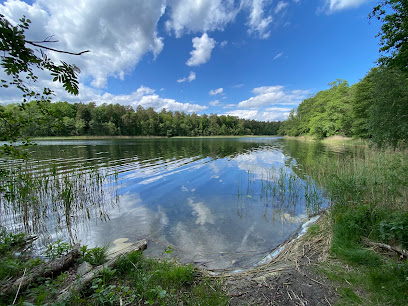
Nossentiner/Schwinzer Heide
54.4 km
Discover the Nossentiner/Schwinzer Heide Nature Park: a haven of forests, lakes, and starry nights in Mecklenburg-Vorpommern, offering outdoor adventures and tranquil escapes.
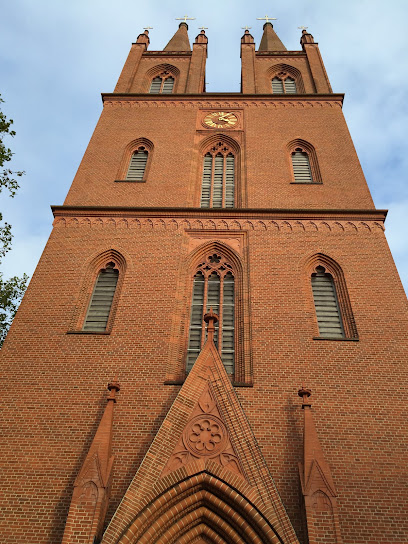
Carinhall
60.0 km
Discover the historical significance and serene beauty of Carinhall, a captivating landmark in Templin, Germany, perfect for history lovers and nature enthusiasts.
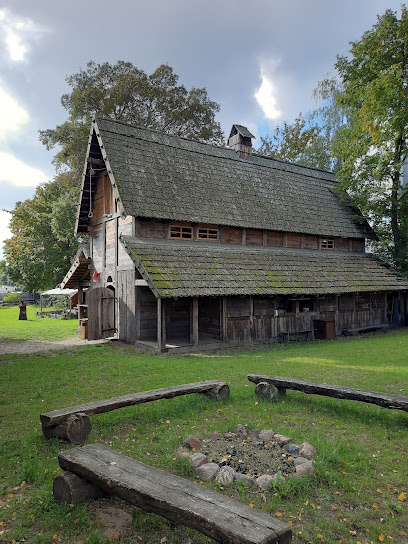
Castrum Turglowe
63.6 km
Explore Castrum Turglowe in Torgelow, an enchanting open-air museum showcasing medieval life through immersive experiences and reconstructed heritage sites.
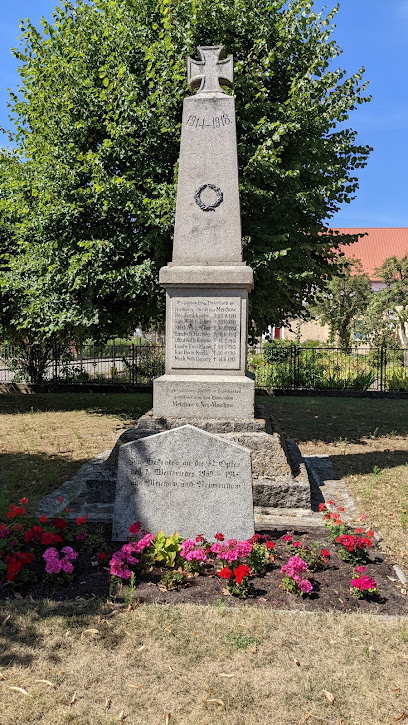
Deutsches Kriegerdenkmal Meichow und Neu-Meichow
65.5 km
Discover the poignant history at Deutsches Kriegerdenkmal in Meichow, a serene tribute to fallen soldiers, surrounded by the beauty of nature in the Uckermark region of Brandenburg.
Unmissable attractions to see

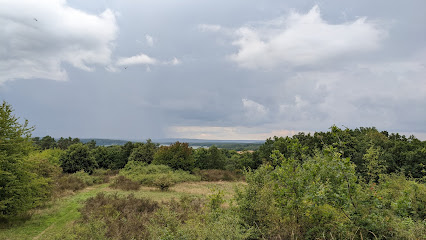
Hellberge
3.0 km
Explore Hellberge, a breathtaking nature preserve in Blumenholz, Germany, where stunning landscapes and diverse wildlife await your discovery.
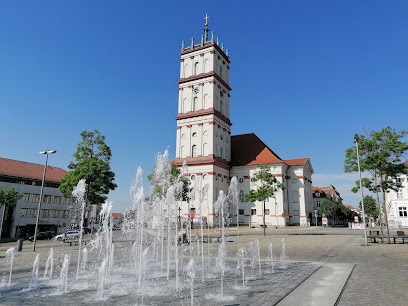
Marktplatz Neustrelitz
9.4 km
Explore Marktplatz Neustrelitz, a historical gem surrounded by vibrant culture, stunning architecture, and local charm in the heart of Neustrelitz.
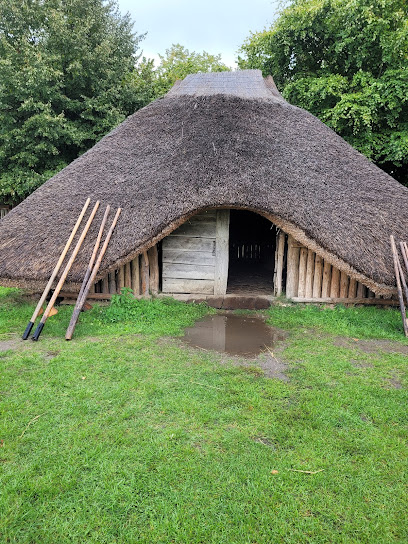
Slavic village Neustrelitz
10.3 km
Experience the vibrant culture and history of the Slavic people at Slavic Village Neustrelitz, an engaging open-air museum perfect for all ages.
Gutshaus Wendorf
13.5 km
Explore the serene beauty and historical charm of Gutshaus Wendorf in Möllenhagen, a hidden gem for travelers seeking cultural richness in Germany.
Kulturpark Neubrandenburg
15.5 km
Discover the beauty of Kulturpark Neubrandenburg, a serene natural retreat in the heart of the city, perfect for relaxation and cultural experiences.
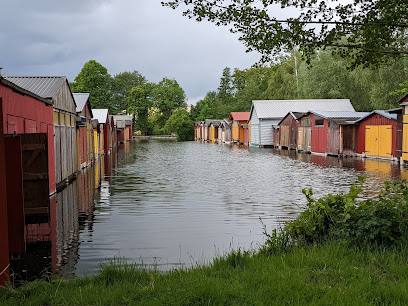
Treptower Tor
16.1 km
Discover Treptower Tor in Neubrandenburg, a stunning historical landmark showcasing exquisite Gothic architecture and rich local heritage.
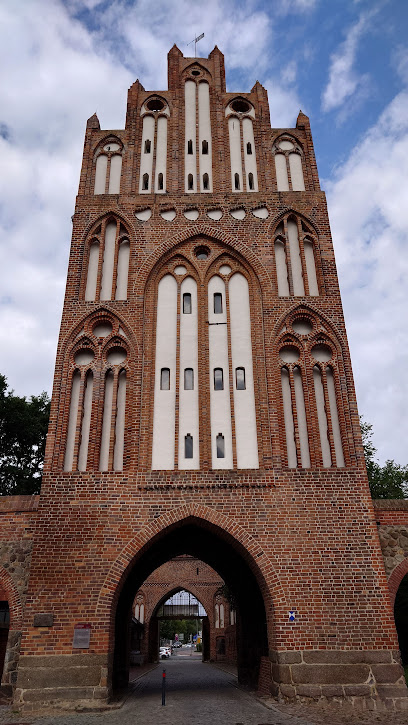
Stargarder Tor
16.1 km
Explore the historic Stargarder Tor in Neubrandenburg, a stunning medieval gate showcasing rich architectural beauty and vibrant cultural heritage.
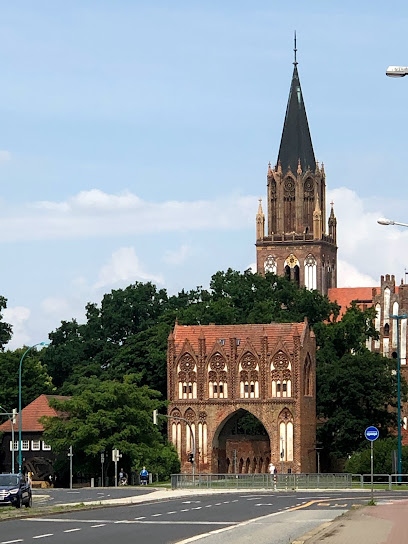
Neues Tor
16.5 km
Discover the historic charm of Neues Tor, a stunning landmark in Neubrandenburg, showcasing medieval architecture and rich cultural heritage.
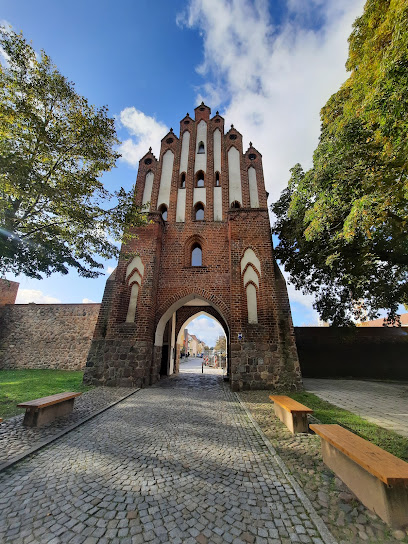
Fangelturm
16.6 km
Discover the rich history of Neubrandenburg at Fangelturm, a medieval landmark offering stunning views and cultural insights.
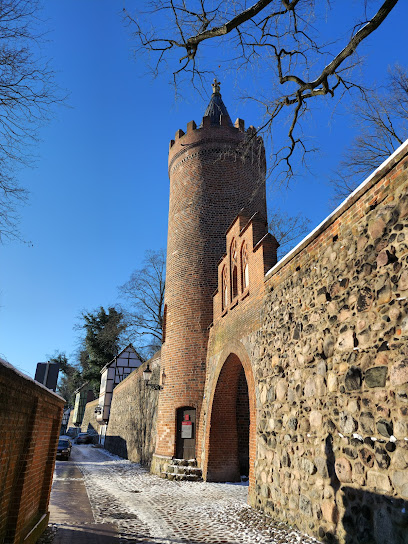
Regionalmuseum Ausstellung für Stadt- und Regionalgeschichte
16.7 km
Visit Regionalmuseum Neubrandenburg for an enriching journey through the city's captivating past and cultural heritage.
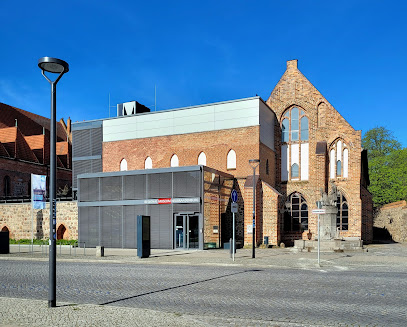
Nationalpark Müritz
18.1 km
Experience the breathtaking landscapes and rich wildlife at Nationalpark Müritz, Germany's largest national park, a perfect retreat for nature lovers.
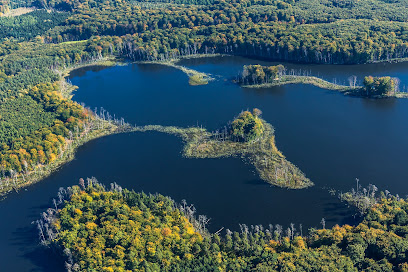
Burg Wesenberg
20.1 km
Experience the rich history and scenic beauty of Burg Wesenberg, a captivating medieval castle in the heart of Germany's stunning landscapes.
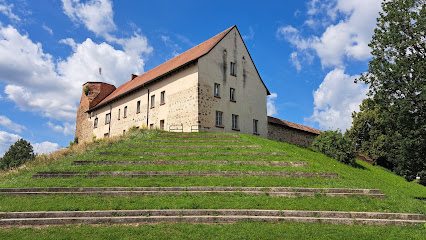
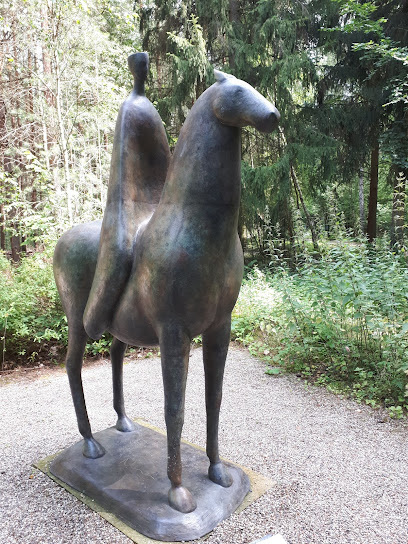
Skulpturenpark Wesenberg
20.4 km
Explore Skulpturenpark Wesenberg, where contemporary art meets nature's beauty in a tranquil park setting by the Weißer See.
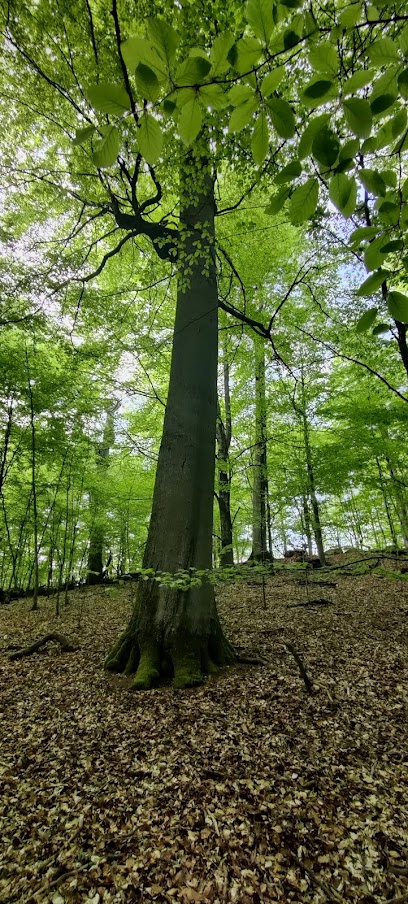
Heilige Hallen
22.6 km
Explore the enchanting Heilige Hallen in Feldberger Seenlandschaft, a nature preserve offering tranquil landscapes, diverse wildlife, and stunning hiking trails.
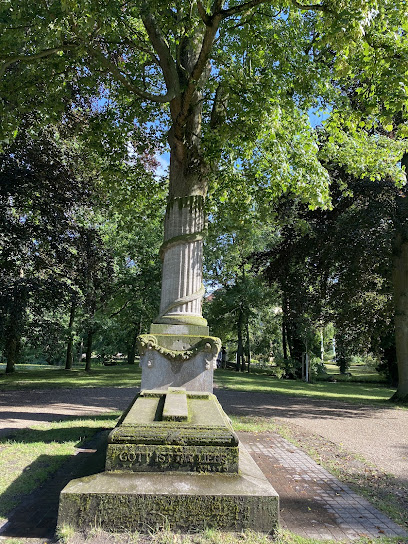
Liebesinsel Mirow
26.7 km
Experience the romantic beauty of Liebesinsel Mirow, a serene island in the heart of the Mecklenburg Lake District, perfect for nature lovers and history enthusiasts.
Essential places to dine

Die Bunte Kuh
23.2 km
Experience delightful flavors at Die Bunte Kuh – where local ingredients meet culinary creativity in Kargow.
per see – KELLERBAR MIT SEETERASSE
25.4 km
Experience Mediterranean flavors and vibrant live music at Per See – Kellerbar mit Seeterrasse in Feldberger Seenlandschaft.
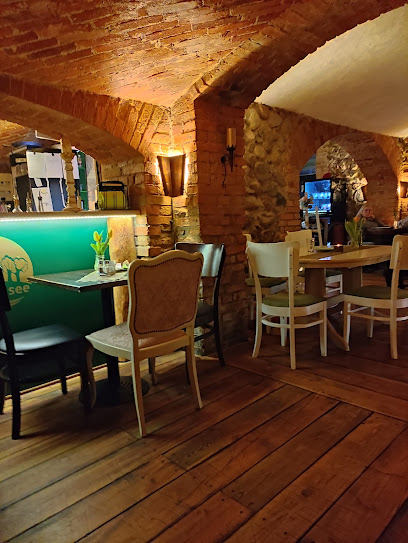
Hotel and Restaurant Altes Zollhaus
26.2 km
Discover tranquility at Hotel and Restaurant Altes Zollhaus amidst breathtaking landscapes in Feldberger Seenlandschaft.
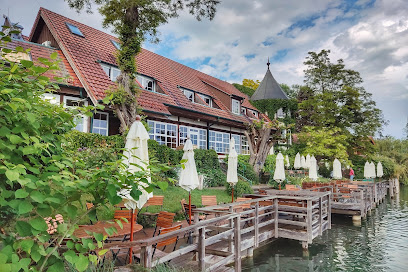
Ratskeller Waren
28.4 km
Experience authentic German cuisine at Ratskeller Waren, where tradition meets comfort in the heart of this charming town.
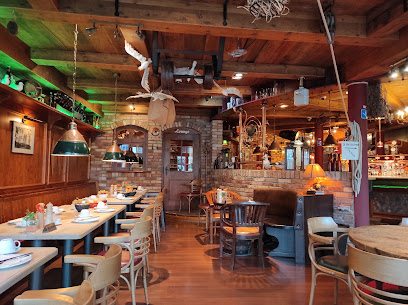
"U-Nautic" Restaurant & Pension
28.5 km
Experience exquisite dining and serene accommodations at U-Nautic Restaurant & Pension near Müritz Lake.
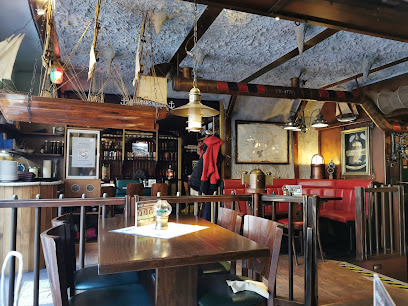
Restaurant Kleines Meer
28.6 km
Experience authentic German flavors at Restaurant Kleines Meer, where local ingredients meet breathtaking lake views.
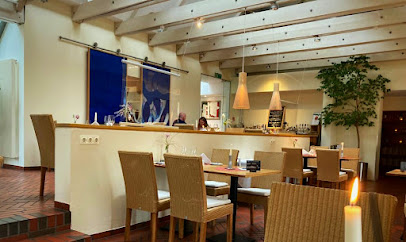
Gaststätte - Restaurant "Alt Waren"
28.8 km
Savor traditional German dishes in a picturesque setting at Restaurant Alt Waren - a culinary highlight in Waren (Müritz).
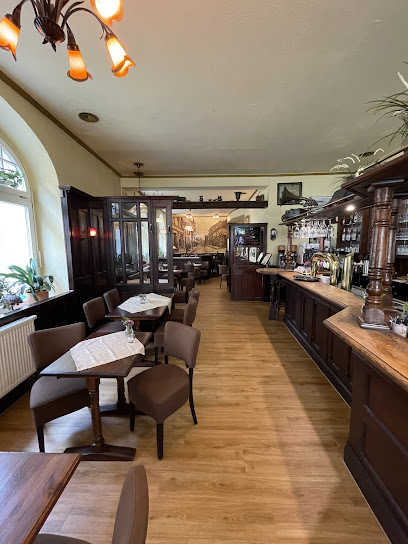
Hotel Alte Schule Fürstenhagen - Daniel Schmidthaler
29.2 km
Experience luxury and wellness at Hotel Alte Schule Fürstenhagen with exquisite organic cuisine amidst stunning natural beauty.
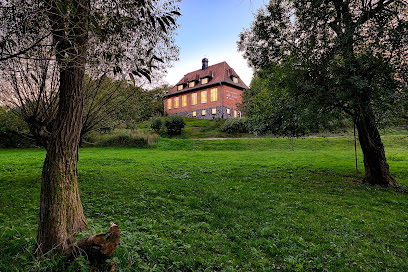
Fleether Mühle Restaurant mit großem Biergarten
29.6 km
Experience authentic German flavors at Fleether Mühle Restaurant with a charming beer garden perfect for relaxation and socializing.
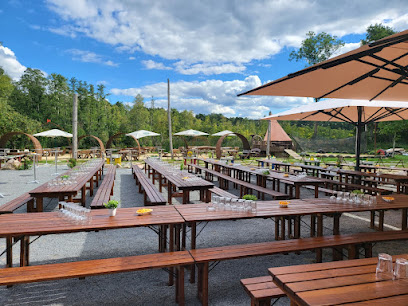
Weihnachtshaus Himmelpfort
30.8 km
Discover the festive charm at Weihnachtshaus Himmelpfort – a delightful café and event venue celebrating Christmas all year round.
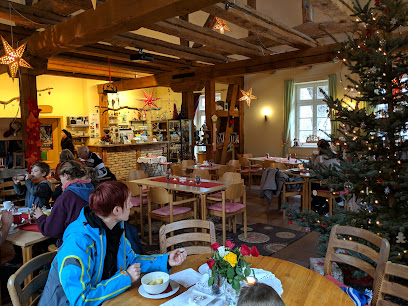
Kleines Hafenrestaurant Marina Eldenburg
31.7 km
Discover delightful local cuisine at Kleines Hafenrestaurant Marina Eldenburg, where scenic marina views enhance every dining experience.
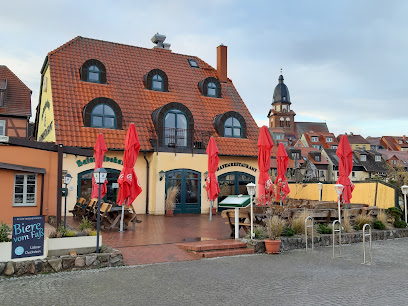
Gaststätte Regattahaus
32.7 km
Experience fresh seafood and stunning lakeside views at Gaststätte Regattahaus in Röbel/Müritz - a true gem for food lovers.
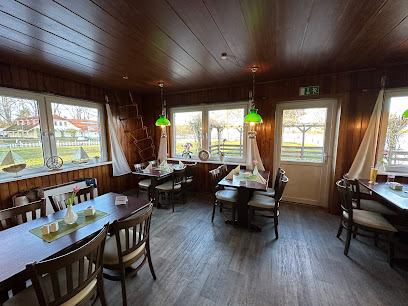
🇦🇹 Schnitzel Ösi 🇦🇹
34.4 km
Experience authentic Austrian cuisine at Schnitzel Ösi in Sietow - home of delicious schnitzels and traditional dishes.
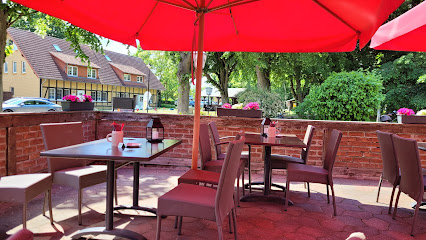
Mejas Schlemmereck
36.3 km
Experience authentic local cuisine at Mejas Schlemmereck in Grabowhöfe – where every dish tells a story.
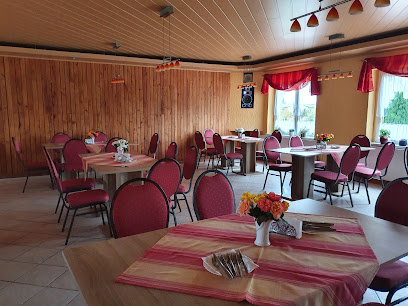
Schloss und Gut Ulrichshusen
37.6 km
Explore Schloss und Gut Ulrichshusen - A captivating blend of history, culture, dining, and natural beauty awaits you in Schwinkendorf.
Markets, malls and hidden boutiques

Bethanien Center
14.1 km
Experience Neubrandenburg's shopping paradise at the Bethanien Center, where retail, dining, and entertainment converge in a vibrant atmosphere.
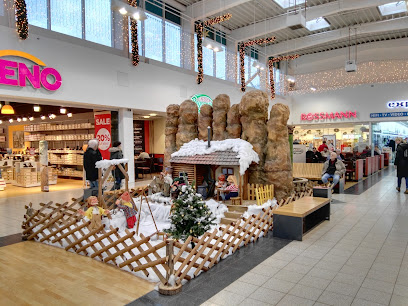
famila
26.9 km
Explore famila, the ultimate supermarket in Waren (Müritz), offering local delicacies, fresh produce, and specialty shops for all your shopping needs.
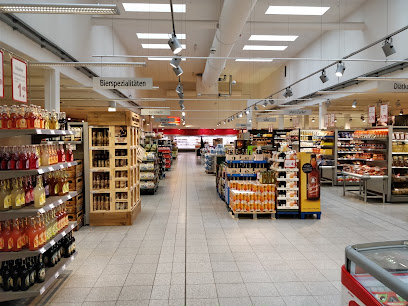
Standpunkt Shoes GmbH
28.4 km
Explore stylish and comfortable footwear at Standpunkt Shoes GmbH in Waren (Müritz), a top destination for shoe lovers.
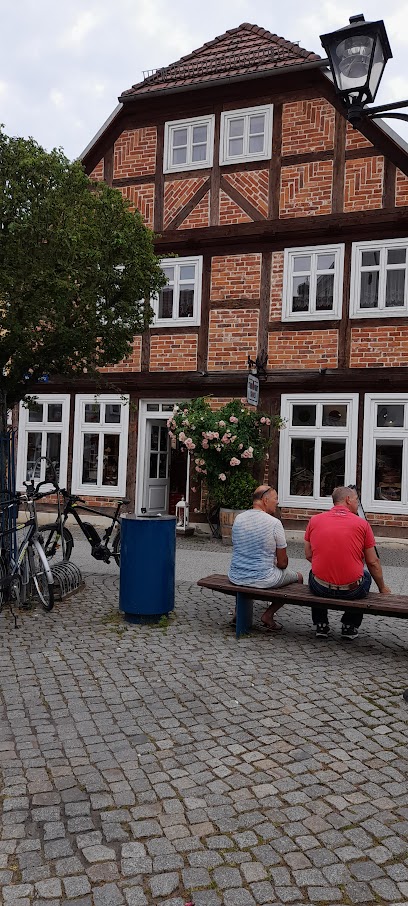
Go In
28.4 km
Discover Go In, the charming clothing store in Waren (Müritz) offering unique fashion items that capture local style and flair.
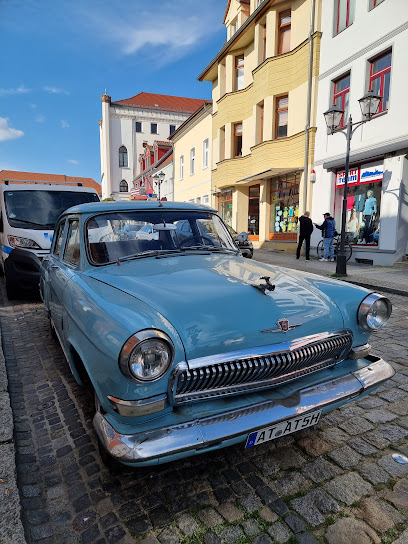
Mecklenburgische Glaswerkstatt
28.5 km
Explore the enchanting world of handcrafted glass art at Mecklenburgische Glaswerkstatt, a unique souvenir store in Waren, Germany.
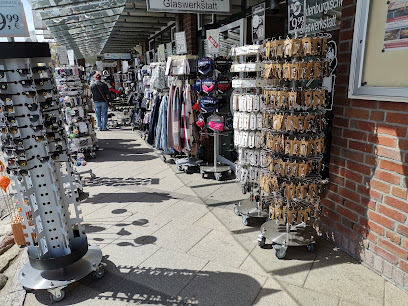
Wind Sportswear
28.5 km
Discover stylish and functional outdoor apparel at Wind Sportswear, your go-to store in Waren (Müritz) for all your adventure needs.
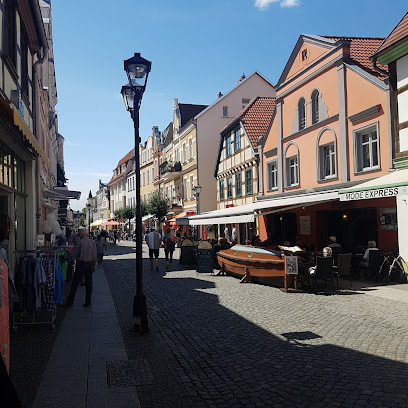
Altstadt Center Waren Müritz
28.6 km
Explore the Altstadt Center Waren Müritz for a vibrant shopping experience, delightful dining options, and engaging community events in the heart of Germany.
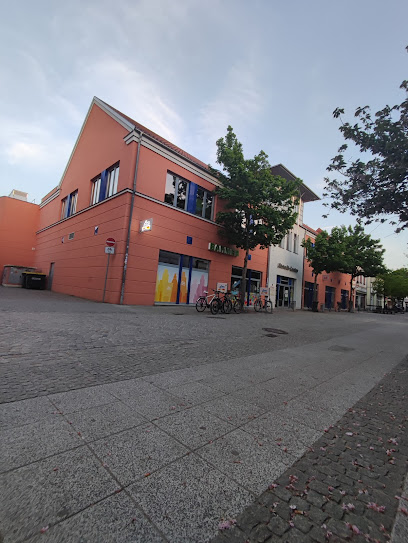
Jeans Meile
28.7 km
Explore the ultimate denim destination in Waren, where style meets quality at Jeans Meile, your go-to shop for trendy jeans and clothing.
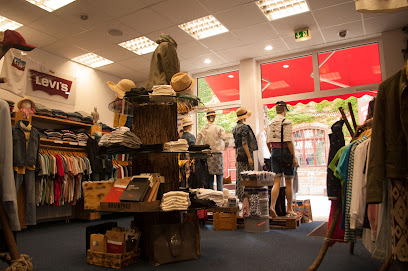
Einklang Ronny Wilken
28.7 km
Explore Einklang Ronny Wilken, a charming gift shop in Waren (Müritz) offering unique souvenirs and local art in a warm atmosphere.
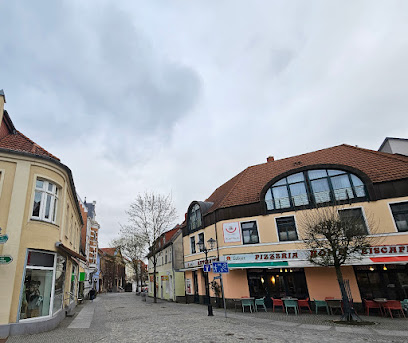
FISCHKAUFHAUS Die Manufaktur der Müritzfischer
31.5 km
Explore the freshest fish and authentic local flavors at FISCHKAUFHAUS, a seafood haven in the heart of the Müritz region.
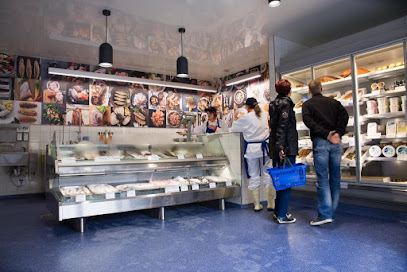
Kells Müritzer farmers market
32.0 km
Experience the vibrant Kells Müritzer Farmers Market, where fresh produce meets delightful pastries in the heart of Klink, Germany.
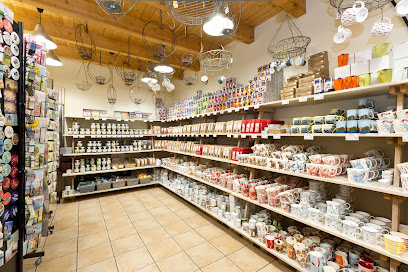
Deko-Keramik
34.8 km
Explore Deko-Keramik in Klink, Germany for exquisite handcrafted ceramics that reflect local artistry and culture.
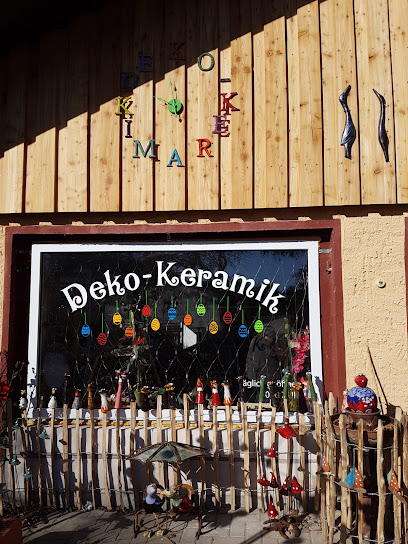
Eine-Welt-Laden
44.5 km
Shop sustainably and discover unique treasures at Eine-Welt-Laden, a charming souvenir store in Templin, Germany, perfect for eco-conscious travelers.
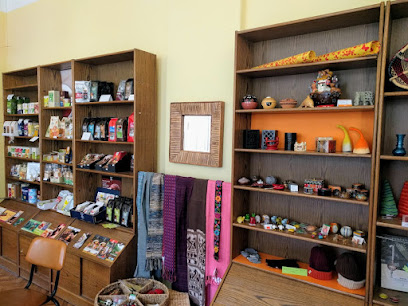
No. 1 Mode
44.7 km
Experience unique fashion at No. 1 Mode, a boutique in Malchow offering personalized service and a stylish selection of clothing.
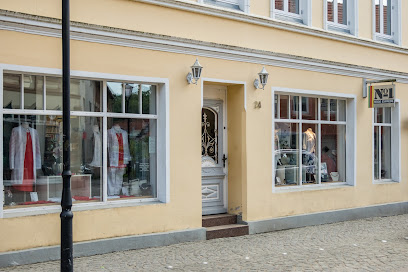
Uckerose Laden Templin
44.8 km
Discover unique handmade gifts and local crafts at Uckerose Laden Templin, where each item tells a story of art and heritage.
Essential bars & hidden hideouts

Bornbar
7.2 km
Discover the cozy ambiance and delightful drinks at Bornbar, a hidden gem in Groß Nemerow offering a true taste of local nightlife.
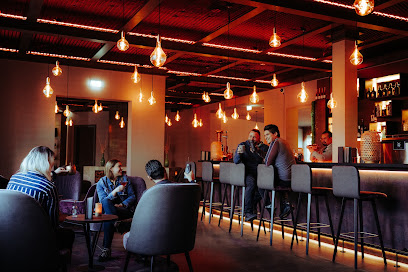
Winehouse Bar | Cafe | Cocktaillounge
16.4 km
Experience the vibrant cocktail culture at Winehouse Bar in Neubrandenburg, where creative drinks and a cozy atmosphere await you.
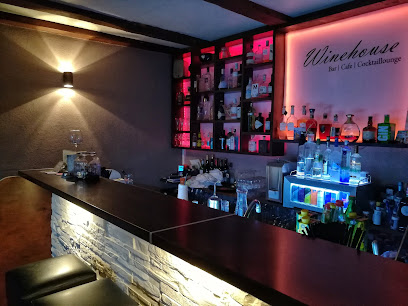
Konis 2.0
16.6 km
Experience the vibrant nightlife at Konis 2.0, Neubrandenburg's premier cocktail bar, known for its innovative drinks and lively atmosphere.
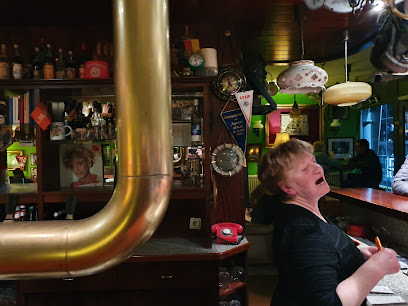
Last Orders Pub
16.6 km
Discover Last Orders Pub in Neubrandenburg, a cozy gathering spot for tourists and locals alike, offering a diverse drink selection and vibrant atmosphere.
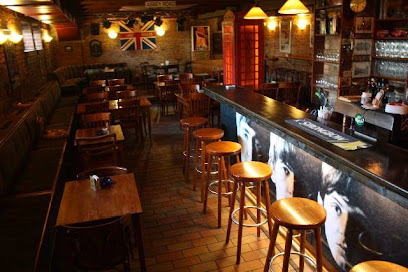
Nest
17.0 km
Discover Nest, the charming pub in Neubrandenburg, offering a warm atmosphere, affordable drinks, and a perfect spot to unwind after exploring.
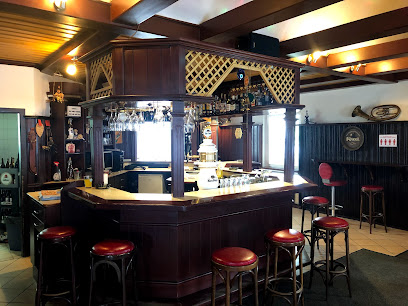
Seeterrasse & Lounge
25.2 km
Experience the beauty of Feldberger Seenlandschaft at Seeterrasse & Lounge, a perfect blend of scenic views and exquisite drinks.
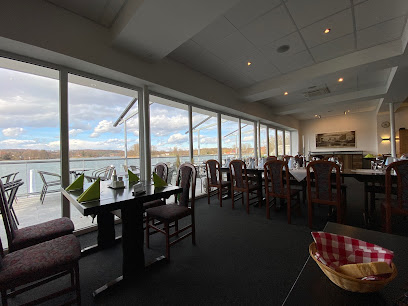
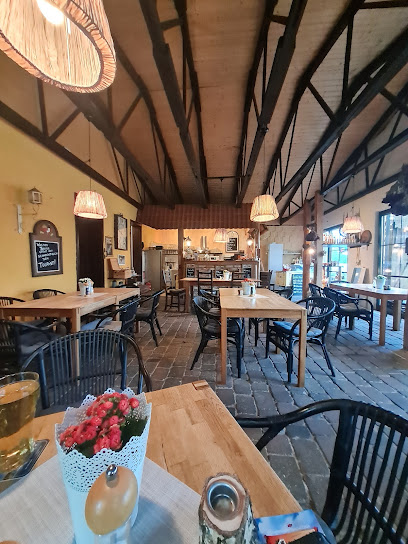
Alte Scheune Carwitz
27.3 km
Discover the culinary charm of Alte Scheune Carwitz, where barbecue flavors meet live music in the heart of Feldberger Seenlandschaft.
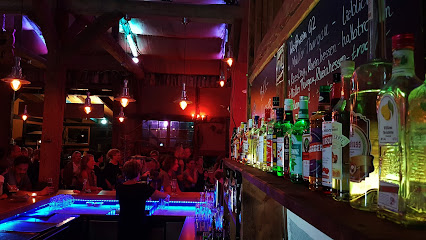
Weinbar HavelGold
28.9 km
Discover the enchanting Weinbar HavelGold in Fürstenberg/Havel, where fine wines and cozy atmosphere meet for an unforgettable experience.
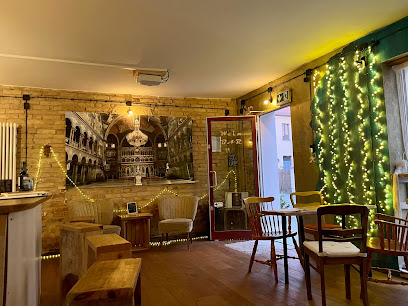
Stadtkrug
29.7 km
Discover the charm of Stadtkrug in Lychen, where local flavors meet a cozy ambiance for an unforgettable bar experience.
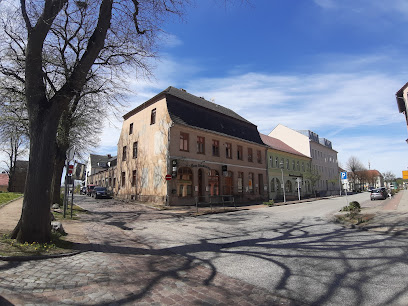
Gaststätte Zum Dicken
29.8 km
Savor the essence of German dining at Gaststätte Zum Dicken, a charming gastropub in the heart of Lychen.
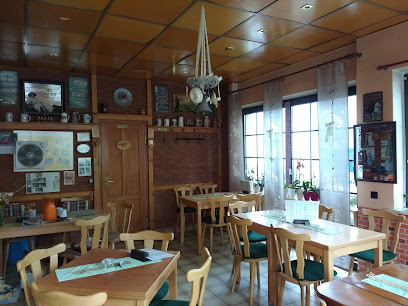
Marie's Strandbar
32.1 km
Discover the charm of Marie's Strandbar, a cocktail haven by Müritz Lake, perfect for relaxation and socializing in Röbel.
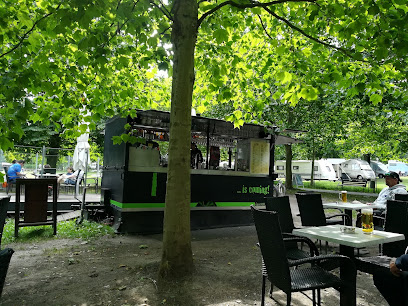
Knaufi's Eiscafé
32.4 km
Experience the best of homemade ice cream and cozy ambiance at Knaufi's Eiscafé in Fürstenwerder, a delightful retreat for sweet lovers.
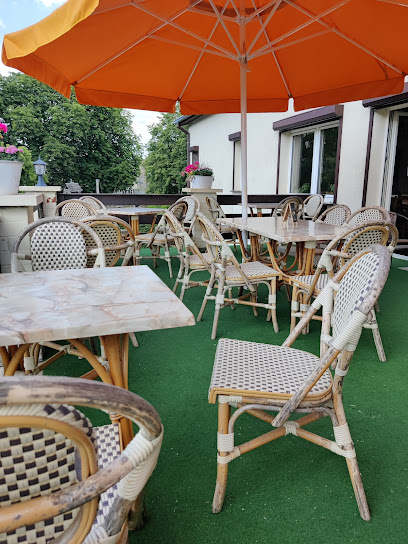
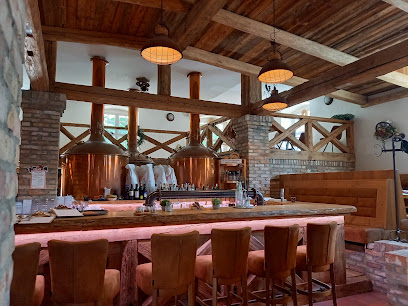
Brauhaus und Braumanufaktur Boitzenburg
39.0 km
Experience authentic German brewing and hearty cuisine at Brauhaus und Braumanufaktur in Boitzenburg, a must-visit destination for beer enthusiasts.
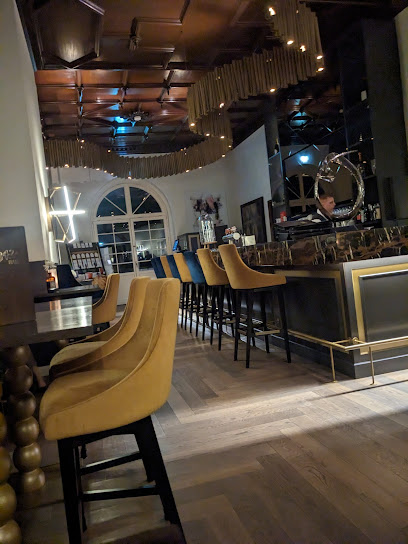
1842 Bar
39.1 km
Discover the elegant 1842 Bar in Göhren-Lebbin, a perfect retreat for luxurious drinks and a sophisticated atmosphere.
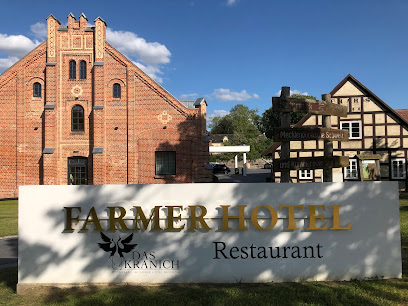
Das Kranich – Restaurant & Bar – Basedow – Mecklenburgische Seenplatte
39.7 km
Experience the warmth and flavor of Das Kranich, a delightful restaurant and bar in Basedow, perfect for local cuisine lovers and tourists alike.
Nightclubs & after hour spots

Discothek Colosseum
17.8 km
Discover the vibrant nightlife at Discothek Colosseum, where pulsating beats and an electric atmosphere await every Saturday night in Neubrandenburg.
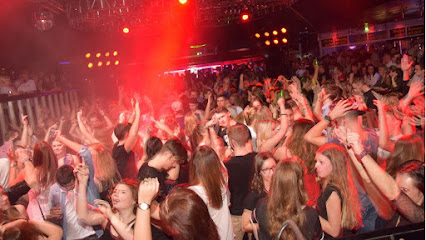
cRAVE Club
30.9 km
Discover the vibrant nightlife at cRAVE Club in Waren (Müritz), where music, dance, and cocktails create an unforgettable experience.
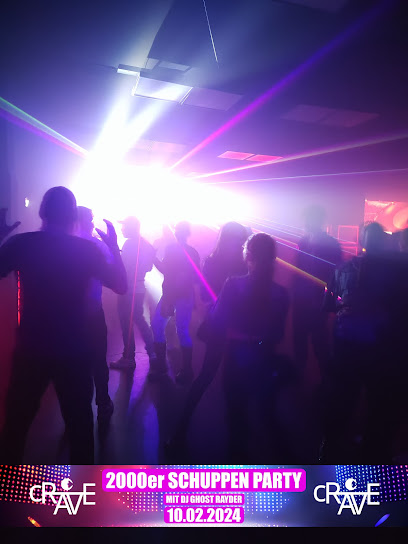
Concert & Dance Hall - El Dorado
45.2 km
Experience electrifying nightlife at El Dorado Concert & Dance Hall in Templin, where music and dance create unforgettable memories.
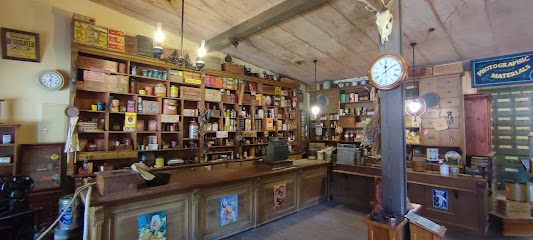
Diskothek Erlebniswelt
46.8 km
Dance the night away at Diskothek Erlebniswelt, Neukalen's premier disco club with vibrant music, affordable fun, and an electrifying atmosphere.
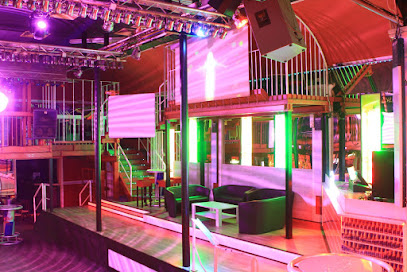
Stadtkeller Wittstock
51.7 km
Discover the lively nightlife at Stadtkeller Wittstock, where music and dance come alive in the heart of Wittstock.
Discothek Bellissima
54.6 km
Discover the energetic nightlife at Discothek Bellissima, Zehdenick's top destination for dancing and socializing.
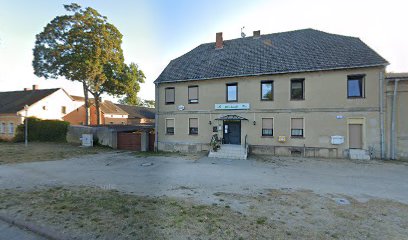
Disco Night Star Walsleben
61.5 km
Unleash your inner dancer at Disco Night Star Walsleben, the ultimate night club experience in the heart of Walsleben, Germany.
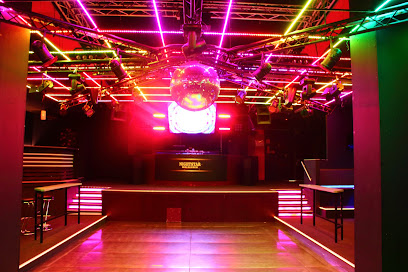
Bt 22
73.2 km
Discover the electrifying nightlife of Greifswald at Bt 22, a must-visit night club for unforgettable nights of dancing and socializing.
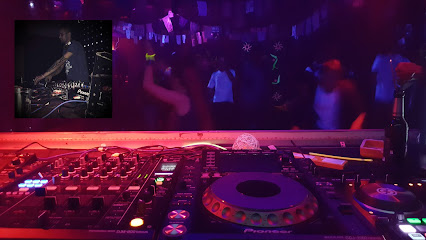
Club
76.6 km
Discover Penkun's vibrant nightlife at this top-rated night club, where music, dance, and unforgettable moments await.
Bollwerk Club
81.0 km
Discover the electrifying nightlife of Eberswalde at Bollwerk Club, a vibrant night club known for its dynamic music and energetic atmosphere.
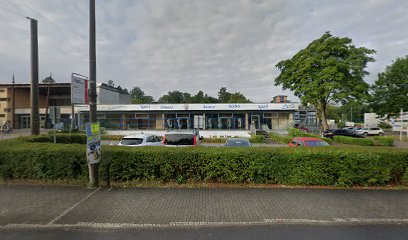
Safari-Disco
89.5 km
Experience the electrifying nightlife at Safari-Disco in Plattenburg, where music, dancing, and unforgettable memories await every visitor.
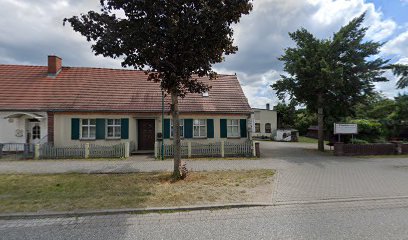
K9-Zeuch Eventlocation
92.1 km
Discover Rhinow's vibrant nightlife at K9-Zeuch Eventlocation, the ultimate destination for dancing and unforgettable nights out.

Klub PLR
94.7 km
Discover the vibrant nightlife of Szczecin at Klub PLR, where electrifying music and an energetic atmosphere await every night.
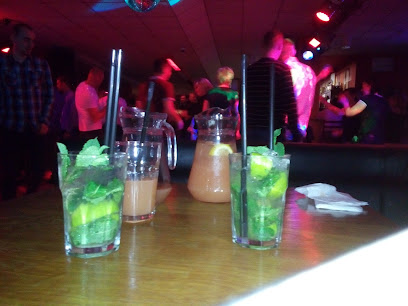
Euphoria Klub GO GO
95.1 km
Experience the electrifying nightlife at Euphoria Klub GO GO in Szczecin, where unforgettable music and vibrant atmosphere await.
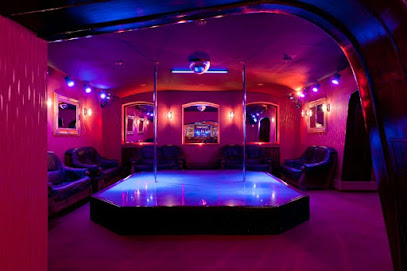
Coyote Club
95.5 km
Discover the vibrant nightlife and live music scene at Coyote Club in Szczecin, where unforgettable experiences await every night.