
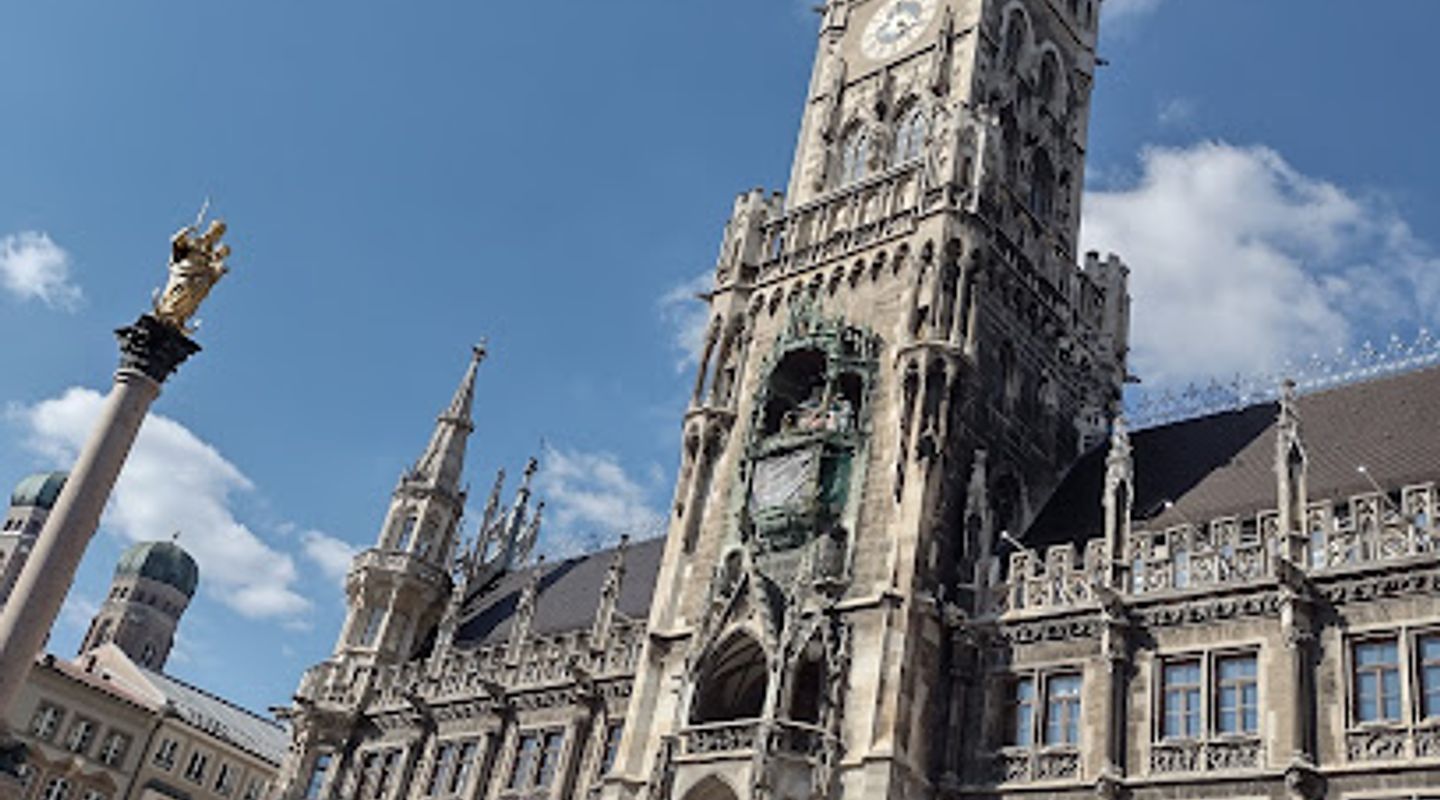
Isar Gate, Munich Travel Guide
Discover Munich's medieval past at the iconic Isar Gate, home to the quirky Valentin Karlstadt Museum and a gateway to the city's vibrant Altstadt, offering a unique blend of history and culture.
The Isar Gate (Isartor), a striking landmark in Munich's Altstadt-Lehel district, stands as a testament to the city's medieval past. Constructed in the 14th century as part of Munich's fortifications, it served as a crucial defensive structure and a main entrance to the city. Today, it is the only remaining city gate that retains its original main tower. Visitors can admire its late Gothic architecture, complete with imposing towers and intricate stonework. Within the gate, the Valentin Karlstadt Museum offers a quirky and entertaining look into the lives of famous Bavarian comedians. The Isar Gate is more than just a historical monument; it's a vibrant hub connecting the old city with modern Munich, surrounded by bustling streets, cafes, and shops, making it a must-see for anyone exploring the city's rich heritage and cultural attractions.
A brief summary to Isar Gate
- Tal 50, Munich, Altstadt-Lehel, 80331, DE
- Click to display
- Click to display
- Monday 11 am-6 pm
- Tuesday 11 am-6 pm
- Thursday 11 am-6 pm
- Friday 11 am-6 pm
- Saturday 11 am-6 pm
- Sunday 10 am-6 pm

Know before you go
Hi, I'm Eve. Here are a few practical things to know before exploring Isar Gate.
- Visit the Valentin Karlstadt Museum inside the Isar Gate for a humorous look at Bavarian comedy.
- Look for the clock on the Tal side of the gate; it runs counterclockwise as a nod to Bavarian humor.
- Explore the lively Isartorplatz surrounding the gate, filled with cafes, shops, and restaurants.
- Take advantage of the Isartor S-Bahn station for easy access to other parts of Munich.
- Visit during the Advent season to experience the "Münchner Feuerzangenbowle," a traditional hot punch served from a giant cauldron.
Do you manage this location?
Take control to get all the benefits, like improved information, better appearance, and stronger visibility across AI-powered discovery. Learn more about listing your business on Evendo
Activate your presenceOther nearby places you may find interesting
The closest places of the same kind, if this one is not quite what you had in mind.


Explore Isar Gate on the Map
A handpicked selection of must-see spots near Isar Gate, mapped for you.
Unlock the Best of Isar Gate
Buy tickets
-
No tickets available
Book tours with entry


Getting There
-
Walking
From Marienplatz, head southeast towards Tal street. Walk along Tal for approximately 5 minutes. The Isar Gate will be on your right at Tal 50, a short walk from the main square.
-
Public Transport
Take any S-Bahn line (S1-S8) to Isartor station. From the station, exit towards Isartorplatz. The Isar Gate is directly above the station. A single ticket for a short trip within the city center costs approximately €3.50.
-
Taxi/Ride-Share
A taxi or ride-share from Marienplatz to Isar Gate will take approximately 5-10 minutes, depending on traffic. The estimated cost is between €14 and €17.
-
Parking
Parking near Isar Gate is limited. The Isarparkhaus at Baaderstraße 6 and Rieger City at Frauenstraße 38 offer covered parking options. Rates at Isarparkhaus start at €1.80 for 30 minutes. Rieger City charges €3.50 per hour.
Discover more about Isar Gate













Your all‑in‑one travel companion app
Explore expert travel guides, compare and book tours, experiences, hotels, and more—all from the palm of your hand. Download now for seamless trip planning wherever your wanderlust takes you.


Explore More of Munich
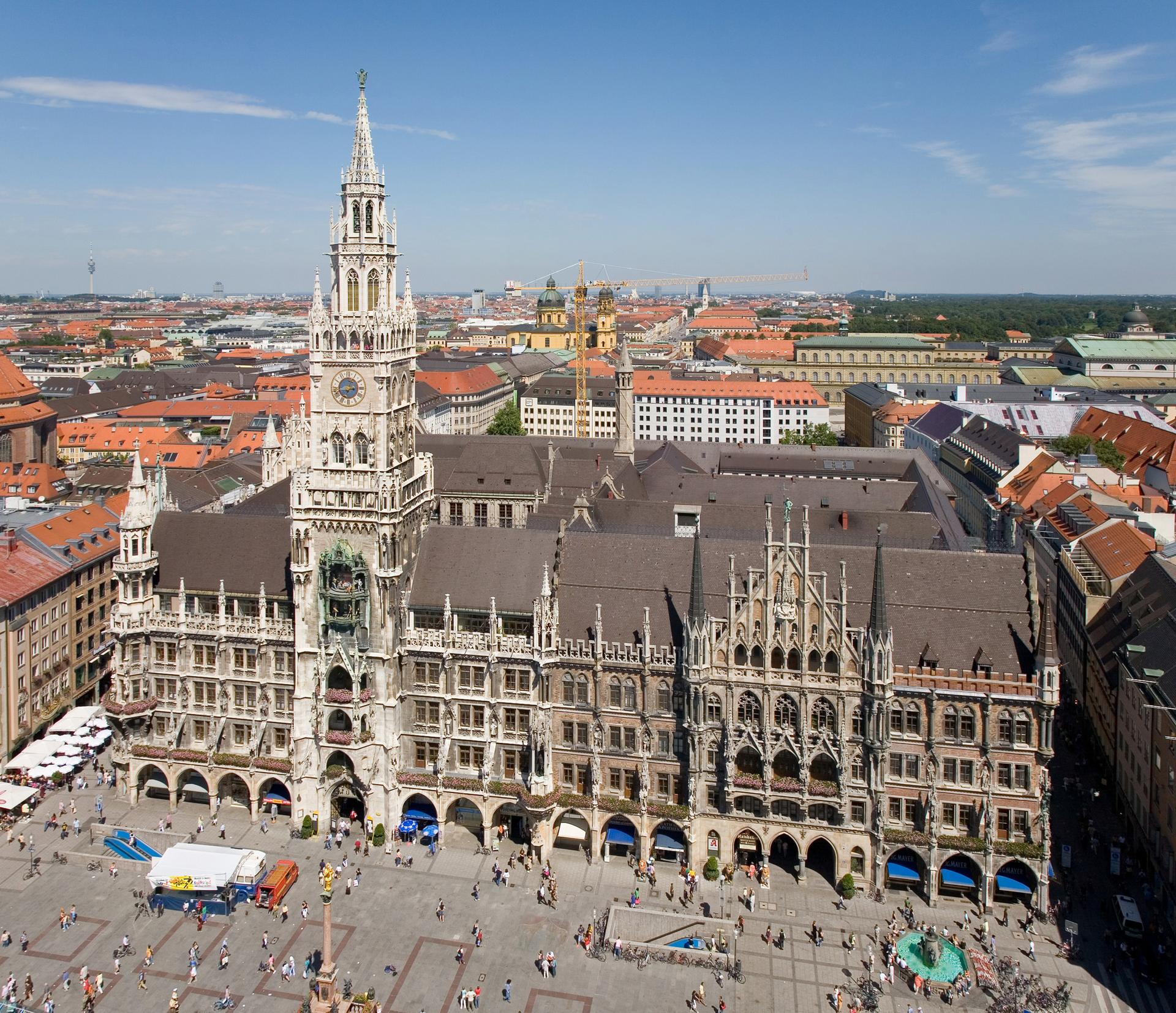
Looking beyond Isar Gate? Discover Munich for broader travel guides, local hot-spots, and regional highlights.
Explore Munich
Experience the vibrant Maibaum at Viktualienmarkt, a symbol of Bavarian culture in the heart of Munich, offering culinary delights and rich traditions.

Experience Munich from a unique perspective on the Radlsteg, a scenic pedestrian bridge offering breathtaking views of the Isar River and the city's historic Altstadt-Lehel district.
