Weg zur Wildnis: A Walk Through Wilderness Reborn
Discover the resilience of nature on the 'Weg zur Wildnis' in Saxon Switzerland National Park, where a boardwalk trail unveils the forest's inspiring regeneration after devastation.
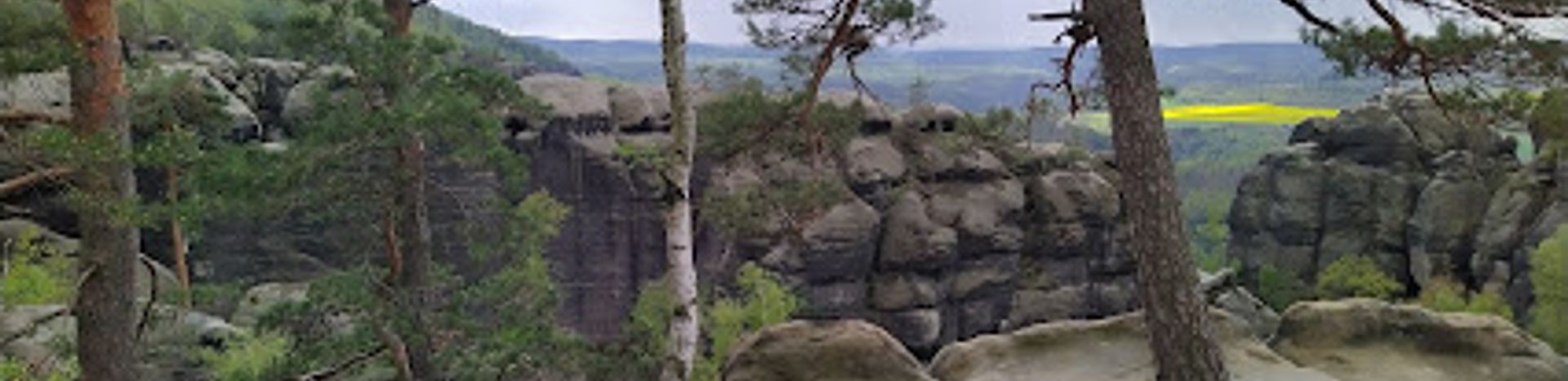
The 'Weg zur Wildnis' (Path to Wilderness) is an accessible nature trail offering a unique perspective on forest regeneration within Saxon Switzerland National Park. This 250-meter wooden boardwalk meanders through a section of the forest devastated by a 2007 storm and subsequent bark beetle infestation, allowing visitors to witness the remarkable self-healing powers of nature. The elevated path protects the delicate habitats below, providing exceptional views of the evolving ecosystem. It's an inspiring example of natural resilience, showcasing the forest's transformation into a vibrant, biodiverse landscape. The trail is easily accessible and offers an educational experience for all ages, making it a worthwhile stop for anyone exploring the park.
A brief summary to Weg zur Wildnis
- Saxon Switzerland Nat'l Pk, Reitsteig, Bad Schandau, 01814, DE
- Visit website
- Monday 12 am-12 am
- Tuesday 12 am-12 am
- Wednesday 12 am-12 am
- Thursday 12 am-12 am
- Friday 12 am-12 am
- Saturday 12 am-12 am
- Sunday 12 am-12 am
Local tips
- Visit during different seasons to witness the forest's transformation throughout the year, from vibrant spring growth to colorful autumn foliage.
- Wear comfortable shoes suitable for walking on a wooden boardwalk, and be prepared for uneven surfaces.
- Bring binoculars to enhance your wildlife viewing experience and observe the intricate details of the forest ecosystem.

Getting There
-
Walking
From the Reitsteig parking area, the 'Weg zur Wildnis' is a short walk along a well-maintained path. Follow the signs for 'Weg zur Wildnis'. The trail is located near the junction to the Lehnsteig. The walk from the parking area to the start of the boardwalk is relatively easy and takes about 5-10 minutes. The Reitsteig parking area can get busy, especially during peak season, so arriving early is recommended.
-
Public Transport
From Bad Schandau, take the Kirnitzschtalbahn (tram) to the Nasser Grund stop. From there, follow the signs towards Reitsteig. The walk to 'Weg zur Wildnis' from Nasser Grund is approximately 2.5 km and involves a moderate uphill climb. Alternatively, take bus 241 to the Reitsteig stop. Check local VVO (Verkehrsverbund Oberelbe) for current schedules and fares. A single VVO ticket within Bad Schandau is approximately €2.50.
-
Driving
From Bad Schandau, follow the signs for Kirnitzschtal. Continue along Kirnitzschtalstraße until you reach the Reitsteig parking area. Parking fees at Reitsteig are approximately €3-5 per day. Be aware that parking can be limited during peak season. From the parking area, it's a short, signposted walk to the 'Weg zur Wildnis'.
Discover more about Weg zur Wildnis
Iconic landmarks you can’t miss

Bloßstock
1.9 km
Explore the breathtaking beauty of Bloßstock, a must-visit tourist attraction in Bad Schandau, perfect for outdoor enthusiasts and nature lovers.
Winterstein
2.0 km
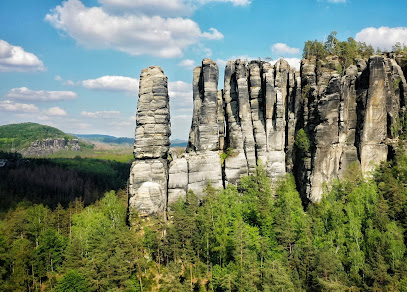
Explore the breathtaking heights of Winterstein, a serene mountain peak in Bad Schandau, perfect for hiking and panoramic views of the Elbe Sandstone Mountains.
Winterstein (Hinteres Raubschloss)
2.0 km
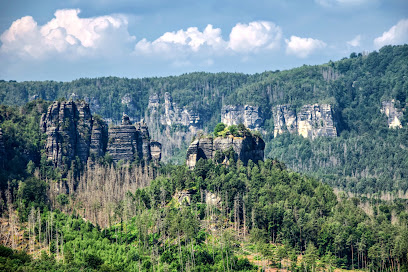
Explore the breathtaking trails of Winterstein, where stunning views and rich history converge in the heart of Saxon Switzerland for an unforgettable hiking experience.
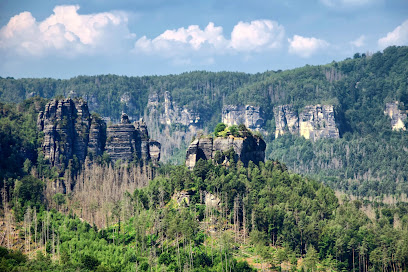
Saxon Switzerland - National Park Service
2.1 km
Explore the enchanting landscapes of Saxon Switzerland National Park, where towering cliffs and lush valleys create a paradise for outdoor enthusiasts.
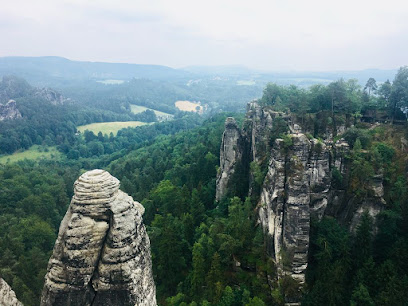
Roßsteig - Goldsteinaussicht (Weg zu einem schönen Aussichtspunkt am Malerweg)
2.3 km
Discover the breathtaking views of Roßsteig - Goldsteinaussicht, a must-see scenic spot along the Malerweg in Saxon Switzerland.
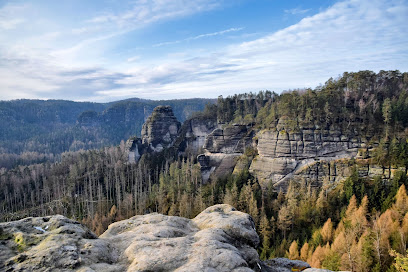
Kleiner Lorenzstein
2.5 km
Explore the breathtaking views and serene trails of Kleiner Lorenzstein in Bad Schandau, a hiking paradise in Saxon Switzerland.
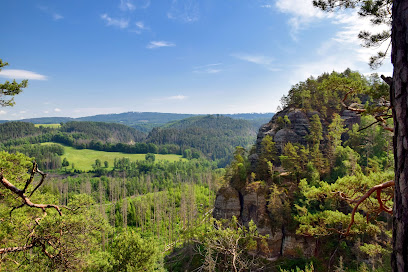
Hickel Cave
4.7 km
Explore the stunning Hickel Cave in Kirnitzschtal - a must-visit scenic spot for nature lovers and adventure seekers in Germany.
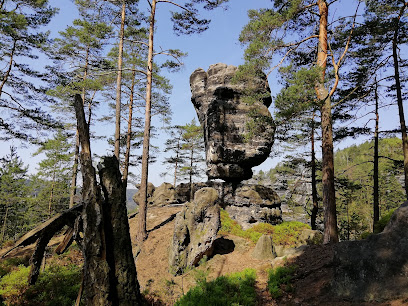
Saxon Switzerland Mountains
5.1 km
Experience the stunning Saxon Switzerland Mountains, a breathtaking escape into nature with spectacular views, hiking trails, and unique rock formations.
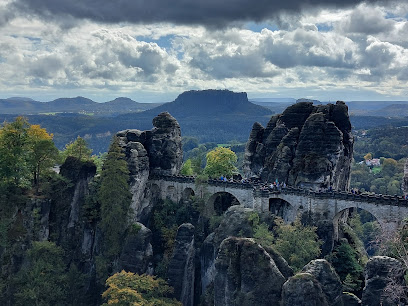
Lower Sluice
5.7 km
Explore Lower Sluice: A stunning hiking area in Saxon Switzerland National Park, perfect for nature lovers and adventure seekers alike.
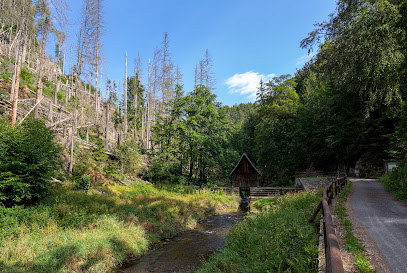
Sächsische Schweiz vorderer Teil National Park
12.9 km
Explore the stunning landscapes of Sächsische Schweiz National Park, a natural treasure in Germany with breathtaking views, rich biodiversity, and endless outdoor adventures.
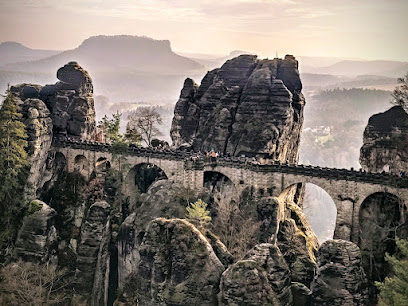
Sächsische Schweiz National Park
13.3 km
Experience the breathtaking beauty of Sächsische Schweiz National Park, where stunning landscapes and outdoor adventures await in the heart of Germany.
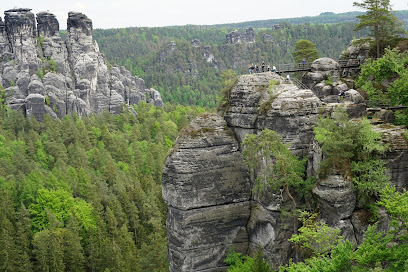
Vyhlídka Bohemia
13.7 km
Experience stunning panoramic views and serene landscapes at Vyhlídka Bohemia, the perfect observation deck for nature lovers in Děčín, Czech Republic.
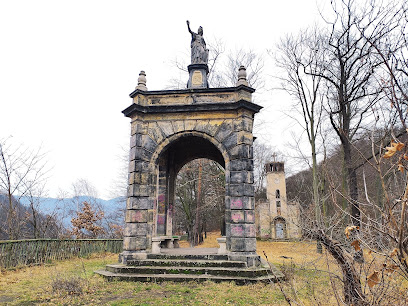
Starvation Tower
13.8 km
Discover the haunting history of the Starvation Tower in Königstein, a historical landmark that reveals the harsh realities of medieval life amidst stunning landscapes.
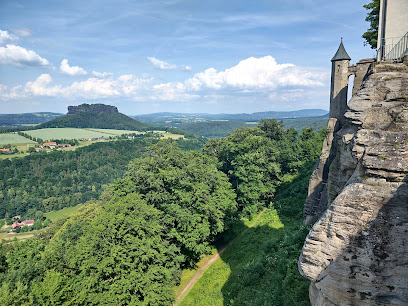
Neurathen Castle
13.9 km
Explore the ruins of Neurathen Castle in Saxon Switzerland, a medieval rock fortress offering breathtaking views and a glimpse into the region's rich history and natural beauty.
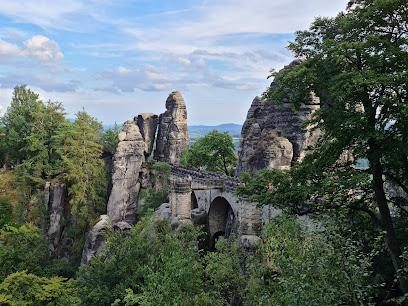
The Beeches B&B
16.9 km
Experience comfort and charm at The Beeches B&B in Chřibská, your perfect base for exploring the stunning Czech countryside.
Unmissable attractions to see

Rübezahl's Steps
0.5 km
Explore the breathtaking Rübezahl's Steps in Saxon Switzerland, a hiker's haven filled with stunning landscapes and rich folklore.
Heilige Stiege
1.1 km
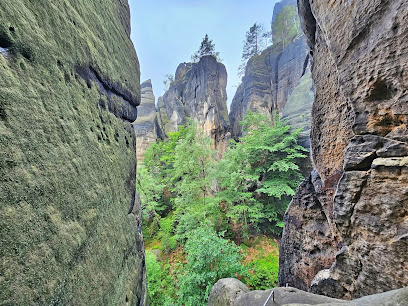
Explore Heilige Stiege in Bad Schandau: A stunning hiking area with breathtaking views and tranquil trails perfect for all nature lovers.
Carolafelsen
1.4 km
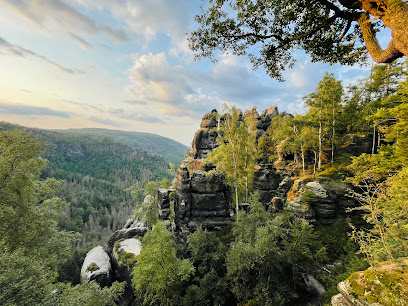
Discover the breathtaking beauty of Carolafelsen in Bad Schandau, a scenic spot where nature and tranquility meet.
Elbleitenweg - kleine Bastei
1.7 km
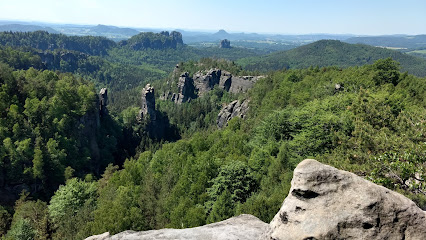
Explore the breathtaking landscapes of Elbleitenweg in Saxon Switzerland National Park, a paradise for hiking and nature enthusiasts.
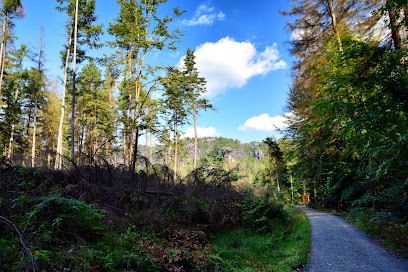
Twin's Steps
1.8 km
Ascend into the heart of Saxon Switzerland via the thrilling Twin's Steps, a natural staircase offering breathtaking views and unforgettable hiking adventures near Bad Schandau.
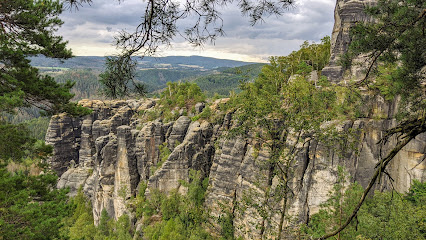
Strong Steps
1.8 km
Discover the thrill of rock climbing and hiking amidst the breathtaking Elbe Sandstone Mountains near Bad Schandau, Germany, a haven for outdoor adventures and stunning vistas.
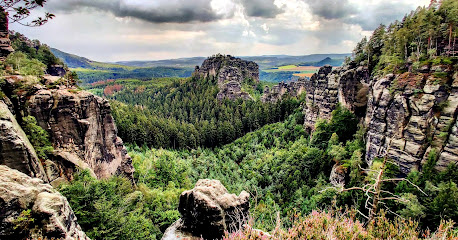
Schneider's Hole
2.0 km
Discover Schneider's Hole near Bad Schandau: A captivating hiking area in Saxon Switzerland with stunning landscapes, tranquil trails, and the intriguing Schneiderloch cave.
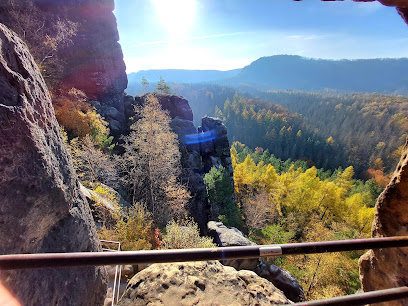
Felsentor 'Kuhstall'
2.0 km
Explore the enchanting Felsentor 'Kuhstall' in Bad Schandau, where stunning rock formations meet breathtaking views of Saxon Switzerland.
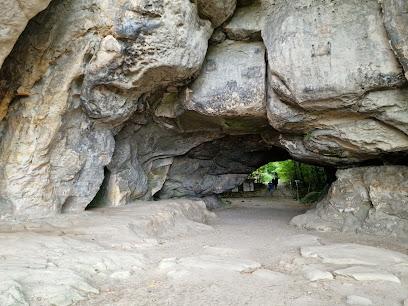
Stairway to Heaven
2.1 km
Ascend the thrilling 'Stairway to Heaven' in Saxon Switzerland for breathtaking views from the Kuhstall, explore ancient fortress ruins, and immerse yourself in the Elbe Sandstone Mountains.
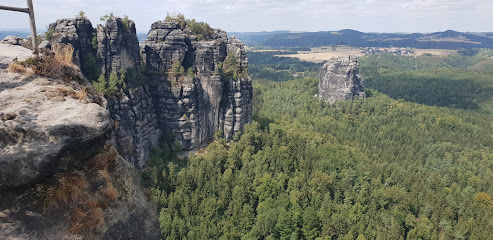
Saxon Switzerland National Park
2.1 km
Explore Saxon Switzerland National Park – a natural wonder filled with stunning rock formations, scenic trails, and breathtaking views in Germany.
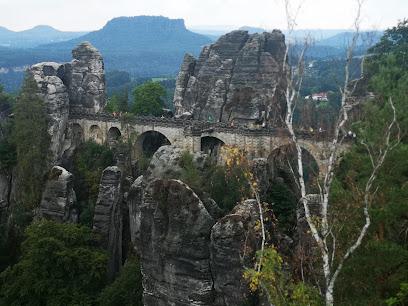
Wide Crevice
2.2 km
Discover the mystical Wide Crevice in Saxon Switzerland National Park: a narrow gorge carved by millennia of erosion, offering a thrilling hike through shadows and unique plant life near Bad Schandau.
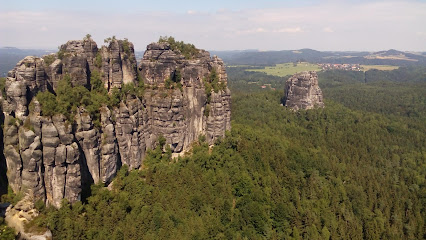
Richter Grotto
2.3 km
Discover the breathtaking Richter Grotto in Saxon Switzerland National Park, a perfect blend of stunning landscapes and natural serenity.
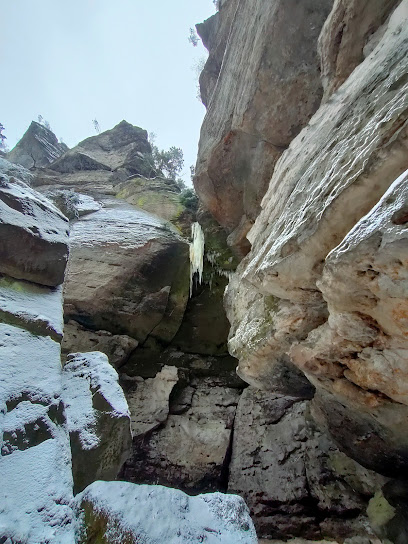
Devil's Tower
2.3 km
Discover the awe-inspiring beauty of Devil's Tower, a premier hiking destination in Bad Schandau, perfect for nature lovers and adventurers alike.
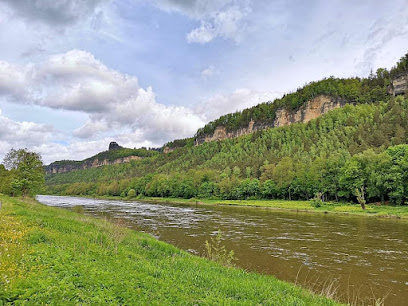
Lichtenhain Waterfall
2.5 km
Discover the enchanting Lichtenhain Waterfall, a pristine natural wonder nestled in the heart of Saxon Switzerland, perfect for nature lovers and adventurers.
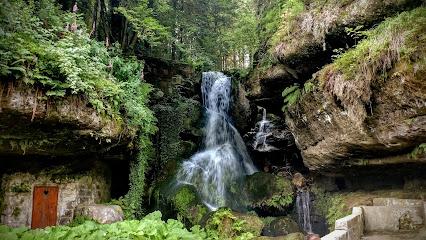
Small Prebisch Cone / Small Pravčický Kužel
3.2 km
Discover the hidden gem of Bohemian Switzerland: Ascend the Small Prebisch Cone for breathtaking panoramic views and an intimate encounter with nature's artistry.
Essential places to dine

The Cowshed - Mountain Inn
2.1 km
Discover rustic charm and delightful regional cuisine at The Cowshed - Mountain Inn in Bad Schandau's breathtaking landscapes.
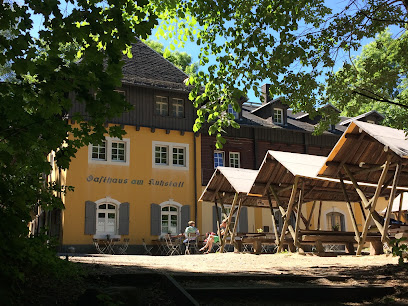
Schmilk'sche Mühle mit Bäckerei & Biergarten
2.2 km
Experience authentic German flavors at Schmilk'sche Mühle – A historic bakery and beer garden nestled in scenic Schmilka.
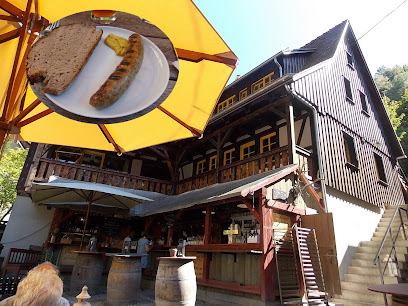
Bio-Restaurant StrandGut
2.3 km
Discover organic dining at Bio-Restaurant StrandGut in Schmilka - where nature meets culinary excellence.
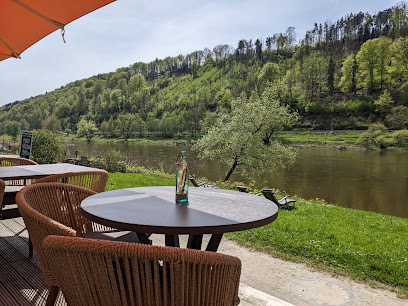
Neumann Mill
2.9 km
Experience traditional German cuisine at Neumann Mill's inviting restaurant and beer garden in scenic Saxon Switzerland.
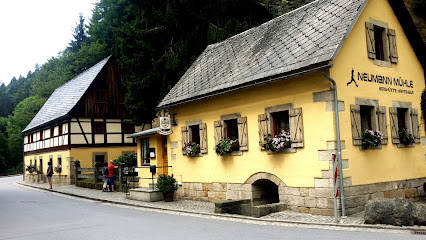
Restaurace Praha
3.6 km
Experience authentic Czech cuisine at Restaurace Praha in Hřensko, where local flavors meet stunning natural beauty.
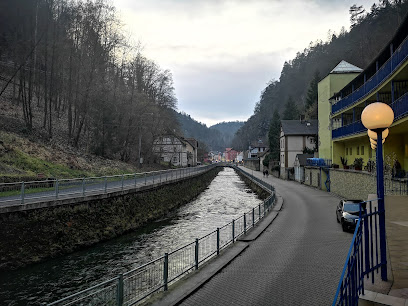
Penzion Klepáč
3.7 km
Discover authentic Czech cuisine at Penzion Klepáč in Hřensko – where tradition meets breathtaking scenery.
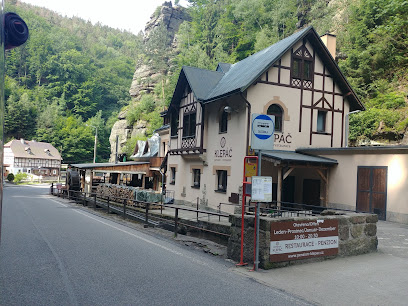
The Crab House Restaurant
3.8 km
Experience authentic Czech cuisine at The Crab House Restaurant in Hřensko, where fresh seafood meets local culinary traditions.
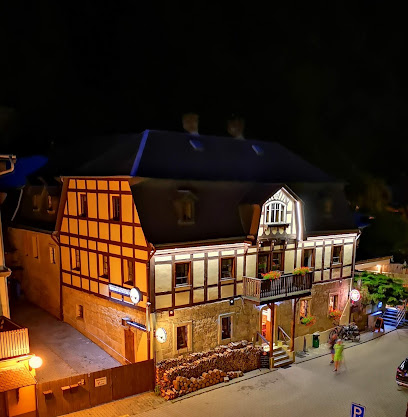
The Dragon Inn
3.8 km
Discover authentic Czech cuisine at The Dragon Inn in Hřensko—where local flavors meet warm hospitality amid stunning landscapes.
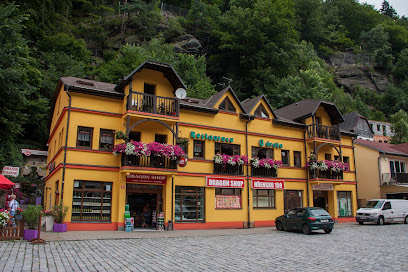
The Falcon Inn
3.8 km
Experience comfort and Czech cuisine at The Falcon Inn in picturesque Hřensko, surrounded by stunning natural beauty.
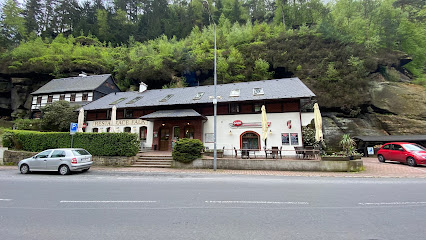
Parish House Inn
3.8 km
Discover authentic Czech flavors at Parish House Inn in Hřensko - a cozy retreat for food lovers amidst stunning natural beauty.
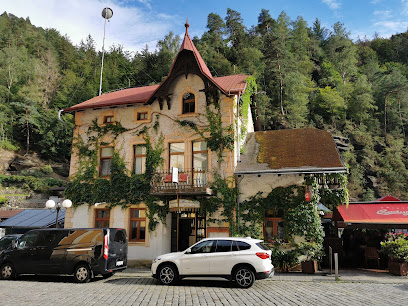
Maya Inn
3.9 km
Experience authentic Czech cuisine at Maya Inn in Hřensko – where every dish tells a story of tradition and hospitality.
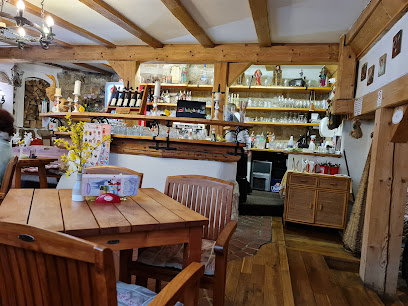
Restaurant Bamboo
3.9 km
Experience authentic Czech cuisine at Restaurant Bamboo in Hřensko - where great taste meets affordability.
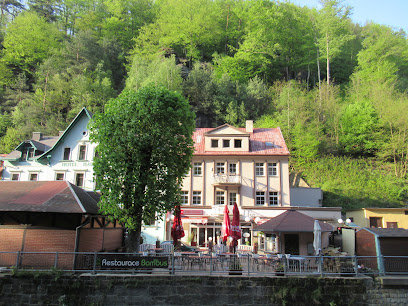
Hotel & Restaurant Forsthaus - Pura Hotels GmbH
4.3 km
Discover tranquility and culinary excellence at Hotel & Restaurant Forsthaus in beautiful Kirnitzschtal Valley.

Gaststätte und Pension Schrammsteinbaude
4.7 km
Experience authentic local cuisine and cozy accommodations at Gaststätte und Pension Schrammsteinbaude in Bad Schandau's stunning landscapes.
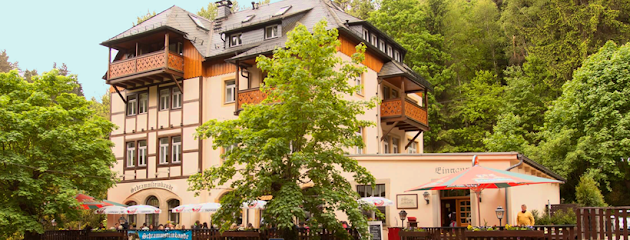
Ottendorfer Hütte
5.1 km
Discover authentic German cuisine at Ottendorfer Hütte in Sebnitz—where traditional flavors meet tranquil surroundings.
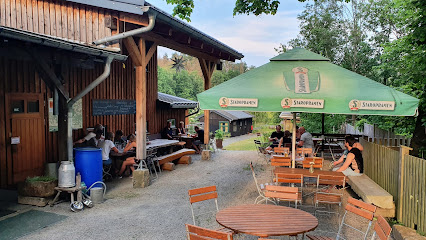
Markets, malls and hidden boutiques

Villa Thusnelda & Café Richter
2.4 km
Experience the charm of Schmilka at Villa Thusnelda & Café Richter, where delicious local cuisine meets cozy accommodations in a breathtaking setting.
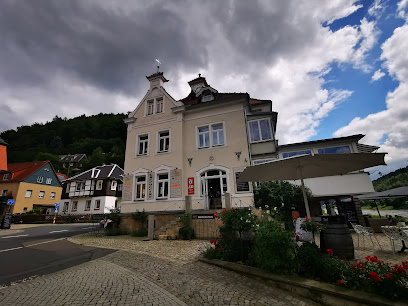
Velta Free Shop
3.2 km
Explore Hřensko's Velta Free Shop for a unique shopping experience filled with quality goods and local craftsmanship in a picturesque setting.
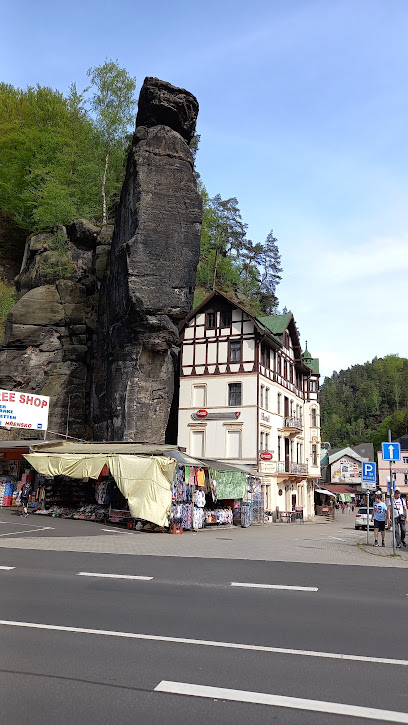
DRAGON SHOP
3.8 km
Explore the Dragon Shop in Hřensko for unique tobacco products and local souvenirs amidst breathtaking natural beauty.
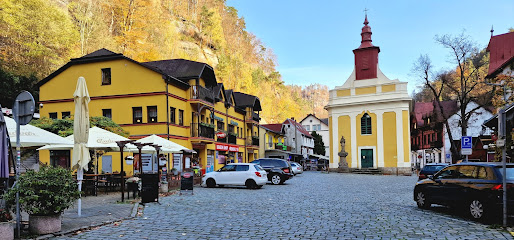
Gube Traktoren Lichtenhain
4.4 km
Discover Gube Traktoren Lichtenhain, your gateway to the world of tractors and agricultural machinery in the stunning German countryside.

Robert Bosch Power Tools GmbH
6.8 km
Explore innovative tools and cutting-edge technology at Robert Bosch Power Tools GmbH in scenic Sebnitz.
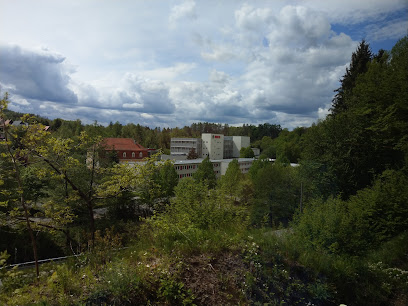
star Tankstelle
6.9 km
Discover convenience and quality at star Tankstelle in Sebnitz, where fueling up meets delicious treats and essential services.
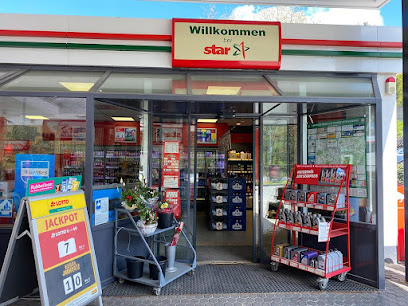
Wilhelm Kimmel GmbH & Co.KG
6.9 km
Explore Wilhelm Kimmel GmbH & Co.KG in Sebnitz for an incredible selection of high-quality bathroom supplies and expert advice.
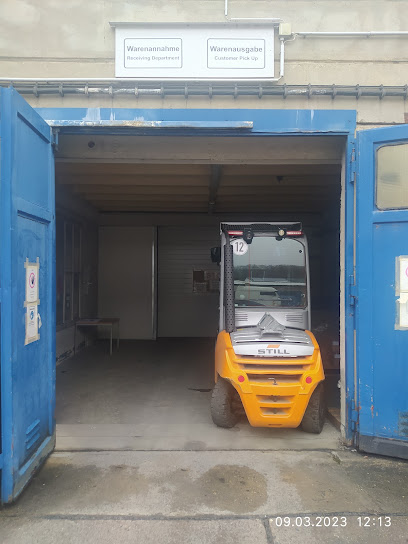
Shoes & Leather Goods business
7.0 km
Explore Bad Schandau's finest shoe store for quality footwear and leather goods, perfect for every adventure and style.

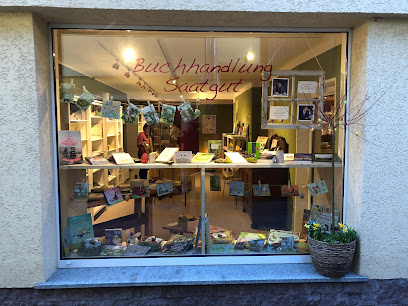
Buchhandlung Saatgut
7.1 km
Explore Buchhandlung Saatgut in Bad Schandau, a charming book store offering a diverse selection of literature in a cozy atmosphere.
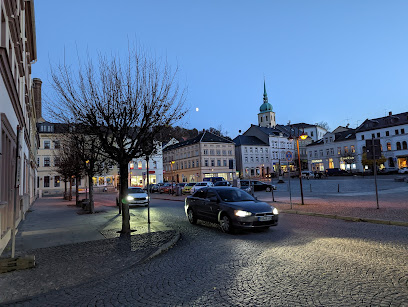
Café La Vita Sebnitz
7.4 km
Discover the sweet escape of Café La Vita Sebnitz, where artisanal ice creams and delightful desserts await in a charming setting.
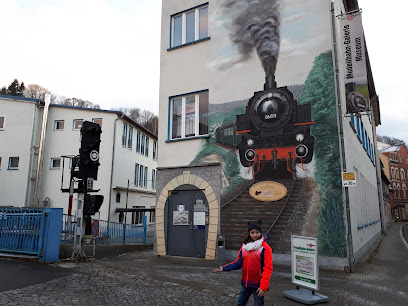
Tillig Modellbahnen GmbH
7.6 km
Explore the enchanting world of model railroads at Tillig Modellbahnen GmbH in Sebnitz – a paradise for train lovers and curious tourists.
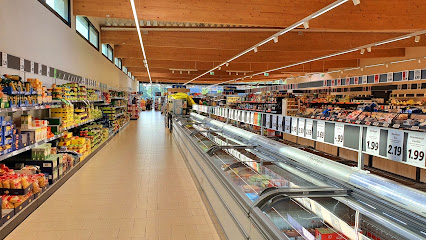
Lidl
7.9 km
Discover quality groceries and organic options at Lidl in Bad Schandau, your one-stop shop for all your travel needs.
dm-drogerie markt
7.9 km
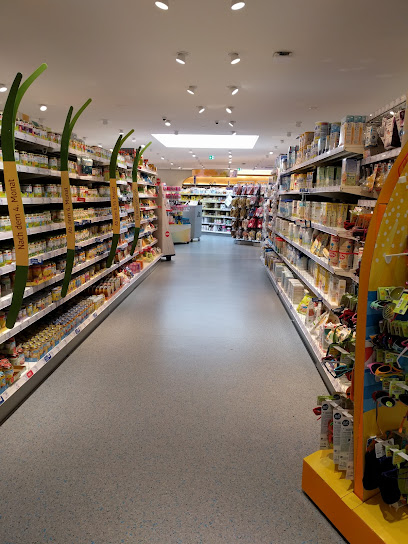
Experience the convenience of dm-drogerie markt in Bad Schandau, your go-to drug store for cosmetics, groceries, and more, all in a charming setting.
Browser-Games
8.1 km
Discover the ultimate destination for video game enthusiasts in Sebnitz, offering a vast selection of games and gaming gear for all ages.
Dragon Shopping Center
8.3 km
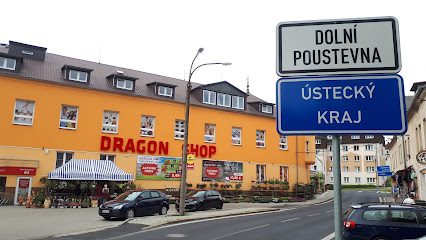
Explore the Dragon Shopping Center for an unforgettable shopping experience in Dolní Poustevna, filled with diverse stores and delightful eateries.
Essential bars & hidden hideouts

Gastwirtschaft Altes Zeughaus
3.1 km
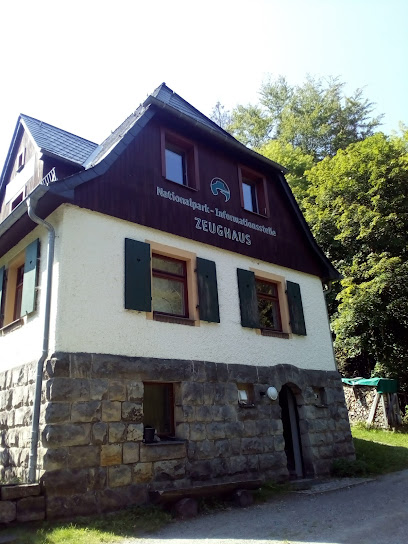
Experience the essence of traditional German cuisine at Gastwirtschaft Altes Zeughaus, nestled in the beautiful Kirnitzschtal valley.
Flößerstube
4.9 km
Discover Flößerstube in Bad Schandau, where traditional German cuisine meets stunning natural beauty, offering a delightful dining experience.
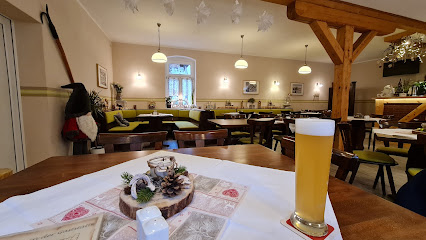
Eiscafé „Vivaldi“
7.0 km
Discover the authentic taste of Italy at Eiscafé Vivaldi, where scrumptious ice creams and traditional dishes await in Bad Schandau.
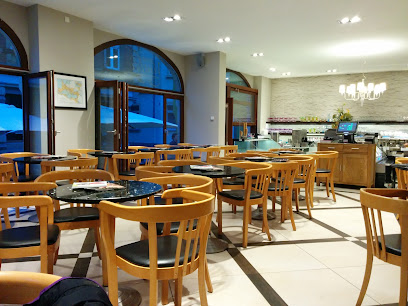
Elbterrasse
7.1 km
Discover exquisite dining at Elbterrasse in Bad Schandau, where culinary delights meet breathtaking views of the Elbe River.
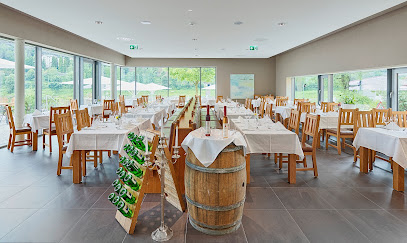
Tasca las Flores
12.7 km
Discover the vibrant flavors of Spain at Tasca las Flores, Königstein's premier tapas bar serving authentic dishes in a charming atmosphere.
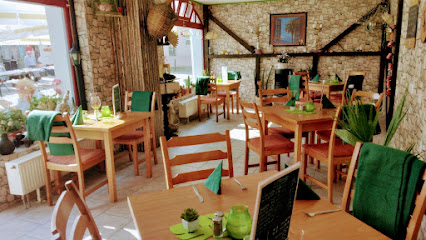
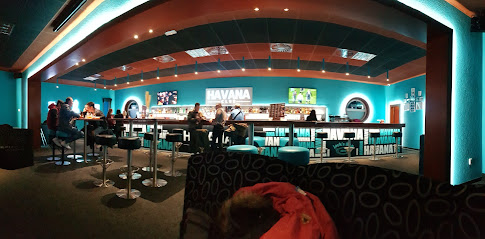
Havana Club Decin
14.2 km
Discover the lively Havana Club Decin: a cocktail bar in Děčín with an eclectic menu and vibrant atmosphere for an unforgettable night out.
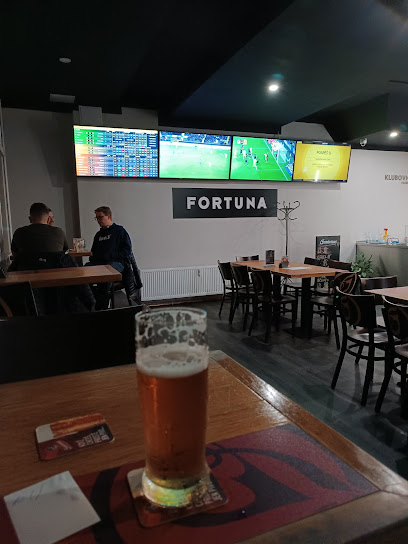
Klubovna Florida
14.3 km
Experience the vibrant nightlife of Děčín at Klubovna Florida, where good drinks and great company await you.
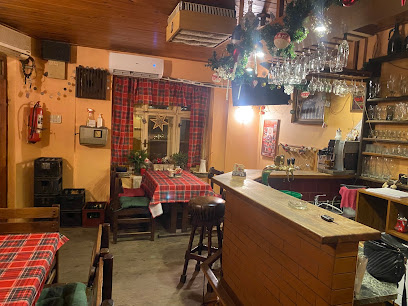
Bistro Kameňák
14.3 km
Discover Bistro Kameňák, a charming bar in Děčín, offering a delightful selection of drinks in a cozy and inviting atmosphere.

BÍLÝ BOXER
14.3 km
Discover the authentic taste of Czech cuisine and local beers at BÍLÝ BOXER pub in Děčín.
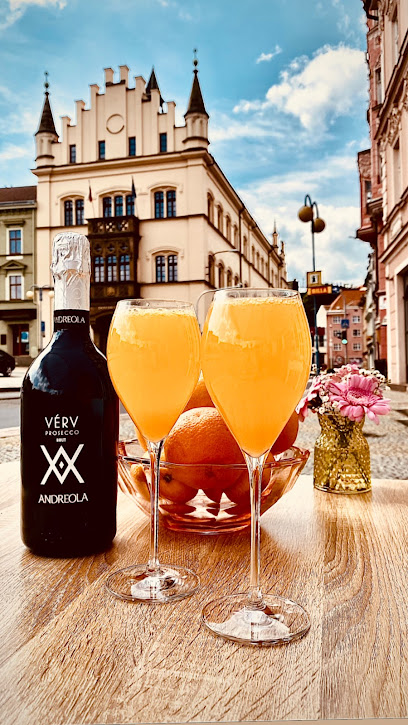
Prosecco Děčín
14.4 km
Discover the enchanting Prosecco Děčín, a wine bar offering exquisite sparkling wines in a cozy, inviting atmosphere perfect for relaxation and socializing.
Pivnice Na Čechách
14.8 km
Experience authentic Czech pub culture at Pivnice Na Čechách, offering local beers and hearty dishes in a warm, inviting atmosphere.
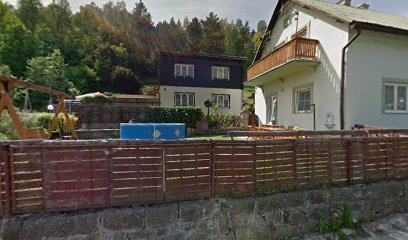
Arizona
15.2 km
Discover the stunning landscapes and rich cultural heritage of Arizona, from the Grand Canyon to vibrant towns and delicious Southwestern cuisine.
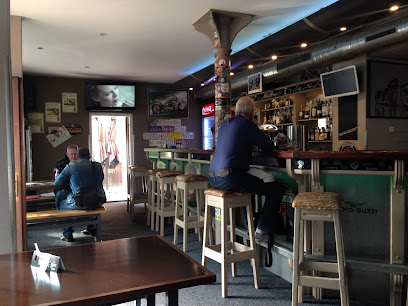
Hospůdka Chaloupka
15.2 km
Discover authentic Czech cuisine and a warm atmosphere at Hospůdka Chaloupka, the perfect pub experience in Děčín.
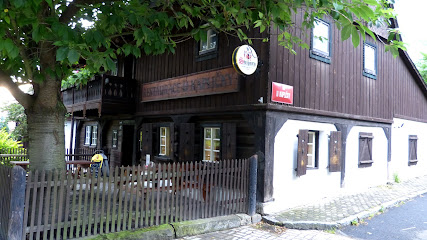
Bar U Prince
15.3 km
Discover Bar U Prince in Podmokly - a lively bar with a welcoming atmosphere, perfect for enjoying local drinks and making new friends.
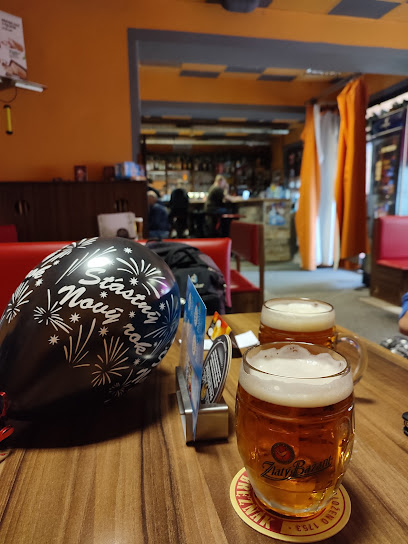
Hospůdka Tango
15.4 km
Hospůdka Tango in Děčín: A cozy bar offering a delightful selection of drinks, live music, and a welcoming atmosphere for all visitors.
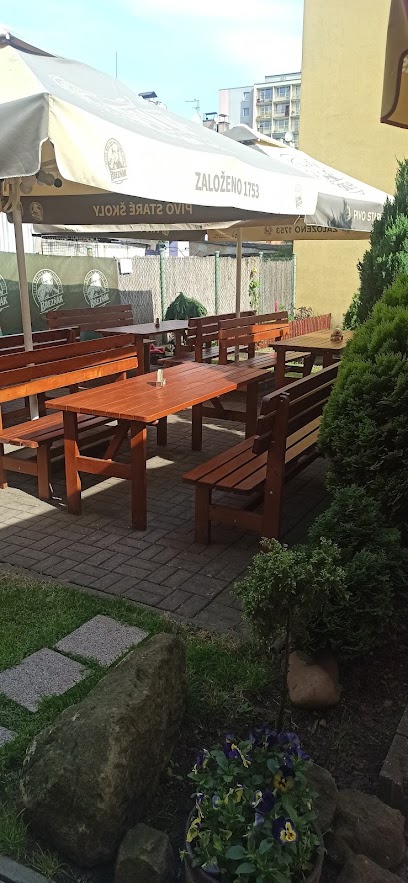
Nightclubs & after hour spots

Beach-Bar
6.8 km
Experience the perfect blend of relaxation and indulgence at Beach-Bar in Bad Schandau, offering delicious snacks, ice cream, and a refreshing atmosphere.
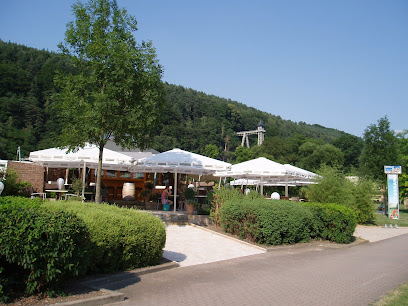
Club Max Děčín
14.4 km
Discover the electrifying nightlife at Club Max Děčín, where music, dancing, and unforgettable moments come together in style.
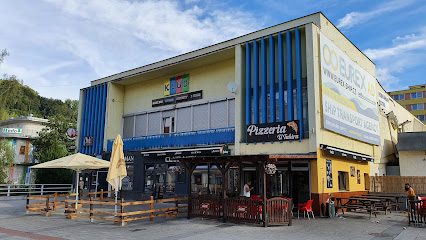
Night Club
14.6 km
Experience the vibrant nightlife of Děčín at the city's top night club, where music, dance, and unforgettable memories await.
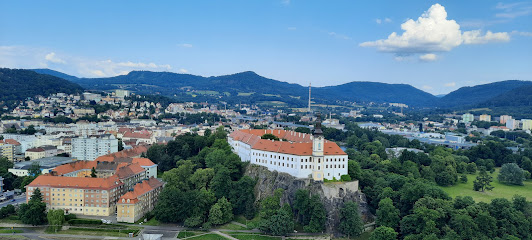
KL 32
20.7 km
Discover the pulse of Stolpen's nightlife at KL 32, a vibrant night club offering exceptional music, drinks, and an unforgettable atmosphere.
Night Club Claudie
22.1 km
Dance the night away at Night Club Claudie in Rumburk, where vibrant energy meets unforgettable nightlife experiences.
Inh. Falko Kunert
24.6 km
Discover the electric atmosphere of Inh. Falko Kunert, a premier night club in Pirna, where the night comes alive with music and dance.
Oberland-Discothek
28.2 km
Experience the best of nightlife at Oberland-Discothek in Cunewalde, where music and dance create unforgettable memories.
Goldener Stern
28.5 km
Discover the lively nightlife of Goldener Stern in Kottmar, a vibrant night club perfect for dancing and socializing.
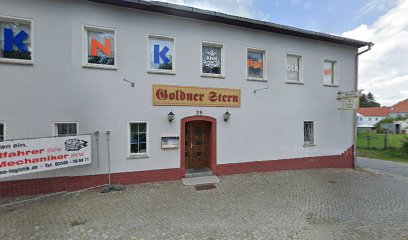
CLUB Lamporphyr
31.0 km
Dive into the vibrant nightlife of Bautzen at CLUB Lamporphyr, where great music and unforgettable experiences await you!
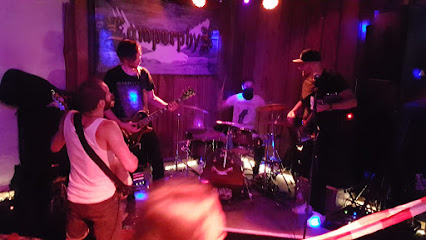
Stolperdiele Nightclub & Bar
33.0 km
Discover the heart of Dresden's nightlife at Stolperdiele Nightclub & Bar, where music, dance, and delightful refreshments create unforgettable nights.
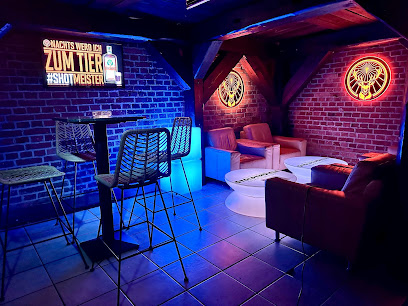
Brigade Sonnenschein
36.1 km
Experience the vibrant nightlife at Brigade Sonnenschein, a premier night club in Löbau, where music, dance, and good times come together.
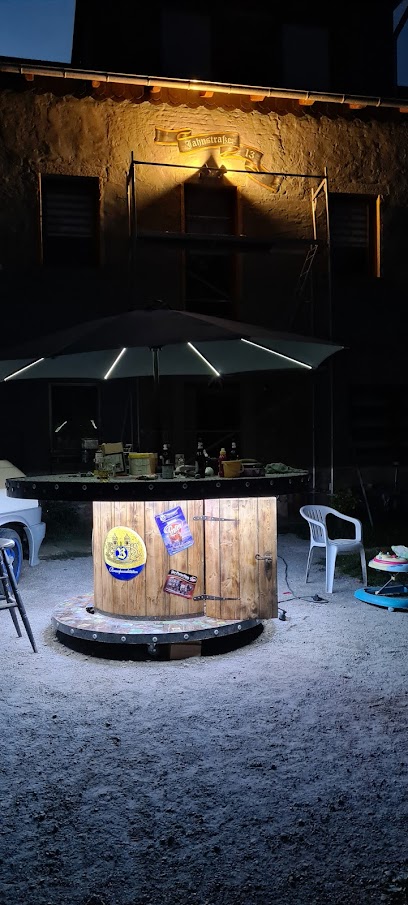
Glory Club
37.7 km
Discover the electrifying nightlife of Glory Club in Dresden, where music, dance, and vibrant energy come together for an unforgettable experience.
Arteum - Dresden
37.7 km
Immerse yourself in Dresden's nightlife at Arteum, the ultimate night club experience with vibrant music, stylish ambiance, and unforgettable parties.
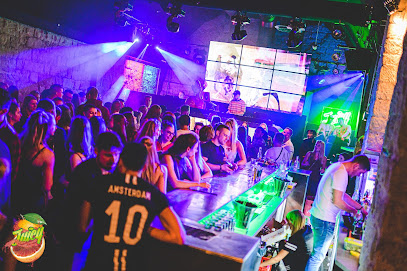
INDUSTRIE 38 A
38.1 km
INDUSTRIE 38 A: Discover Dresden's premier disco club for an electrifying nightlife experience filled with music, dancing, and unforgettable moments.

Starclub Zittau
38.5 km
Discover the electrifying atmosphere of Starclub Zittau, where unforgettable nights of music, dancing, and fun await in the heart of Zittau's nightlife.