Background

Altes Schienendenkmal: A Relic of Saxony's Railway History

Explore the Altes Schienendenkmal in Wilsdruff, a historic railway monument offering a glimpse into Saxony's rich transportation heritage and the era of narrow-gauge railways.

4.4

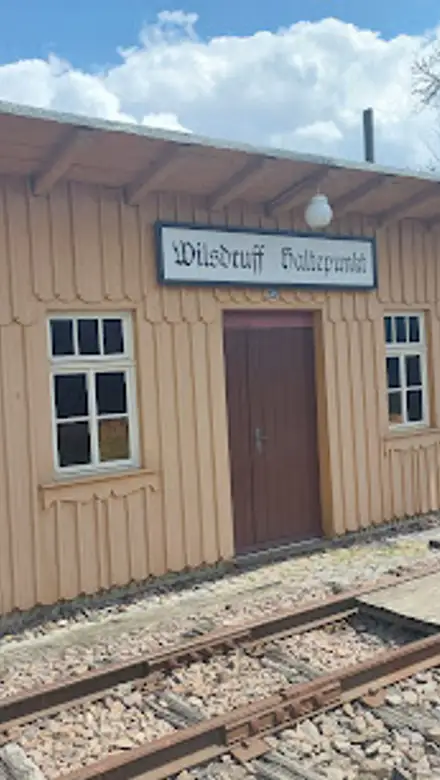
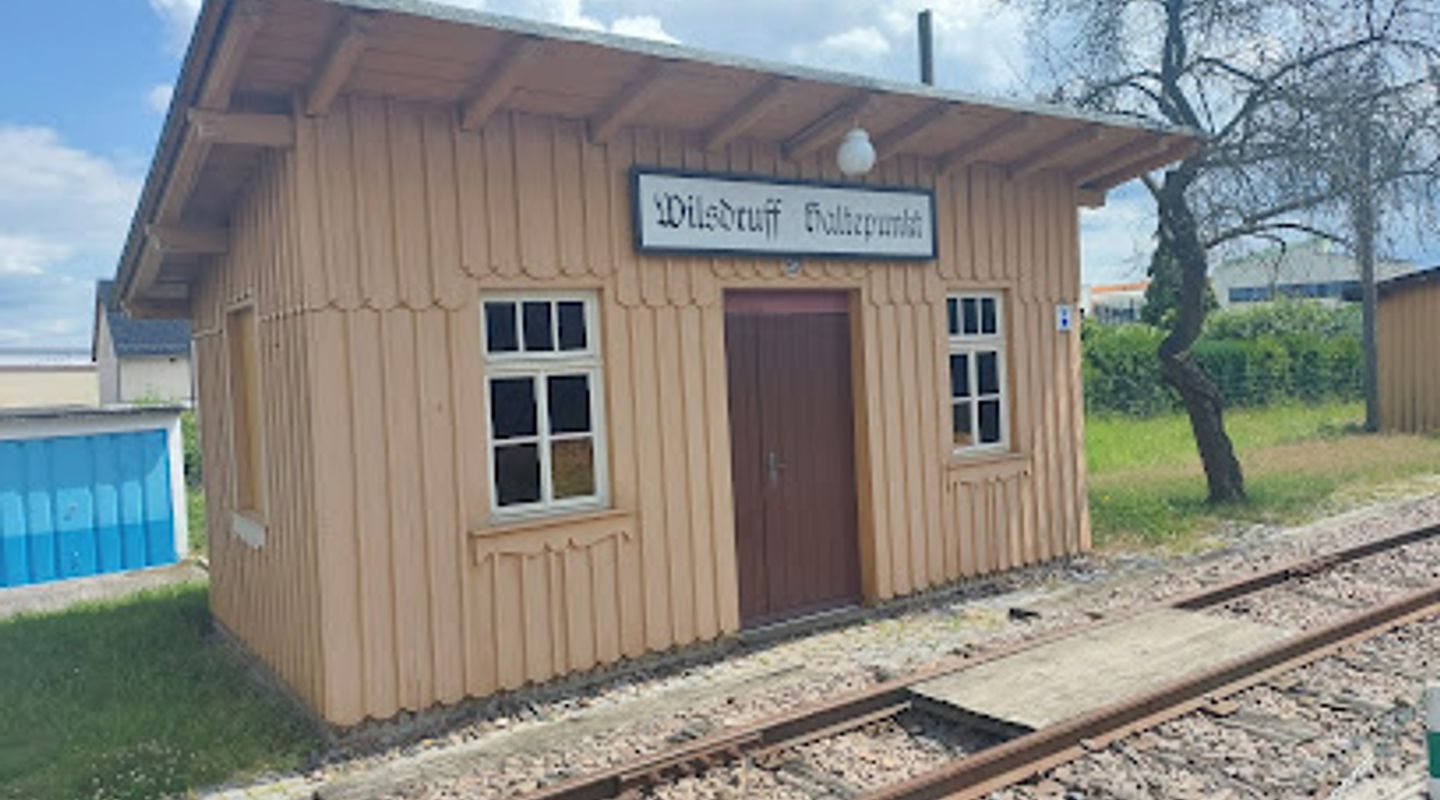
The Altes Schienendenkmal (Old Railway Monument) in Wilsdruff is a poignant reminder of the town's significant role in Saxony's narrow-gauge railway network. Once the second-largest narrow-gauge railway station in Germany, Wilsdruff was a bustling hub connecting various regional lines. Today, the monument stands as a testament to this rich history, featuring preserved tracks and railway artifacts. While the original station buildings no longer exist, the remaining infrastructure offers a glimpse into the past. Railway enthusiasts and history buffs will appreciate the opportunity to explore this tangible piece of industrial heritage. The site is freely accessible, making it an ideal stop for those interested in the region's transportation legacy. Though modest in scale, the Altes Schienendenkmal provides valuable insight into the importance of railways in shaping the local community and economy.

A brief summary to Altes Schienendenkmal

  • Wilsdruff, 01723, DE
  • Monday 12 am-12 am
  • Tuesday 12 am-12 am
  • Wednesday 12 am-12 am
  • Thursday 12 am-12 am
  • Friday 12 am-12 am
  • Saturday 12 am-12 am
  • Sunday 12 am-12 am

Local tips

  • Combine your visit with a trip to the nearby Schmalspurbahnmuseum (narrow gauge railway museum) for a more comprehensive understanding of the region's railway history.
  • Check local bus schedules in advance, especially if traveling on weekends or holidays, as service frequency may be reduced.
  • Wear comfortable shoes, as you'll be walking on uneven surfaces and exploring the outdoor areas of the monument.
widget icon

Getting There

  • Public Transport

    From Dresden, take bus line 333 or 424 to Wilsdruff. From Wilsdruff Markt, the central bus station, it's approximately a 10-15 minute walk to the Altes Schienendenkmal. Follow Freiberger Straße in the direction of Grumbach. The monument will be on your right. A single bus fare from Dresden to Wilsdruff costs approximately €4-€6.

  • Taxi/Ride-Share

    A taxi or ride-share from Dresden to the Altes Schienendenkmal in Wilsdruff will take approximately 20 minutes and cost between €40-€55. From the town center of Wilsdruff, a taxi to the monument should cost around €10-€15.

  • Driving

    From Dresden, take the A4 motorway to the Wilsdruff junction. Follow signs towards the center of Wilsdruff and then towards Grumbach. Parking is available near the monument. Parking fees are generally free, but it's advisable to check for any posted regulations upon arrival.

Unlock the Best of Altes Schienendenkmal

Buy tickets

    No tickets available

Book tours with entry

    No tours available

Book tours without entry

    No tours available

Discover more about Altes Schienendenkmal

The Altes Schienendenkmal, or Old Railway Monument, in Wilsdruff, Germany, serves as a compelling reminder of a bygone era when narrow-gauge railways were the lifeblood of Saxony's transportation network. Wilsdruff, a town nestled near Dresden, once held the distinction of being the second-largest narrow-gauge railway station in Germany, a pivotal center connecting numerous regional lines and facilitating the movement of goods and people across the region. This monument isn't just a collection of old tracks; it's a tangible link to a time when steam engines chugged through the countryside, connecting communities and driving economic growth. While the grand station buildings that once dominated the landscape are now gone, the preserved tracks and railway artifacts offer a glimpse into the intricate infrastructure that supported this vast network. Imagine the scene: the hiss of steam, the clatter of carriages, and the bustling activity of passengers and freight being loaded and unloaded. The history of Wilsdruff's railway dominance dates back to 1886 when the town first gained its rail connection via the narrow-gauge line from Freital-Potschappel. Initially, the station was relatively simple, featuring a two-story building, a small goods shed, and a locomotive shed capable of housing just two engines. However, as the narrow-gauge network expanded towards Nossen and traffic volumes surged, the station quickly became overwhelmed. This led to significant expansions, culminating in the construction of a larger locomotive shed in 1951, complete with an extensive workshop. At its peak, Wilsdruff station was a sprawling complex, a testament to the importance of rail transport in the region. The Altes Schienendenkmal isn't just about the physical infrastructure; it's also about the people who worked and traveled on these railways. It's about the engineers who meticulously maintained the locomotives, the conductors who ensured the safe passage of passengers, and the countless individuals whose lives were touched by the railway. The monument serves as a tribute to their dedication and hard work, reminding us of the human element behind this industrial marvel. Sadly, the era of narrow-gauge railways in Wilsdruff came to an end in the latter half of the 20th century. With the decline in traffic and the closure of the line to Meißen in 1966, the station gradually lost its significance. The final passenger train departed Wilsdruff in 1972, marking the end of an era. In 1973, the tracks were dismantled, and the locomotive shed was repurposed for other industrial activities. However, the memory of Wilsdruff's railway heritage lived on, inspiring efforts to preserve and commemorate this important part of the town's history. In 2000, the town of Wilsdruff acquired the former railway grounds, with the long-term goal of revitalizing the area. This led to the development of a concept for the site, which included the preservation of the locomotive shed as a railway museum and the establishment of a draisine operation as a tourist attraction. Today, visitors can explore the Altes Schienendenkmal, wander along the preserved tracks, and imagine the bustling activity that once characterized this important railway hub. While the original station buildings are no longer standing, the remaining infrastructure provides a valuable glimpse into the past. For railway enthusiasts, the Altes Schienendenkmal is a must-see destination. It offers a unique opportunity to explore a tangible piece of Saxony's railway history and to learn about the vital role that narrow-gauge railways played in the region's development. The monument is freely accessible, making it an ideal stop for those interested in industrial heritage and local history. While it may be modest in scale compared to some larger railway museums, the Altes Schienendenkmal provides a valuable and authentic experience, connecting visitors to the rich transportation legacy of Wilsdruff and the surrounding area. Beyond its historical significance, the Altes Schienendenkmal also serves as a reminder of the importance of preserving our industrial heritage. It highlights the need to protect and celebrate the sites and structures that shaped our communities and contributed to our economic development. By preserving these tangible links to the past, we can ensure that future generations understand and appreciate the ingenuity and hard work of those who came before us. Visiting the Altes Schienendenkmal is like stepping back in time, allowing you to connect with the sights, sounds, and stories of a bygone era. It's an opportunity to appreciate the ingenuity of the engineers who designed and built the railways, the dedication of the workers who kept them running, and the impact that these railways had on the lives of countless individuals. So, if you're interested in railway history, industrial heritage, or simply want to experience a unique and authentic piece of Saxony's past, be sure to visit the Altes Schienendenkmal in Wilsdruff. It's a journey through time that you won't soon forget.

Popular Experiences near Altes Schienendenkmal

Popular Hotels near Altes Schienendenkmal

Select Currency