Imperial Palace, Gelnhausen, Spessart Travel Guide
Explore the ruins of Kaiserpfalz Gelnhausen, a Romanesque palace built by Emperor Barbarossa in the 12th century, and step back into the heart of the Holy Roman Empire.
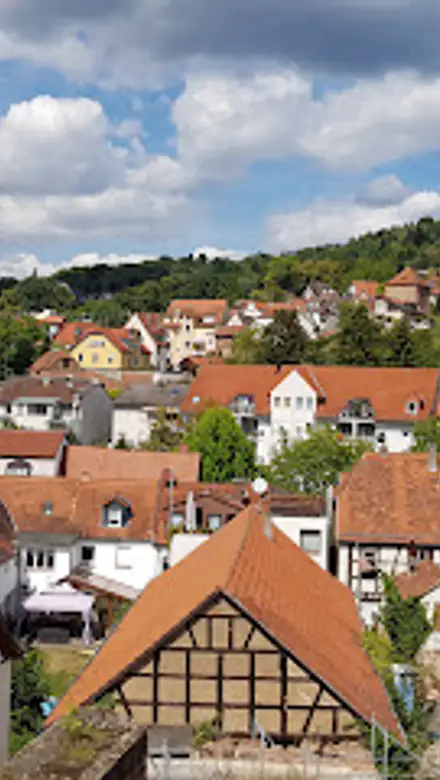
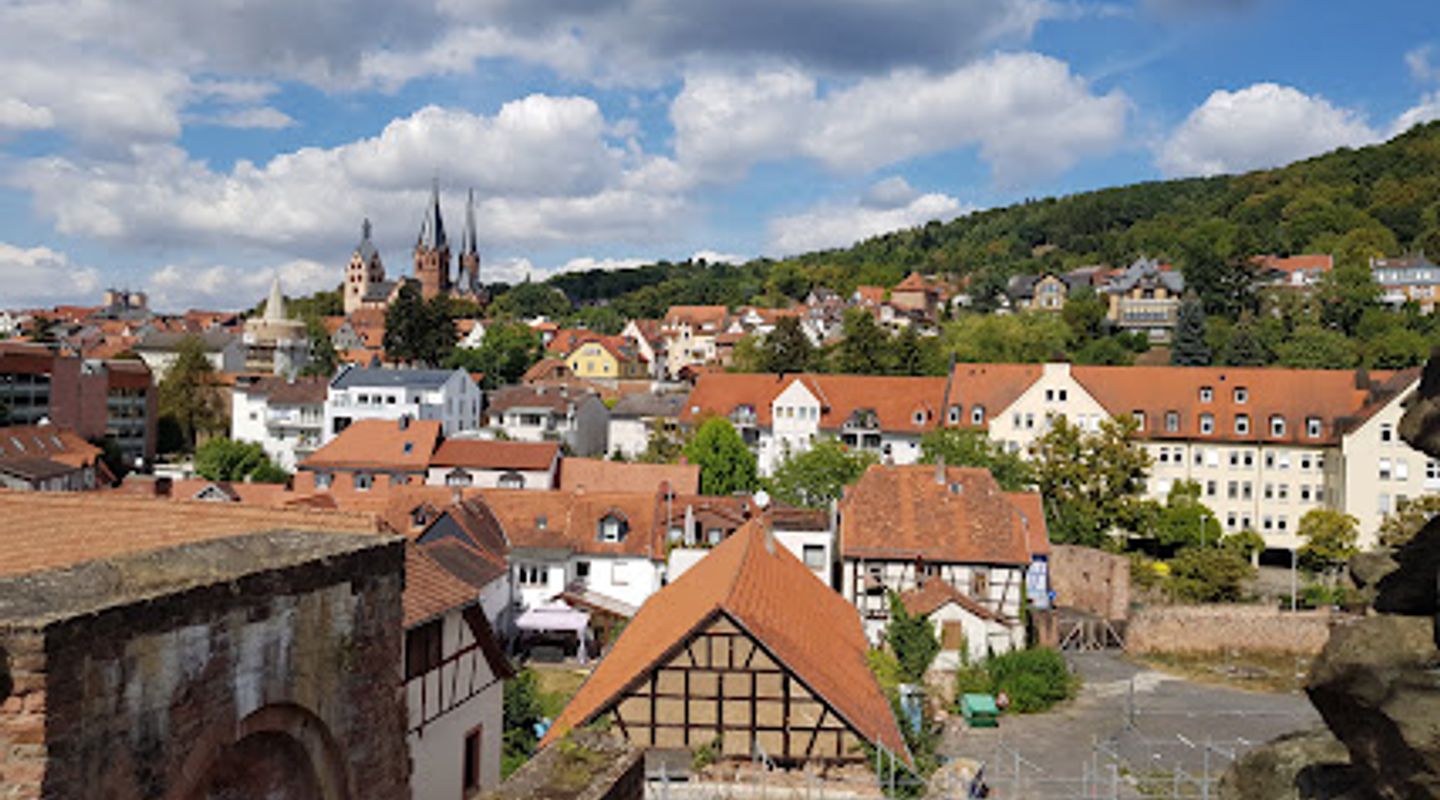
The Imperial Palace of Gelnhausen, or Kaiserpfalz, stands as a striking testament to the power and ambition of Emperor Frederick I Barbarossa. Founded in the late 12th century, this Romanesque moated castle, now in ruins, was once a vital center of the Holy Roman Empire. Located on an island in the Kinzig river, the palace showcases sophisticated architecture and intricate sculptures, particularly in its window arcades and column capitals. Although time has weathered its walls, the Kaiserpfalz remains the best-preserved palace of the Staufer dynasty, offering visitors a captivating glimpse into medieval history. Explore the gate hall, the only completely preserved room of the palace, and imagine the grand assemblies and imperial diets that once took place within these walls. The palace's strategic location along the Via Regia trade route contributed to Gelnhausen's rapid growth and prominence during the High Middle Ages, making it a significant historical landmark in Hesse.
A brief summary to Imperial Palace, Gelnhausen
- Burgstraße 14, Gelnhausen, 63571, DE
- Click to display
- Click to display
- Tuesday 10 am-5 pm
- Wednesday 10 am-5 pm
- Thursday 10 am-5 pm
- Friday 10 am-5 pm
- Saturday 10 am-5 pm
- Sunday 10 am-5 pm

Know before you go
Hi, I'm Eve. Here are a few practical things to know before exploring Imperial Palace, Gelnhausen.
- Wear comfortable shoes for exploring the uneven terrain of the palace ruins.
- Check the official website for special events and guided tours, which offer deeper insights into the palace's history.
- Combine your visit with a stroll through Gelnhausen's charming old town, located just a short walk from the palace.
Do you manage this location?
Take control to get all the benefits, like improved information, better appearance, and stronger visibility across AI-powered discovery. Learn more about listing your business on Evendo
Activate your presenceOther nearby places you may find interesting
The closest places of the same kind, if this one is not quite what you had in mind.
Explore Imperial Palace, Gelnhausen on the Map
A handpicked selection of must-see spots near Imperial Palace, Gelnhausen, mapped for you.
Getting There
-
Public Transport
From Gelnhausen train station, the Imperial Palace is approximately a 20-minute walk. Exit the station and follow Bahnhofstraße into the town center. Continue onto Barbarossastraße, cross the Kinzig river, and then turn left onto Burgstraße. The Imperial Palace will be on your right. The walk is mostly flat and well-signposted.
-
Taxi/Ride-Share
A taxi or ride-share from Gelnhausen train station to the Imperial Palace takes about 5-10 minutes, depending on traffic. Expect to pay around €8-€12 for the ride. Taxis are usually available at the train station, or you can use a ride-sharing app to request a pickup.
-
Driving
If driving, navigate to Burgstraße 14, 63571 Gelnhausen. Limited parking is available near the palace. Parking fees range from €1-€2 per hour. Consider parking in the town center and walking to the palace if parking is full. Note that Burgstraße can be congested during peak tourist season.
Discover more about Imperial Palace, Gelnhausen
More to explore near Imperial Palace, Gelnhausen













Your all‑in‑one travel companion app
Explore expert travel guides, compare and book tours, experiences, hotels, and more—all from the palm of your hand. Download now for seamless trip planning wherever your wanderlust takes you.


Explore More of Spessart
Looking beyond Imperial Palace, Gelnhausen? Discover Spessart for broader travel guides, local hot-spots, and regional highlights.
Explore Spessart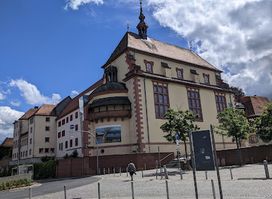
Explore the world's only comprehensive collection of Christian Schad's art in Aschaffenburg, showcasing his journey from Dada to New Objectivity within a beautifully restored historical setting.
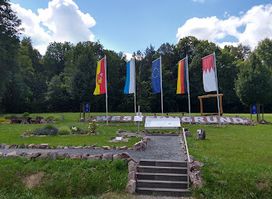
Discover the symbolic heart of Europe in Westerngrund, Germany, where the former geographical center of the EU offers a unique glimpse into European history and unity.