

Pompejanum Travel Guide
Free Guide: Step back in time at the Pompejanum in Aschaffenburg, a stunning recreation of a Roman villa offering a unique glimpse into ancient Roman life and culture.


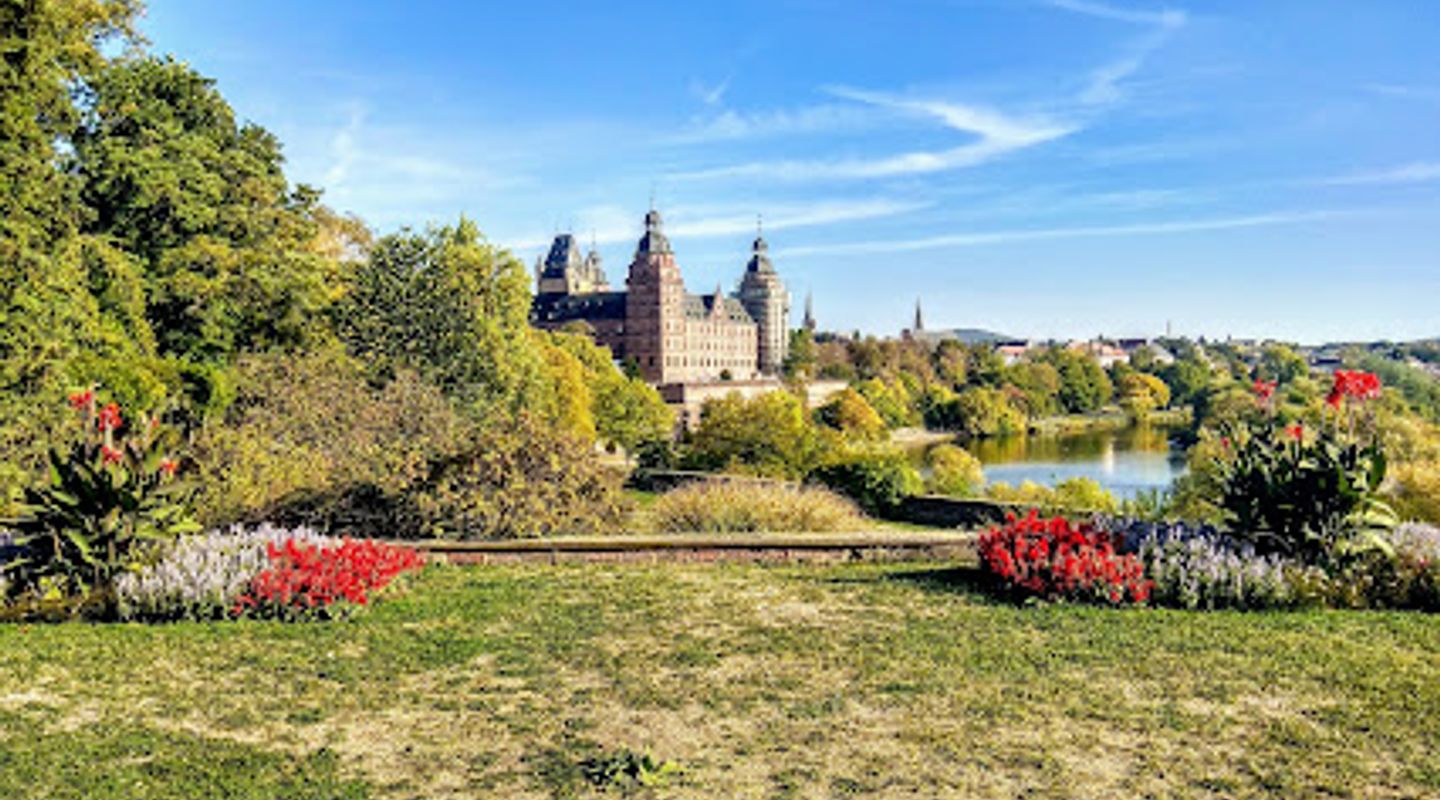
A brief summary of Pompejanum
Step back in time at the Pompejanum in Aschaffenburg, a stunning recreation of a Roman villa offering a unique glimpse into ancient Roman life and culture.
The Pompejanum in Aschaffenburg is a captivating recreation of a Roman villa, commissioned by King Ludwig I of Bavaria in the 1840s. Inspired by the excavations at Pompeii, this idealized replica offers a glimpse into ancient Roman domestic life. Situated on the banks of the Main River, near Johannisburg Palace, the Pompejanum features meticulously recreated frescoes, mosaics, and architectural details based on the Casa dei Dioscuri in Pompeii. Visitors can explore the villa's various rooms, including the atrium, peristyle garden, and dining areas, furnished with Roman-style artifacts. The surrounding Mediterranean garden enhances the atmosphere, creating a unique blend of Bavarian and Roman cultures. The Pompejanum provides a tangible representation of Roman architecture and lifestyle, making it a must-see attraction for history and art enthusiasts.
Opening hours
- MonClosed
- Tue9 am–6 pm
- Wed9 am–6 pm
- Thu9 am–6 pm
- Fri9 am–6 pm
- Sat9 am–6 pm
- Sun9 am–6 pm
Opening hours as listed on the venue’s Google Business Profile. Hours can change for services and special events, so check with the venue before you go.
- Address
- Pompejanumstraße 5, 63739 Aschaffenburg
- Phone
- Website
Getting there
Walking
Public Transport
Taxi/Ride-Share
Driving
Discover more about Pompejanum
Overview
Nestled on the high banks of the Main River in Aschaffenburg, the Pompejanum stands as an exquisite testament to King Ludwig I's fascination with classical antiquity. This meticulously crafted replica of a Roman villa offers visitors a unique opportunity to step back in time and experience the grandeur and elegance of Roman domestic life. Commissioned by King Ludwig I of Bavaria and constructed between 1840 and 1848, the Pompejanum is not merely a building; it is a portal to another era. Inspired by the archaeological discoveries at Pompeii, the villa is an idealized recreation of the Casa dei Dioscuri, or House of Castor and Pollux, one of the most impressive residences unearthed in the ancient city. The villa's design and construction were entrusted to the skilled hands of architect Friedrich von Gärtner, who meticulously recreated the architectural features, interior decorations, and garden layout of a typical Roman domus. The result is a stunningly accurate representation of Roman domestic architecture, offering visitors a tangible sense of what life was like for wealthy Roman citizens. As you approach the Pompejanum, its Mediterranean-style architecture stands in striking contrast to the surrounding Bavarian landscape. The villa's bright exterior, adorned with classical columns, intricate friezes, and vibrant frescoes, evokes the sun-drenched atmosphere of ancient Pompeii. The surrounding gardens, carefully landscaped with Mediterranean plants such as fig trees, almond trees, and grapevines, further enhance the illusion of being transported to the shores of the Bay of Naples. Stepping inside the Pompejanum is like entering a time capsule. The villa's rooms are arranged around a central atrium, an open-air courtyard that served as the heart of the Roman home. The atrium is adorned with a central impluvium, a shallow pool designed to collect rainwater, and surrounded by columns supporting a covered portico. The walls are decorated with vibrant frescoes depicting scenes from Roman mythology, daily life, and landscapes. Beyond the atrium lies the peristyle, a colonnaded garden that provided a tranquil oasis for relaxation and contemplation. The peristyle is surrounded by various rooms, including the triclinium (dining room), cubiculum (bedroom), and tablinum (study). Each room is meticulously furnished with Roman-style furniture, artifacts, and decorative elements, offering visitors a glimpse into the daily lives of the villa's inhabitants. The Pompejanum also houses a collection of original Roman artworks, including sculptures, mosaics, and pottery, on loan from the State Collections of Antiquities and the Glyptothek in Munich. These artifacts further enhance the authenticity of the villa and provide visitors with a deeper understanding of Roman art and culture. Throughout the year, the Pompejanum hosts a variety of special exhibitions and events, further enriching the visitor experience. These exhibitions explore various aspects of Roman history, art, and culture, providing new insights and perspectives on the ancient world. The Pompejanum is more than just a museum; it is a living testament to the enduring fascination with classical antiquity. It offers visitors a unique opportunity to immerse themselves in the world of ancient Rome, to experience the beauty and elegance of Roman architecture and art, and to gain a deeper appreciation for the rich cultural heritage of the Roman Empire. Whether you are a history buff, an art lover, or simply seeking a unique and memorable travel experience, the Pompejanum in Aschaffenburg is sure to captivate and inspire. It is a place where the past comes to life, where the spirit of ancient Rome is rekindled, and where visitors can embark on a journey of discovery and wonder. The Pompejanum is open seasonally, typically from late March/April to October. Be sure to check the official website for current opening hours and admission fees. A combination ticket is available for those who also wish to visit Johannisburg Palace, located nearby. Allow at least two to three hours to fully explore the Pompejanum and its gardens. Guided tours are available for those who wish to delve deeper into the history and significance of the villa. Don't miss the opportunity to stroll through the Mediterranean garden surrounding the Pompejanum. It's a tranquil oasis that evokes the spirit of ancient Pompeii. Photography is permitted inside the Pompejanum, so be sure to bring your camera to capture the beauty and detail of the villa's architecture and artwork. The Pompejanum is easily accessible by public transportation and car. Parking is available in nearby parking garages. The Pompejanum is a truly unique and unforgettable travel destination. It is a place where history, art, and culture come together to create an experience that will stay with you long after you leave.
Evendo Review Centre
 Google
Guest reviews
Explore Pompejanum on the map
A handpicked selection of must-see spots near Pompejanum, mapped for you.
Get your free copy of our complete guide to Pompejanum, delivered straight to you.
Everything on this page, from opening hours and how to get there to Eve’s tips and the best time to go, in one PDF you can read offline, print or share.
Already have an account? Sign in
Your Pompejanum guide is ready.
We'll send it to · Not you? Sign out

Getting your guide ready…
We are putting together a fresh copy of the Pompejanum guide. This can take up to a minute.
This can take a few moments. If your browser asks, choose Allow so the download can start. You'll find the guide in your Downloads folder.
Nothing happened? Download it again
Sorry, the guide is taking longer than usual. Please try again in a minute, or get it by email instead.
Unlock the best of Pompejanum
Skip-the-line tickets, guided tours with entry, and walking tours of the area, booked in a few clicks.

Other nearby places you may find interesting
The closest places of the same kind, if this one is not quite what you had in mind.
-
-
-
-
-


Swipe for more places
More to explore near Pompejanum

 Best experiences near Pompejanum
 Best hotels near Pompejanum
 Best landmarks near Pompejanum
 Best attractions near Pompejanum
 Best shops near Pompejanum
 Best restaurants near Pompejanum
 Best bars near Pompejanum
Do you manage this location?
Take control to get all the benefits, like improved information, better appearance, and stronger visibility across AI-powered discovery.
Explore more

Explore more of Spessart
Discover Spessart, Germany's enchanting forested region, rich in folklore, history, and natural beauty. Wander through medieval towns, ancient woodlands, and captivating trails.
Explore Spessart
Explore more of Germany
Experience Germany: where history meets innovation, and urban energy blends with natural beauty. Discover diverse cultures, delicious cuisine, and stunning landscapes.
Explore Germany
