Background

Schloss Johannisburg: A Renaissance Masterpiece

Explore Schloss Johannisburg, Aschaffenburg's iconic Renaissance palace, home to stunning architecture, rich history, and the world's largest cork model collection.

4.1

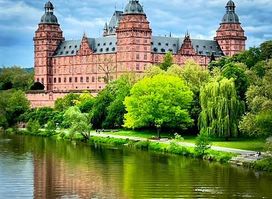
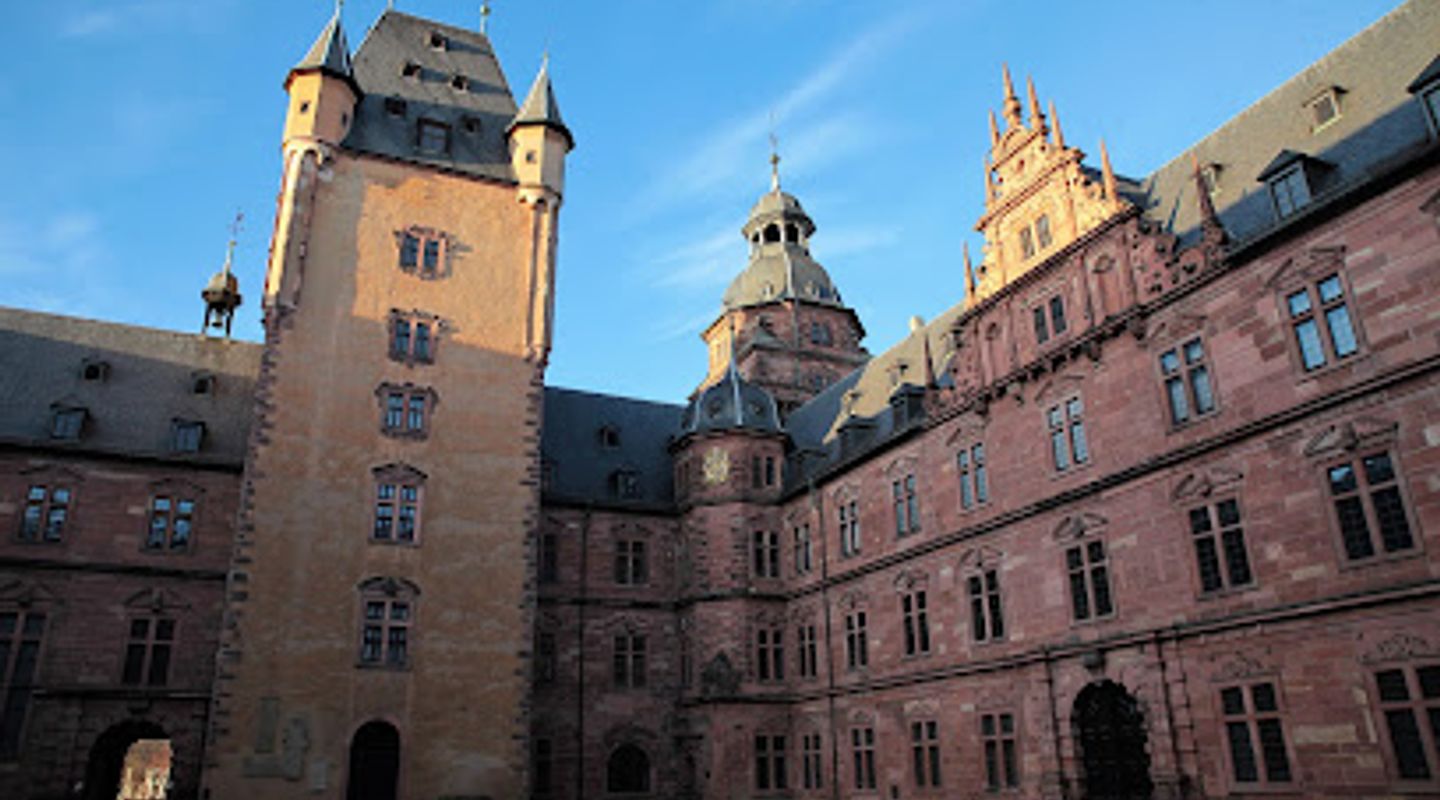
Schloss Johannisburg, a magnificent red sandstone palace in Aschaffenburg, stands as a testament to the German Renaissance. Built between 1605 and 1614 by Archbishop Johann Schweikhard von Kronberg, it served as the second residence of the Mainz Prince-Bishops for over two centuries. Severely damaged during World War II, the palace has been meticulously restored to its former glory. Today, visitors can explore the palace museum, admire the world's largest collection of cork models depicting ancient Roman architecture, and wander through the beautiful palace gardens. Its imposing architecture, rich history, and stunning location on the banks of the Main River make it a must-see destination for history buffs and architecture enthusiasts alike. The palace offers a glimpse into the lives of powerful prince-bishops and the artistic achievements of the Renaissance period.

A brief summary to Schloss Museum

  • Tuesday 10 am-4 pm
  • Wednesday 10 am-4 pm
  • Thursday 10 am-4 pm
  • Friday 10 am-4 pm
  • Saturday 10 am-4 pm
  • Sunday 10 am-4 pm

Local tips

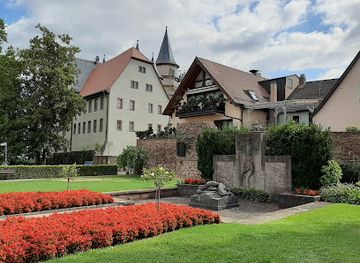
  • Visit the palace gardens for a relaxing stroll and picturesque views of the Main River.
  • Don't miss the world's largest collection of cork models depicting ancient Roman architecture.
  • Check the schedule for special events and exhibitions held at the palace throughout the year.
  • Combine your visit with a trip to the nearby Pompeiianum for a glimpse into ancient Roman life.
widget icon

Getting There

  • Walking

    From Aschaffenburg Hauptbahnhof (main train station), Schloss Johannisburg is approximately a 10-minute walk. Exit the station and follow the signs towards the city center (Innenstadt). Walk straight along the pedestrian zone (possibly lined with shops) until you reach Schlossplatz, the square where the palace is located. The palace will be directly in front of you.

  • Public Transport

    From Aschaffenburg Hauptbahnhof, take bus lines 1, 4, 6, or 10 to the 'Stadthalle' bus stop. From there, it's a short walk to Schloss Johannisburg. The bus ride is only a few minutes. A single bus fare within Aschaffenburg is approximately €2.50.

  • Taxi/Ride-Share

    A taxi or ride-share from Aschaffenburg Hauptbahnhof to Schloss Johannisburg will take approximately 5 minutes, depending on traffic. The estimated cost is between €8 and €12.

  • Driving

    If driving, follow signs to the city center (Innenstadt). Parking is available in several garages near Schlossplatz, including the Stadthalle parking garage and the Theaterplatz parking garage. Hourly parking rates typically range from €1.50 to €2.50.

Unlock the Best of Schloss Museum

Buy tickets

    No tickets available

Book tours with entry

    No tours available

Book tours without entry

    No tours available

Discover more about Schloss Museum

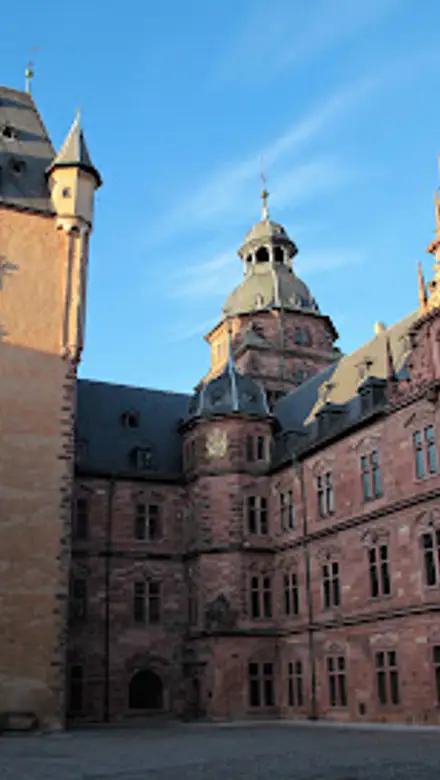
Schloss Johannisburg, a striking red sandstone palace, dominates the skyline of Aschaffenburg, a town nestled on the banks of the Main River in Bavaria. This architectural gem, a prime example of the German Renaissance, boasts a rich history, having served as the second residence of the powerful Prince-Bishops of Mainz for over two centuries. The palace's story begins in the early 17th century when Johann Schweikhard von Kronberg, the Archbishop of Mainz, commissioned its construction. Georg Ridinger, a renowned architect of the time, was tasked with designing and building the palace, which would replace a medieval castle that had been largely destroyed in 1552. Construction took place between 1605 and 1614, resulting in the impressive four-winged complex that stands today. Schloss Johannisburg is notable for its symmetrical design, a relative rarity in German Renaissance architecture. The palace features four corner towers, each rising eight stories high, and an inner courtyard surrounded by three-story buildings. The exterior is primarily constructed of red sandstone, sourced from the nearby Spessart hills, giving the palace its distinctive color and texture. While the exterior is relatively unadorned, intricate carvings adorn the gables and gateways, showcasing the artistic skill of the period. Inside, the palace houses a wealth of historical and artistic treasures. The Schlossmuseum, or Palace Museum, displays artworks and historical artifacts spanning six centuries. Visitors can explore the former living quarters of the Prince-Bishops, admire the palace chapel with its Renaissance altar and sculptures, and delve into the history of the city and its industries. One of the most unique and fascinating collections within Schloss Johannisburg is the world's largest collection of cork models of ancient Roman architecture. These incredibly detailed replicas, created by court confectioner Carl May and his son Georg between 1792 and 1853, depict iconic structures such as the Colosseum, the Pantheon, and the Arch of Titus. The 45 cork models offer a glimpse into the grandeur of ancient Rome and the meticulous craftsmanship of the May family. Throughout its history, Schloss Johannisburg has undergone several transformations. In the late 18th century, Emanuel Herigoyen redesigned the interior in the Neoclassical style. After the secularization of the ecclesiastical principalities in 1803, the palace served as a summer residence for King Ludwig I of Bavaria, who affectionately referred to Aschaffenburg as his "Bavarian Nice." During World War II, Schloss Johannisburg suffered extensive damage from Allied bombings. However, thanks to detailed historical records, the palace was painstakingly restored to its original splendor over a period of two decades. The restoration included the use of red sandstone from the same quarries used in the original construction. Today, Schloss Johannisburg stands as a symbol of Aschaffenburg's rich history and cultural heritage. Visitors can explore the palace and its museums, wander through the beautifully landscaped palace gardens, and enjoy panoramic views of the Main River. The palace also hosts various events and exhibitions throughout the year, making it a vibrant center of cultural life in the region. Beyond the palace itself, Aschaffenburg offers a charming blend of history and modernity. The town's old town features picturesque streets, half-timbered houses, and historic churches. The Stiftskirche, a collegiate church dating back to the 10th century, is another notable landmark. The Pompeiianum, a replica of a Roman villa built by King Ludwig I, provides a glimpse into ancient Roman life. Aschaffenburg's location on the Main River also makes it a popular destination for outdoor activities. Visitors can enjoy boat trips along the river, explore the surrounding forests and hills, or simply relax in one of the town's many parks and gardens. Schloss Johannisburg is more than just a palace; it is a window into the past, a celebration of art and architecture, and a testament to the enduring spirit of Aschaffenburg. Whether you are a history enthusiast, an art lover, or simply seeking a beautiful and inspiring destination, Schloss Johannisburg is sure to captivate your imagination and leave you with lasting memories. Visiting Schloss Johannisburg is an immersive experience that transports you back in time. As you wander through the opulent halls and admire the intricate details of the architecture, you can almost imagine the lives of the Prince-Bishops who once resided here. The palace's rich history, combined with its stunning setting and diverse collections, makes it a truly unforgettable destination. The palace gardens, with their manicured lawns, colorful flowerbeds, and towering chestnut trees, provide a tranquil escape from the hustle and bustle of the town. A stroll through the gardens offers breathtaking views of the palace and the surrounding landscape. Schloss Johannisburg is not just a museum; it is a living, breathing monument to the past. Its enduring presence serves as a reminder of the rich cultural heritage of Aschaffenburg and the importance of preserving our history for future generations. A visit to Schloss Johannisburg is an enriching experience that will leave you with a deeper appreciation for the art, architecture, and history of this remarkable region.

Popular Experiences near Schloss Museum

Popular Hotels near Schloss Museum

Select Currency