Schöntal, Spessart Travel Guide
Discover Schöntal in Aschaffenburg: A historic park with a medieval abbey ruin, Bavaria's largest magnolia grove, and the Hofgarten Kabarett, offering a blend of nature and culture.
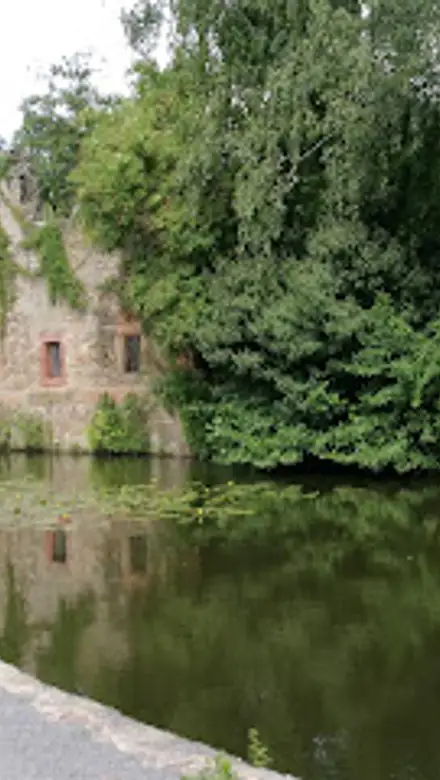
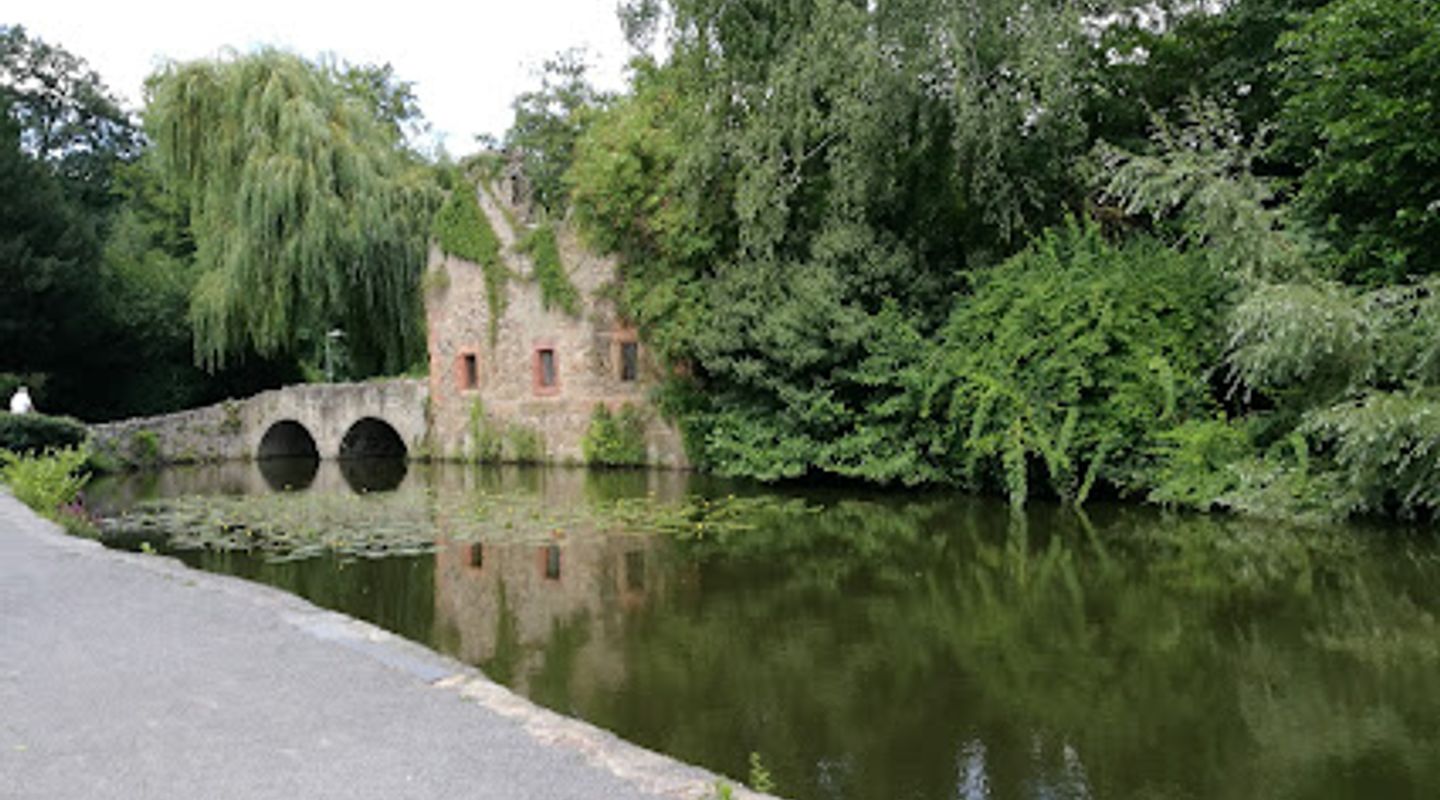
Schöntal, a sprawling park in the heart of Aschaffenburg, offers a tranquil escape with its English-style landscape design. Originally a zoo in the 15th century, it was transformed in the late 1700s by Friedrich Ludwig von Sckell into a picturesque garden. Today, visitors can explore winding paths, admire the ruins of a medieval Beguine abbey reflected in a serene lake, and stroll through Bavaria's largest magnolia grove, boasting over 40 trees. The park also features the Hofgarten Kabarett, located in the old orangery, adding a touch of culture to this verdant retreat. With its blend of history, nature, and entertainment, Schöntal provides a delightful experience for all ages.
A brief summary to Schöntal
- Hofgartenstraße 1A, Aschaffenburg, Innenstadt, 63739, DE

Know before you go
Hi, I'm Eve. Here are a few practical things to know before exploring Schöntal.
- Visit in spring to witness the spectacular magnolia bloom, a highlight of the park.
- Attend a Schöntalkonzerte on a Sunday morning (May-July) for free open-air music.
- Explore the ruins of the Beguine abbey for a glimpse into the park's medieval past.
- Enjoy a performance at the Hofgarten Kabarett for an evening of comedy and entertainment.
- Take a leisurely stroll along the winding paths and discover the park's hidden sculptures and monuments.
Do you manage this location?
Take control to get all the benefits, like improved information, better appearance, and stronger visibility across AI-powered discovery. Learn more about listing your business on Evendo
Activate your presenceOther nearby places you may find interesting
The closest places of the same kind, if this one is not quite what you had in mind.
Explore Schöntal on the Map
A handpicked selection of must-see spots near Schöntal, mapped for you.
Getting There
-
Walking
From the Schlossplatz (Palace Square) in front of Johannisburg Palace, walk east along Schlossgasse, then turn right onto Hofgartenstraße. Schöntal park will be on your left, a short walk from the palace. The walk is approximately 5-10 minutes and is easily navigable. No costs are associated with this approach.
-
Public Transport
From Aschaffenburg Hauptbahnhof (main train station), take any bus that stops at 'Hofgartenstraße'. Several bus lines serve this stop. From the bus stop, the park entrance is a short walk. A single bus fare within Aschaffenburg is approximately €2.50.
-
Taxi/Ride-Share
A taxi or ride-share from Aschaffenburg Hauptbahnhof to Schöntal will cost approximately €8-€12, depending on traffic and the specific provider. The journey takes around 5-10 minutes.
-
Driving
If driving, approach Aschaffenburg via the A3 motorway and follow signs to the city center (Innenstadt). Once in the city center, follow signs for 'Schloss Johannisburg' or 'Hofgarten'. Parking is available in the vicinity of Hofgartenstraße, with several parking garages nearby, such as the 'Parkhaus am Theaterplatz' or 'Hofgartenstraße'. Parking fees typically range from €1.50-€2.50 per hour.
Discover more about Schöntal













Your all‑in‑one travel companion app
Explore expert travel guides, compare and book tours, experiences, hotels, and more—all from the palm of your hand. Download now for seamless trip planning wherever your wanderlust takes you.


Explore More of Spessart
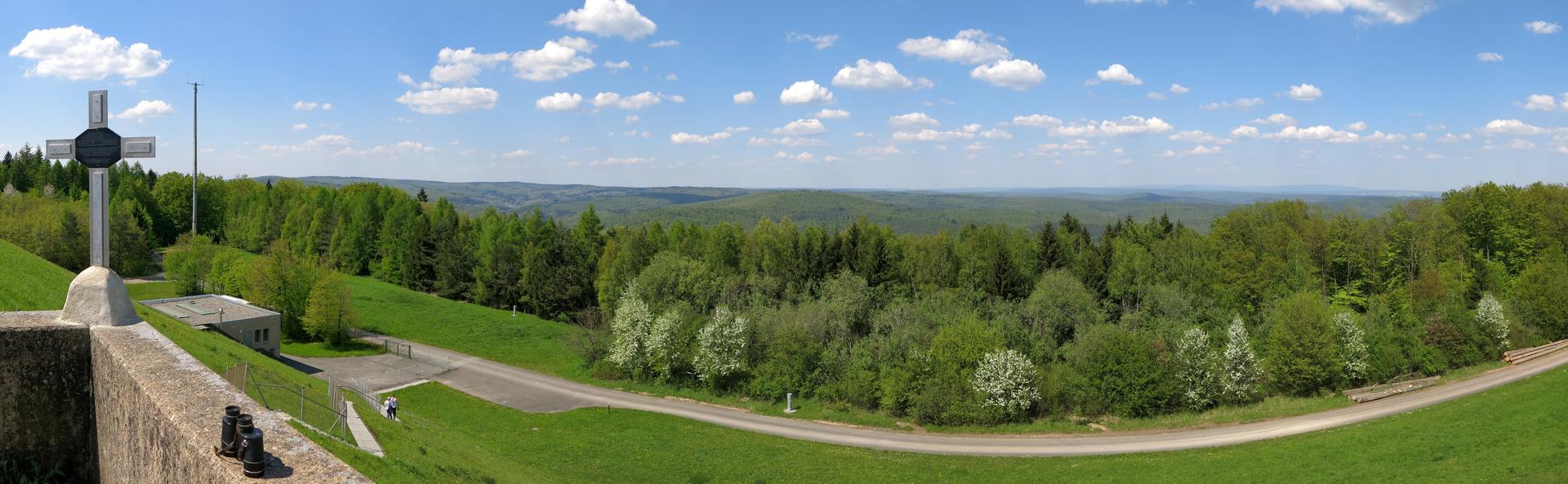
Looking beyond Schöntal? Discover Spessart for broader travel guides, local hot-spots, and regional highlights.
Explore Spessart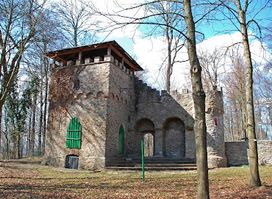
Discover Kippenburg in Aschaffenburg: A whimsical 19th-century castle ruin offering panoramic views, a glimpse into local history, and a unique blend of recreation and romantic charm.
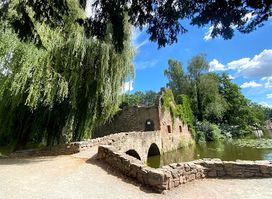
Explore the haunting beauty of Aschaffenburg's Kirchenruine Heilig Grab, a historic church ruin nestled in the serene Schöntal park, offering a glimpse into the city's rich past.