Ruine des Hasenbergturms, Stuttgart Travel Guide
Explore the poignant ruins of the Hasenbergturm in Stuttgart, a historic landmark offering scenic views and a glimpse into the city's past within the tranquil Hasenberganlage park.
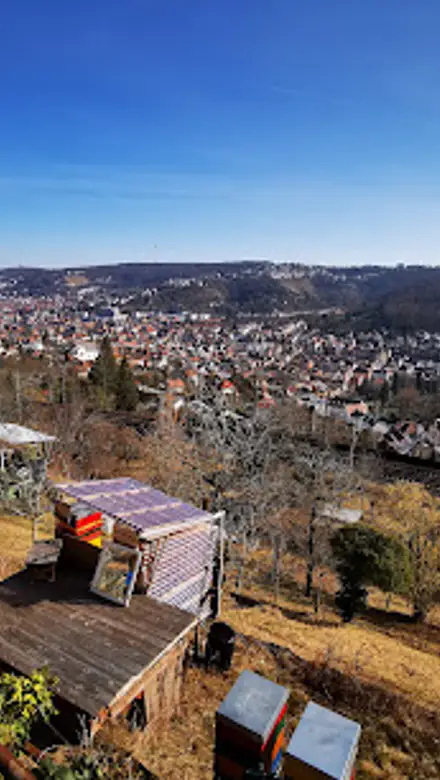
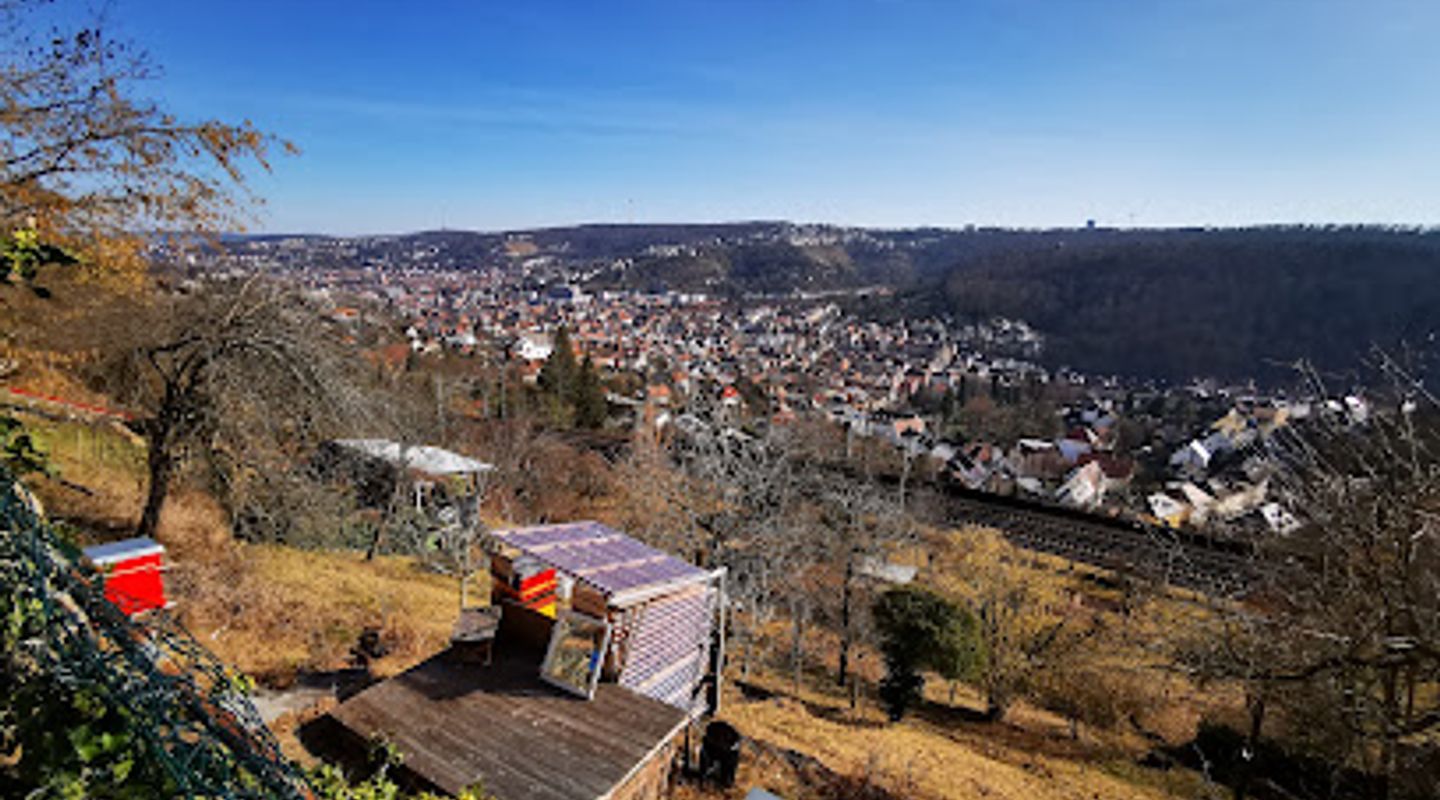
The Ruine des Hasenbergturms, or Hasenberg Tower Ruins, offers a glimpse into Stuttgart's past. Built in 1879 by the Verschönerungsverein Stuttgart (Stuttgart Beautification Association), the 36-meter-tall tower quickly became a beloved landmark, offering panoramic views stretching to the Swabian Alps and the Black Forest. Constructed of red sandstone, it stood as a testament to civic pride and Stuttgart's growing prominence. Sadly, in 1943, during World War II, the tower was intentionally destroyed to prevent it from being used as a navigational aid by enemy bombers. Today, only a stump remains, serving as a poignant reminder of the war's impact and a symbol of resilience. The ruins are integrated into the Hasenberganlage, a park offering walking paths, memorials, and sculptures, making it a destination for history buffs and nature lovers alike. The site is easily accessible and provides a unique perspective on Stuttgart's history and landscape.
A brief summary to Ruine des Hasenbergturms
- Hasenbergsteige 105, Stuttgart, Stuttgart-West, 70197, DE
- Click to display

Know before you go
Hi, I'm Eve. Here are a few practical things to know before exploring Ruine des Hasenbergturms.
- Combine your visit with a hike along the 'Blaue Weg' or Panoramaweg Süd-West, which pass near the Hasenbergturm, for extended scenic views.
- Pack a picnic to enjoy in the Hasenberganlage, especially during the warmer months, as the elevated location offers a refreshing escape from the city heat.
- Take time to explore the memorials and sculptures within the Hasenberganlage, offering insights into Stuttgart's history and artistic heritage.
Do you manage this location?
Take control to get all the benefits, like improved information, better appearance, and stronger visibility across AI-powered discovery. Learn more about listing your business on Evendo
Activate your presenceOther nearby places you may find interesting
The closest places of the same kind, if this one is not quite what you had in mind.



Explore Ruine des Hasenbergturms on the Map
A handpicked selection of must-see spots near Ruine des Hasenbergturms, mapped for you.
Getting There
-
Public Transport
From Stuttgart Hauptbahnhof (main train station), take the U-Bahn (U2 or U9) to the stop 'Berliner Platz (Liederhalle)'. From there, change to bus line 42 (direction Erwin-Schoettle-Platz) and ride to the 'Hasenberg' stop. From the 'Hasenberg' bus stop, walk along Hasenbergsteige for about 10 minutes uphill to reach the Ruine des Hasenbergturms. A single VVS ticket for zone 1 costs approximately €2.50.
-
Walking
From the Feuersee U-Bahn station, follow the Finkenstraße uphill, which turns into the Hasenbergsteige. Continue along Hasenbergsteige for approximately 25-30 minutes. The walk is a steady uphill climb. The Ruine des Hasenbergturms will be on your left. This is a free option, offering scenic views along the way.
-
Taxi/Ride-Share
A taxi or ride-share from Stuttgart Hauptbahnhof to Hasenbergsteige 105 will take approximately 15-20 minutes, depending on traffic. Expect to pay around €15-€25. From there, it's a short walk to the ruins.
-
Driving
Driving to the Ruine des Hasenbergturms is possible, but parking is limited. There are some parking spots along Hasenbergsteige, but they can fill up quickly, especially on weekends. Parking costs around €0.75 per hour in residential zones, with a daily maximum of €7.20. Alternatively, consider parking in the city center and taking public transport or a taxi for the final leg of the journey.
Discover more about Ruine des Hasenbergturms
More to explore near Ruine des Hasenbergturms













Your all‑in‑one travel companion app
Explore expert travel guides, compare and book tours, experiences, hotels, and more—all from the palm of your hand. Download now for seamless trip planning wherever your wanderlust takes you.


Explore More of Stuttgart

Looking beyond Ruine des Hasenbergturms? Discover Stuttgart for broader travel guides, local hot-spots, and regional highlights.
Explore Stuttgart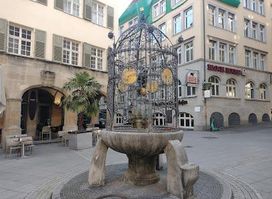
Discover Stuttgart's enchanting Hans im Glück Brunnen, a whimsical fountain inspired by the Brothers Grimm, symbolizing the simple joys of life in the heart of the city.

Discover the Heslacher Hocker fountain in Stuttgart-Süd, a symbol of local history and tradition, embodying the spirit of the Swabian 'Hocketse' gathering on Erwin-Schöttle-Platz.