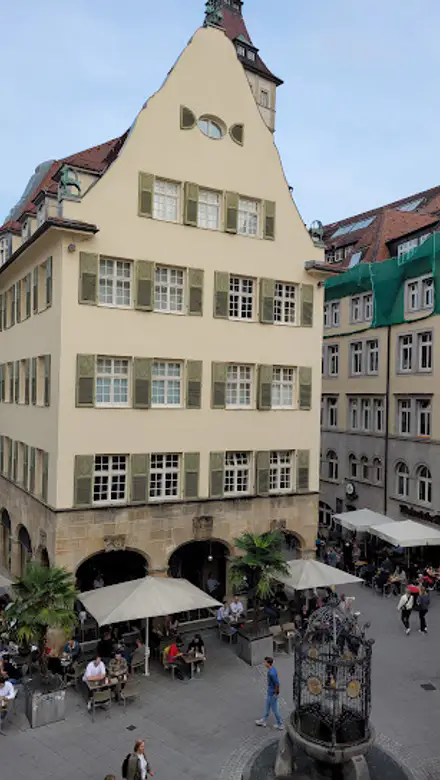
Tagblatt Turm, Stuttgart Travel Guide
Free Guide: Discover Stuttgart's architectural landmark, the Tagblatt Turm: Germany's first exposed concrete high-rise, a symbol of innovation and home to vibrant cultural spaces in the heart of the city.


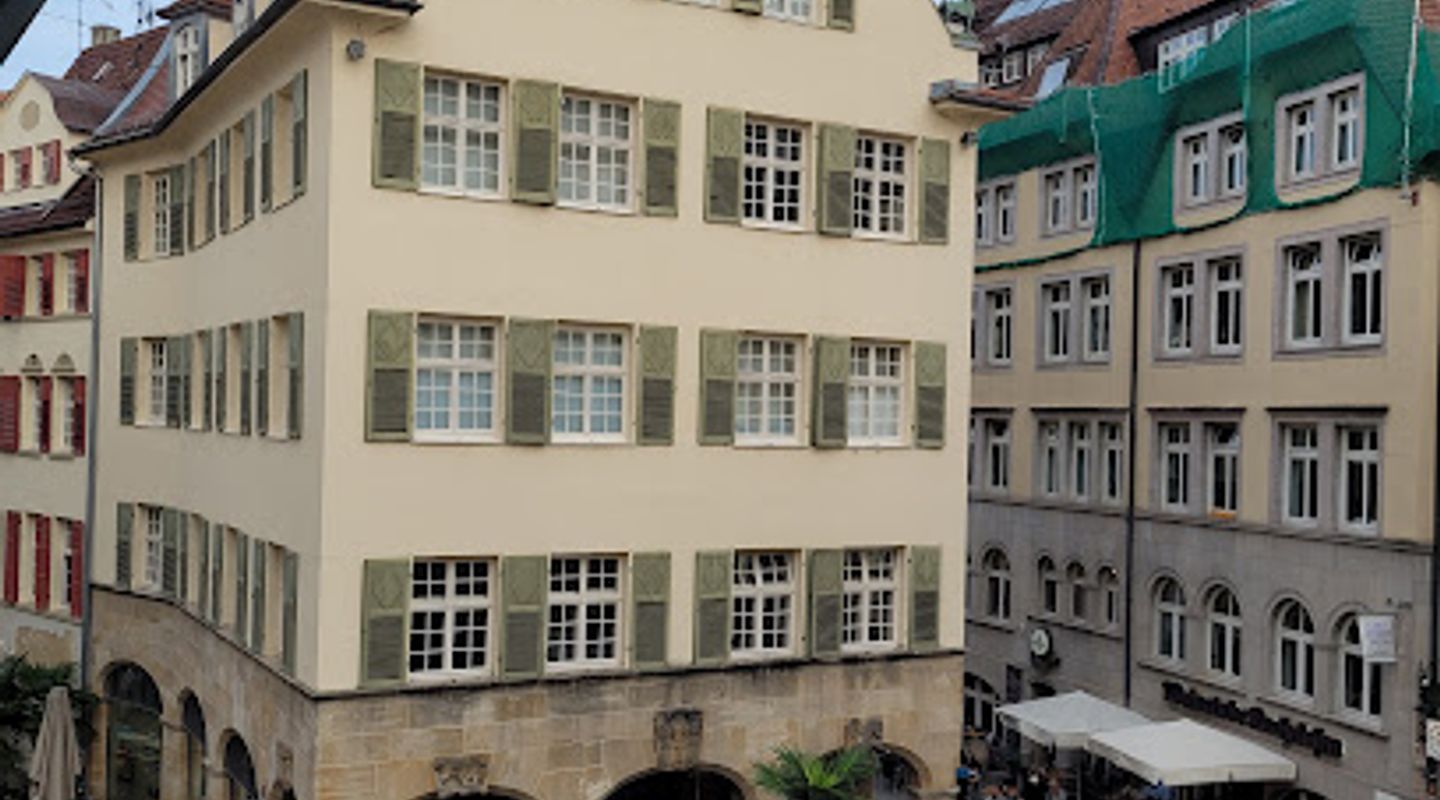
A brief summary of Tagblatt Turm
Discover Stuttgart's architectural landmark, the Tagblatt Turm: Germany's first exposed concrete high-rise, a symbol of innovation and home to vibrant cultural spaces in the heart of the city.
The Tagblatt Turm, erected in 1928, stands as a testament to Stuttgart's architectural innovation. Designed by Ernst Otto Oßwald in the New Objectivity style, this 61-meter tower was Germany's first high-rise constructed with exposed concrete. Originally built for the Stuttgarter Neues Tagblatt newspaper, it later housed the Stuttgarter Zeitung. Today, the Tagblatt Turm is a protected landmark, home to offices and the 'Kultur unterm Turm' cultural center, featuring theaters and art spaces. Its unique design, initially controversial, has solidified its place as a symbol of Stuttgart's modern architectural heritage, making it a compelling stop for those interested in the city's history and urban development.
Opening hours
- Mon8 am–12 pm, 1 pm–4 pm
- Tue8 am–12 pm, 1 pm–4 pm
- Wed8 am–12 pm, 1 pm–4 pm
- Thu8 am–12 pm, 1 pm–4 pm
- Fri8 am–1 pm
- SatClosed
- SunClosed
Opening hours as listed on the venue’s Google Business Profile. Hours can change for services and special events, so check with the venue before you go.
- Address
- Eberhardstraße 61B, 70173 Stuttgart
- Phone
- Website
Getting there
Public Transport
Walking
Taxi/Ride-Share
Discover more about Tagblatt Turm
Overview
The Tagblatt Turm, located on Eberhardstraße in Stuttgart-Mitte, is more than just a building; it's a symbol of architectural ambition and a tangible piece of Stuttgart's history. Completed in 1928, the tower was designed by architect Ernst Otto Oßwald in the 'New Objectivity' style, a movement that emphasized functionality and a rejection of ornamentation. Its construction marked a significant milestone as Germany's first high-rise building made of exposed concrete, a bold choice that initially sparked controversy among the city's residents. Commissioned by Carl Esser, the publisher of the Stuttgarter Neues Tagblatt newspaper, the tower served as the headquarters for the newspaper's editorial and publishing operations. The decision to build a high-rise was driven by spatial constraints, as the newspaper had only acquired a small plot of land. Oßwald's design cleverly addressed this challenge, creating a functional and efficient space for the newspaper's operations. The tower's architectural design is characterized by its clean lines, geometric shapes, and the use of exposed concrete. The facade is divided horizontally by continuous window bands and balconies, creating a sense of rhythm and balance. Oßwald's design prioritized functionality, with open floor plans that could be easily adapted to the changing needs of the newspaper. The building also featured modern amenities for its time, including a high-speed elevator and a paternoster lift, which was the tallest in the world when it was installed in 1927. Despite initial criticism, the Tagblatt Turm quickly became a symbol of Stuttgart's modernity and progress. Its innovative design and construction techniques challenged traditional architectural norms and paved the way for future high-rise developments in the city. The tower's significance was further recognized in 1978 when it was designated as a cultural monument of special importance. After World War II, the Tagblatt Turm housed the Stuttgarter Zeitung newspaper until 1978, when the newspaper relocated to Stuttgart-Möhringen. In 2004, the tower underwent extensive renovations and was transformed into a cultural center known as 'Kultur unterm Turm' (Culture Under the Tower). This vibrant space is now home to several cultural institutions, including the tri-Bühne theater, the Junges Ensemble JES (Young Ensemble), and the FITZ Figurentheater Stuttgart, a renowned puppet theater. Today, the Tagblatt Turm stands as a reminder of Stuttgart's rich architectural heritage and its commitment to innovation. Its unique design, historical significance, and cultural offerings make it a must-see destination for anyone interested in the city's history and urban development. Visitors can explore the tower's surroundings, admire its distinctive facade, and experience the vibrant cultural scene within its walls. The Tagblatt Turm is easily accessible by public transportation, with several bus and train stops located nearby. Whether you're an architecture enthusiast, a history buff, or simply looking for a unique cultural experience, the Tagblatt Turm is sure to leave a lasting impression. While the interior of the Tagblatt Turm is primarily office space and not generally open for public tours, the cultural center 'Kultur unterm Turm' offers a variety of performances and events that are open to the public. Check the schedules for the tri-Bühne theater, the Junges Ensemble JES, and the FITZ Figurentheater Stuttgart to see what's on during your visit. The area surrounding the Tagblatt Turm is also worth exploring, with a mix of shops, restaurants, and cafes. The nearby Eberhardstraße is a bustling pedestrian zone with a variety of retail options, while the Markthalle Stuttgart, a historic market hall, is a great place to sample local delicacies. The Tagblatt Turm's legacy extends beyond its physical presence. It represents a pivotal moment in Stuttgart's architectural history, a time when the city embraced modern design and pushed the boundaries of what was possible. Its construction challenged traditional norms and paved the way for future generations of architects and designers. The tower's transformation into a cultural center further solidified its importance as a hub for creativity and innovation. By housing theaters, art spaces, and other cultural institutions, the Tagblatt Turm continues to contribute to Stuttgart's vibrant cultural scene. As you stand before the Tagblatt Turm, take a moment to appreciate its unique design and historical significance. Imagine the controversy it sparked when it was first built, and the vision of those who dared to challenge the status quo. Consider the generations of people who have worked, lived, and created within its walls. The Tagblatt Turm is more than just a building; it's a symbol of Stuttgart's spirit of innovation and its commitment to preserving its architectural heritage.
Evendo Review Centre
 Google
Guest reviews
Explore Tagblatt Turm on the map
A handpicked selection of must-see spots near Tagblatt Turm, mapped for you.
Get your free copy of our complete guide to Tagblatt Turm, delivered straight to you.
Everything on this page, from opening hours and how to get there to Eve’s tips and the best time to go, in one PDF you can read offline, print or share.
Already have an account? Sign in
Your Tagblatt Turm guide is ready.
We'll send it to · Not you? Sign out

Getting your guide ready…
We are putting together a fresh copy of the Tagblatt Turm guide. This can take up to a minute.
This can take a few moments. If your browser asks, choose Allow so the download can start. You'll find the guide in your Downloads folder.
Nothing happened? Download it again
Sorry, the guide is taking longer than usual. Please try again in a minute, or get it by email instead.
Other nearby places you may find interesting
The closest places of the same kind, if this one is not quite what you had in mind.
-
-
-
-
-


Swipe for more places
More to explore near Tagblatt Turm

 Best experiences near Tagblatt Turm
 Best hotels near Tagblatt Turm
 Best landmarks near Tagblatt Turm
 Best attractions near Tagblatt Turm
 Best shops near Tagblatt Turm
 Best restaurants near Tagblatt Turm
 Best bars near Tagblatt Turm
Do you manage this location?
Take control to get all the benefits, like improved information, better appearance, and stronger visibility across AI-powered discovery.
Explore more

Explore more of Stuttgart
Discover Stuttgart: A perfect blend of automotive history, cultural richness, and natural beauty. Explore museums, palaces, and vineyards in this dynamic German city.
Explore Stuttgart
Explore more of Germany
Experience Germany: where history meets innovation, and urban energy blends with natural beauty. Discover diverse cultures, delicious cuisine, and stunning landscapes.
Explore Germany