

Kronthaler Quellen Travel Guide
Free Guide: Discover the historic Kronthaler Quellen spa park in Kronberg, where natural mineral springs, revitalized gardens, and scenic trails offer a refreshing escape in the Taunus region.


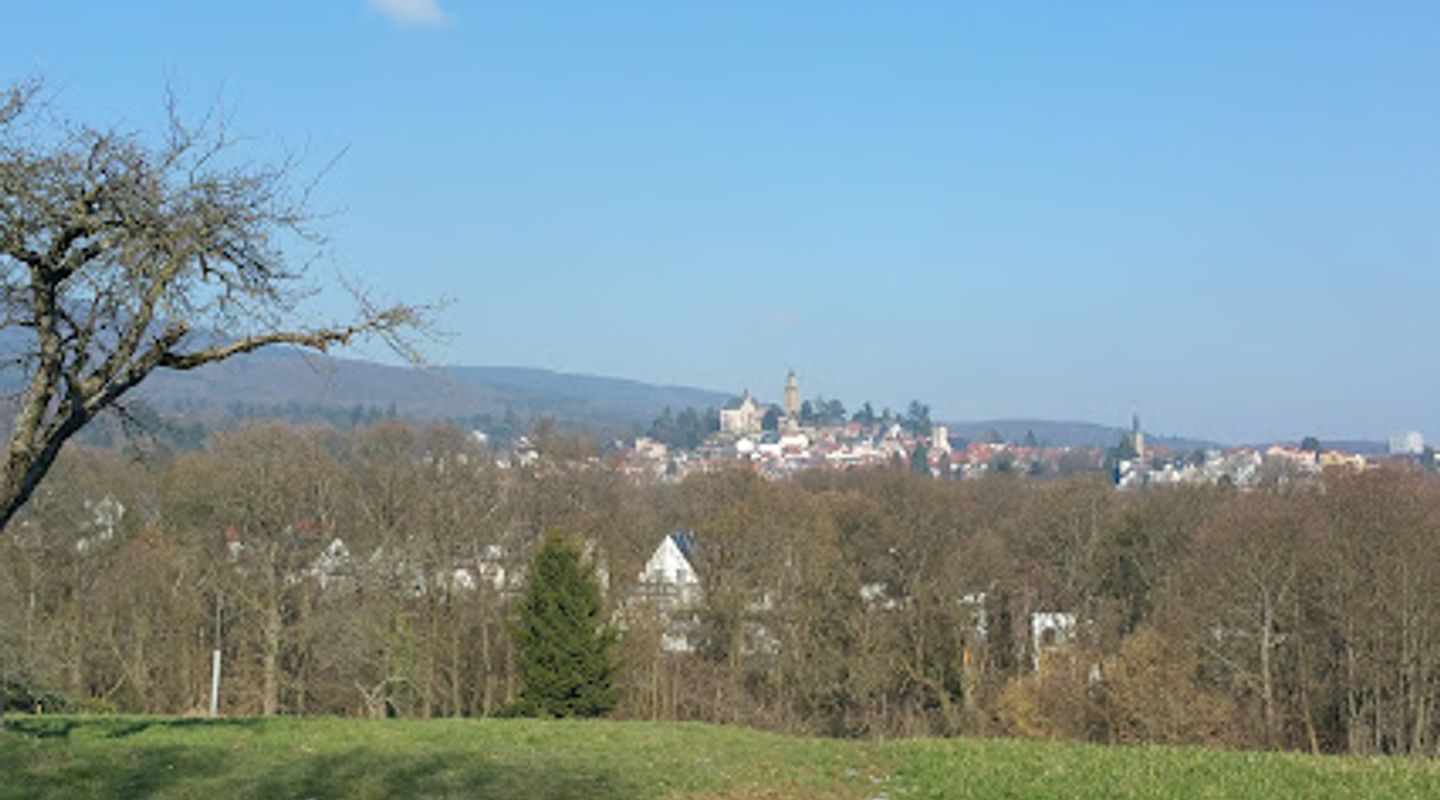
A brief summary of Kronthaler Quellen
Discover the historic Kronthaler Quellen spa park in Kronberg, where natural mineral springs, revitalized gardens, and scenic trails offer a refreshing escape in the Taunus region.
The Kronthaler Quellen, nestled in Kronberg im Taunus, is a historic spa park with roots dating back to the 16th century when its mineral springs were first documented. The park's story is intertwined with the springs, which were once a major export, sold as 'Kronthal water' as far away as England and America. In the 19th century, physician Küster established spa facilities, leading to Kronthal's heyday around 1840. Today, visitors can explore the revitalized park, sample mineral water from two springs, and enjoy the Kneipp cure in the water treading pool. The park also features cycling and hiking routes.
Opening hours
- Every dayOpen 24 hours
Opening hours as listed on the venue’s Google Business Profile. Hours can change for services and special events, so check with the venue before you go.
- Address
- 61476 Kronberg
- Phone
- Website
Getting there
Public Transport
Walking
Driving
Discover more about Kronthaler Quellen
Overview
The Kronthaler Quellen, located in a valley between Kronberg and Mammolshain, is a historical garden and park area shaped by its natural springs. The springs, known for their mineral-rich waters, have been central to the area's history since the mid-16th century. The oldest spring, the Theodorusquelle, was already in use before 1568 and was later named after the physician Theodorus Tabernaemontanus, who first described it in 1571. The economic significance of the Kronthaler Quellen began in 1818 when physician Ferdinand Küster recognized the healing properties of the springs. He initiated the first bathing and spa operations in 1821, constructing a spa house in 1822, which was replaced by a new building in 1835. Küster received the official concession for spa operations in 1826. After his death, his son Rudolph Küster continued the business. In 1823, Frankfurt merchant Johann Adam Osterrieth entered the scene, competing with the existing spa facilities by establishing a corporation. Around 1840, Kronthal experienced its peak, gaining recognition far beyond regional borders. Osterrieth commissioned a spacious spa park in the style of an English landscape garden, characterized by sweeping paths, rare tree species, and inspired landscaping. A large pond was also part of the original park, located where the Theodorus Spring now flows. The commercial use of the springs expanded under Thiemann and later owners, including The Wilhelm's Quelle Comp. Limited, a London-based corporation. By 1880, 1.5 million clay jugs were filled, increasing to 4 million by 1888. The mineral water, branded as “Apollinis Brunnen, Bad Kronthal, Nassau,” was exported to the USA, South America, and India, earning international awards around 1880. In 1924, the city of Frankfurt am Main acquired the Kronthal and constructed the current operating building in 1925. The spa house was demolished in 1925 due to its irreparable condition. Since June 1926, the newly founded “Kronthaler Brunnen Gesellschaft m.b.H.”, with the city of Kronberg joining in November of the same year, has been distributing the water. In its first business year, 653,282 bottles were sold, and three new wells were drilled in addition to the existing three. Today, visitors can still draw mineral water from two springs. The park features a Kneipp cure basin and is part of the Regional Park Rhine-Main route, offering well-marked hiking and cycling trails to Frankfurt and beyond. The park's design, based on historical models, includes open meadows, restored pathways, and revitalized water features. The idyllic park area includes a water treading pool, a boules area, and the healing springs. The Kronthaler Quellen offer a blend of natural beauty, historical significance, and recreational opportunities. The park's trails connect to the Opel Zoo and the surrounding Taunus region, making it a popular destination for nature lovers and those interested in the area's spa history. The park is open daily and offers free admission, making it accessible to all visitors. The park is also home to the Nymphenquelle, Fürstenbergquelle, and Wilhelmsquelle, each offering unique mineral compositions. While the bottling plant closed in 2005, the legacy of Kronthal water continues. The park's revitalization ensures that visitors can experience the healing properties of the springs and appreciate the historical landscape. The Kronthaler Quellen remain a testament to the enduring appeal of natural springs and their role in shaping the cultural and economic landscape of the Taunus region. The park is a component of the Rhine-Main Regional Park route and has very well signposted hiking and cycling connections to Frankfurt and beyond.
Evendo Review Centre
 Google
Guest reviews
Explore Kronthaler Quellen on the map
A handpicked selection of must-see spots near Kronthaler Quellen, mapped for you.
Get your free copy of our complete guide to Kronthaler Quellen, delivered straight to you.
Everything on this page, from opening hours and how to get there to Eve’s tips and the best time to go, in one PDF you can read offline, print or share.
Already have an account? Sign in
Your Kronthaler Quellen guide is ready.
We'll send it to · Not you? Sign out

Getting your guide ready…
We are putting together a fresh copy of the Kronthaler Quellen guide. This can take up to a minute.
This can take a few moments. If your browser asks, choose Allow so the download can start. You'll find the guide in your Downloads folder.
Nothing happened? Download it again
Sorry, the guide is taking longer than usual. Please try again in a minute, or get it by email instead.
Other nearby places you may find interesting
The closest places of the same kind, if this one is not quite what you had in mind.
-
-
-
-
-


Swipe for more places
More to explore near Kronthaler Quellen

 Best experiences near Kronthaler Quellen
 Best hotels near Kronthaler Quellen
 Best landmarks near Kronthaler Quellen
 Best attractions near Kronthaler Quellen
 Best shops near Kronthaler Quellen
 Best restaurants near Kronthaler Quellen
 Best bars near Kronthaler Quellen
Do you manage this location?
Take control to get all the benefits, like improved information, better appearance, and stronger visibility across AI-powered discovery.
Explore more
Explore more of Taunus
Discover the enchanting Taunus Mountains in Germany, where lush landscapes, historic towns, and cultural treasures await amidst serene natural beauty.
Explore Taunus
Explore more of Germany
Experience Germany: where history meets innovation, and urban energy blends with natural beauty. Discover diverse cultures, delicious cuisine, and stunning landscapes.
Explore Germany
