

Free Taunus Travel Guide & Mobile App
Explore Taunus with free travel guides. Discover regional history, expert tips, proposed trips, and audio guides on web or mobile app.


Explore Taunus forests, Roman frontier sites, timber-framed towns, castles and spa heritage close to Frankfurt and Wiesbaden in Hesse.
Read more about Taunus
When is the best time to visit Taunus?
Best: June–August · 20–22°C| Month | High (°C) | Rainfall (mm) |
|---|---|---|
| January | 4 | 40 |
| February | 4 | 38 |
| March | 8 | 45 |
| April | 13 | 50 |
| May | 17 | 60 |
| June (best) | 20 | 70 |
| July (best) | 22 | 75 |
| August (best) | 22 | 70 |
| September | 18 | 65 |
| October | 13 | 55 |
| November | 8 | 50 |
| December | 4 | 45 |
Getting to and around Taunus
How to get there
Transportation
Top city travel guides in Taunus
The cities of Taunus, and the easiest places to base yourself.

Swipe for more cities
Destinations in Taunus
Resorts, valleys and scenic spots worth a trip of their own.

Swipe for more destinations
Best attractions in Taunus
The Taunus offers a compact but varied mix of outdoor and cultural attractions. The Großer Feldberg is the best-known high point, with broad views, upland walks and access to a network of forest paths, while the surrounding wooded districts provide quieter hiking and cycling opportunities. The Saalburg Roman Fort near Bad Homburg explains the Limes frontier through reconstructed buildings, excavated remains and museum displays, and other Limes traces can be sought along local walking routes. Hessenpark near Neu-Anspach presents historic rural buildings from across Hesse in an open-air museum setting. Spa parks, palace grounds and landscaped promenades shape the experience in Bad Homburg and other southern Taunus towns. Castle ruins at Königstein, Eppstein and Kronberg offer architectural history as well as elevated views, while Idstein combines heritage streets with access to nearby countryside. Nature reserves, forest playgrounds and family-oriented museums broaden the appeal, but the region’s attractions are usually dispersed rather than concentrated in one resort centre. Planning around rail lines, bus routes and opening arrangements is therefore important.
-
 Tourist attraction
Römerberg
Discover Römerberg, Frankfurt's iconic square: a captivating blend of medieval charm, historical significance, and vibrant modern life in the heart of Germany.
-
Tourist attraction
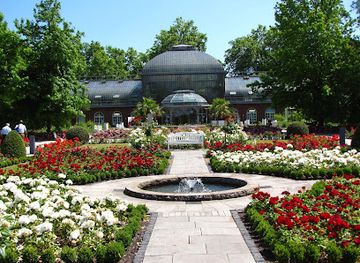
Palmengarten Frankfurt
Discover a world of plants in the heart of Frankfurt: Explore exotic flora, serene landscapes, and captivating events at the historic Palmengarten botanical garden.
-
Tourist attraction
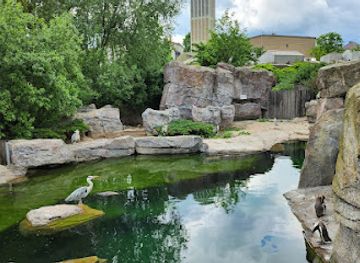
Zoo Frankfurt
Discover a world of wildlife in the heart of Frankfurt: explore diverse habitats, encounter fascinating animals, and support global conservation efforts at Germany's second oldest zoo.
-
Tourist attraction
Opel Zoo
Discover a world of wildlife at Opel Zoo in Kronberg, home to over 1,600 animals from around the globe in spacious, naturalistic enclosures, perfect for a family day out.
Best landmarks in Taunus
The most recognisable landmark of the Taunus is the Großer Feldberg, whose 878-metre summit forms a visible high point above the Rhine-Main plain and a natural symbol of the range. The reconstructed Saalburg Roman Fort is the region’s defining archaeological landmark, representing the frontier system that once crossed the hills; associated Limes traces and watchtower reconstructions add context beyond the main site. Königstein Castle rises above the southern Taunus town in substantial ruins, its walls recalling the political importance of the medieval fortress. Eppstein Castle occupies a dramatic position above the old town and valley, while Kronberg Castle preserves another important chapter of the area’s medieval and aristocratic history. Bad Homburg’s Landgraves’ Castle and landscaped grounds express the later courtly character of the southern Taunus, and Idstein’s Hexenturm and timber-framed historic centre provide a striking urban counterpoint to the forests. Together these landmarks show the region as a frontier, a patchwork of lordships, a spa landscape and a modern recreational upland.
-
Fortress
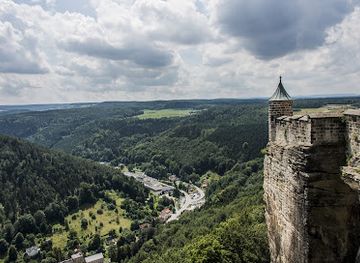
Königstein Fortress
Discover the historic charm and breathtaking views of Königstein Fortress, a must-visit destination in the heart of Saxony, Germany.
-
Historical market square
Römerberg
Discover the historical charm of Römerberg, Frankfurt's iconic square filled with medieval architecture, local cuisine, and vibrant cultural experiences.
-
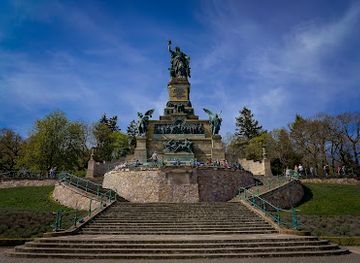
Cultural landmark
Niederwald Monument
Discover the historical grandeur and breathtaking views at the Niederwald Monument, a cultural landmark steeped in German heritage.
-
Catholic church
Frankfurt Cathedral
Experience the architectural splendor and historical significance of Frankfurt Cathedral, a Gothic gem in the heart of Frankfurt am Main.
Explore Taunus on the map
Plan your trip on one map. See where the top cities, national parks and sights are, and book hotels and experiences in a few clicks.
Best hotels in Taunus
Best restaurants in Taunus
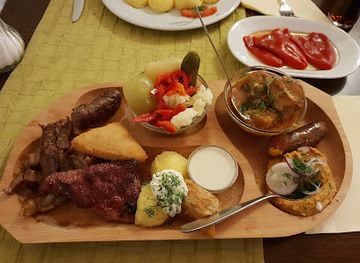
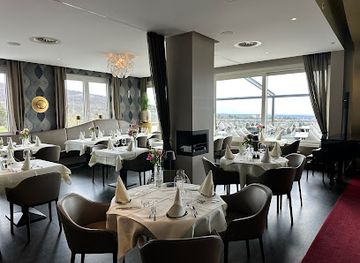
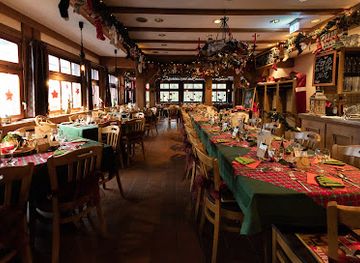
Taunus dining reflects the wider culinary traditions of Hesse, with regional specialities served in traditional inns, village restaurants, spa-town cafés and contemporary kitchens. Apple wine is a familiar accompaniment, while Handkäse mit Musik, a small sour-milk cheese with onions and marinade, and Grüne Soße made with fresh herbs are characteristic foods of the broader Hessian region. Menus often include potatoes, seasonal vegetables, sausages, schnitzel, game and hearty soups, with forest and farm produce appearing more often in rural areas. Bad Homburg and Königstein offer a broader international and modern restaurant choice, whereas smaller towns and villages tend to centre on family-run dining rooms, bakeries and cafés. Farmers’ markets and farm shops provide opportunities to buy bread, preserves, honey, fruit and locally produced drinks, although the selection varies by town and day. Visitors should expect traditional portions and an unhurried meal in some country establishments, and should check payment arrangements before sitting down.
-
Restaurant
Restaurant Sandplacken - Adrian Apolzan
Experience authentic Romanian flavors at Restaurant Sandplacken in Schmitten - a culinary delight awaits you amidst beautiful landscapes.
-
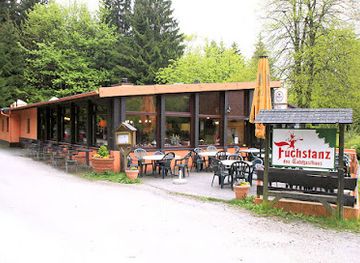
Restaurant
Waldgasthaus Fuchstanz Inh. Familie Meister
Experience traditional German cuisine in the heart of nature at Waldgasthaus Fuchstanz, where culinary delights meet breathtaking landscapes.
-
Italian
Miro's Ristorante
Experience authentic Italian flavors at Miro's Ristorante in Königstein - where culinary excellence meets Mediterranean charm.
-
Restaurant
Zum fröhlichen Landmann
Discover the charm of traditional German dining at Zum fröhlichen Landmann in Kelkheim - where every meal is a celebration of local flavors.
Best bars in Taunus
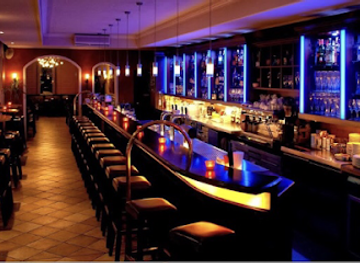
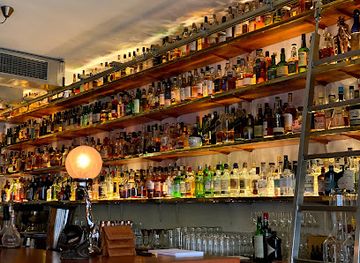
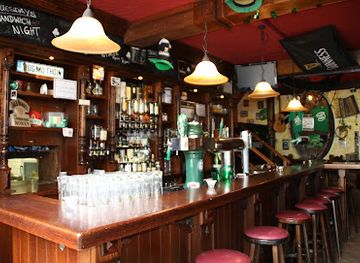
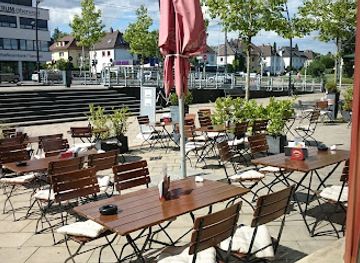
Evenings in the Taunus generally revolve around traditional pubs, wine and apple-wine taverns, restaurant bars and cafés rather than a large club scene. Bad Homburg has the widest choice of evening venues, reflecting its spa-town history and proximity to the Rhine-Main urban area, while Königstein, Kronberg, Eppstein and Idstein offer smaller selections of pubs, bars and occasional live-music settings. Historic town centres provide atmospheric places for a drink, but rural villages may have only one or two local establishments and limited late-night transport. Seasonal cultural programmes, theatre and concerts add to the evening offer in the larger towns, though arrangements change regularly. Visitors using the Taunus as a base for nightlife in Frankfurt or Wiesbaden should remember that both cities lie outside the region and plan the return journey carefully. The area is better suited to a quiet meal, local drink or cultural event than to late-night clubbing.
-
Bar
BALTHASAR Café * Bar * Lounge
Experience the vibrant atmosphere and delightful flavors at BALTHASAR Café * Bar * Lounge, a must-visit spot in Hofheim.
-
Cocktail bar
Embury Bar Frankfurt am Main
Experience the vibrant nightlife of Frankfurt at Embury Bar, featuring expertly crafted cocktails and live music in a chic setting.
-
Irish pub
The Irish Pub Oberursel
Discover authentic Irish culture at The Irish Pub Oberursel, a vibrant venue offering traditional cuisine, live music, and a welcoming atmosphere.
-
Bar
Lounge Oberursel
Experience the vibrant flavors of Lounge Oberursel, a charming bar and restaurant in the heart of Taunus, perfect for tourists seeking local cuisine.
Best nightclubs in Taunus
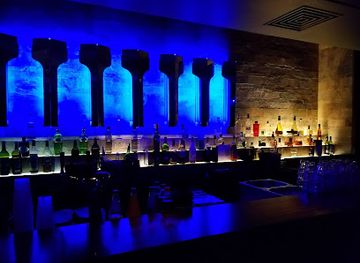
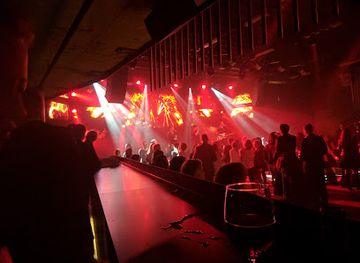
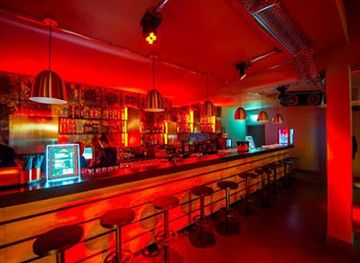
Evenings in the Taunus generally revolve around traditional pubs, wine and apple-wine taverns, restaurant bars and cafés rather than a large club scene. Bad Homburg has the widest choice of evening venues, reflecting its spa-town history and proximity to the Rhine-Main urban area, while Königstein, Kronberg, Eppstein and Idstein offer smaller selections of pubs, bars and occasional live-music settings. Historic town centres provide atmospheric places for a drink, but rural villages may have only one or two local establishments and limited late-night transport. Seasonal cultural programmes, theatre and concerts add to the evening offer in the larger towns, though arrangements change regularly. Visitors using the Taunus as a base for nightlife in Frankfurt or Wiesbaden should remember that both cities lie outside the region and plan the return journey carefully. The area is better suited to a quiet meal, local drink or cultural event than to late-night clubbing.
-
Disco club
Velvet
Dive into the pulsating nightlife of Velvet, Frankfurt's premier disco club, where music and dance unite in a stylish atmosphere.
-
Night club
Gibson
Experience the electrifying nightlife at Gibson in Frankfurt, where vibrant music and delicious cuisine create unforgettable evenings.
-
Disco club
Karlson
Discover the vibrant nightlife of Frankfurt at Karlson, a premier disco club and cocktail bar offering unforgettable evenings filled with music and dance.
-
Night club
le PANTHER
Unleash your nightlife spirit at le PANTHER, Frankfurt's hottest night club, known for its vibrant atmosphere and top DJs.

Best shops in Taunus
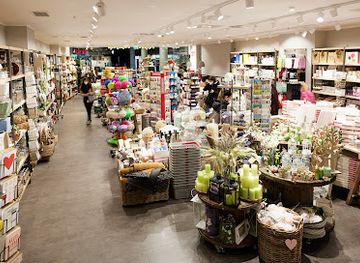
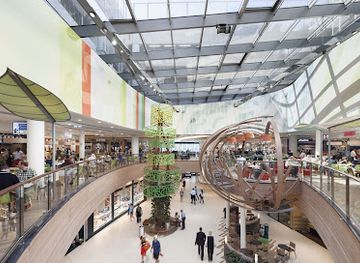
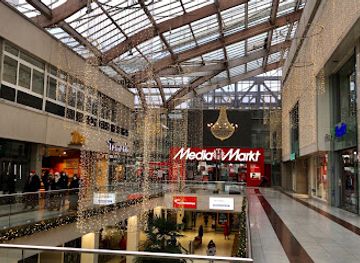
Shopping in the Taunus is concentrated in historic town centres and market streets rather than large destination malls. Bad Homburg has the broadest conventional retail offer, with independent shops, cafés and more established high-street shopping, while Königstein and Kronberg combine smaller boutiques with galleries, antiques and design-led stores. Idstein’s timber-framed centre is well suited to browsing specialist shops, booksellers, craft outlets and food retailers. Weekly markets vary by town and season, but are useful places to look for bread, cheese, fruit, vegetables, flowers and regional provisions. Farm shops and village producers may sell honey, apple products, preserves, spirits and other goods associated with the countryside, although opening days can be limited. Traditional souvenirs include locally themed ceramics, regional foods and items connected with Roman or castle heritage; dedicated craft goods are more likely to be found in individual workshops and galleries than in a single regional shopping district. Frankfurt and Wiesbaden, outside the Taunus, provide substantially larger retail centres if specialist or luxury shopping is required.
-
Shopping mall
MyZeil
Discover MyZeil, Frankfurt's iconic shopping mall offering a unique blend of shopping, dining, and architectural beauty in the heart of the city.
-
Shopping mall
Skyline Plaza
Discover Skyline Plaza, Frankfurt's ultimate shopping and dining destination, offering a blend of luxury, convenience, and entertainment.
-
Shopping mall
Main-Taunus-Zentrum
Explore Main-Taunus-Zentrum, a premier shopping haven in Sulzbach with diverse stores, dining options, and family-friendly entertainment.
-
Shopping mall
Nordwestzentrum
Explore Nordwestzentrum, Frankfurt's vibrant shopping mall with diverse stores, delicious dining, and a lively atmosphere for all visitors.

Get your free copy of our complete guide to Taunus, delivered straight to you.
Everything on this page, from attractions and restaurants to essentials and local phrases, in one PDF you can read offline, print or share.
Already have an account? Sign in
Your Taunus guide is ready.
We'll send it to · Not you? Sign out

Getting your guide ready…
We are putting together a fresh copy of the Taunus guide. This can take up to a minute.
This can take a few moments. If your browser asks, choose Allow so the download can start. You'll find the guide in your Downloads folder.
Nothing happened? Download it again
Sorry, the guide is taking longer than usual. Please try again in a minute, or get it by email instead.
Taunus essentials
Currency and Payment
Safety
Emergency Situations
Do's and Don'ts
Local Tips
From Eve
Local phrases worth knowing
You don't need to get them perfect. A few words go a long way, and locals appreciate the effort.
Basics
| English | Local | Say it |
|---|---|---|
| Hello | Hallo | [Hahl-oh] |
| Goodbye | Auf Wiedersehen | [Owf Vee-dair-zane] |
| Yes | Ja | [Yah] |
| No | Nein | [Nine] |
| Please/You're welcome | Bitte | [Bitt-eh] |
| Thank you | Danke | [Dahn-keh] |
| Excuse me/Sorry | Entschuldigung | [Ent-shool-dee-goong] |
| How are you? | Wie geht's? | [Vee gates?] |
| Fine. And you? | Gut. Und dir? | [Gooot. Oond deer?] |
| Do you speak English? | Sprechen Sie Englisch? | [Shpreck-en Zee Eng-lish?] |
| I don't understand | Ich verstehe nicht | [Ish fer-shtay-eh nicht] |
Eating & Drinking
| English | Local | Say it |
|---|---|---|
| I'd like to see the menu, please | Ich hätte gerne die Speisekarte, bitte | [Ish hett-eh gair-neh dee Shpy-zeh-kar-teh, bitt-eh] |
| I don't eat meat | Ich esse kein Fleisch | [Ish ess-eh kine Flysh] |
| Cheers! | Prost! | [Prohst!] |
| I would like to pay, please | Ich möchte bezahlen, bitte | [Ish merkh-teh beh-tsah-len, bitt-eh] |
Emergencies
| English | Local | Say it |
|---|---|---|
| Help! | Hilfe! | [Hil-fuh!] |
| Go away! | Geh weg! | [Gay vehg!] |
| Call the Police! | Rufen Sie die Polizei! | [Roo-fen Zee dee Poh-lee-tsai!] |
| Call a doctor! | Rufen Sie einen Arzt! | [Roo-fen Zee eye-nen Artzt!] |
| I'm lost | Ich habe mich verlaufen | [Ish hah-beh mikh fer-lau-fen] |
| I'm ill | Ich bin krank | [Ish bin krank] |
Shopping
| English | Local | Say it |
|---|---|---|
| I'd like to buy... | Ich möchte ... kaufen | [Ish merkh-teh ... kow-fen] |
| I'm just looking | Ich schaue nur | [Ish shau-eh noor] |
| How much is it? | Wie viel kostet es? | [Vee feel koh-stet es?] |
| That's too expensive | Das ist zu teuer | [Dahs ist tsoo toy-er] |
| Can you lower the price? | Können Sie den Preis senken? | [Kern-en Zee den Pryce zen-ken?] |
Time & Numbers
| English | Local | Say it |
|---|---|---|
| What time is it? | Wie spät ist es? | [Vee shpayt ist es?] |
| It's one o'clock | Es ist ein Uhr | [Es ist ine Oor] |
| Half past (10) | Halb (10) | [Halb (10)] |
| Morning | Morgen | [Mor-gen] |
| Afternoon | Nachmittag | [Nahch-mittahg] |
| Evening | Abend | [Ah-bent] |
| Yesterday | Gestern | [Geh-stern] |
| Today | Heute | [Hoy-teh] |
| Tomorrow | Morgen | [Mor-gen] |
| 1 | Eins | [Ine-s] |
| 2 | Zwei | [Tsvy] |
| 3 | Drei | [Dry] |
| 4 | Vier | [Fear] |
| 5 | Fünf | [Foonf] |
| 6 | Sechs | [Zex] |
| 7 | Sieben | [Zee-ben] |
| 8 | Acht | [Acht] |
| 9 | Neun | [Noyn] |
| 10 | Zehn | [Tsen] |
Transport & Directions
| English | Local | Say it |
|---|---|---|
| Where's a/the...? | Wo ist ein/eine ...? | [Voh ist ine/ineh ...?] |
| What's the address? | Wie ist die Adresse? | [Vee ist dee Ah-dress-eh?] |
| Can you show me (on the map)? | Können Sie mir (auf der Karte) zeigen? | [Kern-en Zee meer (owf der Kar-te) tzai-gen?] |
| When's the next (bus)? | Wann kommt der nächste (Bus)? | [Vahn komt der nay-shte (Boos)?] |
| A ticket (to ....) | Ein Ticket (nach ...) | [Ine Ticket (nahch ...)] |
History of Taunus
Prehistoric Settlement and Celtic Landscapes
People used the Taunus as a settlement and movement corridor long before written records. Hilltops, fertile valley margins and routes across the uplands supported prehistoric communities, while archaeological evidence points to Celtic occupation in parts of the wider Hesse region. The best-known local traces include defended hilltop sites and burial monuments, although many are more subtle than the later Roman and medieval remains. These earlier landscapes help explain the importance of elevated routes and passes that continued to shape settlement and military movement through subsequent periods.
The Roman Frontier and the Limes
From the second century AD, Rome established the Upper German-Raetian Limes across the region, marking the boundary between the Roman provinces and territories beyond imperial control. Forts, watchtowers, roads and administrative settlements formed a changing frontier rather than a single continuous wall. The reconstructed Saalburg Roman Fort near Bad Homburg is the most accessible interpretation of this system in the Taunus, while excavated traces and reconstructed towers elsewhere reveal how soldiers and civilians occupied the border zone. The Limes is recognised as part of the UNESCO World Heritage site covering the wider frontier.
Medieval Lords, Castles and Towns
After Roman authority receded, control of the Taunus was divided among ecclesiastical territories, noble families and emerging dynasties. Hilltop castles guarded routes and asserted authority over valleys, trade and agricultural communities. The ruins at Königstein and Eppstein, along with the castle complex at Kronberg, reflect this fragmented medieval political geography. Towns such as Idstein developed as administrative and commercial centres under local counts and later dynasties, retaining street plans, fortifications and timber-framed buildings that still shape their visitor appeal.
The Nassau and Landgraviate Eras
From the early modern period, parts of the Taunus were governed by Nassau branches, the Landgraves of Hesse-Homburg and other ruling houses. Their residences, gardens and administrative institutions transformed towns including Idstein and Bad Homburg. Bad Homburg in particular became a court town under the Landgraves of Hesse-Homburg, whose castle and park remain central to its identity. Political divisions changed repeatedly as territories were reorganised, but the period left a durable architectural legacy of palaces, churches, official buildings and planned town spaces.
Mineral Springs and the Rise of Spa Tourism
Mineral springs gave several Taunus settlements a new economic role from the eighteenth and especially the nineteenth century. Bad Homburg developed into an internationally connected spa after the discovery and commercial exploitation of its springs, attracting visitors, investors and members of European high society. Other towns in and around the range also cultivated health tourism, parks and promenades. The resulting villas, bath facilities, landscaped grounds and hotels introduced a more cosmopolitan layer to a region otherwise associated with farming and forestry.
Railways, Industry and the Rhine-Main Connection
Nineteenth-century railway construction tied the Taunus more closely to Frankfurt, Wiesbaden and the growing Rhine-Main economy. Lines through valleys brought commuters, spa visitors and goods, while improved roads changed the relationship between rural communities and nearby cities. The hills did not become a heavily industrialised zone on the scale of the Rhine or Ruhr, but quarrying, forestry, agriculture, craft production and tourism developed alongside expanding urban influence. This history explains why many Taunus towns combine rural surroundings with strong commuter and cultural links to the metropolitan region.
Conservation, Recreation and the Modern Taunus
During the twentieth century, the Taunus increasingly became a landscape for recreation, nature conservation and heritage interpretation. Forest management, protected landscapes and marked walking routes helped preserve access to the uplands despite continuing development around the Rhine-Main plain. Museums such as Hessenpark present rural building traditions from across Hesse, while the Saalburg and Limes sites interpret the Roman past for a modern audience. Today the region’s identity depends on balancing woodland protection, outdoor recreation, historic preservation and the pressures of commuting and tourism.
Taunus in Photos
Browse through our photo collection highlighting the charm and character of the destination.
Neighbouring regions of Taunus
The closest regions to Taunus, if you have time for more than one.
-

-

-

-

-


Swipe for more regions
Explore more

Explore more of Germany
Experience Germany: where history meets innovation, and urban energy blends with natural beauty. Discover diverse cultures, delicious cuisine, and stunning landscapes.
Explore Germany