

Kurpark Bad Homburg Travel Guide
Free Guide: Discover a serene escape in Bad Homburg's Kurpark: a historic spa retreat with mineral springs, exotic gardens, and cultural landmarks, perfect for relaxation and exploration.


A brief summary of Kurpark Bad Homburg
Discover a serene escape in Bad Homburg's Kurpark: a historic spa retreat with mineral springs, exotic gardens, and cultural landmarks, perfect for relaxation and exploration.
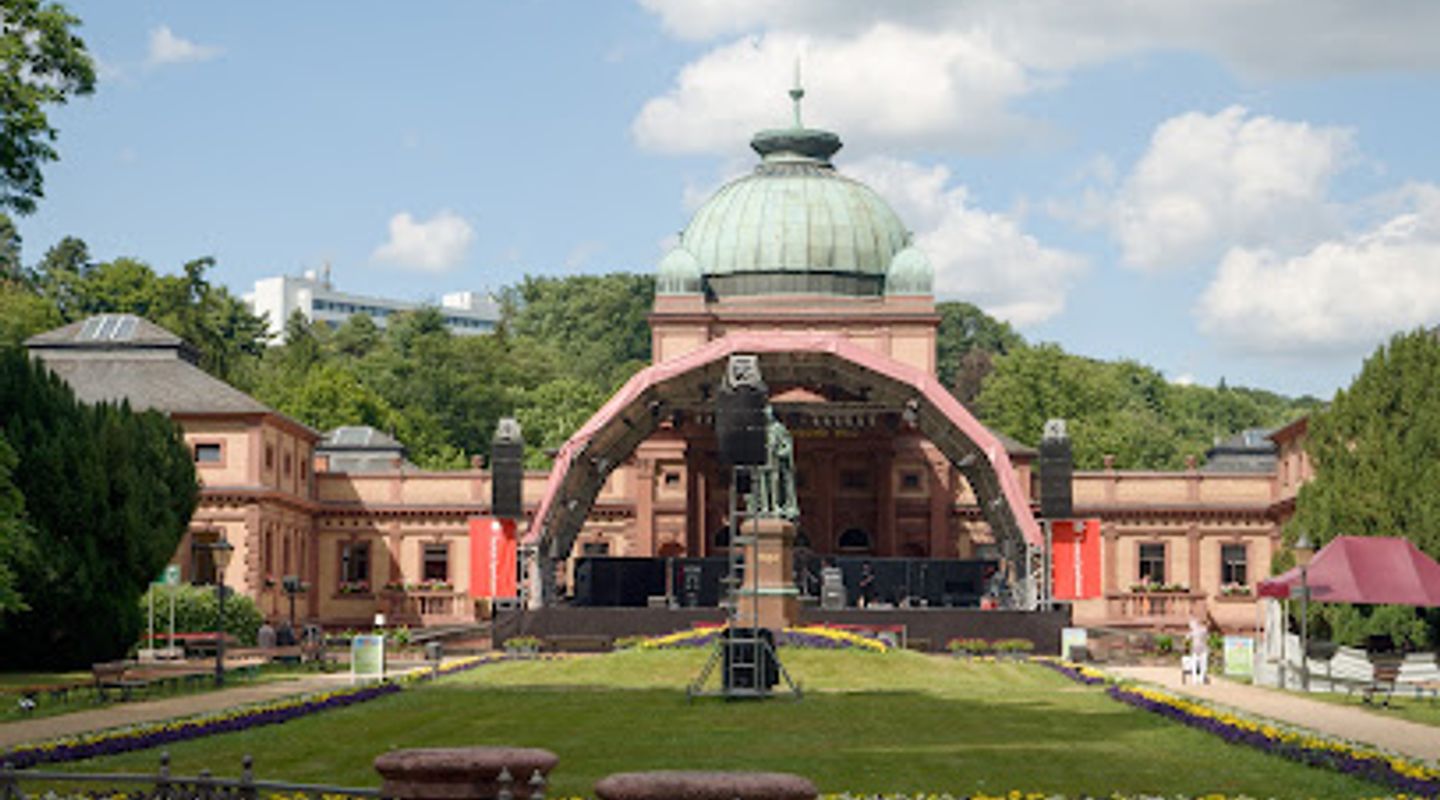
Escape to the serene Kurpark Bad Homburg, a meticulously landscaped park dating back to the 19th century. This expansive green space offers a tranquil retreat with mineral springs, historic buildings like the Kaiser-Wilhelms-Bad, and exotic flora. Stroll along winding paths, discover hidden monuments, and enjoy the peaceful atmosphere that once attracted emperors and nobles. The park features diverse attractions, including Thai Salas, a Russian Chapel, and the Spielbank Casino, ensuring a blend of nature, culture, and history. Whether you seek relaxation, exploration, or a touch of elegance, Kurpark Bad Homburg provides an unforgettable experience in the heart of Bad Homburg.
Opening hours
- Every dayOpen 24 hours
Opening hours as listed on the venue’s Google Business Profile. Hours can change for services and special events, so check with the venue before you go.
- Address
- 61348 Bad Homburg
- Phone
- Website
Getting there
Walking
Public Transport
Taxi/Ride-Share
Driving
Discover more about Kurpark Bad Homburg
Overview
Kurpark Bad Homburg, a sprawling 44-hectare park in the heart of Bad Homburg, is more than just a green space; it's a journey through history, a botanical wonderland, and a haven of tranquility. Established in the 19th century, this meticulously designed park has served as a retreat for emperors, nobles, and countless visitors seeking respite and rejuvenation. The park's origins trace back to the discovery of the Elisabethenbrunnen in 1834, which marked the beginning of Bad Homburg's rise as a renowned spa town. Recognizing the need for a grand and beautiful space for their guests, the town's leaders commissioned Peter Joseph Lenné, the renowned Prussian garden director, to create a park that would surpass all others in size and splendor. Lenné's vision, brought to life in 1854, transformed the Kirdorfer Bach valley into an English landscape garden, characterized by vast lawns, picturesque groups of trees, serene ponds, and winding paths. As you wander through the Kurpark, you'll encounter a diverse collection of attractions that reflect the park's rich history and international influences. The Kaiser-Wilhelms-Bad, a palatial therapy house built between 1887 and 1890, stands as a testament to Bad Homburg's imperial past. Nearby, the Kaiserbrunnen, with its fizzy acidulous sodium chloride water, offers a taste of the town's healing springs. The park's international flair is evident in its two Thai Salas, gifted by the Kings of Siam. The first, inaugurated in 1914, was a symbol of the close ties between Siam and Bad Homburg, while the second, gifted in 2007, further solidified this connection. These ornate pavilions provide a touch of Southeast Asian elegance to the park's landscape. Religious diversity is also represented in the Kurpark, with the Russian Chapel, built in 1896, serving as a place of worship for Russian spa guests. Its golden dome and traditional Orthodox architecture add another layer to the park's cultural tapestry. Beyond its architectural and cultural landmarks, the Kurpark is a botanical paradise, home to over 2,100 mature trees and countless shrubs, representing 82 different species from around the world. From native German trees to exotic specimens from North America and Asia, the park's flora is a testament to its long history of cultivation and international exchange. The Kurpark is also a place for recreation and relaxation. Visitors can enjoy a round of golf on the small golf course, play tennis on the park's courts, or simply relax by the Schwanenteich (Swan Pond) and watch the fountain. The park also hosts a variety of events throughout the year, including classical concerts, the Thai Festival, and the Bad Homburg Summer festival, ensuring there's always something to see and do. For those seeking a deeper connection with nature, the Kurpark offers a garden for the blind, designed to stimulate the senses through touch and smell. This thoughtful addition allows visitors of all abilities to experience the park's beauty in a unique and meaningful way. The Kurpark's commitment to preservation is evident in the work of the Stiftung Historischer Kurpark, a foundation dedicated to protecting the park's cultural monuments and preserving its historical significance. Through ongoing maintenance and restoration efforts, the foundation ensures that the Kurpark remains a vibrant and cherished landmark for generations to come. Whether you're a history buff, a nature lover, or simply seeking a peaceful escape, Kurpark Bad Homburg offers something for everyone. Its blend of history, culture, and natural beauty makes it a truly unique and unforgettable destination.
Evendo Review Centre
 Google
Guest reviews
Explore Kurpark Bad Homburg on the map
A handpicked selection of must-see spots near Kurpark Bad Homburg, mapped for you.
Get your free copy of our complete guide to Kurpark Bad Homburg, delivered straight to you.
Everything on this page, from opening hours and how to get there to Eve’s tips and the best time to go, in one PDF you can read offline, print or share.
Already have an account? Sign in
Your Kurpark Bad Homburg guide is ready.
We'll send it to · Not you? Sign out

Getting your guide ready…
We are putting together a fresh copy of the Kurpark Bad Homburg guide. This can take up to a minute.
This can take a few moments. If your browser asks, choose Allow so the download can start. You'll find the guide in your Downloads folder.
Nothing happened? Download it again
Sorry, the guide is taking longer than usual. Please try again in a minute, or get it by email instead.
Other nearby places you may find interesting
The closest places of the same kind, if this one is not quite what you had in mind.
-
-
-
-
-


Swipe for more places
More to explore near Kurpark Bad Homburg

 Best experiences near Kurpark Bad Homburg
 Best hotels near Kurpark Bad Homburg
 Best landmarks near Kurpark Bad Homburg
 Best attractions near Kurpark Bad Homburg
 Best shops near Kurpark Bad Homburg
 Best restaurants near Kurpark Bad Homburg
 Best bars near Kurpark Bad Homburg
Do you manage this location?
Take control to get all the benefits, like improved information, better appearance, and stronger visibility across AI-powered discovery.
Explore more
Explore more of Taunus
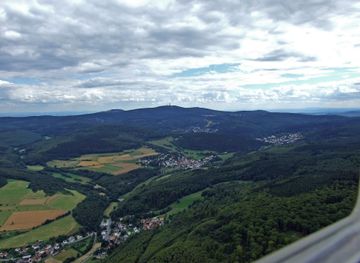
Discover the enchanting Taunus Mountains in Germany, where lush landscapes, historic towns, and cultural treasures await amidst serene natural beauty.
Explore Taunus
Explore more of Germany
Experience Germany: where history meets innovation, and urban energy blends with natural beauty. Discover diverse cultures, delicious cuisine, and stunning landscapes.
Explore Germany
