Limburg Travel Guide
Free Guide: Discover Limburg an der Lahn: A captivating medieval town with stunning architecture, rich history, and idyllic riverside charm, nestled between Frankfurt and Cologne.


A brief summary of Limburg
Discover Limburg an der Lahn: A captivating medieval town with stunning architecture, rich history, and idyllic riverside charm, nestled between Frankfurt and Cologne.
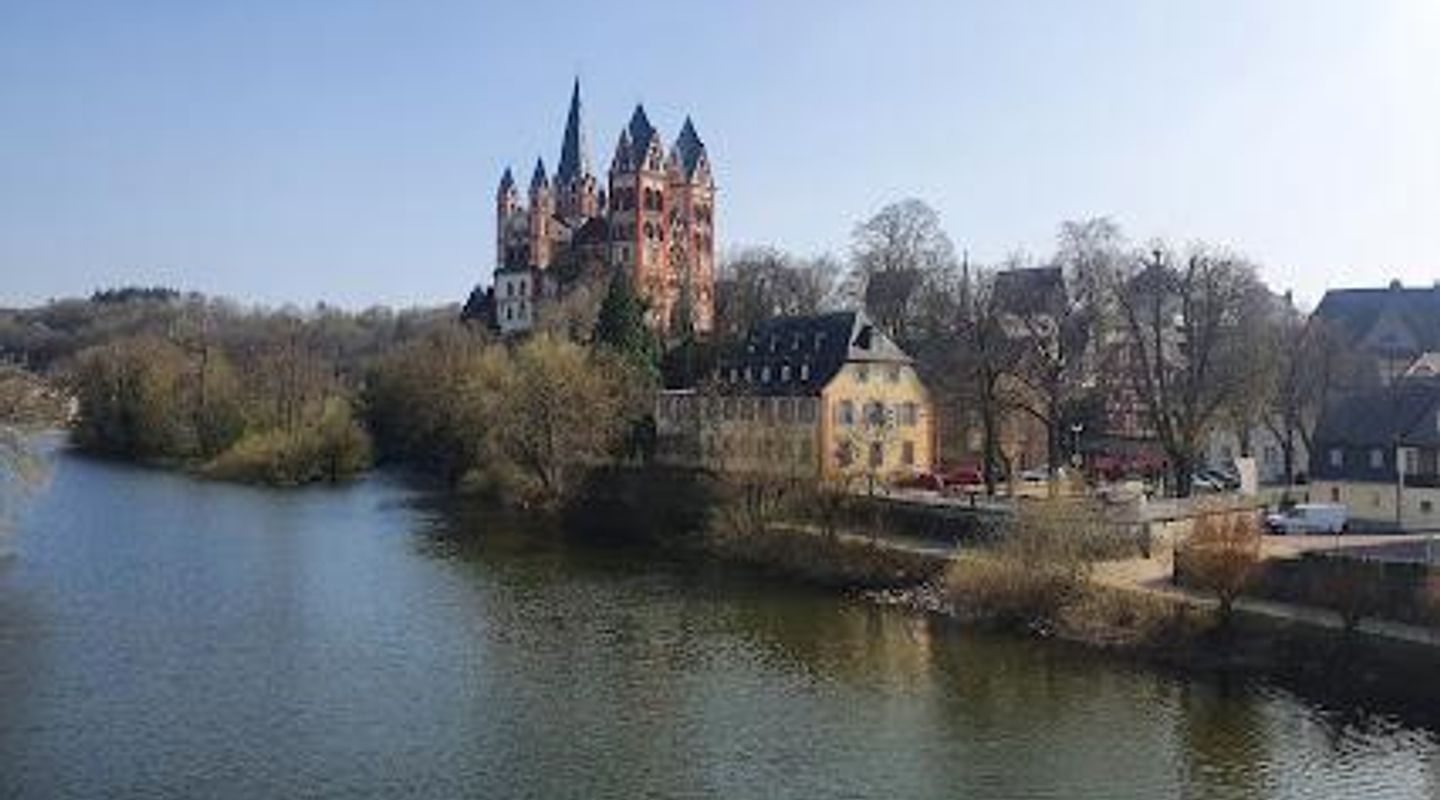
Limburg an der Lahn, a captivating town in Hesse, Germany, enchants visitors with its remarkably preserved medieval architecture and idyllic setting on the Lahn River. The iconic Limburg Cathedral, a stunning example of Romanesque and early Gothic architecture, dominates the skyline, while the Altstadt (Old Town) beckons with its labyrinthine cobblestone streets and charming half-timbered houses. Limburg's rich history, dating back to the 8th century, is palpable as you wander through its historic heart, discovering architectural treasures like Römer 2-4-6, Germany's oldest free-standing house, and the intriguing House of the Seven Deadly Sins. Easily accessible and offering a wealth of cultural and historical attractions, Limburg provides an unforgettable glimpse into Germany's medieval past, making it a worthwhile destination for any traveler seeking authentic experiences.
- Address
- Limburg
- Website
Getting there
Walking
Public Transport
Driving
Discover more about Limburg
Overview
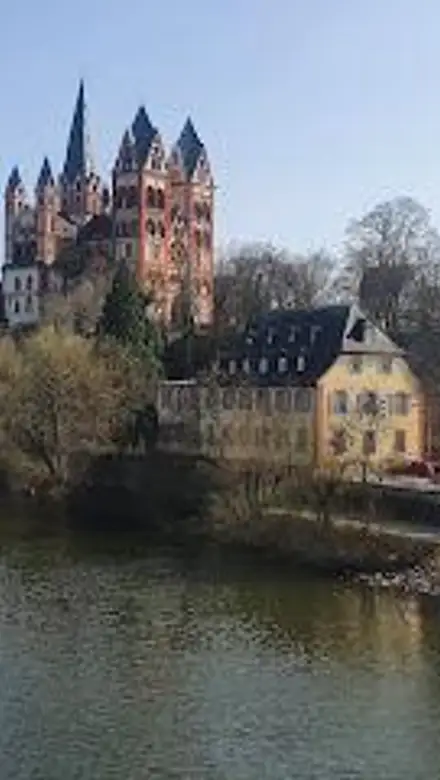
Limburg an der Lahn, often simply called Limburg, is a captivating town nestled in the heart of Hesse, Germany. Its strategic location on the Lahn River, between the bustling metropolis of Frankfurt and the historic city of Koblenz, has shaped its rich history and made it a significant crossroads for centuries. Today, Limburg stands as a remarkably well-preserved medieval town, offering visitors a unique glimpse into Germany's past. The town's most iconic landmark is undoubtedly the Limburg Cathedral (Limburger Dom), also known as St. George's Cathedral. Perched dramatically atop a rock overlooking the Lahn River, the cathedral's striking silhouette dominates the townscape and can be seen from afar. Built primarily in the 13th century, the cathedral is a masterpiece of Romanesque and early Gothic architecture, showcasing a blend of styles that reflects the artistic dynamism of the era. Its seven distinctive spires, more than any other church in Germany, symbolize the seven sacraments and contribute to its unique and imposing presence. Stepping inside the Limburg Cathedral is like entering a sacred realm. The interior, with its soaring arches, intricate stonework, and stunning stained-glass windows, evokes a sense of awe and reverence. The cathedral's walls are adorned with colorful frescoes, depicting biblical scenes and adding to the rich tapestry of its artistic heritage. The cathedral's treasury houses a collection of priceless religious artifacts, including the Staurothek, a reliquary box dating back to the 10th century. Beyond the cathedral, Limburg's Altstadt (Old Town) is a treasure trove of medieval charm. A stroll through its narrow, winding cobblestone streets is like stepping back in time. The town is renowned for its abundance of well-preserved half-timbered houses (Fachwerkhäuser), many dating back to the 17th and 18th centuries, though some structures are even older. These picturesque houses, with their timber frames and decorative facades, create a fairytale-like atmosphere that enchants visitors. Among the many architectural gems in the Altstadt, several stand out. Römer 2-4-6 is considered the oldest free-standing house in Germany, dating back to 1289. Its Gothic timbered structure is a testament to the craftsmanship of the era. The House of the Seven Deadly Sins (Haus der sieben Laster), built in 1567, is another notable landmark, adorned with grotesque faces carved into its beams, representing the seven deadly sins in Christianity. Other noteworthy half-timbered houses include Haus Kleine Rütsche 4, which marks the narrowest point on the old trade route between Cologne and Frankfurt, and the Werner-Senger Haus, known for its intricate facade. The Alte Lahnbrücke (Old Lahn Bridge), dating back to 1315, is another important historical landmark in Limburg. This centuries-old stone bridge, with its six arches and a statue of St. John of Nepomuk, once served as a vital link on medieval trade routes. Today, it offers scenic views of the Lahn River and the cathedral towering above its banks. Limburg's history stretches back over a thousand years. The town's origins can be traced to the 8th century, when the first castle buildings arose on the Limburg crags, likely to protect a ford over the Lahn River. The town is first mentioned in documents in 910, under the name Lintpurc, when Louis the Child granted Konrad Kurzbold an estate to build a church. Over the centuries, Limburg grew in importance as a trade hub and a center of ecclesiastical power. Limburg's strategic location along major trade routes contributed to its prosperity. The town was situated on the Via Publica, a major trade route connecting Cologne to Frankfurt and beyond. The Alte Lahnbrücke played a crucial role in facilitating trade and commerce, and the toll merchants paid to cross the bridge was a significant source of revenue for the town. In the 14th century, Limburg suffered a series of setbacks, including outbreaks of the plague, which led to a decline in its population. However, the town experienced a revival in the early 19th century, when it became part of the newly founded Duchy of Nassau. In 1827, Limburg became the seat of a Catholic diocese, further enhancing its importance. Today, Limburg an der Lahn is a vibrant town that seamlessly blends its rich history with modern life. Its well-preserved medieval architecture, stunning cathedral, and idyllic setting on the Lahn River make it a popular destination for tourists seeking an authentic German experience. The town offers a variety of cultural attractions, including museums, art galleries, and historical sites. Visitors can also enjoy a range of outdoor activities, such as hiking, cycling, and canoeing along the Lahn River. Limburg is easily accessible by car and train. The town is located near the A3 motorway, which connects Frankfurt and Cologne. There are also frequent train services from Frankfurt and other major cities. Limburg has two railway stations: Limburg (Lahn), which serves regional trains, and Limburg Süd, which serves high-speed ICE trains. Whether you are a history buff, an architecture enthusiast, or simply looking for a charming and picturesque town to explore, Limburg an der Lahn is sure to captivate your senses and leave you with lasting memories.
Evendo Review Centre
 Google
Guest reviews
Explore Limburg on the map
A handpicked selection of must-see spots near Limburg, mapped for you.
Get your free copy of our complete guide to Limburg, delivered straight to you.
Everything on this page, from opening hours and how to get there to Eve’s tips and the best time to go, in one PDF you can read offline, print or share.
Already have an account? Sign in
Your Limburg guide is ready.
We'll send it to · Not you? Sign out

Getting your guide ready…
We are putting together a fresh copy of the Limburg guide. This can take up to a minute.
This can take a few moments. If your browser asks, choose Allow so the download can start. You'll find the guide in your Downloads folder.
Nothing happened? Download it again
Sorry, the guide is taking longer than usual. Please try again in a minute, or get it by email instead.
Unlock the best of Limburg
Skip-the-line tickets, guided tours with entry, and walking tours of the area, booked in a few clicks.


Other nearby places you may find interesting
The closest places of the same kind, if this one is not quite what you had in mind.
-
-
-
-
-


Swipe for more places
More to explore near Limburg

 Best experiences near Limburg

 Best hotels near Limburg

 Best landmarks near Limburg

 Best attractions near Limburg

 Best shops near Limburg

 Best restaurants near Limburg

 Best bars near Limburg
Do you manage this location?
Take control to get all the benefits, like improved information, better appearance, and stronger visibility across AI-powered discovery.
Explore more
Explore more of Taunus
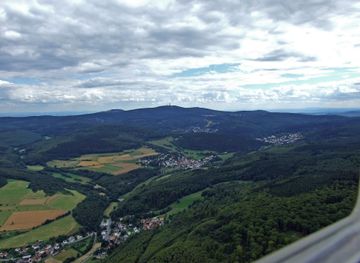
Discover the enchanting Taunus Mountains in Germany, where lush landscapes, historic towns, and cultural treasures await amidst serene natural beauty.
Explore Taunus
Explore more of Germany
Experience Germany: where history meets innovation, and urban energy blends with natural beauty. Discover diverse cultures, delicious cuisine, and stunning landscapes.
Explore Germany