Background

Trasshöhlen: Volcanic Echoes in the Brohl Valley

4.7 (1012)

Explore the Trasshöhlen near Brohl-Lützing: a unique landscape shaped by volcanic activity and centuries of mining, offering scenic hikes and a glimpse into the Eifel's past.

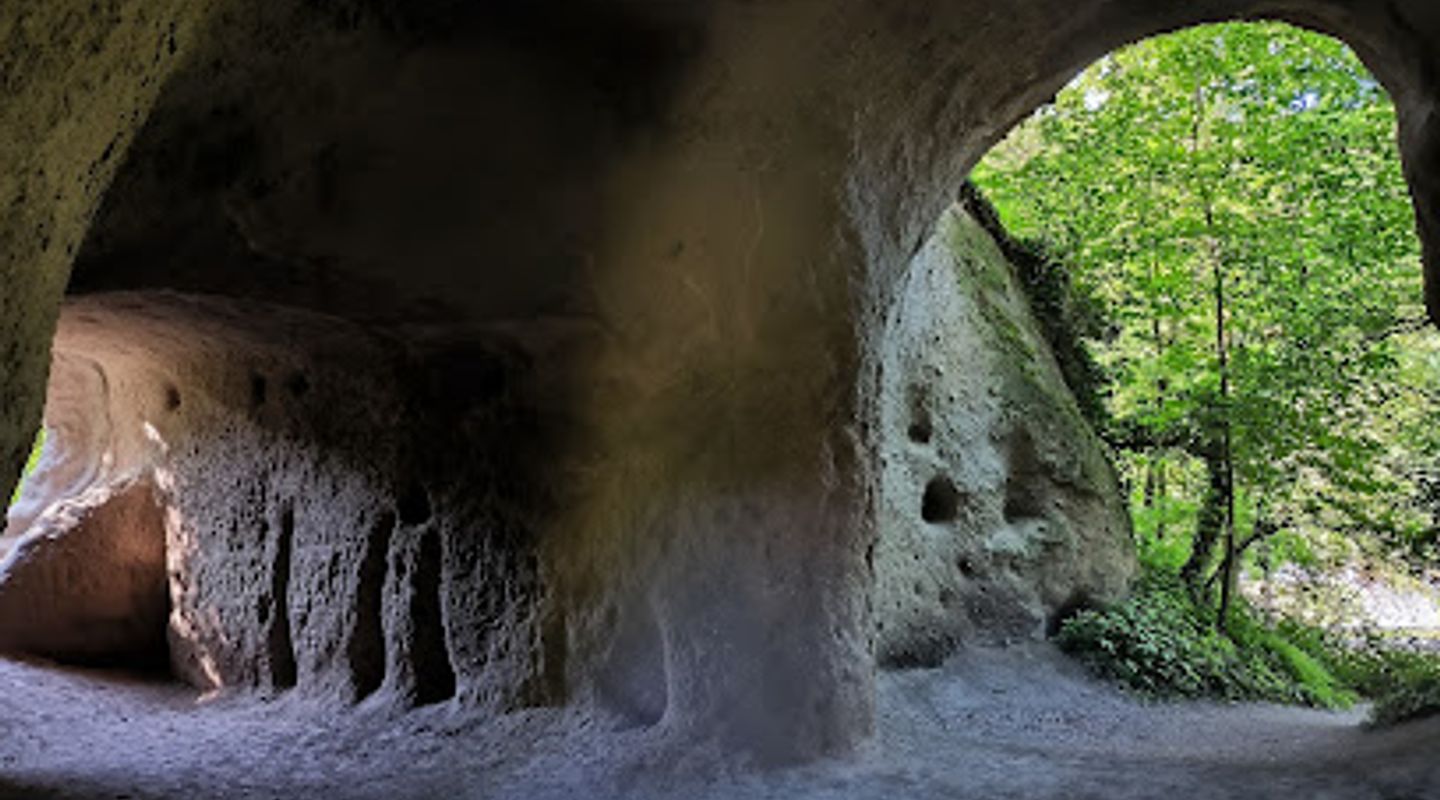
The Trasshöhlen, or Trass Caves, near Brohl-Lützing, are a fascinating testament to the Eifel region's volcanic past. Formed from the eruption of the Laacher See volcano approximately 13,000 years ago, these caves were created by the mining of 'trass,' a volcanic cement, since Roman times. The caves offer a unique glimpse into the region's geological history and the resourcefulness of its inhabitants. Today, the Trasshöhlen are a popular hiking destination, offering scenic trails and a chance to explore these intriguing formations. The area provides insights into the region's industrial past, where trass was highly valued for its ability to harden even underwater, making it ideal for constructing dikes and harbor facilities, particularly in the Netherlands. The caves themselves, left behind after centuries of quarrying, stand as a striking reminder of the powerful geological forces that shaped the landscape.

A brief summary to Trasshöhlen

  • Monday 12 am-12 am
  • Tuesday 12 am-12 am
  • Wednesday 12 am-12 am
  • Thursday 12 am-12 am
  • Friday 12 am-12 am
  • Saturday 12 am-12 am
  • Sunday 12 am-12 am

Local tips

  • Wear sturdy shoes, as the trails around the Trasshöhlen can be uneven and rocky.
  • Bring water and snacks, especially if you plan on hiking for an extended period.
  • Check the weather forecast before you go, as the trails can be slippery in wet conditions.
  • Combine your visit with a trip to the nearby Laacher See or Vulkanpark to learn more about the region's volcanic history.
  • Consider visiting during the week to avoid crowds, especially during peak season.
widget icon

Do you manage this location?

Take control to get all the benefits, like improved information, better appearance, and stronger visibility across AI-powered discovery. Learn more

Activate your presence

Unlock the Best of Trasshöhlen

Buy tickets

    No tickets available

Book tours with entry

    No tours available

Book tours without entry

    No tours available

Getting There

  • Walking

    From the Brohl-Lützing train station, follow the signs towards Burgbrohl. The Trasshöhlen are located approximately 3 km from the station. The walk is mostly flat, following well-marked paths. Look for signs indicating 'Trasshöhlen' or 'Vulkanregion Laacher See'. The path leads through the village and then into the countryside. The walk takes approximately 45 minutes to an hour. There are no specific costs associated with walking to the Trasshöhlen.

  • Public Transport

    From Brohl-Lützing, take bus line 880 towards Burgbrohl. Get off at the 'Burgbrohl, Trasshöhlen' stop. From the bus stop, it's a short, signposted walk (approximately 500m) to the entrance of the Trasshöhlen area. Buses run regularly, approximately every hour. A single ticket costs around €2-€3. Check local transport schedules for the most up-to-date information.

  • Driving

    From Brohl-Lützing, follow the B412 towards Burgbrohl. After entering Burgbrohl, follow the signs to 'Trasshöhlen'. Parking is available near the entrance to the hiking area. Parking is free. Be aware that parking can be limited during peak season. From the parking area, it's a short walk to the Trasshöhlen.

Discover more about Trasshöhlen

The Trasshöhlen, located near Brohl-Lützing in the Brohl Valley, are a captivating reminder of the Eifel region's fiery volcanic history. These unique cave formations owe their existence to the Laacher See volcano, which erupted approximately 13,000 years ago in one of Central Europe's largest volcanic events. The eruption spewed forth massive amounts of ash and pumice, blanketing the surrounding valleys in a thick layer of volcanic material. Over time, this material solidified into a rock known locally as 'trass,' a type of volcanic cement. Trass is notable for its exceptional building properties, particularly its ability to harden even underwater. This characteristic made it a highly sought-after resource, and the Romans were among the first to recognize its value, using it in the construction of buildings and infrastructure. However, it was the Dutch who truly capitalized on trass, beginning in the 16th century, utilizing it extensively in the construction of dikes and harbor facilities to reclaim land from the sea. The Dutch even gave the material its name; 'Tyrass' is Dutch for 'glue'. For centuries, trass was quarried from the Brohl Valley, and the Trasshöhlen are the remnants of this extensive mining activity. As miners extracted the valuable material, they carved deep into the trass deposits, creating a network of caves and tunnels. These caves, now known as the Trasshöhlen, offer a fascinating glimpse into the region's industrial past and the geological forces that shaped the landscape. Today, the Trasshöhlen are a popular destination for hikers and nature enthusiasts. A network of well-maintained trails winds through the area, allowing visitors to explore the caves and admire the unique rock formations. The trails offer varying levels of difficulty, making the Trasshöhlen accessible to a wide range of hikers. As you wander through the area, you'll be struck by the sheer scale of the caves and the intricate patterns etched into the rock walls. The Trasshöhlen are not only a geological wonder but also an important historical and cultural landmark. The caves and surrounding rock formations are steeped in local lore and provide a tangible link to the region's past. The site is also a stop on the German Volcano Road, a scenic route that highlights the volcanic history of the Eifel region. Beyond the caves themselves, the Brohl Valley offers a wealth of natural beauty. The area is characterized by rolling hills, lush forests, and picturesque villages. The Rhine River flows nearby, adding to the scenic charm of the region. Visitors can enjoy a variety of outdoor activities, including hiking, cycling, and boating. For those interested in learning more about the region's volcanic history, the Vulkanpark, located near the Laacher See, is a must-visit. This interactive museum provides a fascinating overview of the Eifel region's volcanic past, with exhibits on the Laacher See eruption and the formation of the Trasshöhlen. The Trasshöhlen are easily accessible from Brohl-Lützing and other nearby towns. The area is well-served by public transportation, and there is ample parking available for those arriving by car. Several restaurants and cafes can be found in the surrounding villages, offering a taste of local cuisine. Visiting the Trasshöhlen is an unforgettable experience that combines natural beauty, geological wonder, and historical significance. Whether you're a seasoned hiker or simply looking for a unique day trip, the Trasshöhlen are sure to leave a lasting impression. The caves stand as a testament to the power of nature and the ingenuity of humankind, offering a glimpse into a fascinating chapter of the Eifel region's past. As you explore the Trasshöhlen, take a moment to reflect on the forces that created this remarkable landscape. Imagine the fiery eruption of the Laacher See volcano, the relentless work of the miners who carved out the caves, and the countless generations who have relied on the region's natural resources. The Trasshöhlen are more than just a collection of caves; they are a living testament to the enduring relationship between humans and the natural world. Don't miss the opportunity to explore the surrounding area, including the charming villages of Brohl-Lützing and Burgbrohl. These towns offer a glimpse into traditional German life, with their half-timbered houses, cobblestone streets, and welcoming atmosphere. Sample the local cuisine, visit the historic churches, and immerse yourself in the region's rich culture. The Trasshöhlen are a destination that appeals to all the senses. The sight of the towering rock formations, the sound of the wind whistling through the caves, the scent of the forest, and the taste of local delicacies all combine to create an unforgettable experience. Come and discover the magic of the Trasshöhlen for yourself, and you'll understand why this hidden gem is one of the Eifel region's most treasured attractions.
Mobile App

Your all‑in‑one travel companion app

Explore expert travel guides, compare and book tours, experiences, hotels, and more—all from the palm of your hand. Download now for seamless trip planning wherever your wanderlust takes you.


Select Currency