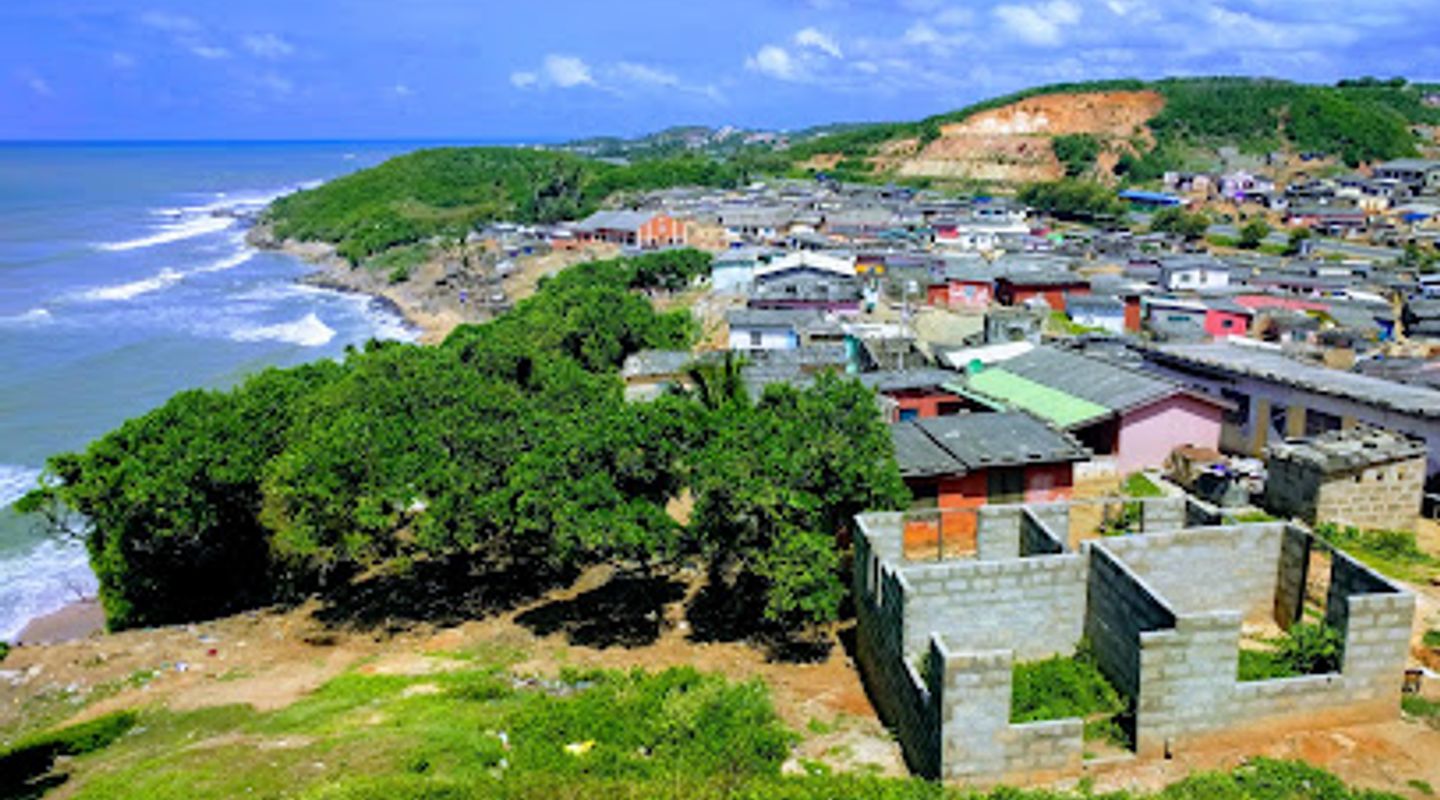
Fort Amsterdam, Ahafo Region Travel Guide
Explore Fort Amsterdam in Abandze, Ghana: a UNESCO World Heritage Site offering a poignant journey through colonial history and the transatlantic slave trade with stunning coastal views.
Fort Amsterdam, located in Abandze, Ghana, is a historical fortress with a rich and complex past. Originally built by the English in the 17th century as Fort Cormantin, it was later captured by the Dutch and renamed Fort Amsterdam. The fort played a significant role in the transatlantic slave trade, serving as a holding place for enslaved Africans before they were shipped to the Americas. Overlooking a picturesque coconut palm beach, the fort stands on a hill, offering stunning views of the Atlantic Ocean. Today, Fort Amsterdam is a UNESCO World Heritage Site and a poignant reminder of Ghana's colonial history and the horrors of the slave trade. Visitors can explore the fort's restored ruins, learn about its history, and reflect on the impact of the slave trade on the region and the world. The fort is open to the public and offers a glimpse into the past, making it a must-see destination for history enthusiasts and those interested in Ghana's cultural heritage.
A brief summary to Fort Amsterdam
- 5WR4+XQF, Kormantin- in the, Abandze, GH
- Click to display
- Monday 7 am-5 pm
- Tuesday 7 am-5 pm
- Wednesday 7 am-5 pm
- Thursday 7 am-5 pm
- Friday 7 am-5 pm
- Saturday 7 am-5 pm
- Sunday 7 am-5 pm

Know before you go
Hi, I'm Eve. Here are a few practical things to know before exploring Fort Amsterdam.
- Engage a local guide for a more in-depth understanding of the fort's history and its significance to the region.
- Visit early in the morning or late in the afternoon to avoid the heat and enjoy cooler temperatures.
- Wear comfortable shoes, as the terrain within the fort can be uneven and require some walking.
- Combine your visit with a trip to other nearby historical sites, such as Cape Coast Castle and Elmina Castle, for a comprehensive experience.
Do you manage this location?
Take control to get all the benefits, like improved information, better appearance, and stronger visibility across AI-powered discovery. Learn more about listing your business on Evendo
Activate your presenceOther nearby places you may find interesting
The closest places of the same kind, if this one is not quite what you had in mind.


Explore Fort Amsterdam on the Map
A handpicked selection of must-see spots near Fort Amsterdam, mapped for you.
Unlock the Best of Fort Amsterdam
Buy tickets
-
No tickets available
Book tours with entry


Getting There
-
Public Transport
From Cape Coast, take a tro tro (shared minibus) heading towards Abandze. The journey takes approximately 1.5 to 2 hours, depending on traffic and the number of stops. The fare is typically around 10-15 GHS. Once in Abandze, you can hire a local taxi or walk to Fort Amsterdam, which is about 5 kilometers from the town center. A taxi should cost around 15-20 GHS, but negotiate the price beforehand. Alternatively, enjoy a scenic walk through the town and along the coast to reach the fort.
-
Taxi/Ride-Share
From Cape Coast, a taxi or ride-sharing service directly to Fort Amsterdam in Abandze will take approximately 1.5 hours, depending on traffic. The cost will likely be in the range of 150-200 GHS. It's advisable to negotiate the fare before starting your journey. The taxi will drop you off near the entrance of the fort.
-
Driving
If driving from Cape Coast, follow the main road towards Accra. After approximately 40 kilometers, look for signs indicating the turn-off to Abandze. Follow the road to Abandze, and then look for signs directing you to Fort Amsterdam. Parking is available near the fort, and there is usually no fee. However, it's advisable to check with local authorities or the fort's staff for any parking regulations or fees.
Discover more about Fort Amsterdam













Your all‑in‑one travel companion app
Explore expert travel guides, compare and book tours, experiences, hotels, and more—all from the palm of your hand. Download now for seamless trip planning wherever your wanderlust takes you.


Explore More of Ahafo Region
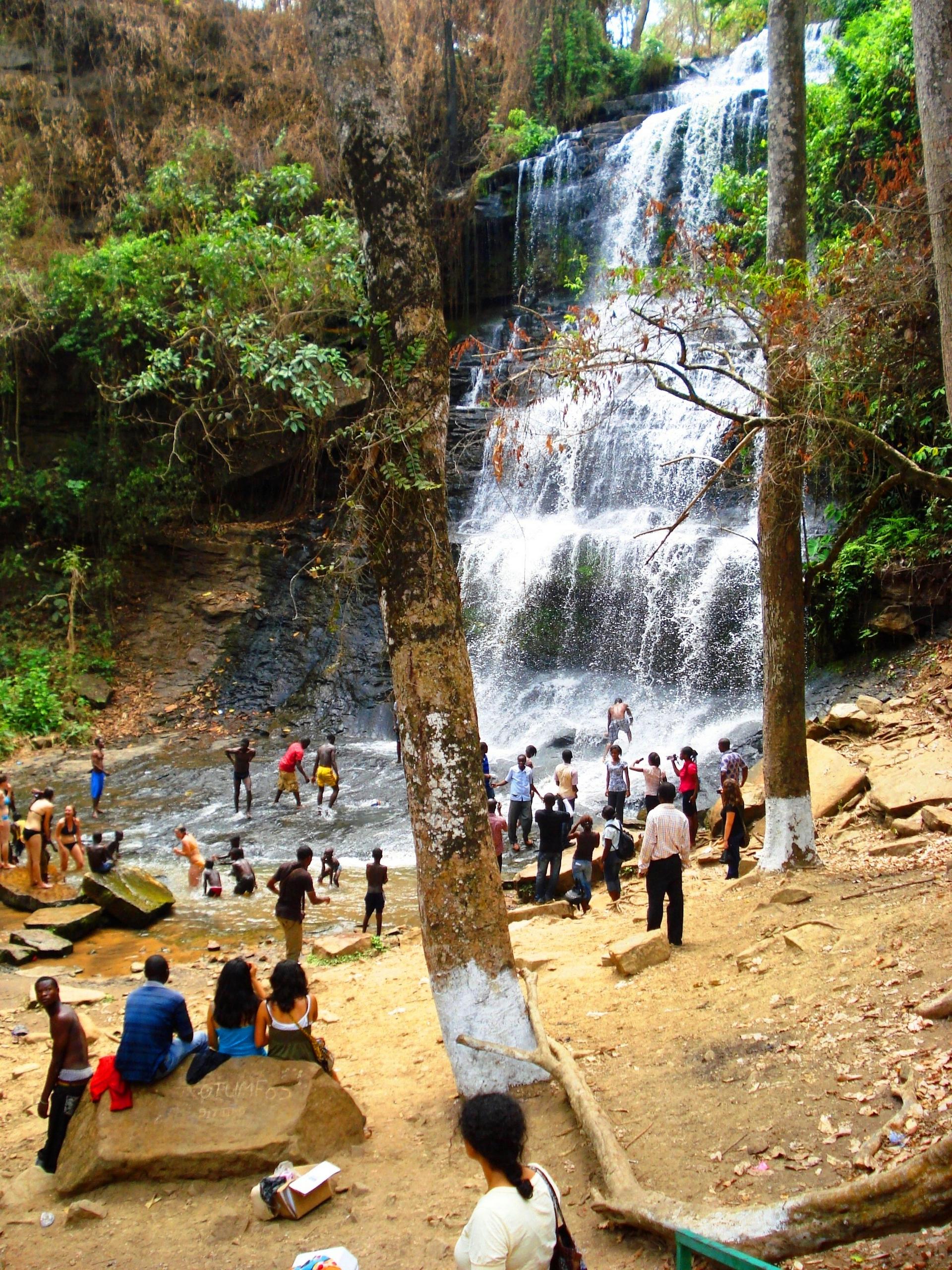
Looking beyond Fort Amsterdam? Discover Ahafo Region for broader travel guides, local hot-spots, and regional highlights.
Explore Ahafo Region
Discover the Ofarnyi Kweigya Fisherman Monument in Moree, a captivating tribute to the local fishing heritage and an essential stop for cultural exploration.
Uncover the rich history of Fort William in Anomabo, Ghana, where colonial tales meet stunning ocean views in a captivating atmosphere.