Background

Echoes of Ashanti Royalty at the Old Chief's Palace

Discover the regal history of the Ashanti Kingdom at Kumasi's Old Chief's Palace, where traditional architecture and cultural artifacts unveil centuries of Ghanaian heritage and artistry.

5

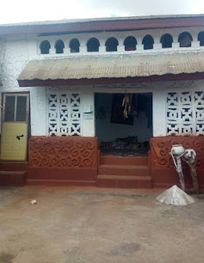
Step back in time at the Old Chief's Palace in Kumasi, a significant historical landmark that offers a glimpse into the rich heritage of the Ashanti Kingdom. Once a residence for powerful Ashanti chiefs, the palace showcases traditional Ghanaian architecture, intricate wood carvings, and vibrant textiles that reflect the artistry and grandeur of the Ashanti people. Explore the serene grounds, engage with knowledgeable local guides, and immerse yourself in the stories and traditions that have shaped the Ashanti identity over centuries. The palace also serves as a cultural center, hosting events and ceremonies that provide a deeper understanding of the local heritage. A visit here is a journey into the soul of the Ashanti Kingdom, offering a unique opportunity to connect with the past and appreciate the cultural depths of Ghana. Don't miss this chance to capture stunning photographs and create lasting memories of your exploration into Ashanti history.

A brief summary to Old Chief's Palace

  • PC5M+PH, Kumasi, GH

Local tips

  • Visit during weekdays to avoid larger crowds and enjoy a more intimate experience of the palace.
  • Engage with local guides for deeper insights into the history and cultural practices of the Ashanti people.
  • Check for scheduled cultural events or ceremonies to witness a unique perspective on Ashanti traditions.
  • Dress modestly and respectfully to honor local customs when visiting the palace.
widget icon

Getting There

  • Taxi/Ride-Share

    From any point within Kumasi, a taxi or ride-share is a convenient way to reach the Old Chief's Palace. Direct the driver to PC5M+PH, Kumasi. The fare should typically range from GHS 10 to GHS 20 depending on the distance and traffic. Confirm the price before starting your journey.

  • Public Transport

    To reach the Old Chief's Palace via public transport ('trotro'), head to a major trotro station in Kumasi, such as the Kejetia Market station. Look for a trotro heading towards Abrepo or a nearby area. Inform the driver of your destination, and they will drop you off at the nearest convenient point, from where you may need to walk for about 10-15 minutes to reach the palace. Trotro fares are typically around GHS 2 to GHS 5.

  • Walking

    If you are already in the vicinity of Adum or Kejetia Market, you can walk to the Old Chief's Palace. From Kejetia Market, head north towards the N6 highway. The palace is located approximately 15-20 minutes away on foot. Use a map application for precise directions, orienting yourself using landmarks such as the Komfo Anokye Teaching Hospital.

Unlock the Best of Old Chief's Palace

Buy tickets

    No tickets available

Book tours with entry

    No tours available

Book tours without entry

    No tours available

Discover more about Old Chief's Palace

The Old Chief's Palace in Kumasi stands as a compelling testament to the enduring legacy of the Ashanti Kingdom. While often overshadowed by the more prominent Manhyia Palace, this historical landmark offers a unique and intimate glimpse into the lives and governance of Ashanti chiefs, providing a valuable perspective on the region's rich cultural heritage. Originally constructed as a residence for a high-ranking chief, the palace embodies the architectural traditions of the Ashanti people. The structure features a blend of local materials and design elements, showcasing the craftsmanship and artistry that flourished within the kingdom. Intricate wood carvings adorn the walls and doorways, depicting scenes from Ashanti mythology, proverbs, and historical events. These carvings served not only as decoration but also as a means of preserving and transmitting cultural knowledge. The palace grounds are designed to reflect the social and political hierarchy of the Ashanti court. Courtyards and open spaces provided areas for public gatherings, ceremonies, and the administration of justice. Private quarters offered seclusion and comfort for the chief and his family. The layout of the palace was carefully planned to ensure both security and accessibility, reflecting the chief's role as both a ruler and a community leader. Inside the palace, visitors can explore a collection of artifacts that offer insights into the daily life, customs, and beliefs of the Ashanti people. Traditional clothing, weaponry, ceremonial objects, and household items are displayed, providing a tangible connection to the past. These artifacts tell stories of trade, warfare, diplomacy, and the spiritual practices that shaped Ashanti society. The Old Chief's Palace also serves as a venue for cultural events and ceremonies, keeping the traditions of the Ashanti Kingdom alive. Music, dance, and storytelling performances are regularly held, offering visitors an immersive experience of Ashanti culture. These events provide an opportunity to interact with local artists and community members, gaining a deeper understanding of the values and beliefs that continue to shape the region. While the Old Chief's Palace may not boast the grandeur of larger royal residences, its intimate scale and authentic atmosphere make it a particularly rewarding destination for travelers seeking a genuine cultural experience. The palace offers a chance to step back in time and imagine the lives of those who once resided within its walls, providing a unique perspective on the history and heritage of the Ashanti Kingdom. Visiting the Old Chief's Palace requires a spirit of curiosity and a willingness to engage with the local community. Knowledgeable guides are available to share stories and insights, enriching the visitor experience. By exploring this hidden gem, travelers can gain a deeper appreciation for the cultural richness of Ghana and the enduring legacy of the Ashanti people. The significance of the Old Chief's Palace extends beyond its architectural and historical value. It serves as a symbol of resilience, cultural identity, and the importance of preserving heritage for future generations. In a rapidly changing world, the palace stands as a reminder of the traditions, values, and beliefs that have shaped the Ashanti people and their contribution to the cultural landscape of Ghana. To fully appreciate the Old Chief's Palace, it is essential to understand the broader context of Ashanti history and culture. The Ashanti Kingdom emerged in the late 17th century, uniting several Akan groups under the leadership of King Osei Tutu. The kingdom quickly rose to prominence, becoming a major power in West Africa through its control of the gold trade and its sophisticated military organization. The Golden Stool, a sacred symbol believed to embody the soul of the Ashanti nation, played a central role in the kingdom's political and spiritual life. The Asantehene, or king, was considered the custodian of the Golden Stool and the embodiment of Ashanti unity and identity. The Ashanti Kingdom faced numerous challenges during the colonial era, including conflicts with the British Empire. Despite these challenges, the Ashanti people maintained their cultural identity and resisted colonial rule, becoming a symbol of resistance and independence for other African nations. Today, the Ashanti Kingdom continues to play a significant role in Ghanaian society, with the Asantehene serving as a respected traditional leader and a symbol of cultural pride. The Old Chief's Palace, along with other historical sites and cultural institutions, serves as a reminder of the kingdom's rich history and its enduring legacy. Visiting the Old Chief's Palace is an opportunity to connect with this legacy and to gain a deeper understanding of the cultural richness of Ghana. It is a chance to explore the traditions, values, and beliefs that have shaped the Ashanti people and their contribution to the world. As you wander through the palace grounds, take time to reflect on the stories and the history that surrounds you. Imagine the lives of the chiefs who once resided here, the ceremonies that took place in the courtyards, and the decisions that shaped the destiny of the Ashanti Kingdom. Let the Old Chief's Palace be a reminder of the importance of preserving cultural heritage and celebrating the diversity of human experience.

Popular Experiences near Old Chief's Palace

Popular Hotels near Old Chief's Palace

Select Currency