

Free Ahafo Region Travel Guide & Mobile App
Explore Ahafo Region with free travel guides. Discover regional history, expert tips, proposed trips, and audio guides on web or mobile app.


Explore Ghana’s Ahafo Region for cocoa country, forest landscapes, Akan heritage, welcoming market towns and an evolving rural culture.
Read more about Ahafo Region
When is the best time to visit Ahafo Region?
Best: December–February · 33°C| Month | High (°C) | Rainfall (mm) |
|---|---|---|
| January (best) | 33 | 25 |
| February (best) | 33 | 40 |
| March | 34 | 75 |
| April | 33 | 110 |
| May | 32 | 130 |
| June | 32 | 150 |
| July | 31 | 140 |
| August | 31 | 140 |
| September | 31 | 150 |
| October | 32 | 130 |
| November | 32 | 90 |
| December (best) | 33 | 50 |
Getting to and around Ahafo Region
How to get there
Transportation
Top city travel guides in Ahafo Region
The cities of Ahafo Region, and the easiest places to base yourself.

Swipe for more cities
Best attractions in Ahafo Region
Ahafo’s attractions are primarily landscape- and community-based rather than concentrated in a single tourism corridor. Road journeys through cocoa country provide a sense of the region’s forest ecology and agricultural economy, while Goaso, Kenyasi, Duayaw Nkwanta, Bechem and other district centres offer markets, churches, streetscapes and everyday commercial life. Visitors interested in rural Ghana can arrange appropriate introductions to farms or community projects, but should treat working land as private and seek permission in advance. The region’s rivers, forest remnants and rolling countryside are best explored with local guidance, particularly where paths, access rights and seasonal conditions are unclear. The Ahafo mine near Kenyasi is an important contemporary industrial presence, although it is not a casual sightseeing attraction and access is controlled. Local festivals, chiefly events and religious celebrations can provide valuable cultural context when dates and visitor arrangements are confirmed locally. Ahafo is consequently most rewarding for travellers who value agricultural landscapes, regional history and direct observation of contemporary Ghanaian life rather than a packed list of ticketed sights.
-
Tourist attraction
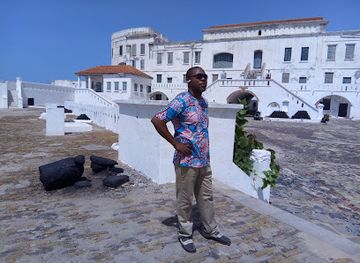
Cape Coast Castle
Explore Cape Coast Castle, a UNESCO World Heritage Site that reveals the poignant history of the transatlantic slave trade and offers breathtaking coastal views.
-
Museum
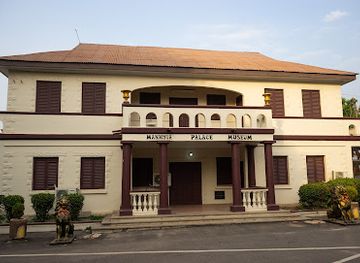
Manhyia Palace
Explore the enchanting Manhyia Palace in Kumasi, a museum that unveils the rich history and cultural heritage of the Ashanti Kingdom.
-
Park
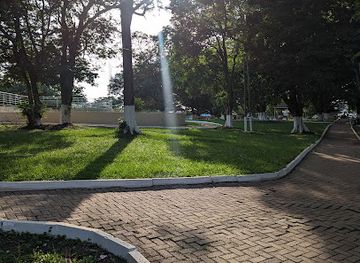
Royal Parade Grounds
Discover the vibrant culture and serene beauty of Royal Parade Grounds, a lush oasis in Kumasi, perfect for relaxation and local festivities.
-
Tourist attraction
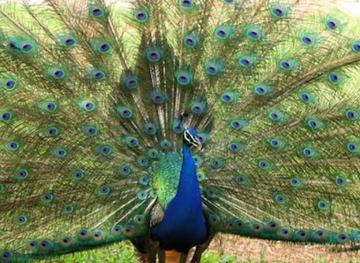
Kumasi Zoological Gardens
Discover the vibrant wildlife and engaging exhibits at Kumasi Zoological Gardens, a must-visit animal park in the heart of Kumasi, Ghana.
Best landmarks in Ahafo Region
Goaso’s status as the capital gives its civic centre and public institutions particular importance within the young region, although the town is more an administrative landmark than a preserved historic quarter. The Tano river system is one of Ahafo’s defining geographical features, shaping settlement, farming and local environmental concerns across the region. Around Kenyasi, the large-scale Ahafo mining landscape is a prominent marker of contemporary economic change and stands in sharp contrast to the surrounding cocoa-growing countryside; visitors should view it only from public areas or through authorised arrangements. Cocoa farms, forest margins and the road corridors linking Goaso with district towns are less monumental but highly representative landmarks of Ahafo’s modern identity. Traditional palaces and chiefly settings also hold local historical significance, yet access and photography depend on community protocol. Rather than expecting a dense collection of castles or colonial monuments, visitors should read Ahafo through the relationship between forest, farms, rivers, settlements, chiefly authority and newer industrial infrastructure.
-
National park
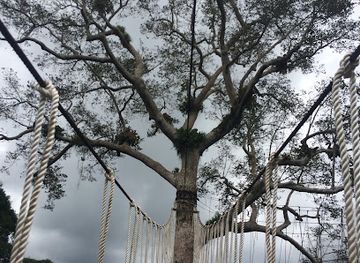
Kakum National Park
Explore the lush rainforests and incredible biodiversity of Kakum National Park, Ghana's premier destination for nature lovers and adventure seekers.
-
Hotel
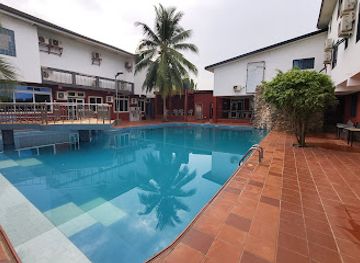
Tyco City Hotel
Experience comfort and convenience at Tyco City Hotel, your perfect base for exploring the beautiful city of Sunyani in Ghana.
-
Historical place
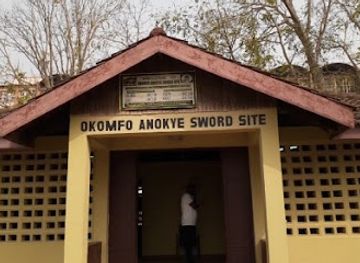
komfo Anokye Sword Site
Uncover the fascinating history and cultural significance of the Komfo Anokye Sword Site, a key landmark in Kumasi's rich tapestry of heritage.
-
Sports
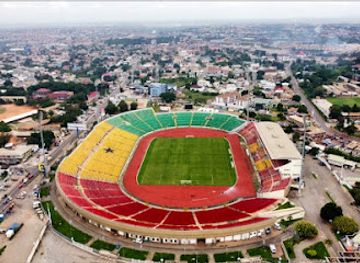
Baba Yara Sports Stadium
Experience the vibrant atmosphere of Baba Yara Sports Stadium, Kumasi's premier sports venue, where culture and excitement come alive.
Explore Ahafo Region on the map
Plan your trip on one map. See where the top cities, national parks and sights are, and book hotels and experiences in a few clicks.
Best hotels in Ahafo Region
Best restaurants in Ahafo Region
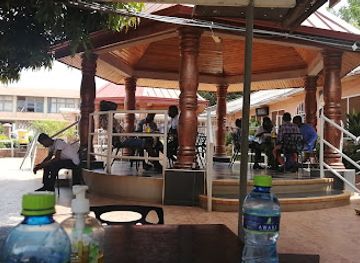
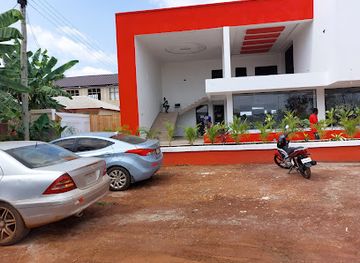
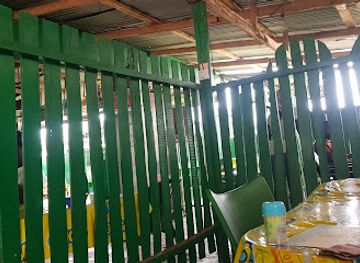
Dining in Ahafo is rooted in Ghanaian home cooking, market food and informal chop bars rather than a large formal restaurant scene. Fufu with palm-nut, groundnut or light soup is widely associated with the country’s forest and Akan culinary traditions, while ampesi, boiled plantain, cassava, cocoyam, beans, rice, grilled chicken and grilled fish are common practical meals. Local dishes may use cocoyam leaves, garden eggs, chilli, smoked fish and palm oil, with ingredients varying by season and household. Goaso and the larger district towns offer the broadest choice of chop bars, cafés, bakeries and hotel restaurants; smaller communities may have simpler daytime options. Cocoa is central to the agricultural economy, although visitors should not assume that every establishment offers a formal chocolate-tasting experience. Food stalls can be excellent for observing local life, but choose busy vendors, check how food is stored and carry water when travelling between towns.
-
Restaurant
Sweet Touch Restaurant And Bar
Discover authentic Ghanaian flavors at Sweet Touch Restaurant And Bar in Sunyani – where every meal is a celebration!
-
Restaurant
Mandela Restaurant
Experience authentic Ghanaian cuisine at Mandela Restaurant in Sunyani - where every meal tells a story.
-
Restaurant
Esbak Kitchen
Experience authentic Ghanaian cuisine at Esbak Kitchen in Sunyani – where local flavors meet continental delights.
-
Chop bar
Obaa Yaa Chop Bar
Savor the rich flavors of Ghana at Obaa Yaa Chop Bar in Sunyani – where every meal tells a story.

Best bars in Ahafo Region
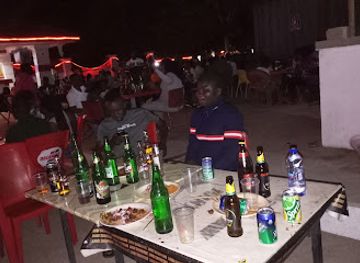
Evening life in Ahafo is concentrated in Goaso and other larger towns, where drinking spots, hotel bars, local pubs, music venues and food sellers provide a sociable night out. In smaller communities, evenings tend to centre on family gatherings, churches, football broadcasts, roadside restaurants and modest bars rather than dedicated nightclubs. Ghanaian beers, soft drinks, spirits and locally prepared beverages may be available, but the atmosphere varies considerably by day, town and season. Visitors should ask residents or accommodation staff about current venues because businesses and event schedules change. Public celebrations and festivals can include music and dancing, though these are community occasions rather than permanent nightlife attractions. Use registered or trusted transport after dark, keep valuables secure and avoid treating alcohol as the main way to engage with local culture.
-
Bar
Dreamers Joint
Experience the vibrant social scene at Dreamers Joint, a top bar in Sunyani, perfect for relaxing and enjoying local culture.
-
Grill
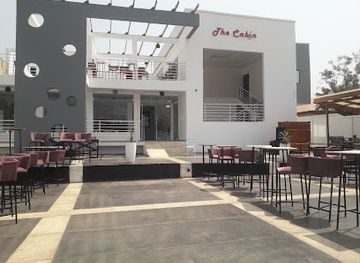
the cabin lounge
Discover the delightful flavors of The Cabin Lounge in Sunyani, where cozy ambiance meets exquisite grilled cuisine.
-
Bar
Stamford Pub
Experience the vibrant nightlife of Sunyani at Stamford Pub, where locals gather for drinks, music, and great company.
-
Bar
Executive Pub (Veriton)
Discover the essence of Tepa's nightlife at Executive Pub (Veriton), where vibrant atmosphere meets diverse drink selections.
Best nightclubs in Ahafo Region
Evening life in Ahafo is concentrated in Goaso and other larger towns, where drinking spots, hotel bars, local pubs, music venues and food sellers provide a sociable night out. In smaller communities, evenings tend to centre on family gatherings, churches, football broadcasts, roadside restaurants and modest bars rather than dedicated nightclubs. Ghanaian beers, soft drinks, spirits and locally prepared beverages may be available, but the atmosphere varies considerably by day, town and season. Visitors should ask residents or accommodation staff about current venues because businesses and event schedules change. Public celebrations and festivals can include music and dancing, though these are community occasions rather than permanent nightlife attractions. Use registered or trusted transport after dark, keep valuables secure and avoid treating alcohol as the main way to engage with local culture.
-
Bar
Dreamers Joint
Experience the vibrant nightlife of Sunyani at Dreamers Joint, where local culture meets refreshing drinks and a lively atmosphere.
-
Pub
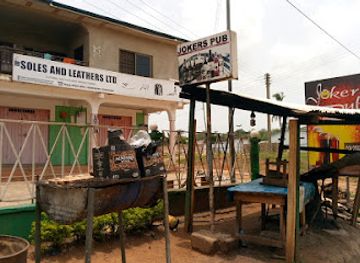
Jokers Pub
Discover the vibrant nightlife at Jokers Pub in Fiapre, where great drinks and lively events await every visitor.
-
Grill
the cabin lounge
Discover the rich flavors and inviting ambiance at The Cabin Lounge in Sunyani, where every meal is a delightful experience.
-
Disco club
Devoid_nightclub
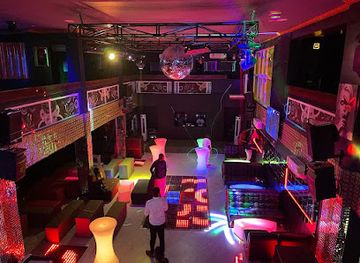
Experience the vibrant nightlife of Kumasi at Devoid Nightclub, where electrifying beats and unforgettable moments await every night.
Best shops in Ahafo Region
Shopping in Ahafo centres on everyday markets and independent businesses rather than large retail complexes. Goaso offers the broadest choice of provisions, clothing, household goods, mobile-phone services and travel supplies, while markets in district towns serve surrounding farming communities with food, tools, fabrics and practical merchandise. Travellers can look for plantain, cassava, cocoyam, spices, palm products and other seasonal produce, but should pack agricultural goods carefully and check airline or customs restrictions before taking them abroad. Small craft and textile purchases may be available through local contacts, although the region is not primarily known for a standardised tourist-souvenir industry. Cocoa-related products can be worth seeking from reputable sellers, but packaging and availability vary. Bargain politely where bargaining is customary, carry smaller cedi notes and ask permission before photographing market stalls or vendors.
-
 Shopping mall
Melcom
Experience the vibrant shopping culture at Melcom in Sunyani, Brong-Ahafo, where variety meets convenience for all travelers.
-
Electronics store
SEPHRAIM GROUP CLIPPERS
Discover cutting-edge electronics at Sephraim Group Clippers in Goaso, where modern technology meets local innovation.
-
Electronics store
NAFASS CO. LTD
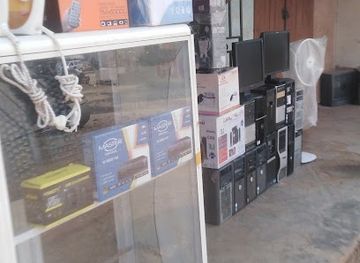
Explore the best in electronics at NAFASS CO. LTD in Goaso, Ghana - your one-stop shop for quality gadgets and expert service.
-
Lumber store
Ayum Forest Product Ltd
Discover the beauty of sustainable timber at Ayum Forest Product Ltd in Mim, Ghana, where nature meets craftsmanship.
Get your free copy of our complete guide to Ahafo Region, delivered straight to you.
Everything on this page, from attractions and restaurants to essentials and local phrases, in one PDF you can read offline, print or share.
Already have an account? Sign in
Your Ahafo Region guide is ready.
We'll send it to · Not you? Sign out

Getting your guide ready…
We are putting together a fresh copy of the Ahafo Region guide. This can take up to a minute.
This can take a few moments. If your browser asks, choose Allow so the download can start. You'll find the guide in your Downloads folder.
Nothing happened? Download it again
Sorry, the guide is taking longer than usual. Please try again in a minute, or get it by email instead.
Ahafo Region essentials
Currency and Payment
Safety
Emergency Situations
Do's and Don'ts
Local Tips
From Eve
Local phrases worth knowing
You don't need to get them perfect. A few words go a long way, and locals appreciate the effort.
Basics
| English | Local | Say it |
|---|---|---|
| Hello | Nkyia | [n-kee-ah] |
| Goodbye | Nante yie | [nan-teh yee-eh] |
| Yes | Aane | [ah-neh] |
| No | Daabi | [dah-bee] |
| Please/You’re welcome | Mepa wo kyɛw | [meh-pah woh cheh] |
| Thank you | Medase | [meh-dah-seh] |
| Excuse me/Sorry | Kafra | [kah-frah] |
| How are you? | Ɛte sɛn? | [eh-teh sen] |
| Fine. And you? | Me ho yɛ, na wo nso ɛ? | [meh ho yeh, nah woh nso eh] |
| Do you speak English? | Wopɛ sɛ woka Borɔfo? | [woh-peh seh woh-kah bor-roh-foh] |
| I don't understand | Mente ase | [men-teh ah-seh] |
Eating & Drinking
| English | Local | Say it |
|---|---|---|
| I’d like to see the menu, please | Mepɛ sɛ mihu menu no, mepa wo kyɛw | [meh-peh seh mee-hoo meh-noo noh, meh-pah woh cheh] |
| I don't eat meat | Mente nka nam | [men-teh nka nahm] |
| Cheers! | Nsa bɛyɛ! | [n-sah beh-yeh] |
| I would like to pay, please | Mepɛ sɛ mɛtua ka no, mepa wo kyɛw | [meh-peh seh meh-twah kah noh, meh-pah woh cheh] |
Emergencies
| English | Local | Say it |
|---|---|---|
| Help! | Boa me! | [boh-ah meh] |
| Go away! | Kɔ n'ani so! | [koh nah-nee so] |
| Call the Police! | Frɛ Ɔmanpanyin no! | [freh oh-man-pah-nyin noh] |
| Call a doctor! | Frɛ dɔkita! | [freh doh-kee-tah] |
| I’m lost | M'ani agyina | [mah-nee ah-gee-nah] |
| I’m ill | M'ani yɛ meyare | [mah-nee yeh meh-yah-reh] |
Shopping
| English | Local | Say it |
|---|---|---|
| I’d like to buy... | Mepɛ sɛ mɛtɔ... | [meh-peh seh meh-toh] |
| I’m just looking | Merehwɛ nko ara | [meh-reh-hweh n-koh ah-rah] |
| How much is it? | Ɛyɛ sɛn? | [eh-yeh sen] |
| That’s too expensive | Ɛyɛ sika pii | [eh-yeh see-kah pee] |
| Can you lower the price? | Wobɛtɔ sika no so? | [woh-beh-taw see-kah noh so] |
Time & Numbers
| English | Local | Say it |
|---|---|---|
| What time is it? | Dɛn na ɛyɛ? | [dehn nah eh-yeh] |
| It’s one o'clock | Ɛyɛ dɔnhwere baako | [eh-yeh don-hweh-reh bah-koh] |
| Half past (10) | Dɔnhwere mmienu | [don-hweh-reh mee-eh-noo] |
| Morning | Anɔpa | [ah-noh-pah] |
| Afternoon | Awia | [ah-wee-ah] |
| Evening | Anadwo | [ah-nah-dwo] |
| Yesterday | Ɛnnɛ | [eh-neh] |
| Today | Ɛnnɛ | [eh-neh] |
| Tomorrow | Ɛkyɛn da | [eh-chyen dah] |
| 1 | Baako | [bah-koh] |
| 2 | Mmienu | [mee-eh-noo] |
| 3 | Mmienu | [mee-eh-noo] |
| 4 | Nan | [nahn] |
| 5 | Num | [noom] |
| 6 | Nsia | [nsee-ah] |
| 7 | Nkyɛn | [n-kyen] |
| 8 | Nanan | [nah-nahn] |
| 9 | Nkyɛn | [n-kyen] |
| 10 | Deka | [deh-kah] |
Transport & Directions
| English | Local | Say it |
|---|---|---|
| Where's a/the...? | Ɔhe na...? | [oh-heh nah] |
| What's the address? | Dɛn na adwuma no yɛ? | [dehn nah ah-dwumah noh yeh] |
| Can you show me (on the map)? | Wobɛda me ho adi (wɔ map no so)? | [woh-beh-dah meh ho ah-dee woh map noh so] |
| When's the next (bus)? | Berɛ bɛn na (bɔs) no bɛba? | [beh-reh behn nah bɔs noh beh-bah] |
| A ticket (to ....) | Kɔtɔkɔ (kɔ ....) | [koh-tah-koh koh] |
History of Ahafo Region
Akan Settlement and the Bono World
The Ahafo area forms part of the wider cultural landscape historically associated with Akan-speaking peoples and the inland states of present-day Ghana. Before colonial rule, authority was organised through chiefly institutions, stools, family networks and market relationships rather than through the modern regional boundaries created in the twentieth and twenty-first centuries. The area’s forests supported farming, hunting and the movement of trade between the interior and the more commercially connected parts of the Gold Coast. Oral traditions and chiefly histories remain important to understanding settlement, authority and identity in Ahafo.
Trade, Gold and Pre-colonial Networks
Long before modern mines, the forest belt was connected to inland trade in gold, kola, foodstuffs and other commodities. Gold did not create every settlement in the region, but its wider importance to Akan states helped link communities to commercial centres across what is now southern and central Ghana. Traders, migrants and political alliances carried languages, customs and religious practices across the forest zone. These older networks help explain why Ahafo shares cultural and linguistic features with neighbouring Ashanti, Bono and other Akan areas while retaining distinct local histories.
Colonial Administration and Missionary Change
During the colonial period, the Gold Coast administration gradually extended roads, courts, schools and administrative authority into the interior. Missionary activity introduced new forms of education and Christianity, while chiefly institutions were incorporated into the colonial system rather than simply abolished. Colonial rule also redirected production towards export commodities and strengthened links between forest communities and larger commercial towns. Many contemporary churches, schools, administrative practices and transport corridors in Ahafo reflect developments that began during this period, although local communities adapted outside institutions to established social structures.
Cocoa and the Forest Economy
Cocoa cultivation became one of the defining economic forces in Ghana’s forest belt during the twentieth century. Farmers cleared and managed forest land, often combining cocoa with food crops and relying on family labour, migrant workers and local trading networks. The crop brought cash income and helped stimulate settlement growth, roads and markets across Ahafo. Cocoa production has also involved recurring challenges, including ageing trees, plant disease, fluctuating international prices and environmental pressure. The agricultural landscape visible around many Ahafo communities is therefore both an economic resource and a record of major social change.
Post-independence Regional Development
After Ghana gained independence in 1957, the area was administered within successive regional and district structures, most recently as part of the large Brong-Ahafo Region. Roads, schools, health facilities and district capitals expanded as the population grew and rural production became more closely connected to national markets. The former region’s size sometimes made administration and political representation difficult, contributing to later demands for new regional arrangements. Ahafo Region was formally created in 2019, with Goaso selected as its capital, giving the area a clearer administrative identity.
Mining and Contemporary Ahafo
Large-scale gold mining became an important modern development in Ahafo, particularly around Kenyasi and the Asutifi area. The Ahafo mine, operated by Newmont, began commercial production in the 2000s and changed employment patterns, local infrastructure and the economic significance of the district. Mining has also brought debates over land acquisition, resettlement, environmental protection, livelihoods and the distribution of benefits. For visitors, the industry is a reminder that contemporary Ahafo is not solely an agricultural region: cocoa farming, public administration, small businesses, mining and rural services now exist alongside one another.
Ahafo Region in Photos
Browse through our photo collection highlighting the charm and character of the destination.
Neighbouring regions of Ahafo Region
The closest regions to Ahafo Region, if you have time for more than one.
-

-

-

-

-


Swipe for more regions
Explore more

Explore more of Ghana
Discover Ghana: A vibrant blend of rich history, stunning landscapes, and warm hospitality in the heart of West Africa.
Explore Ghana