Background

Abetifi Stone Age Park, Aowin Travel Guide

4.5 (177)

Discover Ghana's prehistoric past at Abetifi Stone Age Park: Explore ancient caves, stone tools, and lush landscapes in this unique eco-tourism destination in the Kwahu region, Eastern Ghana.

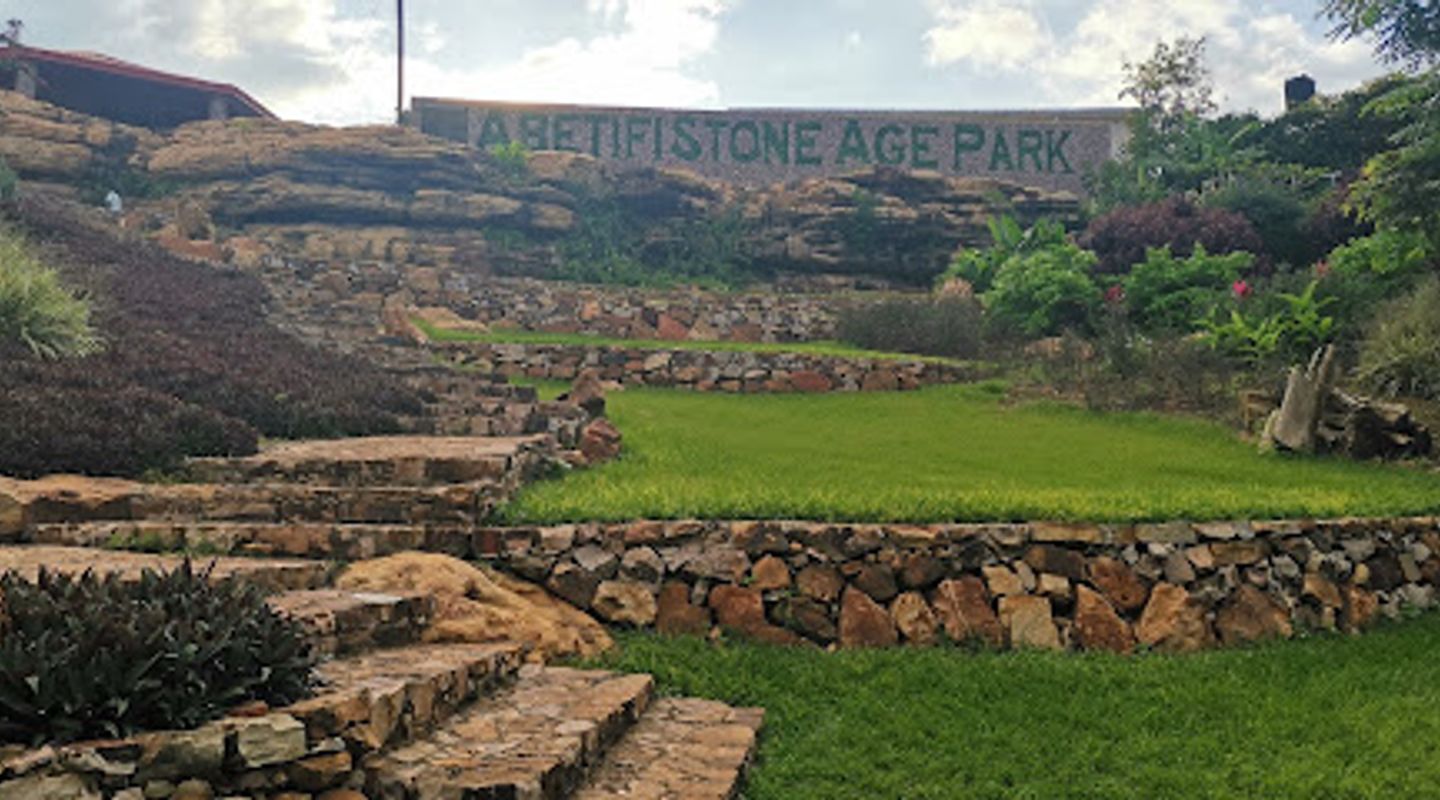
The Abetifi Stone Age Park offers a unique glimpse into Ghana's prehistoric past. Located in Abetifi, this 52-acre park showcases artifacts and remnants of human civilization dating back over 12,500 years. Once a refuse dump, the park has been transformed into a serene and educational space, featuring stone tools, an ancient cave (Bosompra), and displays illustrating Stone Age life. Visitors can explore the lush grounds, enjoy guided tours, and learn about the Kwahu people's ancestral history. The park also includes an artificial waterfall, hiking areas, and a bee farm, making it a multifaceted destination for history buffs, nature lovers, and families seeking an engaging outing. It's a place where you can connect with Ghana's past while enjoying the beauty of its present.

A brief summary to Abetifi Stone Age Park

  • Monday 9 am-6 pm
  • Wednesday 9 am-6 pm
  • Thursday 9 am-6 pm
  • Friday 9 am-6 pm
  • Saturday 9 am-6 pm
  • Sunday 9 am-6 pm
Eve
From Eve

Know before you go

Hi, I'm Eve. Here are a few practical things to know before exploring Abetifi Stone Age Park.

  • Visit early in the morning to enjoy cooler temperatures and fewer crowds, enhancing your exploration of the park.
  • Wear comfortable walking shoes, as the park has several trails and uneven terrain to navigate.
  • Bring a picnic to enjoy amidst the beautiful scenery, as designated picnic areas offer a relaxing break.
  • Consider joining a guided tour for a more in-depth understanding of the site's history and significance.
  • Don't forget your camera to capture the stunning views and fascinating artifacts, creating lasting memories of your visit.

Do you manage this location?

Take control to get all the benefits, like improved information, better appearance, and stronger visibility across AI-powered discovery. Learn more about listing your business on Evendo

Activate your presence

Other nearby places you may find interesting

The closest places of the same kind, if this one is not quite what you had in mind.

Explore Abetifi Stone Age Park on the Map

A handpicked selection of must-see spots near Abetifi Stone Age Park, mapped for you.

Unlock the Best of Abetifi Stone Age Park

Buy tickets

  • No tickets available

Book tours with entry

  • No tours available

Book tours without entry

  • No tours available

Getting There

  • Walking

    From the Abetifi main station (tro-tro drop-off), the Abetifi Stone Age Park is approximately a 15-minute walk. Head towards Presby University road; you can ask locals for directions. The park will be on your right as you walk along Presby University road. The walk is generally safe and pedestrian-friendly.

  • Taxi/Ride-Share

    From anywhere in Abetifi, a taxi or ride-share to Abetifi Stone Age Park is a convenient option. Specify 'Abetifi Stone Age Park on Presby University road' as your destination. The ride should take no more than 10 minutes from most points in town. Expect to pay around 10-15 GHS for the ride.

Discover more about Abetifi Stone Age Park

Abetifi Stone Age Park, nestled in the scenic Kwahu East District of Ghana's Eastern Region, offers a captivating journey back in time. This unique park, spanning 52 acres, provides visitors with a tangible connection to the Stone Age, showcasing artifacts and remnants of early human habitation dating back over 12,500 years. The park's transformation from a former refuse dump into a vibrant eco-tourism destination is a testament to the vision and dedication of its founder, Ben Addo, who was inspired by archaeological findings at the site. The park's centerpiece is the Bosompra Cave, an ancient open cave that served as a dwelling for early humans. Archaeological excavations, including carbon dating analysis conducted by the University of Ghana, have confirmed the cave's significance as a site of prolonged human settlement. Inside the park, visitors can explore displays of stone tools, carvings, and other artifacts that offer insights into the daily lives, hunting practices, and social structures of the Stone Age inhabitants. Beyond its archaeological significance, Abetifi Stone Age Park boasts a diverse range of attractions and activities. The park features an artificial waterfall created from recycled wastewater, hiking trails that wind through the lush landscape, and a bee farm that highlights sustainable agricultural practices. The combination of historical exhibits and natural beauty makes the park a multifaceted destination that appeals to a wide range of interests. The park's location in the Kwahu region, known for its breathtaking scenery and rich cultural heritage, adds to its appeal. The Kwahu people, who have inhabited the area for centuries, have a unique history and traditions that are interwoven with the landscape. The park serves as a gateway to exploring other attractions in the region, including the Oworobong Waterfalls, Bruku Rock, and the Afram River. President Nana Addo Dankwa Akufo-Addo officially commissioned the Abetifi Stone Age Park in April 2023, underscoring its importance as a cultural and tourism asset. The park's development has not only preserved a significant archaeological site but has also created economic opportunities for the local community. The park provides employment for tour guides, maintenance staff, and other personnel, and it attracts tourists who contribute to the local economy through spending on accommodation, food, and souvenirs. Visiting Abetifi Stone Age Park is an immersive experience that combines education, recreation, and cultural appreciation. Whether you are a history enthusiast, a nature lover, or simply seeking a unique and memorable outing, the park offers something for everyone. The park's serene environment, knowledgeable staff, and diverse range of attractions ensure that your visit will be both enjoyable and enlightening. The park is open daily from 9 AM to 6 PM, allowing ample time for exploration and discovery. Guided tours are available, providing deeper insights into the history and significance of the site. Comfortable walking shoes are recommended, as the park features several trails to explore. Visitors are also encouraged to bring cameras to capture the stunning views and memorable moments during their adventure in this remarkable park. To fully appreciate the significance of Abetifi Stone Age Park, it is helpful to understand the broader context of the Stone Age. The Stone Age, which began approximately 2.6 million years ago and lasted until around 3,300 B.C., was a period in human history characterized by the widespread use of stone tools. This era is typically divided into three distinct periods: the Paleolithic Period, the Mesolithic Period, and the Neolithic Period. Each period represents a different stage in human technological and social development. The Paleolithic Period, also known as the Old Stone Age, was the longest phase of the Stone Age. During this time, early humans were primarily hunter-gatherers, relying on wild plants and animals for sustenance. They used simple stone tools, such as hand axes and choppers, to hunt, butcher animals, and process plant materials. The Mesolithic Period, or Middle Stone Age, was a transitional phase between the Paleolithic and Neolithic periods. During this time, humans began to develop more sophisticated tools, such as bows and arrows, and they started to experiment with agriculture and animal domestication. The Neolithic Period, or New Stone Age, was characterized by the development of agriculture, the domestication of animals, and the establishment of settled communities. Humans began to cultivate crops, such as wheat and barley, and they domesticated animals, such as sheep and goats. This allowed them to produce a surplus of food, which led to population growth and the development of more complex societies. The artifacts found at Abetifi Stone Age Park provide valuable insights into the lives of the people who inhabited the area during the Stone Age. These artifacts offer clues about their technology, their diet, their social organization, and their beliefs. By studying these artifacts, archaeologists and historians can reconstruct the past and gain a better understanding of human history. In addition to its historical and cultural significance, Abetifi Stone Age Park also plays an important role in promoting sustainable tourism. The park's management is committed to preserving the natural environment and minimizing the impact of tourism on the local community. The park uses recycled wastewater for its artificial waterfall, and it promotes sustainable agricultural practices through its bee farm. By supporting Abetifi Stone Age Park, visitors can contribute to the preservation of Ghana's cultural heritage and the promotion of sustainable tourism. Whether you are a seasoned traveler or a first-time visitor to Ghana, Abetifi Stone Age Park is a destination that should not be missed. It is a place where you can connect with the past, appreciate the present, and learn about the importance of preserving our cultural heritage for future generations. The park's transformation from a dumpsite to a tourist attraction also carries a powerful message about the potential for renewal and the importance of environmental stewardship. It demonstrates how even the most degraded landscapes can be restored and transformed into valuable assets for the community. As you plan your visit to Abetifi Stone Age Park, be sure to check the weather forecast and dress accordingly. The park is located in a tropical region, so it is important to be prepared for both sunshine and rain. Comfortable walking shoes, sunscreen, and insect repellent are also recommended. While in the Kwahu region, take the opportunity to explore other nearby attractions, such as the Oworobong Waterfalls, Bruku Rock, and the Afram River. These natural wonders offer breathtaking scenery and opportunities for outdoor recreation. Abetifi Stone Age Park is more than just a tourist destination; it is a place of learning, inspiration, and cultural pride. It is a testament to the resilience and ingenuity of the human spirit, and it is a reminder of the importance of preserving our past for the benefit of future generations.
Mobile App

Your all‑in‑one travel companion app

Explore expert travel guides, compare and book tours, experiences, hotels, and more—all from the palm of your hand. Download now for seamless trip planning wherever your wanderlust takes you.


Explore More of Aowin

Looking beyond Abetifi Stone Age Park? Discover Aowin for broader travel guides, local hot-spots, and regional highlights.

Explore Aowin

Select Currency