

Busua Travel Guide - Free Web & App
Your ultimate guide to Busua. Discover top landmarks, proposed trips, and local tips. Free on the web or via the Evendo companion app.


Busua, Ghana, pairs Atlantic beaches and surf breaks with Ahanta culture, coastal walks and access to Dixcove’s heritage in the Western Region.
Atlantic Coast and Village Character
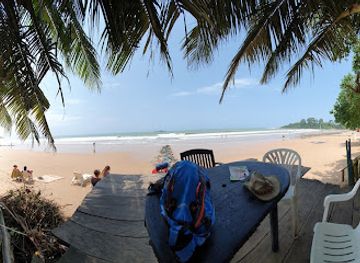
Busua is a small coastal settlement in Ghana’s Western Region, known for its broad sandy beach, Atlantic surf and relaxed village atmosphere. It lies within the Ahanta West area, west of the regional city of Takoradi and close to the historic coastal town of Dixcove. Unlike Ghana’s larger seaside resorts, Busua remains compact and informal: the beach, local lanes, guesthouses and small hospitality businesses form the centre of visitor life, while fishing and daily community activity continue alongside tourism.Read more about Busua
Surf, Sand and Coastal Landscapes
Culture and Nearby Heritage
When is the best time to visit Busua?
Best: January–March · 31°C| Month | High (°C) | Rainfall (mm) |
|---|---|---|
| January (best) | 31 | 5 |
| February (best) | 31 | 5 |
| March (best) | 31 | 5 |
| April | 31 | 5 |
| May | 31 | 5 |
| June | 31 | 6 |
| July | 31 | 6 |
| August | 31 | 6 |
| September | 31 | 6 |
| October | 31 | 6 |
| November | 32 | 6 |
| December | 32 | 6 |
Getting to and around Busua
How to get there
Transportation
Best attractions in Busua
Busua Beach is the central attraction, offering a wide Atlantic shoreline, open horizons and surf conditions that have made the village one of Ghana’s better-known coastal bases for learning and practising surfing. The beach is also suited to relaxed walks and observing the changing light over the water, although swimming and water sports should follow local advice. Within the village, the appeal lies in the contrast between informal beach life, fishing activity and the surrounding tropical countryside rather than in a concentration of museums or monuments. Nearby Dixcove adds a major historical dimension through Fort Metal Cross, a coastal fort associated with European trading rivalries and the wider history of the Gold Coast. The road between Busua and the surrounding settlements reveals a rural landscape of palms, farms and small communities, while Takoradi provides a busier urban complement with transport, commerce and regional services. These places are best understood as connected excursions rather than as attractions located inside Busua itself.
-
Park
Gyandu Park
Experience the serene beauty of Gyandu Park in Sekondi-Takoradi, a perfect escape for relaxation and nature lovers.
-
Park
C. K. Mann Park
Experience the lush greenery and vibrant local culture at C. K. Mann Park, a serene urban oasis in Takoradi, Ghana.
-
Park
Park - Takoradi Technical University
Explore the tranquil oasis at Takoradi Technical University's park, a perfect escape for relaxation and connection with nature in the heart of Takoradi.
-
Park
Diabene Park
Discover the serene beauty of Diabene Park in Takoradi, a perfect getaway for nature lovers and families seeking relaxation and outdoor fun.
Best landmarks in Busua
Busua Beach is the defining natural landmark, its open Atlantic frontage giving the village both its visual identity and its connection with surfing and fishing. The shoreline, palms and low coastal settlement form a landscape shaped as much by daily use as by scenery. The most important nearby historic landmark is Fort Metal Cross at Dixcove, a substantial coastal fort whose history reflects European competition, Atlantic commerce and the darker legacy of the transatlantic slave trade; it should be described as a Dixcove landmark, not as being in Busua. The wider Ahanta coast also carries cultural significance through its villages, fishing grounds and long-established communal patterns. Busua has relatively few monumental buildings of its own, and its significance lies primarily in the relationship between beach, village and historic coast rather than in a formal collection of architectural sites.
-
 Hotel
HotelWestern Serene Atlantic Hotel
Experience the perfect blend of comfort and coastal beauty at the Western Serene Atlantic Hotel in Takoradi, Ghana, your ideal getaway by the ocean.
-
Indoor lodging
Coconut Grove Beach Resort
Discover the tranquil beauty of Coconut Grove Beach Resort in Elmina, Ghana - your perfect seaside getaway for relaxation and adventure.
-
Hotel
Maaha Beach Resort
Experience the stunning beauty and vibrant culture of Ghana at Maaha Beach Resort, your ultimate seaside getaway in Elonyi.
-
Resort hotel
Busua Beach Resort
Discover the serene beauty and vibrant culture at Busua Beach Resort, a perfect getaway on the stunning shores of Ghana’s Atlantic coast.
Explore Busua on the map
Plan your trip on one map. See where the top attractions, landmarks, restaurants and hotels are, and book hotels and experiences in a few clicks.
Best hotels in Busua
Best restaurants in Busua
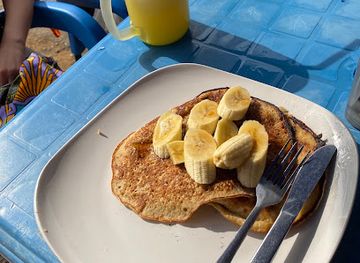
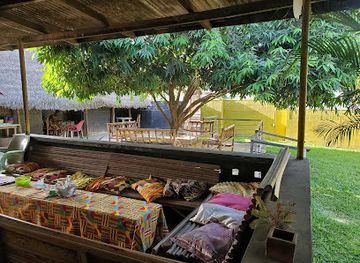
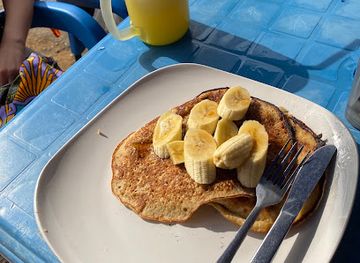
Busua’s food scene is small, informal and closely connected to coastal Ghanaian cooking. Visitors may find meals based on rice, plantain, cassava, yam, soups and stews, together with grilled or fried fish when the local catch and supplies allow. Small restaurants, guesthouse kitchens and beachside food businesses provide the main options, while the wider choice of shops and restaurants is found in Takoradi and other larger settlements. Local dishes such as red-red, a bean and fried-plantain dish, and jollof rice are part of Ghana’s broader culinary culture and may appear alongside simpler international meals aimed at beach visitors. Fresh fruit, soft drinks and locally produced beverages are common refreshments, but menus and opening patterns can be modest and change with supplies. Confirm what is available before ordering, particularly outside busy periods, and carry water for time spent away from the village.
-
Restaurant
Okory3 Tree Restaurant
Discover authentic Ghanaian flavors in a tranquil setting at Okory3 Tree Restaurant in Dixcove.
-
Restaurant
Pam's Restaurant
Discover authentic Ghanaian cuisine at Pam's Restaurant in Dixcove—where flavors meet coastal charm.
-
Restaurant
Bougainvillea African Bar And Restaurant
Discover authentic African cuisine at Bougainvillea African Bar And Restaurant in Takoradi - A delightful culinary journey awaits!
-
Restaurant
De Base Unique Hotle Bar And Resturamt
Experience the essence of Ghanaian hospitality at De Base Unique Hotel Bar and Restaurant, where culinary delights meet vibrant culture.
Best bars in Busua
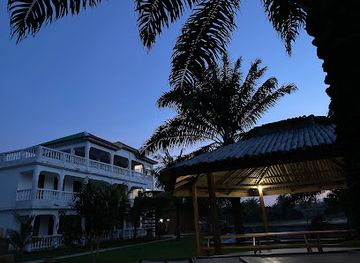
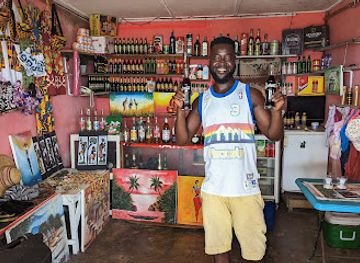
Busua is not a nightclub destination, but its small evening scene centres on guesthouse bars, informal beach venues and local drinking spots where visitors may meet residents and other travellers. Evenings are generally relaxed, with conversation, music and the sound of the surf rather than a concentrated entertainment district. The atmosphere and available venues can vary by season, day of the week and local events, so no particular performance or opening schedule should be assumed. Takoradi offers a broader selection of bars and urban nightlife for those willing to travel, although it lies outside Busua and requires a planned return journey. Visitors staying in the village should arrange transport carefully, avoid walking unfamiliar roads late at night and respect the quiet of residential areas. Drinking establishments remain part of the local community, so modest behaviour and consideration for fishing and family life are appropriate.
-
Bar
Laughing Goat Ghana
Experience the vibrant atmosphere of Laughing Goat Ghana at Busua Beach, where delicious vegan cuisine meets live music and fun activities.
-
Restaurant
Pam's Restaurant
Experience the rich flavors of Ghana at Pam's Restaurant in Dixcove, where local ingredients and warm hospitality create a memorable dining experience.
-
Pub
Next Level Pub
Experience the lively ambiance and local culture at Next Level Pub, a welcoming spot in Nkwanta for drinks and socializing.
-
Bar
Lawmaker Bar, Motorbike & Bicycle Rentals & Tour Guide
Discover the vibrant culture and scenic beauty of Dixcove at Lawmaker Bar, your go-to spot for rentals and relaxation.
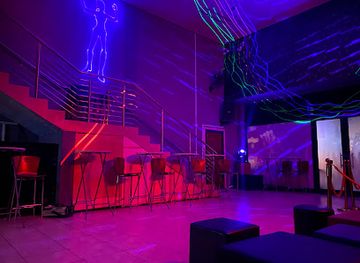
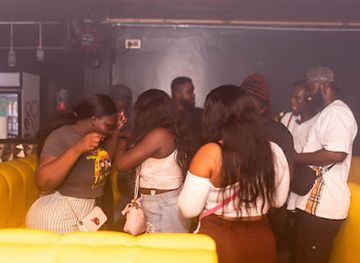
Best nightclubs in Busua
Busua is not a nightclub destination, but its small evening scene centres on guesthouse bars, informal beach venues and local drinking spots where visitors may meet residents and other travellers. Evenings are generally relaxed, with conversation, music and the sound of the surf rather than a concentrated entertainment district. The atmosphere and available venues can vary by season, day of the week and local events, so no particular performance or opening schedule should be assumed. Takoradi offers a broader selection of bars and urban nightlife for those willing to travel, although it lies outside Busua and requires a planned return journey. Visitors staying in the village should arrange transport carefully, avoid walking unfamiliar roads late at night and respect the quiet of residential areas. Drinking establishments remain part of the local community, so modest behaviour and consideration for fishing and family life are appropriate.
-
Lodging
Alaska Beach Club
Discover the serene beauty of Alaska Beach Club in Dixcove, a perfect coastal retreat for relaxation and adventure amidst Ghana's stunning seaside.
-
Night club
The Arena Lounge and Club
Dive into the vibrant nightlife of Takoradi at The Arena Lounge and Club, where music, dance, and unforgettable experiences await.
-
Night club
Akwaaba-subrisu
Discover the vibrant nightlife at Akwaaba-subrisu in Muhamamo, where music, dancing, and culture converge for an unforgettable evening.
-
Night club
Swagga NightClub And Lounge
Vibrant nightlife awaits you at Swagga NightClub And Lounge, the prime destination for music lovers and dance enthusiasts in Takoradi.
Best shops in Busua
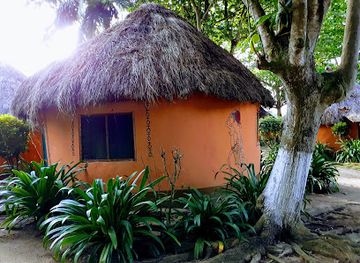
Shopping in Busua is limited and practical, with small village shops, beachside sellers and accommodation-based arrangements providing basic refreshments, toiletries and everyday supplies. Visitors may encounter locally made souvenirs, clothing or simple craft items, but the range is modest and availability varies. For a wider selection of food, cash services, clothing, mobile-phone supplies and other provisions, Takoradi is the more dependable regional centre. Travellers interested in Ghanaian craft traditions can also look for products in larger towns rather than expecting a permanent artisan market in the village. Purchases should be made respectfully and prices clarified before buying, especially where goods are sold informally. Supporting locally owned businesses can help keep visitor spending within the community, while avoiding the removal of shells, plants or other natural materials from the beach.
-
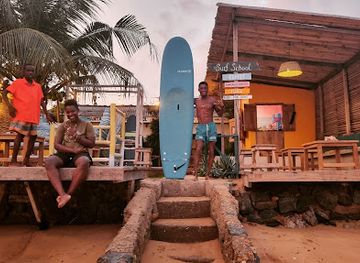
Surf school
Ahanta Waves Surf School & Camp
Discover the thrill of surfing at Ahanta Waves Surf School & Camp in Busua, Ghana, where adventure meets relaxation in a stunning coastal paradise.
-
Supermarket
Choice mart
Explore the vibrant offerings at Choice Mart in Agona, Ghana, where local flavors meet convenience and variety for every traveler.
-
Apartment building
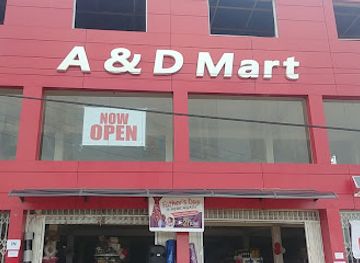
A&D Mart
Discover the vibrant shopping experience of A&D Mart in Takoradi, where local craftsmanship meets authentic Ghanaian culture.
-
Store
Nabs Goods and Mechandice
Explore Nabs Goods and Merchandise in Beahu for a unique shopping experience filled with local culture, quality products, and friendly service.
Get your free copy of our complete guide to Busua, delivered straight to you.
Everything on this page, from attractions and restaurants to essentials and local phrases, in one PDF you can read offline, print or share.
Already have an account? Sign in
Your Busua guide is ready.
We'll send it to · Not you? Sign out

Getting your guide ready…
We are putting together a fresh copy of the Busua guide. This can take up to a minute.
This can take a few moments. If your browser asks, choose Allow so the download can start. You'll find the guide in your Downloads folder.
Nothing happened? Download it again
Sorry, the guide is taking longer than usual. Please try again in a minute, or get it by email instead.
Busua essentials
Currency and Payment
Safety
Emergency Situations
Do's and Don'ts
Local Tips
From Eve
Local phrases worth knowing
You don't need to get them perfect. A few words go a long way, and locals appreciate the effort.
Basics
| English | Local | Say it |
|---|---|---|
| Hello | Abossey | [ah-BOH-say] |
| Goodbye | Da yie | [dah yee-ay] |
| Yes | Eh | [ay] |
| No | Da | [dah] |
| Please/You're welcome | Mesere | [may-SAY-ray] |
| Thank you | Medaase | [may-DAH-say] |
| Excuse me/Sorry | Kwabena | [kwah-BAY-nah] |
| How are you? | Wo ho te sen? | [woh hoh tay sen] |
| Fine. And you? | Adwoa. Na wo ho? | [ah-JWAH. nah woh hoh] |
| Do you speak English? | Wo pɛ sɛ wobɛtwɛn English? | [woe pay say woe-bay-twane English] |
| I don't understand | Menntumi nnidi | [mehn-too-me nee-dee] |
Eating & Drinking
| English | Local | Say it |
|---|---|---|
| I'd like to see the menu, please | Me de menu a, mesere | [may day men-oo ah, may-SAY-ray] |
| I don't eat meat | Menntumi nnidi nyama | [mehn-too-me nee-dee nyah-mah] |
| Cheers! | Afehyia pa! | [ah-feh-HEE-yah pah] |
| I would like to pay, please | Me pɛ sɛ me kyerɛɛ | [may pay say may che-REE] |
Emergencies
| English | Local | Say it |
|---|---|---|
| Help! | Bo me | [boh may] |
| Go away! | Kɔ hɔ | [koh hoh] |
| Call the Police! | Kyerɛ asafo | [che-REE ah-sah-foh] |
| Call a doctor! | Kyerɛ dɔkota | [che-REE doh-koh-tah] |
| I'm lost | Me de bɛkyɛ | [may day bay-chay] |
| I'm ill | Medɔ | [may-doh] |
Shopping
| English | Local | Say it |
|---|---|---|
| I'd like to buy... | Me pɛ sɛ menam | [may pay say men-ahm] |
| I'm just looking | Me nni hɔ | [may nee hoh] |
| How much is it? | Ɛyɛ bɔkɛɛ de? | [ay-yay boh-kay day] |
| That's too expensive | Ɛyɛ bɔkɛɛ biara | [ay-yay boh-kay bee-ah-rah] |
| Can you lower the price? | Wobɛtumi kyerɛɛ bɔkɛɛ no kakra? | [woe-bay-too-me che-REE boh-kay no kah-krah] |
Time & Numbers
| English | Local | Say it |
|---|---|---|
| What time is it? | Ɛyɛ nsem a, ɛyɛ de? | [ay-yay in-sem ah, ay-yay day] |
| It's one o'clock | Ɛtɔ de | [ay-toh day] |
| Half past (10) | Da afe a (didi) | [dah ah-fay ah (dee-dee)] |
| Morning | Anɔpa | [ah-no-pah] |
| Afternoon | Ɛtiɛm | [ay-chay-em] |
| Evening | Anwummere | [ahn-woo-may-ray] |
| Yesterday | Nnwuma | [ne-woo-mah] |
| Today | Ɛda | [ay-dah] |
| Tomorrow | Ɛbɔ | [ay-boh] |
| 1 | Kɔtɔ | [koh-toh] |
| 2 | Abo | [ah-boh] |
| 3 | Abɛ | [ah-beh] |
| 4 | Anan | [ah-nahn] |
| 5 | Anu | [ah-noo] |
| 6 | Ason | [ah-sohn] |
| 7 | Awia | [ah-wee-ah] |
| 8 | Anɔpa | [ah-no-pah] |
| 9 | Ihia | [ee-hee-ah] |
| 10 | Dua | [doo-ah] |
Transport & Directions
| English | Local | Say it |
|---|---|---|
| Where's a/the...? | Ɛwɔ hɔ a/...? | [ay-woh hoh ah/...?] |
| What's the address? | Ɛwɔ hɔ ase? | [ay-woh hoh ah-say?] |
| Can you show me (on the map)? | Wobɛkɔ de ne (wɔ mepa)? | [woe-bay-koh day nay (woh may-pah)?] |
| When's the next (bus)? | Ɛwɔ hɔ a agyina? | [ay-woh hoh ah ah-jee-nah?] |
| A ticket (to ....) | Kɔtɔ (kɔ ....) | [koh-toh (koh ....)] |
History of Busua
Ahanta Coastal Communities
Busua belongs to the historic Ahanta coastal area, whose communities developed through fishing, farming and exchange along the Gulf of Guinea. The Ahanta are an Akan-speaking people with a regional identity shaped by settlements, chiefly institutions and long connections between inland resources and the coast. Busua’s modern visitor economy exists alongside these established patterns of village life, and the beach remains a working local landscape rather than a wholly separate resort environment.
Atlantic Trade and Coastal Forts
From the late fifteenth century onwards, European powers established trading links and fortified posts along what became known as Ghana’s Gold Coast. The wider coast around Busua was drawn into these commercial networks, which involved gold, other commodities and, tragically, the transatlantic slave trade. Fort Metal Cross at nearby Dixcove was built by the Brandenburgers in the late seventeenth century and later came under British control; its history belongs to the surrounding Ahanta coast rather than to Busua itself.
Colonial Rule and Regional Change
British colonial control gradually reshaped administration, trade and transport across the Western Region, while coastal communities continued to depend on fishing, agriculture and local commerce. The development of Sekondi-Takoradi as a major port and industrial centre altered the regional economy, providing a more substantial urban gateway for settlements such as Busua. Roads and improved regional connections later made the beach easier to reach without transforming it into a large urban resort.
Surfing and Small-Scale Tourism
Busua’s contemporary identity grew through domestic and international interest in its beach, warm climate and surf conditions. Small guesthouses, restaurants and surf-related services developed around the village, while the surrounding coast retained its rural character. Tourism has added new livelihoods and cultural encounters, but the area’s appeal remains closely tied to its scale, community setting and proximity to historic places such as Dixcove, rather than to extensive resort infrastructure.
Busua in Photos
Browse through our photo collection highlighting the charm and character of the destination.
Cities in Busua
The towns and cities of Busua, and the easiest places to base yourself.
-

-


Swipe for more cities
Neighbouring destination travel guides
The closest destinations to Busua, if you have time for more than one.
-

-

-

-

-


Swipe for more destinations
Explore more

Explore more of Ahanta
Explore Ahanta in western Ghana for surf beaches, fishing towns, Atlantic forts, forest paths and the remote coastal setting of Cape Three Points.
Explore Ahanta
Explore more of Ghana
Discover Ghana: A vibrant blend of rich history, stunning landscapes, and warm hospitality in the heart of West Africa.
Explore Ghana