

Sogakope Travel Guide - Free Web & App
Your ultimate guide to Sogakope. Discover top landmarks, proposed trips, and local tips. Free on the web or via the Evendo companion app.


Sogakope, Ghana, offers Volta River scenery, Tongu culture, local markets, Ewe traditions and a convenient base for exploring the lower Volta region.
River Country and Regional Gateway
Sogakope is a town in Ghana’s Volta Region and the administrative centre of South Tongu Municipal District. It stands near the lower Volta River, along the important coastal road linking Accra with Aflao and the Togolese border. The town is less a conventional resort than a practical base for discovering the riverine landscapes, farming communities and Ewe cultural traditions of the Tongu area. Its setting combines broad waterways, lowland farmland, palms and settlements shaped by movement between the coast and the interior.Read more about Sogakope
The Volta and the Tongu Landscape
Culture, Food and Exploration
When is the best time to visit Sogakope?
Best: December–February · 31–33°C| Month | High (°C) | Rainfall (mm) |
|---|---|---|
| January (best) | 32 | 4 |
| February (best) | 33 | 4 |
| March | 33 | 4 |
| April | 33 | 4 |
| May | 33 | 4 |
| June | 31 | 70 |
| July | 31 | 150 |
| August | 31 | 150 |
| September | 31 | 100 |
| October | 31 | 60 |
| November | 31 | 40 |
| December (best) | 31 | 4 |
Getting to and around Sogakope
How to get there
Transportation
Best attractions in Sogakope
Sogakope’s principal attraction is its relationship with the lower Volta River, whose broad channel, banks and surrounding lowland scenery provide the setting for fishing, farming and everyday community life. The Sogakope Bridge is the town’s best-known landmark and an important viewpoint over the river, although it is also a busy transport crossing rather than a leisure promenade. Markets and the town centre reveal local commerce, food and Ewe cultural life, while roads into the surrounding Tongu communities lead through cultivated landscapes and smaller settlements. Visitors using Sogakope as a regional base can arrange excursions towards nearby villages and river areas, but should confirm access locally. Major Volta Region attractions such as Wli Waterfalls and Mount Afadja are much farther north and should not be presented as sights within Sogakope itself; they require separate planning and substantial road travel.
-
Resort hotel
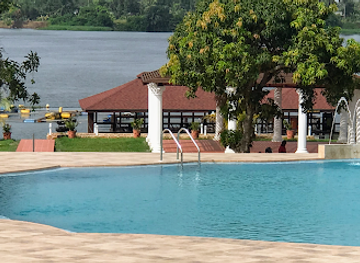
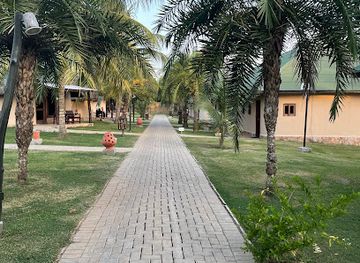
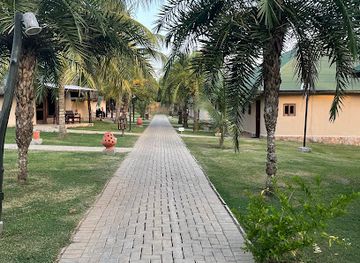
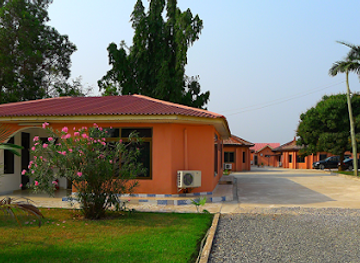
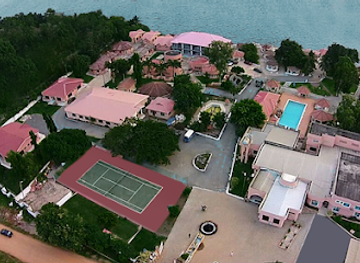
Villa Awoyo Resort
Experience the serene beauty and warm hospitality of Villa Awoyo Resort in Sogakope, Ghana, your perfect getaway for relaxation and adventure.
-
Park
Bedeku Sarkora Park
Experience the serenity of Bedeku Sarkora Park in Kasseh, Ghana – a perfect blend of nature, relaxation, and local culture.
-
 Park
Sokpoe Durbar Ground
Explore the tranquil beauty of Sokpoe Durbar Ground, a cultural hub in Sokpo, Ghana, where nature meets community spirit and tradition.

Best landmarks in Sogakope
The Sogakope Bridge is the destination’s clearest built landmark, spanning the Volta River on the main coastal route and representing the town’s importance as a transport link between communities on either side. The river itself is the defining natural landmark: its width, channels, banks and associated wetlands shape local work, settlement and movement. Around the town, the most meaningful landmarks are often ordinary but locally significant places, including market areas, churches, civic buildings and community spaces rather than grand historic monuments. The lower Volta landscape also carries cultural significance through fishing grounds, farms and settlement patterns associated with Tongu communities. Visitors should distinguish Sogakope’s own river corridor from major landmarks elsewhere in Ghana’s Volta Region, which may be several hours away by road.
-
Resort hotel
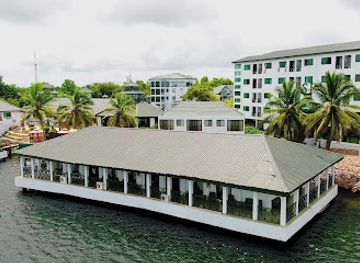
Sogakope Beach Resort & Spa
Discover the beauty of Ghana at Sogakope Beach Resort & Spa, where luxury meets adventure in a tropical paradise.
-
Resort hotel
Holy Trinity Spa & Health Farm
Discover tranquility and rejuvenation at Holy Trinity Spa & Health Farm in Sogakope, Ghana, a perfect blend of luxury and holistic wellness.
-
Hotel
Villa Cisneros Resort & Spa
Discover the serene beauty of Villa Cisneros Resort & Spa, where relaxation meets adventure in the heart of Sogakope, Ghana.
-
Restaurant
Somewhere in Sogakope
Discover the flavors of Ghana at Somewhere in Sogakope, where local cuisine meets warm hospitality in a vibrant setting.
Explore Sogakope on the map
Plan your trip on one map. See where the top attractions, landmarks, restaurants and hotels are, and book hotels and experiences in a few clicks.
Best hotels in Sogakope
Best restaurants in Sogakope
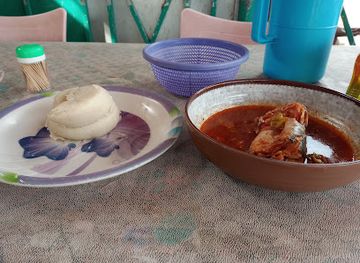
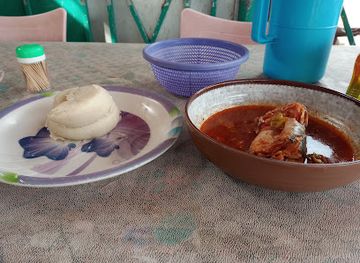
Dining in Sogakope is centred on local chop bars, cafés, hotel restaurants, market food stalls and roadside eateries rather than a specialised tourism district. Typical Ghanaian meals may include banku with pepper and fish, fufu with soup, rice dishes, waakye, boiled plantain, yam, beans and grilled chicken, with ingredients reflecting the farming and fishing economy of the lower Volta. River fish may appear on local menus, but availability varies by season and establishment. The town is the most practical place to look for regular meals and provisions, while smaller villages generally offer a narrower choice and may operate on a simpler daytime rhythm. Visitors should carry water on longer journeys and check meal availability before setting out towards rural areas or river locations.
-
Resort hotel
Sogakope Beach Resort & Spa
Experience luxury at Sogakope Beach Resort & Spa - where serene beaches meet exceptional hospitality in Ghana.
-
Hotel
Villa Cisneros Resort & Spa
Experience luxury and tranquility at Villa Cisneros Resort & Spa in Sogakope, where exquisite dining meets rejuvenating spa treatments amidst tropical beauty.
-
Restaurant
Somewhere in Sogakope
Discover authentic Ghanaian cuisine at Somewhere in Sogakope—where every dish tells a story.
-
Fast Food
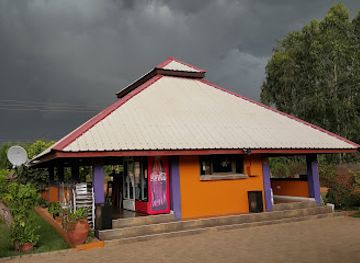
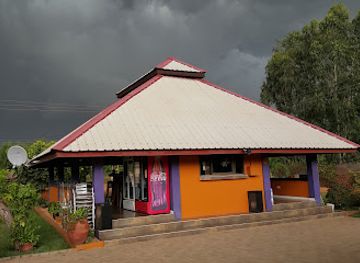
Eli-Eli Rest Stop
Discover delightful fast food and breakfast options at Eli-Eli Rest Stop in Sogakope—perfect for fueling your adventures in Ghana!
Best bars in Sogakope
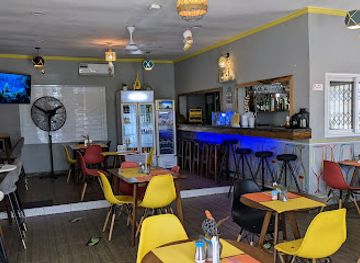
Sogakope has a modest evening scene shaped by local drinking spots, hotel bars, provision shops and informal venues rather than nightclubs or a concentrated entertainment strip. Evenings may include Ghanaian music, conversation, football broadcasts and socialising around busy roads or neighbourhood establishments, with activity varying by day and season. In quieter surrounding villages, options are more limited and are usually tied to local drinking spots or community occasions. Visitors should not expect the late-night range found in Accra, Tema or larger regional centres, and should arrange transport back to their accommodation before travelling outside the town after dark. Cultural or festival events may provide more distinctive entertainment when they take place, but schedules should be confirmed locally.
-
Restaurant
Villa Cisneros Resort & Spa
Experience luxury and tranquility at Villa Cisneros Resort & Spa in Sogakope, where relaxation meets cultural exploration.
-
Restaurant
Somewhere in Sogakope
Experience the rich flavors of Ghana at Somewhere in Sogakope, where local ingredients meet culinary creativity in a vibrant dining atmosphere.
-
Bar
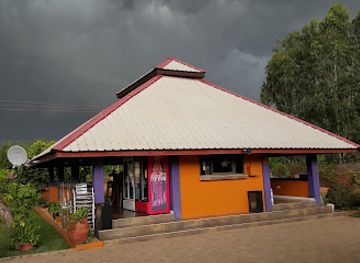
Sogakope Station
Experience the vibrant atmosphere of Sogakope Station, a bar where locals and tourists gather to unwind and enjoy refreshing drinks in Sogakope, Ghana.
-
Restaurant
Perfect Inn Restaurant & Bar, Sogakope
Discover the authentic taste of Ghana at Perfect Inn Restaurant & Bar in Sogakope, where vibrant flavors meet warm hospitality.
Best nightclubs in Sogakope
Sogakope has a modest evening scene shaped by local drinking spots, hotel bars, provision shops and informal venues rather than nightclubs or a concentrated entertainment strip. Evenings may include Ghanaian music, conversation, football broadcasts and socialising around busy roads or neighbourhood establishments, with activity varying by day and season. In quieter surrounding villages, options are more limited and are usually tied to local drinking spots or community occasions. Visitors should not expect the late-night range found in Accra, Tema or larger regional centres, and should arrange transport back to their accommodation before travelling outside the town after dark. Cultural or festival events may provide more distinctive entertainment when they take place, but schedules should be confirmed locally.
-
Bar
Sogakope Station
Experience the vibrant nightlife of Sogakope at Sogakope Station, a lively bar offering local drinks and a welcoming atmosphere.
-
Bar
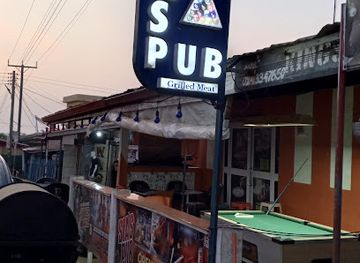
Sias Pub
Experience the vibrant nightlife at Sias Pub in Sogakope, where friendly service and great drinks create unforgettable memories.
-
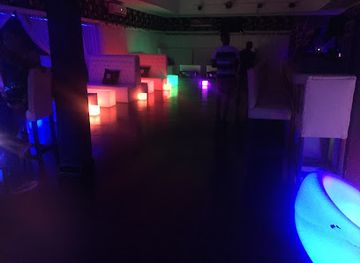
Night club
HOLY trinity spa CLUB & LOUNGE
Discover the vibrant nightlife of Sogakope at Holy Trinity Spa Club & Lounge, where relaxation meets entertainment for an unforgettable experience.
-
Pub
FREEZE UP PUB
Discover Freeze Up Pub in Sogakope, Ghana – a lively destination for drinks, local culture, and unforgettable nightlife experiences.

Best shops in Sogakope
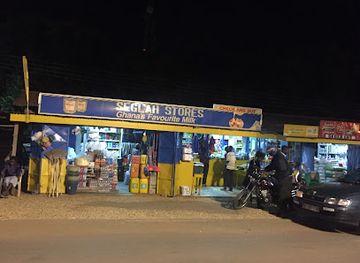
Shopping in Sogakope is practical and locally focused, with markets, small food shops, street vendors, pharmacies, clothing stalls and general retailers serving residents and passing travellers. Visitors can look for Ghanaian food products, seasonal fruit, vegetables, prepared snacks, woven or manufactured household goods and everyday clothing, although the range changes with the market day and individual traders. The town is a more reliable place for provisions than the surrounding rural communities, where shops may be small and widely spaced. Travellers seeking specialist crafts, larger retail choice or distinctive souvenirs may need to use bigger regional towns rather than expect a dedicated craft quarter in Sogakope. Market purchases should be made courteously, with cash and sensible attention to belongings.
-
Shopping mall
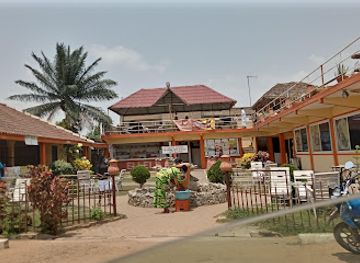
Check N Buy (Seglah Stores)
Discover the lively Check N Buy Mall in Sogakope, your go-to shopping destination for unique finds and local flavors in Ghana.
-
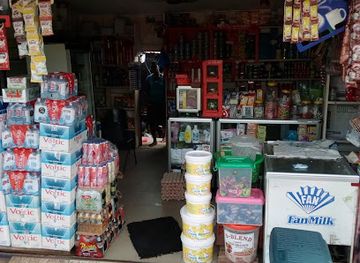
Supermarket
Norway Store
Explore local and international flavors at Norway Store in Sogakope - your go-to supermarket for all essentials and unique Ghanaian products.
-
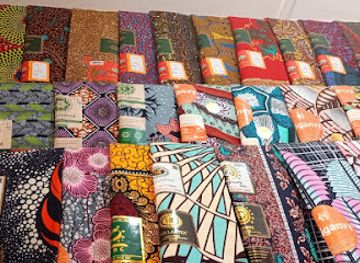
Fabric store
MAYAS CLOTHING
Discover the exquisite fabrics of Mayas Clothing in Sogakope, where vibrant textiles meet rich cultural heritage.
-
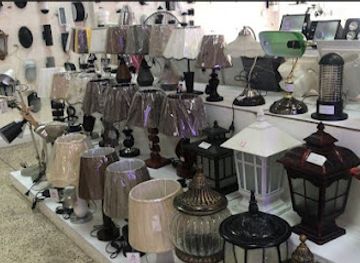
Electronics store
Lighting Universe Outlet
Explore a vast selection of stylish and energy-efficient lighting solutions at the Lighting Universe Outlet in Sogakope, a haven for design enthusiasts.
Get your free copy of our complete guide to Sogakope, delivered straight to you.
Everything on this page, from attractions and restaurants to essentials and local phrases, in one PDF you can read offline, print or share.
Already have an account? Sign in
Your Sogakope guide is ready.
We'll send it to · Not you? Sign out

Getting your guide ready…
We are putting together a fresh copy of the Sogakope guide. This can take up to a minute.
This can take a few moments. If your browser asks, choose Allow so the download can start. You'll find the guide in your Downloads folder.
Nothing happened? Download it again
Sorry, the guide is taking longer than usual. Please try again in a minute, or get it by email instead.
Sogakope essentials
Currency and Payment
Safety
Emergency Situations
Do's and Don'ts
Local Tips
From Eve
Local phrases worth knowing
You don't need to get them perfect. A few words go a long way, and locals appreciate the effort.
Basics
| English | Local | Say it |
|---|---|---|
| Hello | Agoo | [ah-goh] |
| Goodbye | Kaa kaa | [kah kah] |
| Yes | Ee | [ay] |
| No | Da | [dah] |
| Please/You're welcome | Me ma wo akye | [may mah woh ah-chay] |
| Thank you | Medaase | [may-dah-say] |
| Excuse me/Sorry | Koraa | [koh-rah] |
| How are you? | Wo ho te sen? | [woh hoh teh sen] |
| Fine. And you? | Adɛn a na wo ho te? | [ah-den ah nah woh hoh teh] |
| Do you speak English? | Wo ka twi? | [woh kah t-wee] |
| I don't understand | Minni ato | [meen-nee ah-toh] |
Eating & Drinking
| English | Local | Say it |
|---|---|---|
| I'd like to see the menu, please | Mɛ kɔ asɛm bi, mesrɛ wo | [meh koh ah-sehm bee, may-say woh] |
| I don't eat meat | Me nni abom | [may nee ah-bohm] |
| Cheers! | Ete sɛn | [eh-teh sen] |
| I would like to pay, please | Mɛto sika mesrɛ wo | [meh-toh see-kah may-say woh] |
Emergencies
| English | Local | Say it |
|---|---|---|
| Help! | Mafe wo | [mah-fay woh] |
| Go away! | Fae wɔ | [fay woh] |
| Call the Police! | Twerɛ nkurɔfo | [tweh-ray en-koo-roh-foh] |
| Call a doctor! | Twerɛ dokita | [tweh-ray doh-kee-tah] |
| I'm lost | Mɛtɔ mli | [may-toh m-lee] |
| I'm ill | Mɛbɔ | [may-boh] |
Shopping
| English | Local | Say it |
|---|---|---|
| I'd like to buy... | Mɛwɔ saa | [meh-woh sah] |
| I'm just looking | Mɛnfa | [meh-nfah] |
| How much is it? | Afeɛyɛ sɛn? | [ah-feh-yeh sen] |
| That's too expensive | Ɛyɛ sɛn | [eh-yeh sen] |
| Can you lower the price? | Wopɛ sika bɔ | [woh-pay see-kah boh] |
Time & Numbers
| English | Local | Say it |
|---|---|---|
| What time is it? | Ɛyɛ sɛn? | [eh-yeh sen] |
| It's one o'clock | Saa de yɛ | [sah deh yeh] |
| Half past (10) | Nkran (10) | [ne-krahn (10)] |
| Morning | Anɔpa | [ah-noh-pah] |
| Afternoon | Awia | [ah-wee-ah] |
| Evening | Anwummere | [ahn-woom-meh-reh] |
| Yesterday | Nkɔso | [en-koh-soh] |
| Today | Ɔkyena | [oh-chay-nah] |
| Tomorrow | Ɛnya | [ehn-yah] |
| 1 | Kunu | [koo-noo] |
| 2 | Aso | [ah-soh] |
| 3 | Ato | [ah-toh] |
| 4 | Anan | [ah-nahn] |
| 5 | Anum | [ah-noom] |
| 6 | Asram | [ahs-rahm] |
| 7 | Asram-anan | [ahs-rahm-ah-nahn] |
| 8 | Asram-aso | [ahs-rahm-ah-soh] |
| 9 | Asram-ato | [ahs-rahm-ah-toh] |
| 10 | Atonu | [ah-toh-noo] |
Transport & Directions
| English | Local | Say it |
|---|---|---|
| Where's a/the...? | Ɛheɛ be... | [eh-heh beh] |
| What's the address? | De kɔ a... | [deh koh ah] |
| Can you show me (on the map)? | Wopɛ nsa me? | [woh-pay en-sah may] |
| When's the next (bus)? | Eyi be... | [eh-yee beh] |
| A ticket (to ....) | Tikɛt (kɔ ...) | [tee-keht (koh ...)] |
History of Sogakope
The Lower Volta Landscape
Long before the modern town developed, the lower Volta was a productive environment of river channels, floodplain, marsh and cultivated land. Seasonal water levels influenced settlement, fishing, farming and movement between communities. The river was not simply a physical boundary: it also provided routes for exchange and connected settlements along the southern Volta. Sogakope’s later importance reflects this geography, occupying a strategic position where roads and local riverine activity meet.
Ewe Settlement and Tongu Identity
Sogakope belongs to the Tongu area, whose social and cultural life is strongly associated with Ewe-speaking communities. Settlement history in the lower Volta is complex, involving movements, alliances and the development of towns and villages rather than a single founding event. Farming, fishing, craft production and market exchange have long shaped local livelihoods. Family, chiefly and community institutions remain important to public life, while Ewe language, foodways, music and festivals express the region’s continuing cultural identity.
Colonial Rule and the Gold Coast Era
During the nineteenth and early twentieth centuries, the Volta region was affected by the changing boundaries and political competition surrounding the Gold Coast, German Togoland and, after the First World War, British and French administration. The area that later became part of Ghana was incorporated into the British Gold Coast, although older community structures and local authority continued to influence everyday life. Roads, administrative boundaries and commercial links gradually altered the relationship between inland settlements, the coast and the river.
The Bridge and Modern Connectivity
Modern Sogakope grew in importance as road transport made the lower Volta crossing more reliable. The bridge at Sogakope became a prominent link on the coastal corridor between Accra, the Volta Region and the Aflao border, strengthening the town’s role in trade and passenger movement. This connectivity supported administrative growth and access to markets while also bringing heavier traffic and greater pressure on the river environment. Today, the town’s history is visible less in a single monumental quarter than in its relationship with the river, the highway and surrounding communities.
Sogakope in Photos
Browse through our photo collection highlighting the charm and character of the destination.
Neighbouring destination travel guides
The closest destinations to Sogakope, if you have time for more than one.
-

-

-

-

-


Swipe for more destinations
Explore more

Explore more of Volta Region
Explore Ghana’s Volta Region for Wli Falls, forested mountains, Ewe heritage, coastal lagoons and memorable journeys near the Togo border.
Explore Volta Region
Explore more of Ghana
Discover Ghana: A vibrant blend of rich history, stunning landscapes, and warm hospitality in the heart of West Africa.
Explore Ghana