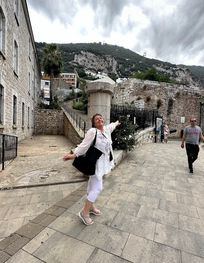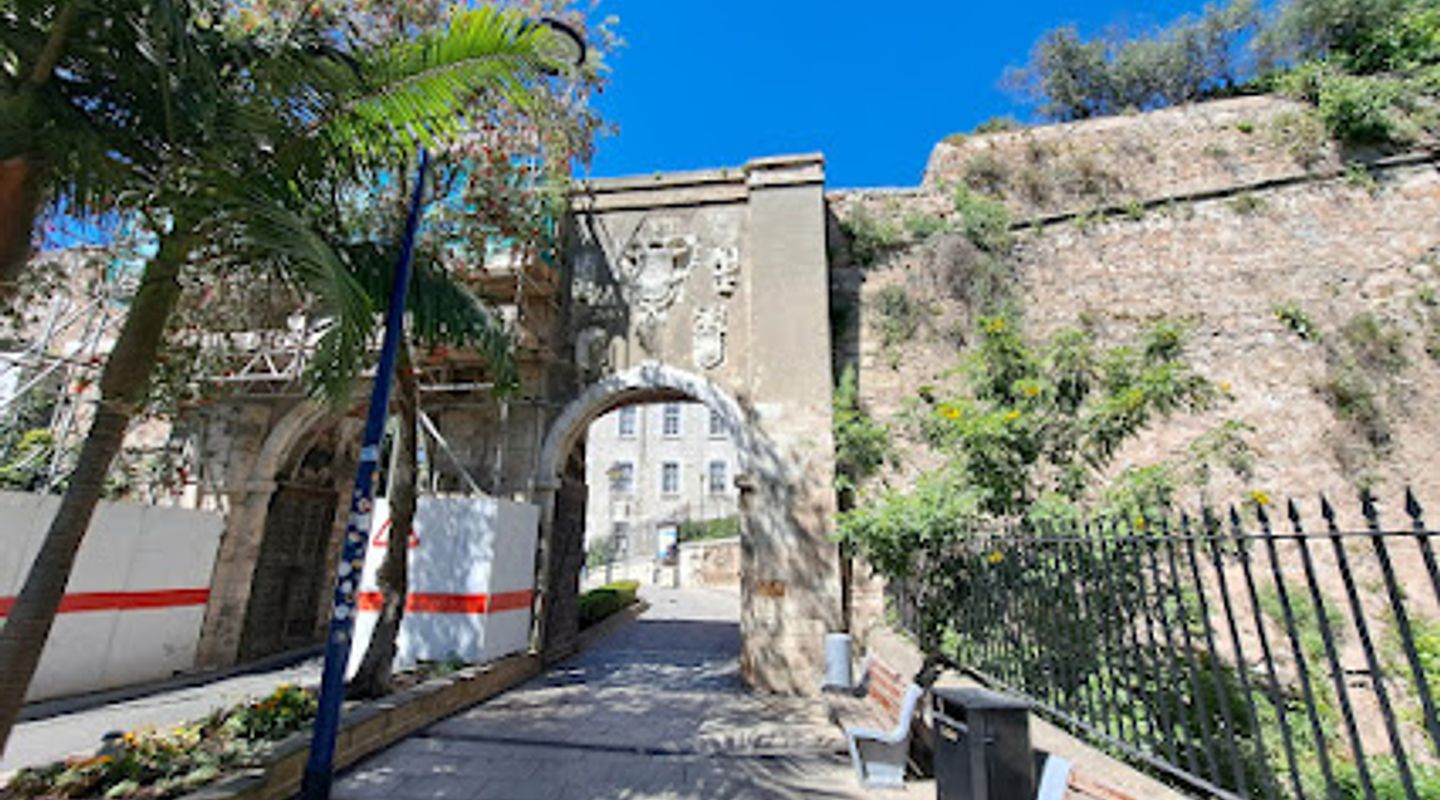
Trafalgar Cemetery, Upper Rock Nature Reserve Travel Guide
Explore Gibraltar's Trafalgar Cemetery: a historic site with stories of naval battles, epidemics, and enduring remembrance.
Trafalgar Cemetery in Gibraltar, formerly Southport Ditch Cemetery, holds a rich history dating back to 1798. Despite its name, only two casualties from the Battle of Trafalgar are buried here. The cemetery serves as the final resting place for victims of other naval battles and yellow fever epidemics.
A brief summary to Trafalgar Cemetery
- 4JMW+WW9, Gibraltar, GX11 1AA, GI
- Monday 9 am-5 pm
- Tuesday 9 am-5 pm
- Wednesday 9 am-5 pm
- Thursday 9 am-5 pm
- Friday 9 am-5 pm
- Saturday 9 am-5 pm
- Sunday 9 am-5 pm

Know before you go
Hi, I'm Eve. Here are a few practical things to know before exploring Trafalgar Cemetery.
- Visit on the Sunday closest to October 21st for the annual Trafalgar Day commemorative ceremony.
- Look for the graves of Lieutenant William Forster and Lieutenant Thomas Norman, the two Battle of Trafalgar casualties buried here.
- Take time to appreciate the diverse tree species, including the Sweet Chestnut, and other flora within the cemetery.
Do you manage this location?
Take control to get all the benefits, like improved information, better appearance, and stronger visibility across AI-powered discovery. Learn more about listing your business on Evendo
Activate your presenceOther nearby places you may find interesting
The closest places of the same kind, if this one is not quite what you had in mind.

Explore Trafalgar Cemetery on the Map
A handpicked selection of must-see spots near Trafalgar Cemetery, mapped for you.
Unlock the Best of Trafalgar Cemetery
Buy tickets
-
No tickets available
Book tours with entry


Getting There
-
Walking
From Casemates Square, walk south along Main Street. Continue through the Southport Gates. The cemetery is located a short distance to the south, on Trafalgar Road. The walk is approximately 15 minutes.
-
Public Transport
From the city center, take bus routes 2, 3, 4 or 10. Alight at the Trafalgar Cemetery - Boyd St stop. The cemetery entrance is a short walk from the bus stop. A single bus fare is approximately £1.50.
Discover more about Trafalgar Cemetery













Your all‑in‑one travel companion app
Explore expert travel guides, compare and book tours, experiences, hotels, and more—all from the palm of your hand. Download now for seamless trip planning wherever your wanderlust takes you.


Explore More of Upper Rock Nature Reserve
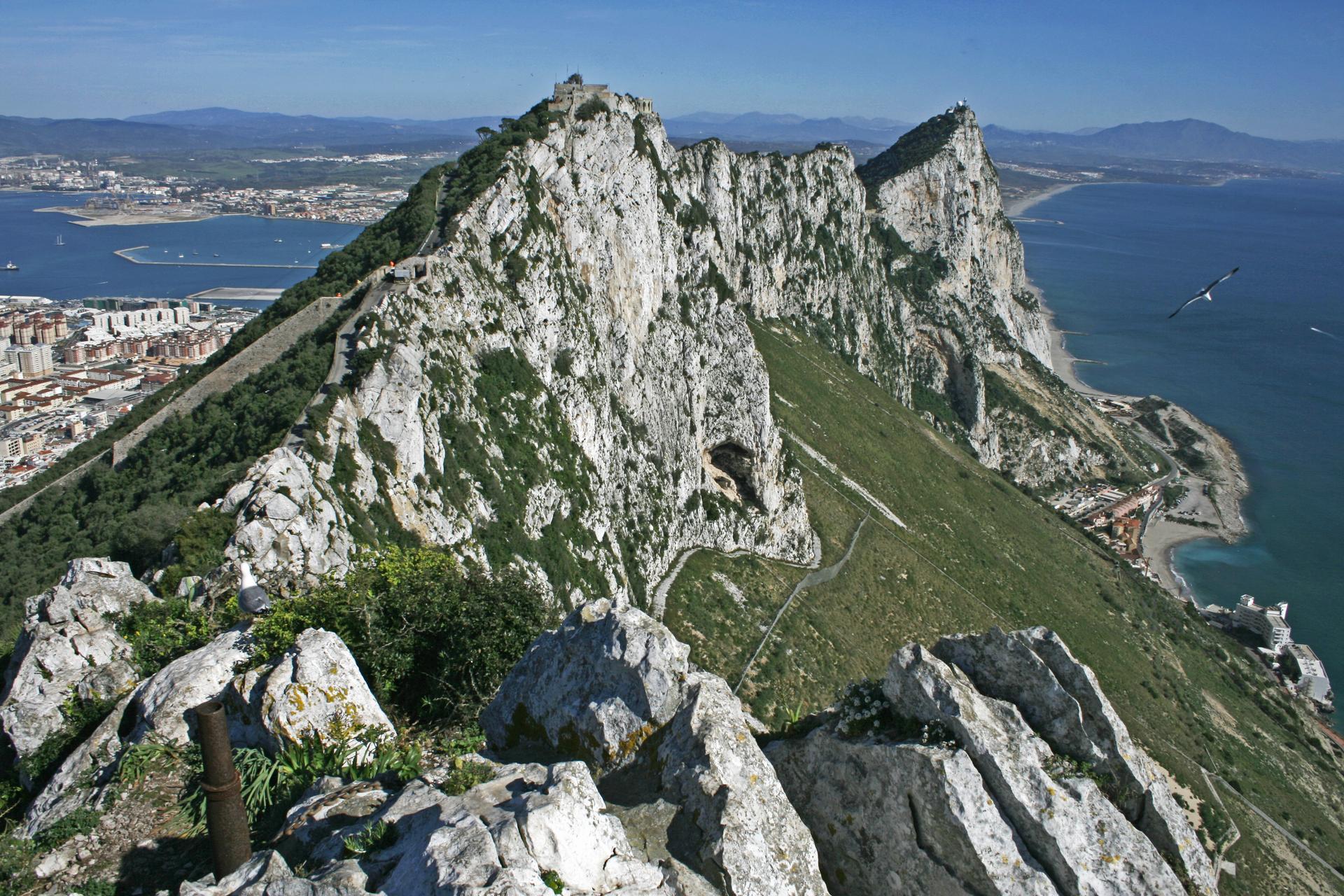
Looking beyond Trafalgar Cemetery? Discover Upper Rock Nature Reserve for broader travel guides, local hot-spots, and regional highlights.
Explore Upper Rock Nature Reserve