Pnyx Travel Guide
Free Guide: Visit the Pnyx in Athens, the birthplace of democracy, and stand where ancient Athenians shaped the course of history with their voices.


A brief summary of Pnyx
Visit the Pnyx in Athens, the birthplace of democracy, and stand where ancient Athenians shaped the course of history with their voices.
The Pnyx, a small rocky hill in central Athens, is where Athenian citizens gathered to form the world's first democratic assembly as early as 507 BC. It offers panoramic views of the Acropolis and the city.
- Address
- Athens 117 41
Getting there
Walking
Public Transport
Taxi
Discover more about Pnyx
Overview
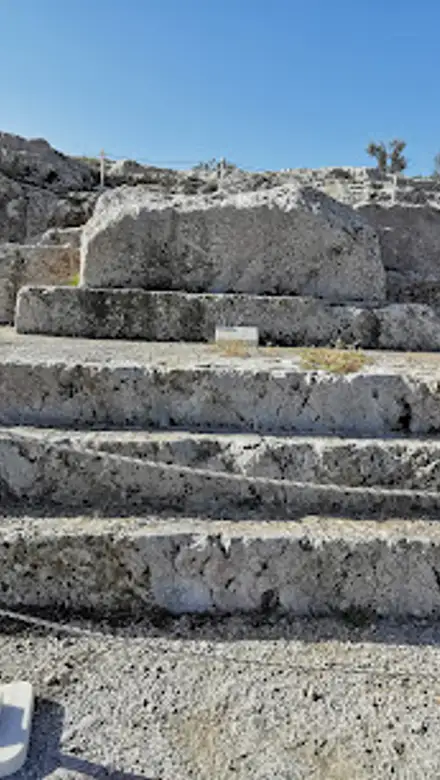
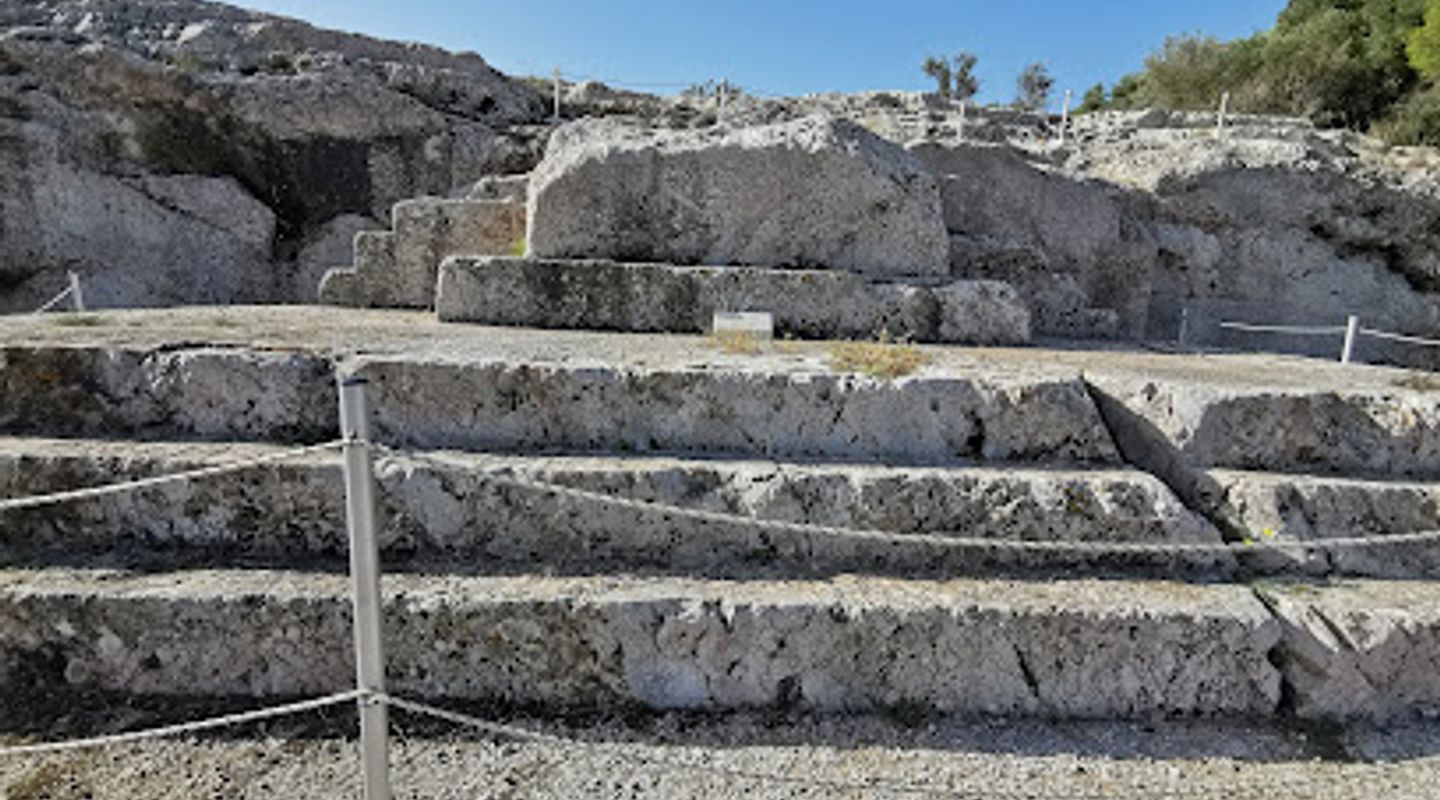
The Pnyx is a significant historical site located approximately 1 km west of the Acropolis in Athens. This unassuming rocky hill was the official meeting place of the Athenian democratic assembly, known as the *ekklesia*, marking it as the birthplace of democracy.In the early days of Athenian democracy, the *ekklesia* met in the Agora. Around the 5th century BC, the meeting place was moved to the Pnyx, a name derived from the Greek word meaning "tightly packed together". This new location could accommodate 6,000 to 10,000 citizens who would sit on the ground or bring their own portable seats. Only male Athenian citizens over 18 had the right to participate. Here, they debated laws, proposed ideas, and made decisions on the future of Athens. Famous orators like Pericles, Aristides, and Demosthenes shaped the course of history with their speeches.The Pnyx underwent three main construction phases. Initially, it was a simple plateau with a retaining wall. Later, a speaker's platform (*bema*) was added, along with a space for the audience. Today, visitors can still see the remains of the *bema* and imagine the lively debates that once took place. Although most of the buildings were erected after the Pnyx lost its significance, archaeological excavations have uncovered foundations of several structures.While the meetings eventually moved to the Theatre of Dionysus on the southern slope of the Acropolis, the Pnyx remains a powerful symbol of democracy and free speech. Visitors can walk in the footsteps of ancient Athenians, enjoy the panoramic views, and reflect on the principles that shaped Western civilization.
Evendo Review Centre
 Google
Guest reviews
Explore Pnyx on the map
A handpicked selection of must-see spots near Pnyx, mapped for you.
Get your free copy of our complete guide to Pnyx, delivered straight to you.
Everything on this page, from opening hours and how to get there to Eve’s tips and the best time to go, in one PDF you can read offline, print or share.
Already have an account? Sign in
Your Pnyx guide is ready.
We'll send it to · Not you? Sign out

Getting your guide ready…
We are putting together a fresh copy of the Pnyx guide. This can take up to a minute.
This can take a few moments. If your browser asks, choose Allow so the download can start. You'll find the guide in your Downloads folder.
Nothing happened? Download it again
Sorry, the guide is taking longer than usual. Please try again in a minute, or get it by email instead.
Unlock the best of Pnyx
Skip-the-line tickets, guided tours with entry, and walking tours of the area, booked in a few clicks.


Other nearby places you may find interesting
The closest places of the same kind, if this one is not quite what you had in mind.
-
-
-
-
-


Swipe for more places
More to explore near Pnyx

 Best experiences near Pnyx
 Best hotels near Pnyx
 Best landmarks near Pnyx
 Best attractions near Pnyx
 Best shops near Pnyx
 Best restaurants near Pnyx
 Best bars near Pnyx
Do you manage this location?
Take control to get all the benefits, like improved information, better appearance, and stronger visibility across AI-powered discovery.
Explore more

Explore more of Attica
Discover Attica: A Region Where Ancient History Meets Modern Charm, Offering a Harmonious Blend of Cultural Riches and Natural Beauty.
Explore Attica
Explore more of Greece
Discover Greece: A land where ancient history meets modern vibrancy, offering stunning islands, crystal-clear seas, and unforgettable cultural experiences.
Explore Greece