

Free Attica Travel Guide & Mobile App
Explore Attica with free travel guides. Discover regional history, expert tips, proposed trips, and audio guides on web or mobile app.


Explore Attica for ancient Athens, Saronic islands, coastal roads, mountain scenery, archaeological sites and Greece’s broadest urban food culture.
Read more about Attica
When is the best time to visit Attica?
Best: May, September–October · 24–29°C| Month | High (°C) | Rainfall (mm) |
|---|---|---|
| January | 13 | 51 |
| February | 14 | 45 |
| March | 17 | 41 |
| April | 21 | 32 |
| May (best) | 25 | 25 |
| June | 30 | 15 |
| July | 33 | 10 |
| August | 33 | 12 |
| September (best) | 29 | 20 |
| October (best) | 24 | 40 |
| November | 19 | 45 |
| December | 14 | 55 |
Getting to and around Attica
How to get there
Transportation
Top city travel guides in Attica
The cities of Attica, and the easiest places to base yourself.

Swipe for more cities
Best attractions in Attica
Attica’s attractions range from the monumental core of Athens to islands and countryside that require quite different itineraries. The Acropolis, the Ancient Agora, the Acropolis Museum and the National Archaeological Museum provide the region’s principal introduction to ancient Greece, while the National Garden, the Panathenaic Stadium and the museums of Piraeus broaden the historical picture. In western Attica, the archaeological site and museum at Eleusis explain the importance of the ancient Mysteries, while the site of the Battle of Marathon and its nearby museum connect the landscape with the Persian Wars. The southern coast offers marinas, urban beaches and sea views on the way to Cape Sounion. Mount Parnitha and Mount Hymettus provide opportunities for walking in a mountain setting close to the capital, although routes require attention to heat and access. Island excursions add another dimension: Aegina combines ancient remains and agricultural landscapes, Hydra and Spetses have maritime heritage and compact historic settlements, and Salamina lies close to the story of the classical Athenian navy. The region’s strongest appeal is this concentration of archaeology, museums, coast, mountains and island culture within one varied administrative area.
-
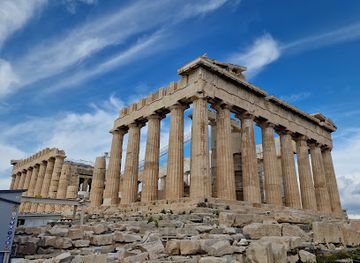
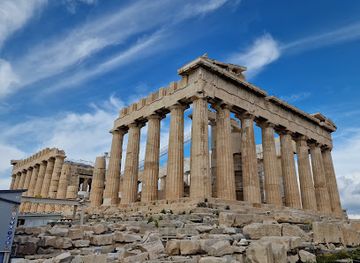
Parthenon
Explore the timeless beauty and historical significance of the Parthenon, an iconic symbol of Ancient Greece atop the Acropolis in Athens.
-
Archaeological museum
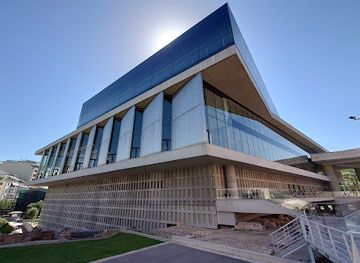
Acropolis Museum
Uncover the treasures of ancient Greece at the Acropolis Museum, where history and modernity converge in the heart of Athens.
-
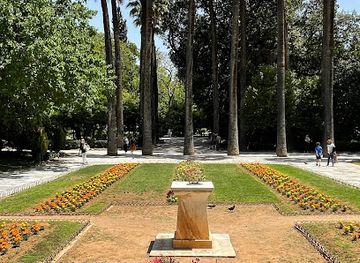
Garden
Athens National Garden
Experience the serene beauty of Athens National Garden, an urban oasis filled with lush greenery, historical significance, and tranquil pathways.
-
Archaeological museum
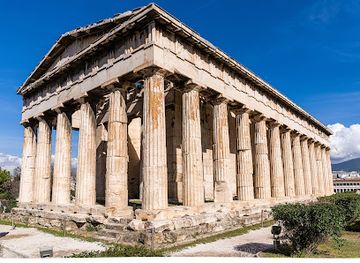
Ancient Agora of Athens
Explore the Ancient Agora of Athens, a historic landmark where democracy and culture flourished in the heart of ancient Greece.

Best landmarks in Attica
The Acropolis is Attica’s defining landmark, its limestone summit carrying the Parthenon, Erechtheion, Temple of Athena Nike and Propylaea above the modern capital. Below it, the Theatre of Dionysus and the Pnyx preserve the setting of ancient performance and political assembly, while the Temple of Olympian Zeus and Hadrian’s Arch mark the Roman city’s scale. The Panathenaic Stadium, rebuilt in marble for the modern Olympic revival, connects contemporary Athens with its ancient athletic traditions. In western Attica, the Sanctuary of Demeter and Kore at Eleusis is a major archaeological landmark associated with the Eleusinian Mysteries. At the eastern edge of the Attic peninsula, the Temple of Poseidon at Cape Sounion occupies a dramatic headland above the sea and is one of the region’s most recognisable coastal monuments. The port of Piraeus, with its harbour infrastructure and maritime setting, represents another side of Attica’s identity. Across the islands, the Temple of Aphaia on Aegina, the neoclassical harbour town of Hydra and the historic waterfronts of Spetses provide architectural and maritime landmarks distinct from the classical monuments of Athens.
-
Historical landmark
Acropolis of Athens
Explore the Acropolis of Athens, a UNESCO World Heritage Site, and discover the iconic Parthenon and ancient Greek history.
-
Historical landmark
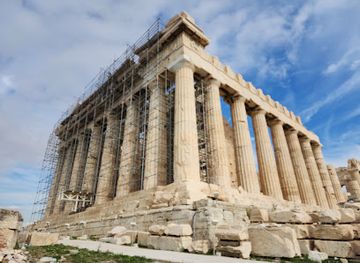
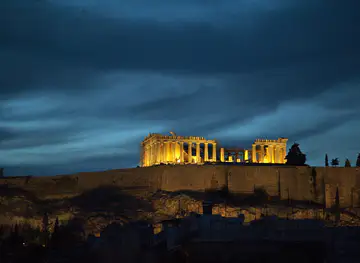
Parthenon
Explore the Parthenon, an enduring symbol of ancient Greece and Athenian democracy, perched atop the Acropolis offering breathtaking views of Athens.
-
Archaeological museum
Acropolis Museum
Explore ancient Greek history and art at the Acropolis Museum, home to thousands of artifacts from the Acropolis site.
-
Stadium
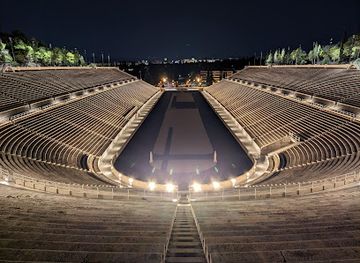
Panathenaic Stadium
Visit the Panathenaic Stadium in Athens, the world's only all-marble stadium and the birthplace of the modern Olympic Games.
Explore Attica on the map
Plan your trip on one map. See where the top cities, national parks and sights are, and book hotels and experiences in a few clicks.
Best hotels in Attica
Best restaurants in Attica
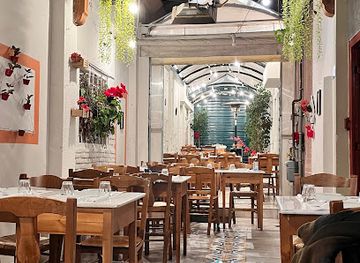
Dining in Attica reflects both the breadth of Greek cooking and the region’s position as the country’s largest urban market. Athens offers everything from neighbourhood tavernas, meze restaurants and bakeries to contemporary kitchens that reinterpret Greek ingredients, while central markets and food streets provide a useful introduction to seasonal produce. Piraeus and the southern coast are associated with seafood, grilled fish and simple waterfront meals, although quality and atmosphere vary by locality rather than by the view alone. Across the mainland and islands, look for dishes based on vegetables, pulses, olive oil, herbs, cheese and grilled meats, alongside regional pies, yoghurt-based preparations and syrup sweets. Aegina is especially associated with pistachios, which appear in confectionery, snacks and local products. Attic wines, honey, olives and figs also feature in shops and restaurants. On Hydra, Spetses, Poros and smaller islands, tavernas often focus on fish, seasonal vegetables and straightforward home-style cooking. Tipping is discretionary but a modest amount for good service is customary.
-
Greek
Karamanlidika
Discover authentic Greek cuisine at Karamanlidika in Athens—home to exquisite charcuterie and artisanal cheeses.
-
Greek
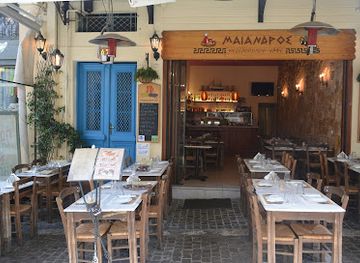
Maiandros Restaurant
Experience authentic Greek cuisine at Maiandros Restaurant in Athens—where tradition meets flavor in a family-friendly atmosphere.
-
Mediterranean
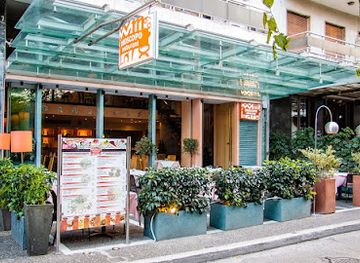
OROSCOPO restaurant
Experience exquisite Mediterranean dining at OROSCOPIO Restaurant in Athens – where Greek tradition meets Italian flair.
-
Greek
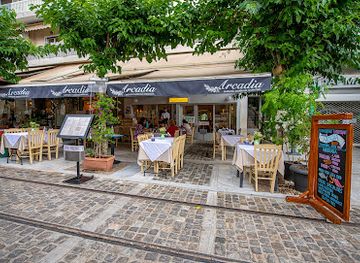
Arcadia Restaurant
Savor the true flavors of Greece at Arcadia Restaurant – your destination for authentic Mediterranean dining in Athens.
Best bars in Attica
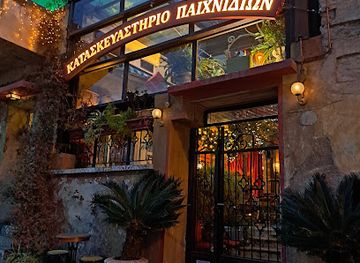
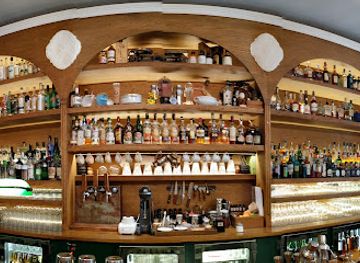
Attica has Greece’s broadest range of evening settings, but nightlife differs sharply between central Athens, the port, the coast and the islands. In Athens, neighbourhood bars, wine bars, cocktail venues, live-music rooms and late-opening cafés are concentrated around areas such as Monastiraki, Psyrri, Koukaki, Exarchia, Kolonaki and the wider historic centre, with the character changing from street to street. Piraeus has bars and restaurants shaped by its maritime setting, while the southern suburbs provide seafront venues and seasonal terraces rather than one continuous nightlife district. Island evenings are generally more compact: Hydra, Spetses, Poros and Aegina offer harbour-front bars, tavernas and occasional live music, while smaller islands are quieter outside the main summer period. Nightclubs exist in Athens and some coastal areas, but visitors should not assume that every island has a substantial club scene. Check current arrangements locally, particularly outside July and August.
-
Bar
Couleur Locale
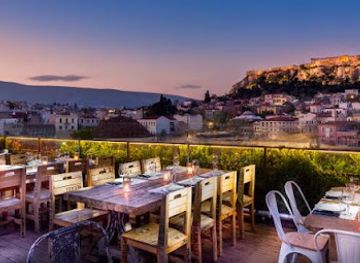
Discover the charm of Couleur Locale in Athens, where Mediterranean flavors meet stunning views and a vibrant atmosphere.
-
Bar
360 Cocktail Bar
Discover the vibrant nightlife and stunning views at 360 Cocktail Bar in Athens, the perfect spot for delicious cocktails and memorable experiences.
-
Cocktail bar
Upupa Epops
Experience the vibrant cocktail culture of Athens at Upupa Epops, where unique flavors and a lively atmosphere await every visitor.
-
Bar
The Clumsies
Experience innovative cocktails and a vibrant atmosphere at The Clumsies, one of Athens' top cocktail bars.

Best nightclubs in Attica
Attica has Greece’s broadest range of evening settings, but nightlife differs sharply between central Athens, the port, the coast and the islands. In Athens, neighbourhood bars, wine bars, cocktail venues, live-music rooms and late-opening cafés are concentrated around areas such as Monastiraki, Psyrri, Koukaki, Exarchia, Kolonaki and the wider historic centre, with the character changing from street to street. Piraeus has bars and restaurants shaped by its maritime setting, while the southern suburbs provide seafront venues and seasonal terraces rather than one continuous nightlife district. Island evenings are generally more compact: Hydra, Spetses, Poros and Aegina offer harbour-front bars, tavernas and occasional live music, while smaller islands are quieter outside the main summer period. Nightclubs exist in Athens and some coastal areas, but visitors should not assume that every island has a substantial club scene. Check current arrangements locally, particularly outside July and August.
-
Night club
EKEI
Discover EKEI, a premier nightclub in Athens offering a vibrant nightlife experience with great music and a fun-loving crowd.
-
Night club
Lohan Athens Nightclub
Discover the ultimate nightlife experience at Lohan Athens Nightclub, where vibrant music and electrifying energy await in the heart of Athens.
-
Disco club
Koukles Club Drag Queen Show
Dive into the vibrant nightlife of Athens at Koukles Club Drag Queen Show, where spectacular performances meet an inclusive atmosphere.
-
Night club
Club 22
Unleash your nightlife adventure at Club 22, Athens' premier night club for unforgettable music and dancing until dawn.




Best shops in Attica
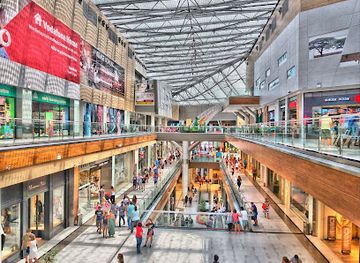
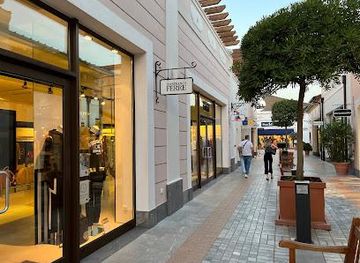
Shopping in Attica ranges from central Athens markets and independent streets to island produce and coastal boutiques. Monastiraki and the adjoining historic centre are known for antiques, souvenirs, leather goods, jewellery, second-hand items and small craft shops, while Ermou Street provides mainstream high-street retail. The Central Municipal Market and nearby food shops are useful for olive oil, herbs, cheeses, honey and other Greek ingredients, although visitors should distinguish durable local products from generic souvenir merchandise. Kolonaki and selected central neighbourhoods offer more specialised fashion, design and galleries, while Piraeus has practical shopping streets alongside businesses serving the port community. In Aegina, pistachios and products made from them are the characteristic purchase, and the islands generally offer ceramics, textiles, jewellery and locally produced foods rather than large shopping centres. Hydra and Spetses have galleries, craft shops and boutiques suited to browsing around their historic harbours. Market days and opening arrangements vary, so smaller mainland towns and islands are best approached with flexible expectations.
-
Gift shop
The Mall Athens
Experience the best of shopping, dining, and entertainment at The Mall Athens, your ultimate retail destination in Greece.
-
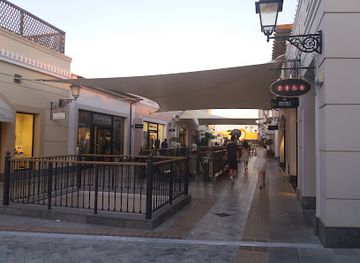
Outlet mall
Designer Outlet Athens
Discover Designer Outlet Athens: Your ultimate shopping destination in Greece for premium brands and unbeatable discounts.
-
Outlet mall
Designer Outlet Athens
Shop in style at Designer Outlet Athens, where luxury meets affordability with unbeatable discounts on top brands.
-
Shopping mall
City Link
Discover City Link, Athens' premier shopping mall blending retail, culture, and culinary delights in a vibrant urban setting.
Get your free copy of our complete guide to Attica, delivered straight to you.
Everything on this page, from attractions and restaurants to essentials and local phrases, in one PDF you can read offline, print or share.
Already have an account? Sign in
Your Attica guide is ready.
We'll send it to · Not you? Sign out

Getting your guide ready…
We are putting together a fresh copy of the Attica guide. This can take up to a minute.
This can take a few moments. If your browser asks, choose Allow so the download can start. You'll find the guide in your Downloads folder.
Nothing happened? Download it again
Sorry, the guide is taking longer than usual. Please try again in a minute, or get it by email instead.
Attica essentials
Currency and Payment
Safety
Emergency Situations
Do's and Don'ts
Local Tips
From Eve
Local phrases worth knowing
You don't need to get them perfect. A few words go a long way, and locals appreciate the effort.
Basics
| English | Local | Say it |
|---|---|---|
| Hello | Hi | [hai] |
| Goodbye | Bye | [bai] |
| Yes | Yeah | [yeh] |
| No | Nah | [nah] |
| Please/You're welcome | Please/No problem | [pleez/no prob] |
| Thank you | Thanks | [thanks] |
| Excuse me/Sorry | Excuse me/Sorry | [excuse me/saw-ree] |
| How are you? | How's it going? | [how's it goin'] |
| Fine. And you? | Good. And you? | [good. and you?] |
| Do you speak English? | Do you speak English? | [do you speak ing-lish?] |
| I don't understand | I don't get it | [I don't get it] |
Eating & Drinking
| English | Local | Say it |
|---|---|---|
| I'd like to see the menu, please | Can I see the menu, please? | [can I see the men-yoo, pleez?] |
| I don't eat meat | I don't eat meat | [I don't eat meat] |
| Cheers! | Cheers! | [cheers] |
| I would like to pay, please | Can I get the check, please? | [can I get the chek, pleez?] |
Emergencies
| English | Local | Say it |
|---|---|---|
| Help! | Help! | [help] |
| Go away! | Get lost! | [get lost] |
| Call the Police! | Call the cops! | [call the cops] |
| Call a doctor! | Get a doctor! | [get a doktor] |
| I'm lost | I'm lost | [I'm lost] |
| I'm ill | I'm not feeling well | [I'm not feel-ing well] |
Shopping
| English | Local | Say it |
|---|---|---|
| I'd like to buy... | I want to buy... | [I want to buy...] |
| I'm just looking | Just browsing | [just brows-ing] |
| How much is it? | How much is this? | [how much is this?] |
| That's too expensive | That's way too pricey | [that's way too pry-see] |
| Can you lower the price? | Can you give me a better price? | [can you give me a better pryce?] |
Time & Numbers
| English | Local | Say it |
|---|---|---|
| What time is it? | What time is it? | [what time is it?] |
| It's one o'clock | It's one | [it's one] |
| Half past (10) | Half past ten | [half past ten] |
| Morning | Morning | [morn-ing] |
| Afternoon | Afternoon | [afternoon] |
| Evening | Evening | [evening] |
| Yesterday | Yesterday | [yes-ter-day] |
| Today | Today | [to-day] |
| Tomorrow | Tomorrow | [to-mor-row] |
| 1 | 1 | [one] |
| 2 | 2 | [two] |
| 3 | 3 | [three] |
| 4 | 4 | [four] |
| 5 | 5 | [five] |
| 6 | 6 | [six] |
| 7 | 7 | [seven] |
| 8 | 8 | [eight] |
| 9 | 9 | [nine] |
| 10 | 10 | [ten] |
Transport & Directions
| English | Local | Say it |
|---|---|---|
| Where's a/the...? | Where's the...? | [where's the...?] |
| What's the address? | What's the address? | [what's the address?] |
| Can you show me (on the map)? | Can you show me on the map? | [can you show me on the map?] |
| When's the next (bus)? | When's the next bus? | [when's the next bus?] |
| A ticket (to ....) | A ticket to... | [a tiket to...] |
History of Attica
Early Attic Settlements and Bronze Age Communities
Attica was inhabited long before classical Athens, with evidence of Neolithic and Bronze Age communities at sites including the Acropolis and other parts of the region. The landscape’s defensible hills, fertile plains and access to the sea encouraged settlement and exchange. Mycenaean-era remains indicate connections with the wider Aegean world, while traditions surrounding early Attic kings preserve memories of a period when separate communities gradually became politically linked. These early layers are important because they show that Athens was not created suddenly in the classical age; its later prominence developed from a much older pattern of occupation.
The Rise of the Athenian City-State
During the early first millennium BC, communities across Attica became increasingly associated with Athens. The process traditionally known as synoecism, or political unification, helped create a larger city-state whose territory broadly corresponded to the Attic peninsula. Reforms attributed to Solon and, later, Cleisthenes reshaped citizenship, political organisation and local administration. The deme system linked villages and districts throughout Attica to the Athenian state, leaving a historical geography that extended well beyond the urban centre. This political development helped establish the institutions for which classical Athens is remembered.
Classical Athens and the Persian Wars
Attica became central to the history of the Greek world during the fifth century BC. Athens developed a powerful navy, and the victory over the Persian fleet at the Battle of Salamis in 480 BC was fought in the narrow waters between Salamina and the Attic coast. In the decades that followed, Athens expanded its influence through the Delian League and undertook major building projects on the Acropolis. The Parthenon, Propylaea, Erechtheion and other monuments expressed the city’s religious and political ambitions, while the port of Piraeus supported its maritime power.
Eleusis and the Mysteries
The sanctuary of Demeter and Persephone at Eleusis, in western Attica, was one of the most important religious sites of the ancient Greek world. The Eleusinian Mysteries were initiation ceremonies associated with agricultural renewal, the myth of Persephone and hopes concerning life after death. Their precise rites were kept secret, but the sanctuary’s monumental Telesterion and processional relationship with Athens demonstrate its regional importance. Pilgrims travelled along the Sacred Way from Athens to Eleusis, and the site remained active for many centuries before late antique religious changes brought the cult to an end.
Roman, Byzantine and Ottoman Attica
After the incorporation of Greece into the Roman world, Athens retained intellectual and religious prestige, while monuments such as the Roman Agora and the Library of Hadrian reflected imperial patronage. Attica later formed part of the Byzantine Empire, although the urban centre was smaller and its ancient buildings were repeatedly adapted for Christian use. Frankish and then Ottoman rule brought further political change. The Acropolis was used as a fortified settlement and later as an Ottoman garrison, illustrating how Attica’s monuments were continually reused rather than preserved as static relics.
The Greek War of Independence and the Modern Capital
The Greek War of Independence began in 1821, and Athens was incorporated into the independent Greek state in 1833. In 1834 it became the national capital, transforming a relatively modest town into the administrative centre of modern Greece. Nineteenth-century planners introduced neoclassical buildings, wider streets and new civic institutions, while the port of Piraeus grew as the capital’s maritime and commercial outlet. Population movements, especially the arrival of refugees from Asia Minor after 1922, profoundly changed the city’s suburbs, economy and cultural life.
Industrialisation, War and Post-war Urban Expansion
During the twentieth century, Attica experienced rapid industrialisation and urban growth. Piraeus and the Gulf of Eleusina became important locations for shipping, manufacturing, refineries and other heavy industries, while Athens expanded across the basin and towards the coast. The region endured occupation and hardship during the Second World War and Greek Civil War period, followed by major migration from rural Greece to the capital. This expansion produced dense neighbourhoods and transport pressures, but also created the metropolitan Attica whose cultural, economic and political influence reaches across the country.
The Contemporary Metropolitan Region
Modern Attica combines a densely populated capital with airports, ports, universities, financial institutions, museums and a large service economy. Major infrastructure built or upgraded for the 2004 Olympic Games reshaped roads, rail links and sports facilities, while the Athens metro and suburban rail improved connections across parts of the metropolitan area. At the same time, pressure from traffic, development, heat and water scarcity has increased attention to parks, coastal access and the protection of archaeological and natural landscapes. The region’s islands and mainland districts remain important reminders that Attica is more than Athens alone.
Attica in Photos
Browse through our photo collection highlighting the charm and character of the destination.
Neighbouring regions of Attica
The closest regions to Attica, if you have time for more than one.
-

-

-

-

-


Swipe for more regions
Explore more
Explore more of Greece
Discover Greece: A land where ancient history meets modern vibrancy, offering stunning islands, crystal-clear seas, and unforgettable cultural experiences.
Explore Greece