Temple of Apollo, Delphi Travel Guide
Explore the ruins of the Temple of Apollo in Delphi, the heart of the ancient world, and discover the mysteries of the Oracle.
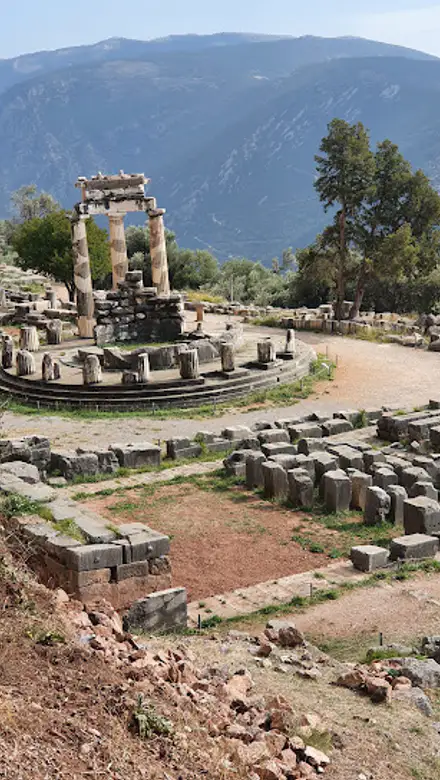
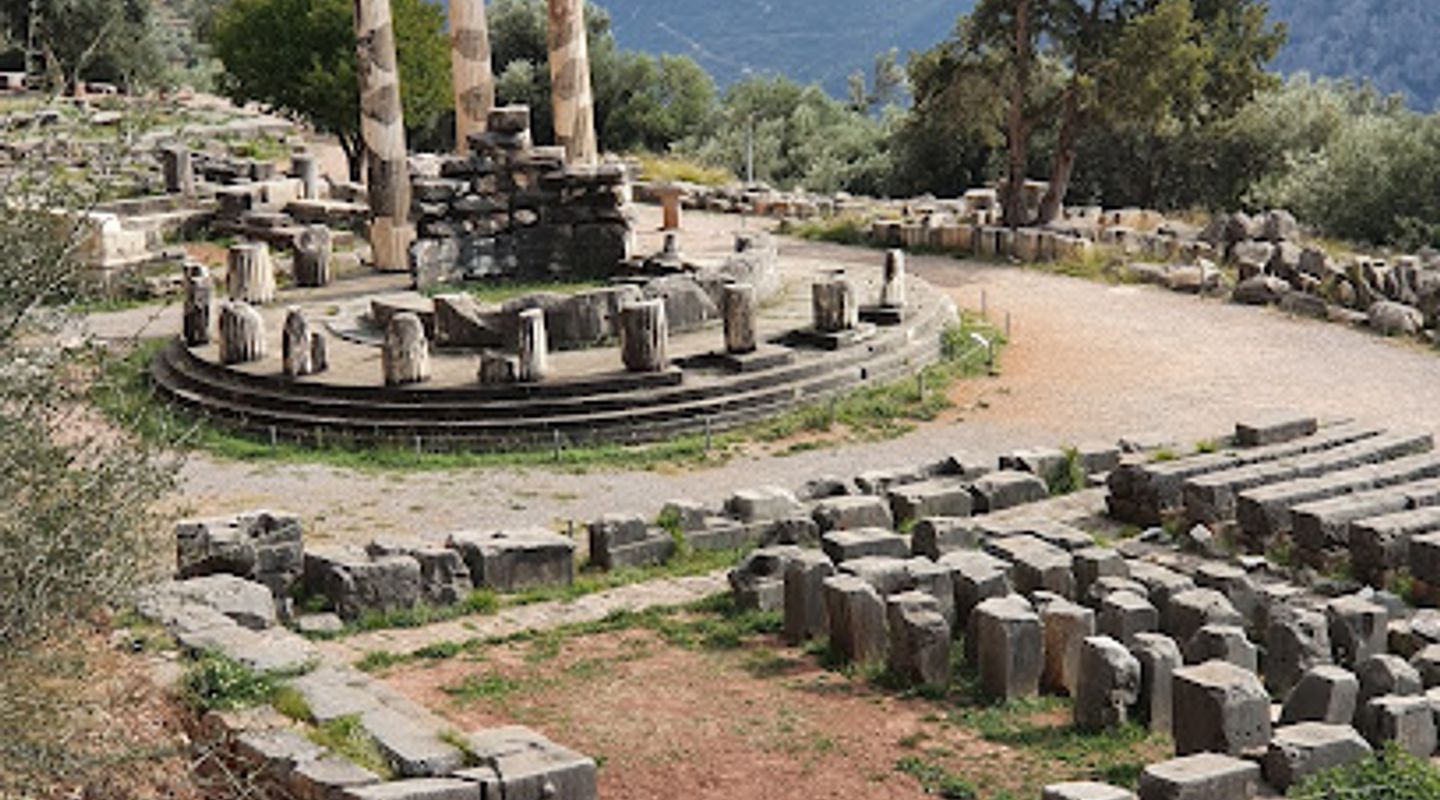
The Temple of Apollo in Delphi was a sacred sanctuary dedicated to the Greek god Apollo, revered for archery, music, light, and prophecy. Established around the 8th century BCE, the temple was home to the famous Oracle of Delphi, where the priestess Pythia served as a conduit between the mortal world and the divine. The ruins visible today are from the 4th century BCE.
A brief summary to Temple of Apollo
- Delphi 330 54, Delphi, 330 54, GR
- Monday 8 am-8 pm
- Tuesday 8 am-8 pm
- Wednesday 8 am-8 pm
- Thursday 8 am-8 pm
- Friday 8 am-8 pm
- Saturday 8 am-8 pm
- Sunday 8 am-8 pm

Know before you go
Hi, I'm Eve. Here are a few practical things to know before exploring Temple of Apollo.
- Wear sturdy shoes as the path to the Temple of Apollo is uneven and involves a relentless climb.
- Bring water and wear a hat, as there is minimal shade on the site.
- Purchase tickets online in advance to avoid long queues, especially during peak season.
- Visit early in the morning or later in the afternoon to avoid crowds and the heat.
Do you manage this location?
Take control to get all the benefits, like improved information, better appearance, and stronger visibility across AI-powered discovery. Learn more about listing your business on Evendo
Activate your presenceOther nearby places you may find interesting
The closest places of the same kind, if this one is not quite what you had in mind.



Explore Temple of Apollo on the Map
A handpicked selection of must-see spots near Temple of Apollo, mapped for you.
Unlock the Best of Temple of Apollo
Buy tickets
-
No tickets available
Book tours with entry


Getting There
-
Walking
From the entrance of the Delphi Archaeological Site, follow the Sacred Way uphill. The Temple of Apollo is approximately a fifth of a mile from the entrance. The path is a steady climb with uneven surfaces, so wear sturdy shoes. Along the way, you'll pass treasuries and monuments. The walk to the temple takes about 15-20 minutes.
-
Public Transport
From the Delphi bus station, walk towards the main road and turn left. Walk along the road for about 1 km (0.6 miles) to the entrance of the Delphi Archaeological Site. From there, follow the walking directions to reach the Temple of Apollo. Bus fare from nearby towns such as Itea is around €2-€4.
-
Taxi
Taxis are available in the town of Delphi. A taxi from Delphi to the Temple of Apollo is a short ride. However, walking from the entrance of the archeological site is still required to reach the temple. A taxi from Delphi to Itea, which is about 15 km away, costs approximately €13-€16. There is no real parking lot at Delphi, and cars and buses park along the road.
Discover more about Temple of Apollo













Your all‑in‑one travel companion app
Explore expert travel guides, compare and book tours, experiences, hotels, and more—all from the palm of your hand. Download now for seamless trip planning wherever your wanderlust takes you.


Explore More of Delphi
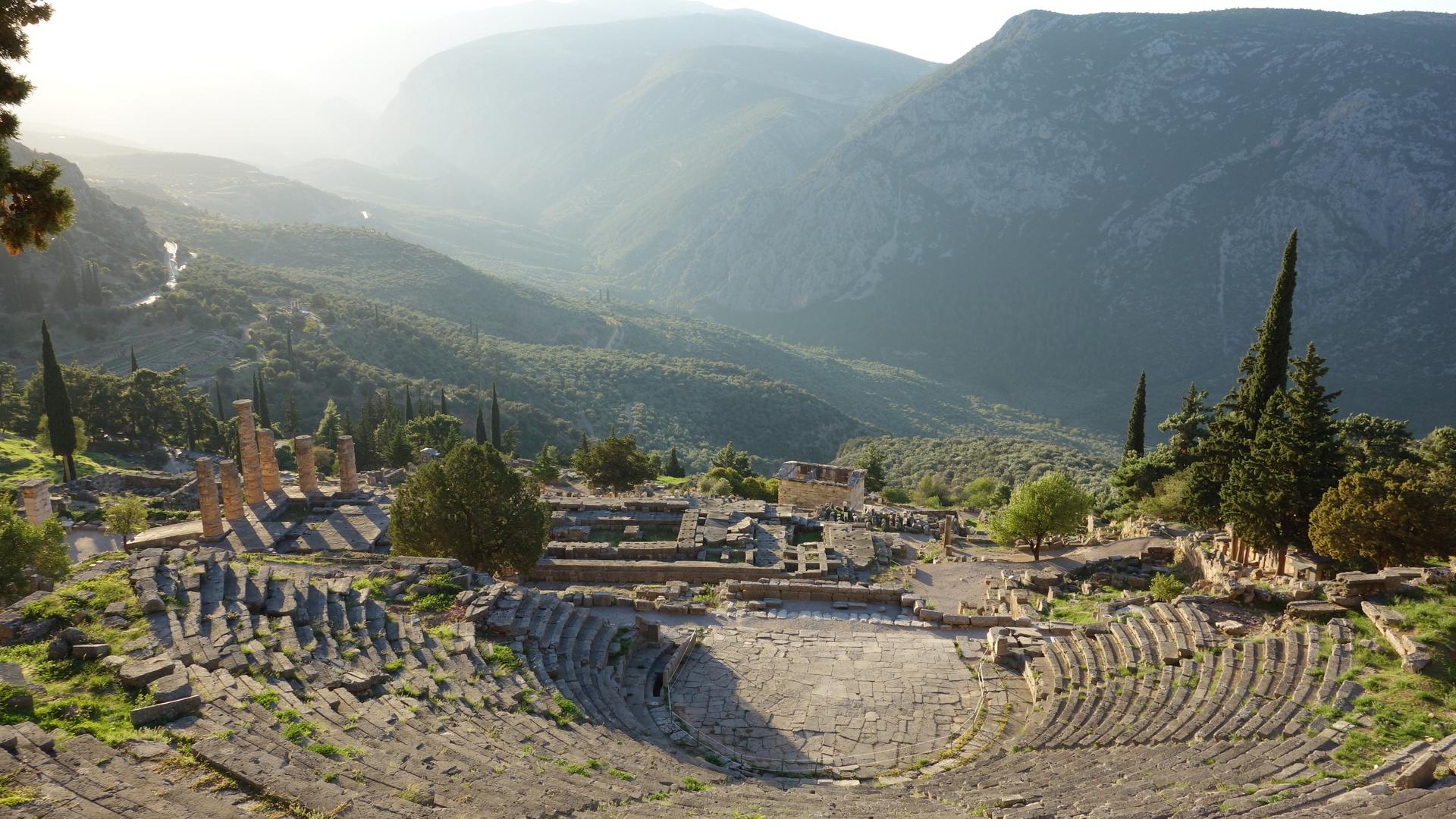
Looking beyond Temple of Apollo? Discover Delphi for broader travel guides, local hot-spots, and regional highlights.
Explore Delphi
Discover the Tholos of Athena Pronaia in Delphi, a mysterious and beautiful ancient Greek temple with stunning architecture and historical significance.
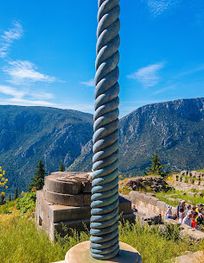
Explore the Pillar of Prusias II in Delphi, a historical monument honoring an ancient king and showcasing Hellenistic artistry.