Roman aqueduct - Arches, Euboea Travel Guide
Explore the Roman Aqueduct in Athens, a stunning historical landmark showcasing ancient engineering brilliance and a vital water source for the city.
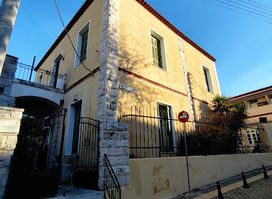
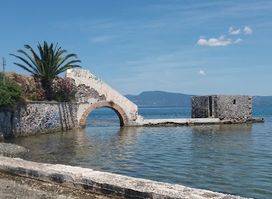
Discover the grandeur of the Roman aqueduct in Athens, a remarkable historical landmark that showcases ancient engineering prowess. This stunning structure remains a testament to the ingenuity of Roman architecture, inviting tourists to marvel at its impressive arches and rich history. As you wander through this iconic site, immerse yourself in the stories of the past, where water once flowed to sustain the vibrant life of ancient Athens. Don't miss this chance to experience a piece of history that continues to inspire awe in visitors from around the world.
A brief summary to Roman aqueduct - Arches
- Ipirou 16, Αθήνα, 104 33, GR

Know before you go
Hi, I'm Eve. Here are a few practical things to know before exploring Roman aqueduct - Arches.
- Visit early in the morning or late afternoon for the best light for photographs.
- Take a guided tour to learn more about the history and significance of the aqueduct.
- Check for any local events or exhibitions that may be taking place near the aqueduct.
- Wear comfortable shoes, as you'll want to explore the area on foot.
- Bring water and snacks, as there are limited facilities nearby.
Do you manage this location?
Take control to get all the benefits, like improved information, better appearance, and stronger visibility across AI-powered discovery. Learn more about listing your business on Evendo
Activate your presenceOther nearby places you may find interesting
The closest places of the same kind, if this one is not quite what you had in mind.
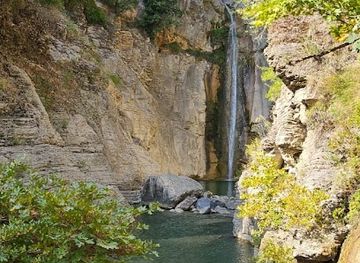
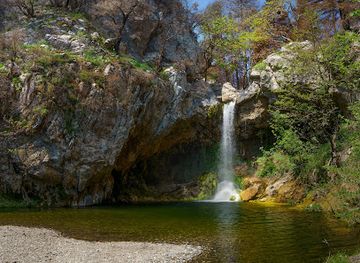

Explore Roman aqueduct - Arches on the Map
A handpicked selection of must-see spots near Roman aqueduct - Arches, mapped for you.
Getting There
-
Car
If you're traveling by car, start from the center of Euboea and head towards Chalkida. From Chalkida, take the E65 road towards Athens. After approximately 70 kilometers, take the exit towards the city of Athens. Follow the signs for Ipirou Street. The Roman aqueduct - Arches is located at Ipirou 16, 104 33 Athens. Parking may be available nearby, but plan for city traffic.
-
Public Transportation
To reach the Roman aqueduct - Arches using public transportation, first take a bus from any town in Euboea to Chalkida. Once in Chalkida, transfer to a train heading to Athens. Upon arriving at the central train station in Athens (Larissa Station), you can take Metro Line 1 (Green Line) towards Kifisia and get off at the Omonia station. From there, it's about a 15-minute walk to Ipirou 16. Look for signs directing you towards Ipirou Street, which will lead you directly to the Roman aqueduct.
Discover more about Roman aqueduct - Arches
More to explore near Roman aqueduct - Arches













Your all‑in‑one travel companion app
Explore expert travel guides, compare and book tours, experiences, hotels, and more—all from the palm of your hand. Download now for seamless trip planning wherever your wanderlust takes you.


Explore More of Euboea
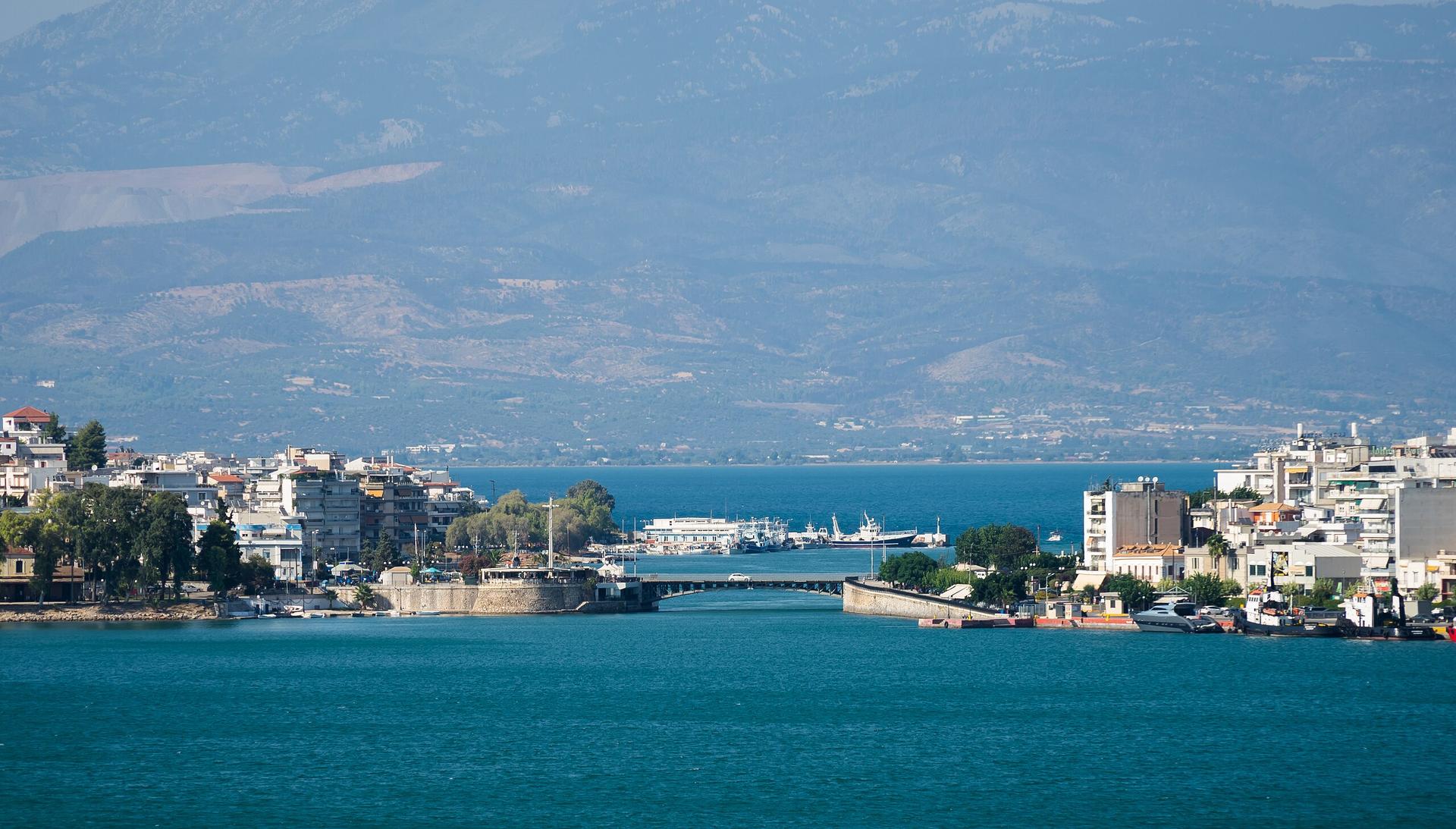
Looking beyond Roman aqueduct - Arches? Discover Euboea for broader travel guides, local hot-spots, and regional highlights.
Explore Euboea