
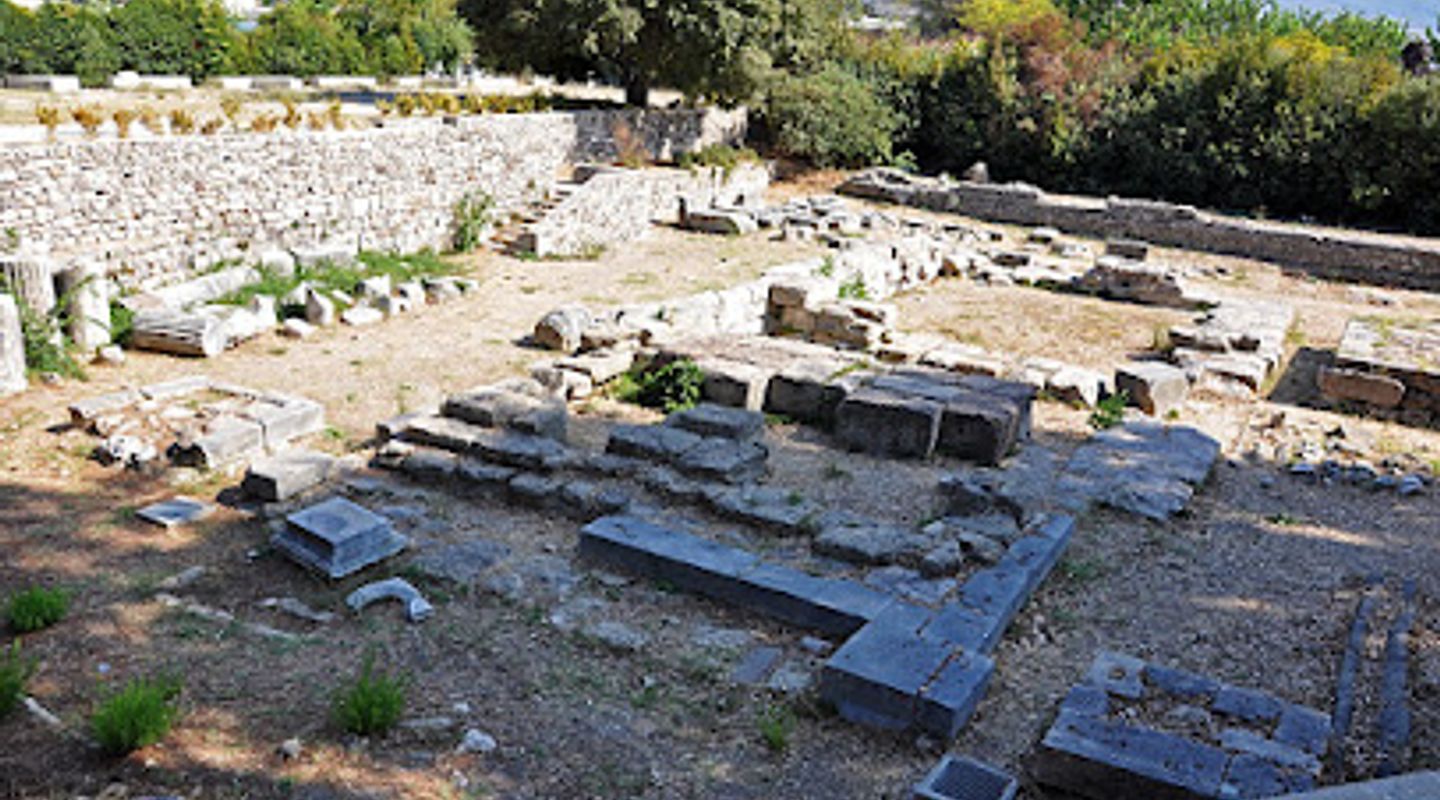
Altar of Dionysus, Dodecanese Travel Guide
Discover the ancient Altar of Dionysus in Kos Town, a window into the island's Hellenistic heritage and a tribute to the god of wine.
Explore the remnants of the Altar of Dionysus, a historical landmark in Kos Town dating back to the 2nd century BC. This once grand altar, dedicated to the Greek god of wine and festivity, offers a glimpse into the island's rich Hellenistic past.
A brief summary to Altar of Dionysus
- Leof. Grigoriou V 41, Kos, 853 00, GR

Know before you go
Hi, I'm Eve. Here are a few practical things to know before exploring Altar of Dionysus.
- Combine your visit with a trip to the nearby Casa Romana and the Ancient Agora for a comprehensive historical tour.
- Wear comfortable shoes, as the site involves walking on uneven ground.
- Visit early in the morning or late in the afternoon to avoid the midday heat, especially during the summer months.
Do you manage this location?
Take control to get all the benefits, like improved information, better appearance, and stronger visibility across AI-powered discovery. Learn more about listing your business on Evendo
Activate your presenceOther nearby places you may find interesting
The closest places of the same kind, if this one is not quite what you had in mind.
Explore Altar of Dionysus on the Map
A handpicked selection of must-see spots near Altar of Dionysus, mapped for you.
Getting There
-
Walking
The Altar of Dionysus is located in Kos Town and is easily accessible on foot from most central locations. From Eleftherias Square in the town center, walk east towards the waterfront. Continue to the harbor area, then follow the waterfront promenade north. Turn left onto Leof. Grigoriou V. The Altar of Dionysus is on the right at number 41. The walk takes approximately 15-20 minutes.
-
Public Transport
Kos has a reliable bus network. Check local bus schedules for routes that stop near the Ancient Agora or Casa Romana, which are both close to the Altar of Dionysus. From the bus stop, it is a short walk to the site.
-
Taxi
Taxis are readily available in Kos Town. A short taxi ride from the Kos Town harbor or a central hotel to the Altar of Dionysus will typically cost around €5-€10. Taxis can be found at taxi ranks or booked by phone. Be sure the driver uses the meter.
-
Parking
If driving, there is a free parking area located near the Altar of Dionysus on Leof. Grigoriou V. This parking area is also convenient for visiting other nearby attractions such as Casa Romana and the Roman Odeon. Roadside parking may also be available.
Discover more about Altar of Dionysus













Your all‑in‑one travel companion app
Explore expert travel guides, compare and book tours, experiences, hotels, and more—all from the palm of your hand. Download now for seamless trip planning wherever your wanderlust takes you.


Explore More of Dodecanese
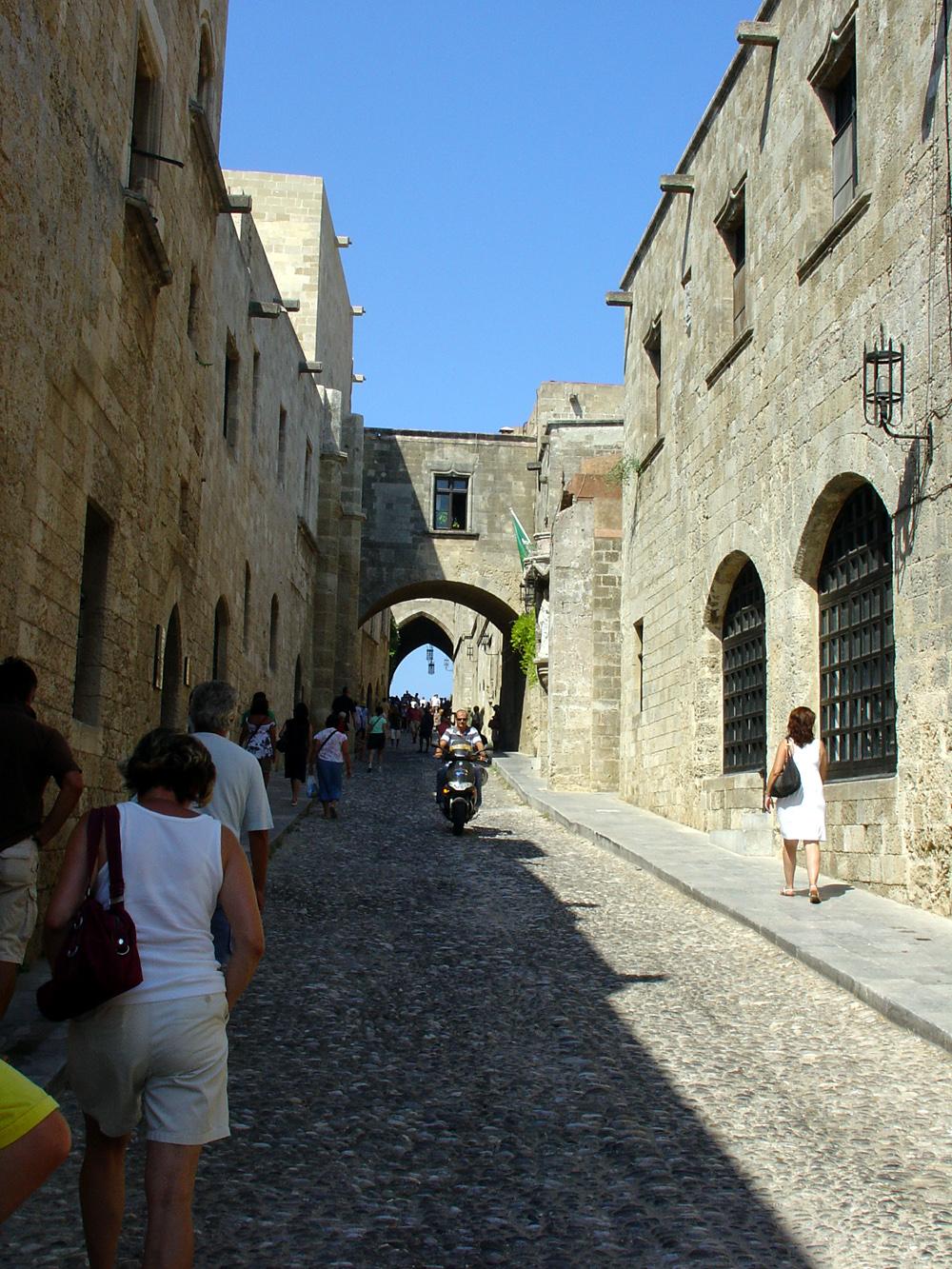
Looking beyond Altar of Dionysus? Discover Dodecanese for broader travel guides, local hot-spots, and regional highlights.
Explore Dodecanese
Explore Kos's medieval Nerantzia Castle: a historic fortress with stunning harbor views, built by the Knights of St. John.
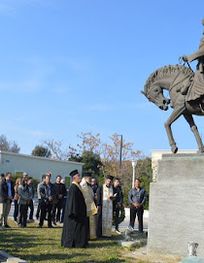
A striking tribute to Theodoros Kolokotronis, the statue embodies Greek heroism in the heart of Kos town, surrounded by local life.
