

Free Dodecanese Travel Guide & Mobile App
Explore Dodecanese with free travel guides. Discover regional history, expert tips, proposed trips, and audio guides on web or mobile app.


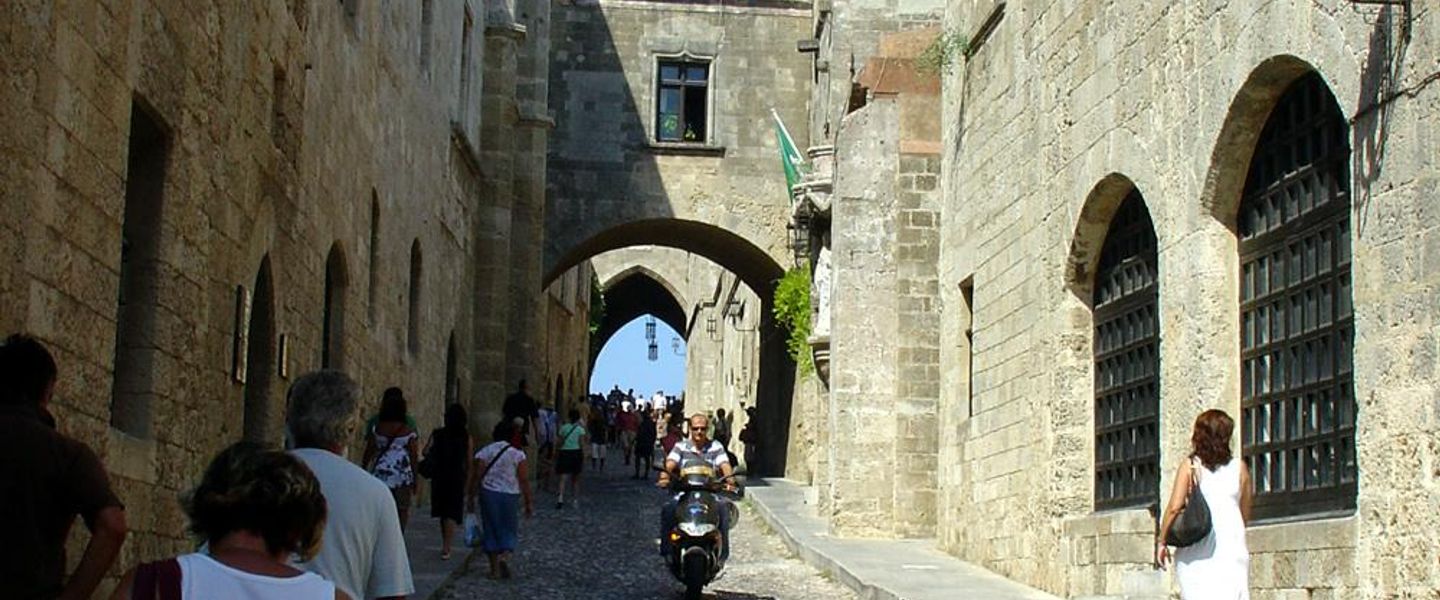


Explore the Dodecanese for medieval cities, volcanic islands, ancient ruins, clear Aegean waters and distinctive island traditions.
Read more about Dodecanese
When is the best time to visit Dodecanese?
Best: May–June, September · 25–29°C| Month | High (°C) | Rainfall (mm) |
|---|---|---|
| January | 15 | 130 |
| February | 16 | 110 |
| March | 17 | 90 |
| April | 21 | 60 |
| May (best) | 25 | 30 |
| June (best) | 29 | 20 |
| July | 32 | 10 |
| August | 32 | 20 |
| September (best) | 29 | 30 |
| October | 24 | 70 |
| November | 19 | 100 |
| December | 16 | 120 |
Getting to and around Dodecanese
How to get there
Transportation
Top city travel guides in Dodecanese
The cities of Dodecanese, and the easiest places to base yourself.

Swipe for more cities
Best attractions in Dodecanese
The Dodecanese offers a varied collection of attractions spread across islands with markedly different landscapes and histories. Rhodes combines the medieval Old Town, the archaeological site of Lindos, the ancient remains of Kamiros and museums with beaches and wooded walks such as the Valley of the Butterflies. Kos brings together the Asklepieion, Roman remains, cycling routes and long stretches of coast, while nearby Nisyros offers volcanic scenery, traditional villages and access to the caldera around Stefanos crater. Patmos centres on the Monastery of Saint John and the Cave of the Apocalypse, both important religious and cultural sites. Kalymnos is associated with sponge-diving heritage, climbing and clear-water coves, while Leros has harbours, Italian-era architecture and quiet bays. Karpathos is valued for mountain villages, walking and enduring local customs; Tilos for nature and low-key hiking; and Symi for its harbour and maritime character. Swimming, snorkelling, diving, sailing and sea kayaking are available throughout the archipelago, but conditions and facilities vary considerably between islands.
-
Tourist attraction
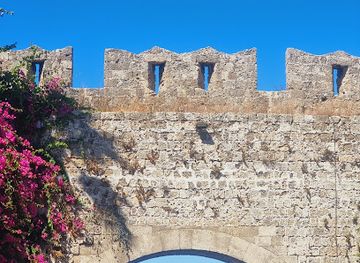
Medieval City of Rhodes
Discover the magic of the Medieval City of Rhodes, a historic treasure trove of architecture, culture, and breathtaking views in Greece.
-
Tourist attraction
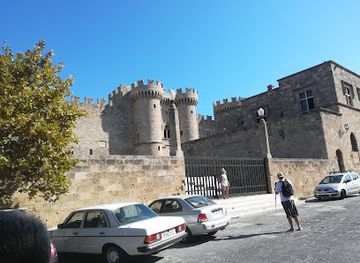
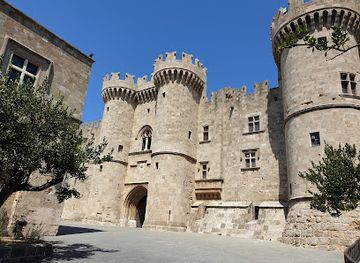
Palace of the Grand Master of the Knights of Rhodes
Explore the storied history and stunning architecture of the Palace of the Grand Master of the Knights of Rhodes, a must-see historical landmark.
-
Tourist attraction
Bodrum Castle
Explore the enchanting Bodrum Castle, a historic fortress rich in culture and breathtaking coastal views, perfect for any traveler seeking adventure.
-
Tourist attraction
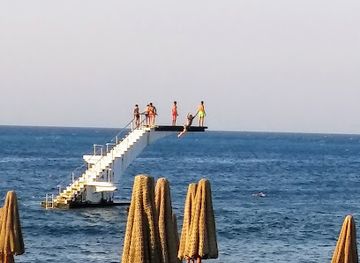
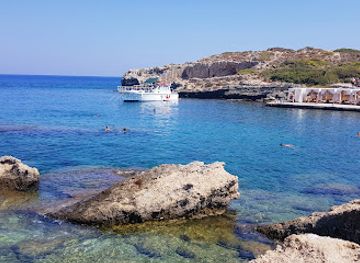
Elli Beach
Discover the enchanting beauty of Elli Beach in Rhodes, where golden sands meet turquoise waters for an unforgettable beach experience.


Best landmarks in Dodecanese
The medieval walls and gates of Rhodes Old Town are the Dodecanese’s most imposing historic landmark, enclosing the Street of the Knights and the Palace of the Grand Master in a remarkably coherent fortified city. The acropolis of Lindos occupies a dramatic limestone height above the village and sea, while the remains of ancient Kamiros preserve the plan of a once-important city. On Kos, the Asklepieion records the island’s ancient medical and religious importance, and the Neratzia Castle reflects the strategic role of the harbour during the Hospitaller period. Patmos is defined by the Monastery of Saint John the Theologian, whose fortress-like form dominates Chora, together with the Cave of the Apocalypse below it. Symi’s harbour is a landmark in its own right, lined with steeply rising neoclassical houses. Nisyros offers a geological landmark in the volcanic caldera near Nikia and Emporeios, while Leros retains distinctive Italian-era civic architecture around Lakki. The blue harbour of Kastellorizo and the island’s rugged sea caves provide a remote eastern counterpoint to the larger islands’ monumental sites.
-
Historical landmark
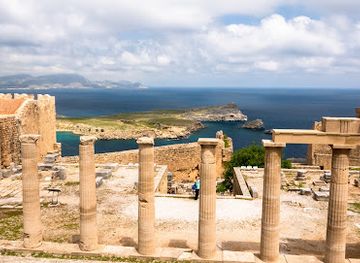
Lindos Acropolis
Explore the Acropolis of Lindos: a journey through Greek, Roman, Byzantine, and medieval history with breathtaking Aegean Sea views.
-
Historical landmark
Palace of the Grand Master of the Knights of Rhodes
Explore the Palace of the Grand Master, a majestic medieval castle in Rhodes Old Town, showcasing Gothic architecture and the legacy of the Knights Hospitaller.
-
Historical landmark
Medieval City of Rhodes
Explore the Medieval City of Rhodes: A UNESCO World Heritage site with rich history, stunning architecture, and vibrant local culture.
-
Historical landmark
Kallithea Springs
Discover the historic Kallithea Springs in Rhodes: a stunning blend of Art Deco architecture and therapeutic waters by the Aegean Sea.
Explore Dodecanese on the map
Plan your trip on one map. See where the top cities, national parks and sights are, and book hotels and experiences in a few clicks.
Best hotels in Dodecanese
Best restaurants in Dodecanese
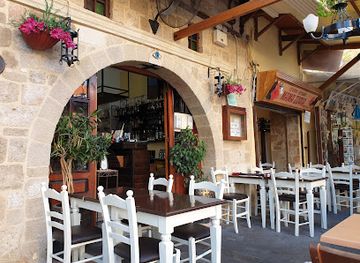
Dodecanese cooking reflects Greek island staples while allowing each community to retain its own accents. Menus commonly feature grilled fish, octopus, calamari, pulses, aubergine, courgette, wild greens, local cheeses, olives and dishes seasoned with herbs, lemon and olive oil. Rhodes is known for a broad range of tavernas, seafood restaurants and contemporary dining, while smaller islands generally favour family-run establishments serving the day’s catch and seasonal produce. Kalymnos has strong maritime food traditions, Kos combines agricultural products with a busy café and restaurant culture, and Nisyros is noted for robust home-style dishes using local beans, tomatoes and cheeses. Patmos offers tavernas alongside food connected with monastic and village traditions, while Karpathos retains distinctive regional recipes and pasta forms. Bakeries, waterfront cafés, village grills and farmers’ stalls are often as revealing as formal restaurants. Local honey, sweet preserves, wine and spirits may vary by island, so asking where ingredients were produced is part of understanding the region’s culinary geography.
-
Greek
Mama Sofia
Experience authentic Greek cuisine at Mama Sofia in Rhodes' charming Old Town - where tradition meets flavor!
-
Restaurant
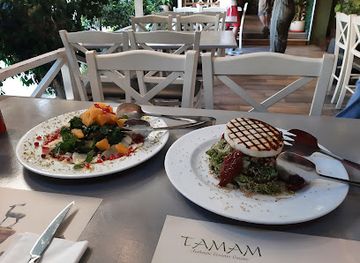
ΤΑΜΑΜ Restaurant
Experience authentic Greek cuisine at ΤΑΜΑΜ Restaurant in Rhodes – where flavor meets tradition in a warm and inviting atmosphere.
-
Greek
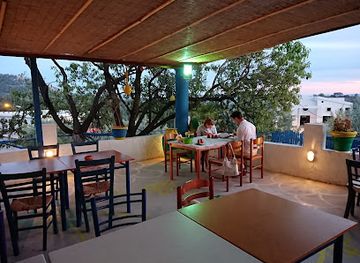
Mageirotechneio Taverna Paraga
Experience authentic Greek cuisine at Mageirotechneio Taverna Paraga in Apollona, where tradition meets flavor in every dish.
-
Restaurant
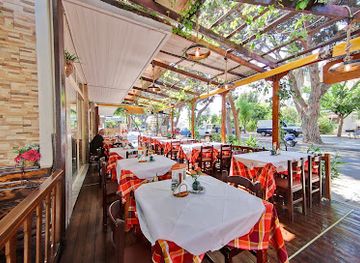
Hirodion
Discover delicious traditional Greek dishes at Hirodion in Kos - where authentic flavors meet warm hospitality.
Best bars in Dodecanese
Evening life in the Dodecanese ranges from lively resort entertainment to quiet harbour dining. Rhodes Town, Faliraki and parts of Lindos have the broadest selection of cocktail bars, music venues and late-night businesses, while Kos Town is known for a concentrated visitor-oriented nightlife scene alongside quieter cafés and waterfront restaurants. On Symi, Patmos, Leros, Kalymnos and Karpathos, evenings usually centre on tavernas, ouzeries, cafés, hotel bars and harbour promenades rather than large clubs. Smaller islands may have seasonal music and a handful of late venues, but opening patterns change from year to year. Traditional coffeehouses and village squares remain important social settings, particularly outside the peak season. Visitors should expect dinner to begin late by northern European standards, respect residential quiet in small settlements and remember that enjoying local nightlife does not require heavy drinking. Breweries, wine bars and occasional live-music venues add variety on the larger islands.
-
Bar
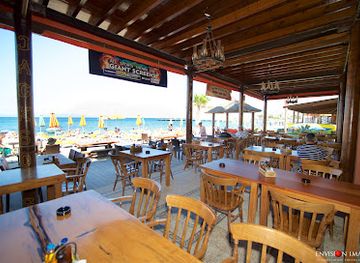
Mylos Beach Bar & Restaurant
Discover the perfect blend of relaxation and culinary delight at Mylos Beach Bar & Restaurant, where breathtaking views meet exquisite Mediterranean cuisine.
-
Bar
The Last Butler
Experience the charm of The Last Butler in Rhodes, where cozy ambiance meets exquisite cocktails and gourmet bites in a delightful bar setting.
-
Bar
Jacksons bar/pub/restaurant/beach/suites
Discover Jackson's Bar in Kos - A vibrant blend of dining, cocktails, and entertainment by the sea, perfect for your island getaway.
-
Cocktail bar
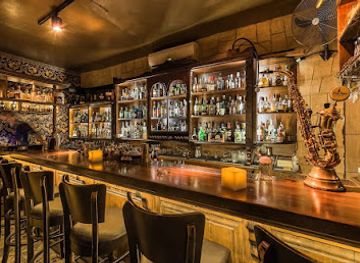
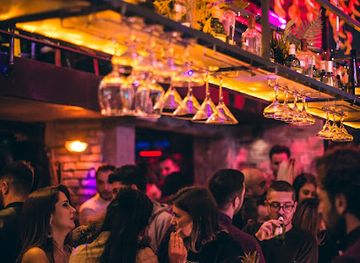
The Union cocktail Bar
Experience the vibrant nightlife of Rhodes at The Union Cocktail Bar - where innovative cocktails and a trendy atmosphere come together.

Best nightclubs in Dodecanese
Evening life in the Dodecanese ranges from lively resort entertainment to quiet harbour dining. Rhodes Town, Faliraki and parts of Lindos have the broadest selection of cocktail bars, music venues and late-night businesses, while Kos Town is known for a concentrated visitor-oriented nightlife scene alongside quieter cafés and waterfront restaurants. On Symi, Patmos, Leros, Kalymnos and Karpathos, evenings usually centre on tavernas, ouzeries, cafés, hotel bars and harbour promenades rather than large clubs. Smaller islands may have seasonal music and a handful of late venues, but opening patterns change from year to year. Traditional coffeehouses and village squares remain important social settings, particularly outside the peak season. Visitors should expect dinner to begin late by northern European standards, respect residential quiet in small settlements and remember that enjoying local nightlife does not require heavy drinking. Breweries, wine bars and occasional live-music venues add variety on the larger islands.
-
Bar
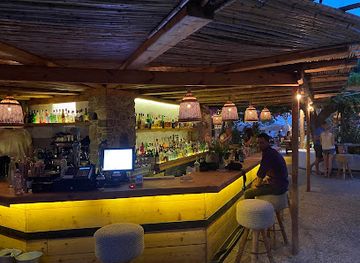
Mylos Beach Bar & Restaurant
Experience the best of coastal dining at Mylos Beach Bar & Restaurant in Kos, where great food meets stunning sea views.
-
Bar
Camel Bar
Experience the vibrant nightlife of Kos at Camel Bar, where excellent drinks and a lively atmosphere await every visitor.
-
Bar
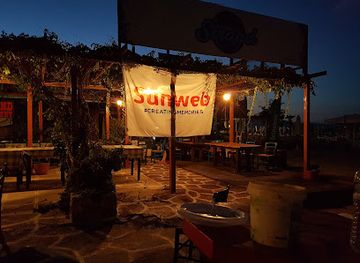
Strand Beach Club
Experience the vibrant atmosphere at Strand Beach Club in Kos, Greece, where delicious food meets stunning beach views for an unforgettable day.
-
Night club
Yolo club
Dance the night away at Yolo Club in Faliraki, a premier nightlife destination known for its electrifying atmosphere and unforgettable experiences.


Best shops in Dodecanese
Shopping in the Dodecanese is shaped more by island produce, craft and market-town streets than by large retail centres. Rhodes Town has the region’s broadest selection, from modern shops and galleries to stores selling ceramics, leather goods, jewellery, embroidered textiles and food products, while Lindos focuses more heavily on seasonal visitor retail. Kos Town combines international brands with small shops offering local honey, herbs, olive oil, wine and traditional sweets. On smaller islands, waterfront lanes and village squares are the places to look for handmade ceramics, woven goods, religious items, artworks and locally produced preserves. Symi is associated with distinctive neoclassical surroundings and small galleries, Patmos with books, icons and religious art, and Karpathos with textile and craft traditions. Markets and farm shops are useful for island cheeses, honey, dried herbs, capers and sweets, although availability depends on the season. Compare provenance carefully and favour products labelled as locally made rather than assuming every souvenir reflects Dodecanese culture.
-
Shopping mall
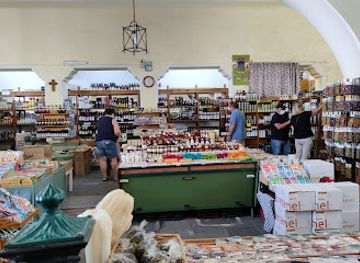
Kos Municipal Market
Explore Kos Municipal Market: A vibrant shopping haven showcasing local produce, artisanal goods, and authentic Greek flavors in the heart of Kos.
-
Market
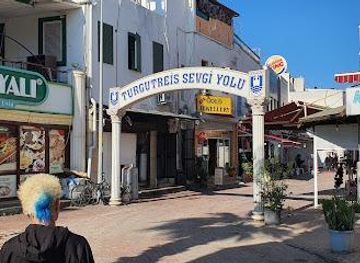
Turgutreis Market
Experience the vibrant Turgutreis Market in Bodrum, where local flavors, crafts, and culture come together in a lively atmosphere.
-
Department store
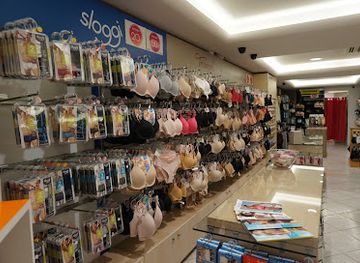
Hondos Center
Explore Hondos Center in Kos for a diverse shopping experience featuring fashion, beauty, and home essentials in a vibrant atmosphere.
-
Pottery store
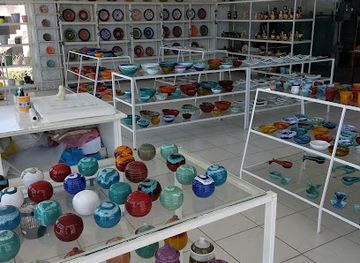
Elafos Ceramic Factory
Explore the Elafos Ceramic Factory in Rhodes, where traditional craftsmanship meets modern artistry in exquisite pottery creations.
Get your free copy of our complete guide to Dodecanese, delivered straight to you.
Everything on this page, from attractions and restaurants to essentials and local phrases, in one PDF you can read offline, print or share.
Already have an account? Sign in
Your Dodecanese guide is ready.
We'll send it to · Not you? Sign out

Getting your guide ready…
We are putting together a fresh copy of the Dodecanese guide. This can take up to a minute.
This can take a few moments. If your browser asks, choose Allow so the download can start. You'll find the guide in your Downloads folder.
Nothing happened? Download it again
Sorry, the guide is taking longer than usual. Please try again in a minute, or get it by email instead.
Dodecanese essentials
Currency and Payment
Safety
Emergency Situations
Do's and Don'ts
Local Tips
From Eve
Local phrases worth knowing
You don't need to get them perfect. A few words go a long way, and locals appreciate the effort.
Basics
| English | Local | Say it |
|---|---|---|
| Hello | Γειά σου | [Yia sou] |
| Goodbye | Αντίο | [Adio] |
| Yes | Ναι | [Ne] |
| No | Όχι | [Ochi] |
| Please/You're welcome | Παρακαλώ | [Parakalo] |
| Thank you | Ευχαριστώ | [Efharisto] |
| Excuse me/Sorry | Συγγνώμη | [Signomi] |
| How are you? | Πώς είσαι; | [Pos ise?] |
| Fine. And you? | Καλά. Εσύ; | [Kala. Esy?] |
| Do you speak English? | Μιλάς Αγγλικά; | [Milas Anglika?] |
| I don't understand | Δεν καταλαβαίνω | [Den katalaveno] |
Eating & Drinking
| English | Local | Say it |
|---|---|---|
| I'd like to see the menu, please | Θα ήθελα να δω το μενού, παρακαλώ | [Tha ithela na do to menu, parakalo] |
| I don't eat meat | Δεν τρώω κρέας | [Den troo kreas] |
| Cheers! | Γεια μας! | [Yia mas!] |
| I would like to pay, please | Θα ήθελα να πληρώσω, παρακαλώ | [Tha ithela na pliroso, parakalo] |
Emergencies
| English | Local | Say it |
|---|---|---|
| Help! | Βοήθεια! | [Voitheia!] |
| Go away! | Φύγε! | [Fyge!] |
| Call the Police! | Καλέστε την Αστυνομία! | [Kaleste tin Astynomia!] |
| Call a doctor! | Καλέστε έναν γιατρό! | [Kaleste enan giatro!] |
| I'm lost | Είμαι χαμένος | [Ime chamenos] |
| I'm ill | Είμαι άρρωστος | [Ime arrostos] |
Shopping
| English | Local | Say it |
|---|---|---|
| I'd like to buy... | Θα ήθελα να αγοράσω... | [Tha ithela na agoraso...] |
| I'm just looking | Απλώς κοιτάω | [Aplos kitao] |
| How much is it? | Πόσο κοστίζει; | [Poso kostizi?] |
| That's too expensive | Είναι πολύ ακριβό | [Ine poly akrivo] |
| Can you lower the price? | Μπορείς να χαμηλώσεις την τιμή; | [Boreis na chamilosis tin timi?] |
Time & Numbers
| English | Local | Say it |
|---|---|---|
| What time is it? | Τι ώρα είναι; | [Ti ora ine?] |
| It's one o'clock | Είναι μία | [Ine mia] |
| Half past (10) | Δέκα και μισή | [Deka ke misi] |
| Morning | Πρωί | [Proi] |
| Afternoon | Απόγευμα | [Apogevma] |
| Evening | Βράδυ | [Vradi] |
| Yesterday | Χθες | [Chthes] |
| Today | Σήμερα | [Simera] |
| Tomorrow | Αύριο | [Avrio] |
| 1 | 1 | [1] |
| 2 | 2 | [2] |
| 3 | 3 | [3] |
| 4 | 4 | [4] |
| 5 | 5 | [5] |
| 6 | 6 | [6] |
| 7 | 7 | [7] |
| 8 | 8 | [8] |
| 9 | 9 | [9] |
| 10 | 10 | [10] |
Transport & Directions
| English | Local | Say it |
|---|---|---|
| Where's a/the...? | Πού είναι ένα/το...; | [Pou ine ena/to...?] |
| What's the address? | Ποια είναι η διεύθυνση; | [Poia ine i diefthinsi?] |
| Can you show me (on the map)? | Μπορείς να μου δείξεις (στο χάρτη); | [Boreis na mou deikseis (sto charti)?] |
| When's the next (bus)? | Πότε είναι το επόμενο (λεωφορείο); | [Pote ine to epomeno (leoforeio)?] |
| A ticket (to ....) | Ένα εισιτήριο (για....) | [Ena isitirio (gia....)] |
History of Dodecanese
Bronze Age Seafaring and Early Settlements
The islands were occupied and connected through Aegean maritime networks long before classical Greece. Archaeological evidence from Rhodes, Kos, Karpathos and other islands records communities engaged in farming, craft production and seaborne exchange during the Bronze Age. Minoan and Mycenaean influences reached parts of the archipelago, while local cultures remained linked to the wider eastern Mediterranean. Their position between mainland Greece, Crete and Anatolia made the islands important passages for people, goods and ideas, a role that continued throughout later history.
Classical Rhodes, Kos and the Aegean Powers
In the classical period, Rhodes developed through the three cities of Lindos, Ialysos and Kamiros before their political unification in 408 BC at the city of Rhodes. Kos became known for its sanctuary of Asklepios and for the medical tradition associated with Hippocrates, although the surviving ancient landscape reflects many centuries of development. The islands moved through the influence of Athens, Sparta, Persia and other regional powers, while their ports and fleets supported trade across the eastern Aegean.
Hellenistic and Roman Transformation
The Hellenistic age brought monumental building, intensified trade and close connections with the kingdoms that emerged after Alexander the Great. Rhodes became a major maritime and commercial power, and its city was celebrated for its harbour, laws and artistic production. Roman rule later incorporated the islands into a broader imperial system, encouraging the construction of roads, baths, theatres and public buildings. The archaeological remains at Rhodes, Kos and Lindos show how Greek civic traditions were adapted within Hellenistic and Roman political structures.
Byzantine Christianity and Medieval Fortifications
After the division of the Roman world, the islands became part of the Byzantine sphere and Christianity shaped their religious and architectural heritage. Basilicas, monasteries and fortified settlements appeared amid repeated threats from raiders and rival powers. Patmos acquired exceptional significance after the foundation of the Monastery of Saint John in the eleventh century, while castles and defensive sites elsewhere reflect the insecurity of medieval Aegean routes. Byzantine traditions remain visible in churches, icons, religious festivals and the settlement patterns of several islands.
The Knights of Saint John in Rhodes, 1309–1522
The Knights Hospitaller established their headquarters on Rhodes in 1309 and transformed the island’s principal city into a heavily fortified seat of power. Their walls, gates, Street of the Knights, Palace of the Grand Master and harbour defences remain the most substantial medieval urban legacy in the Dodecanese. The order also strengthened fortifications on other islands and controlled important maritime routes. Ottoman forces captured Rhodes in 1522 after a major siege, bringing the Hospitaller period to an end while leaving an enduring architectural imprint.
Ottoman Rule and Island Maritime Economies
Following the Ottoman conquest of Rhodes, the Dodecanese became part of the Ottoman Empire, although island communities retained varied local institutions, religious foundations and commercial connections. Maritime trade, fishing, agriculture and small-scale crafts remained central to island economies. Kalymnos became particularly associated with sponge diving, a demanding occupation that connected its sailors and merchants with ports across the Mediterranean. Ottoman-era mosques, baths, houses and administrative remains survive alongside older Greek and medieval buildings in several island settlements.
Italian Administration, 1912–1943
Italy occupied the Dodecanese during the Italo-Turkish War in 1912 and later administered the islands as a colonial possession. Italian planners reshaped parts of Rhodes, Kos and Leros with roads, public buildings, ports and new settlements, leaving especially visible architectural traces in Kos Town and Leros. The period also brought archaeological restoration and attempts to control local institutions. Italian rule ended during the Second World War, after which the islands passed through German occupation and a short British administration.
Union with Greece and the Modern Tourist Era
The Dodecanese were formally transferred to Greece in 1947, completing the political integration of the islands with the modern Greek state. Post-war development brought improved roads, ports, electricity and air links, followed by rapid growth in tourism, especially on Rhodes and Kos. Other islands retained smaller-scale economies based on fishing, agriculture, shipping and seasonal visitors. Contemporary life therefore combines major resort infrastructure with communities where religious festivals, village architecture, traditional food and maritime occupations continue to influence local identity.
Dodecanese in Photos
Browse through our photo collection highlighting the charm and character of the destination.
Neighbouring regions of Dodecanese
The closest regions to Dodecanese, if you have time for more than one.
-

-
-

-

-


Swipe for more regions
Explore more
Explore more of Greece
Discover Greece: A land where ancient history meets modern vibrancy, offering stunning islands, crystal-clear seas, and unforgettable cultural experiences.
Explore Greece