

Lion Gate Travel Guide
Free Guide: Step through the Lion Gate and into the heart of Mycenae, where ancient legends and architectural marvels await.


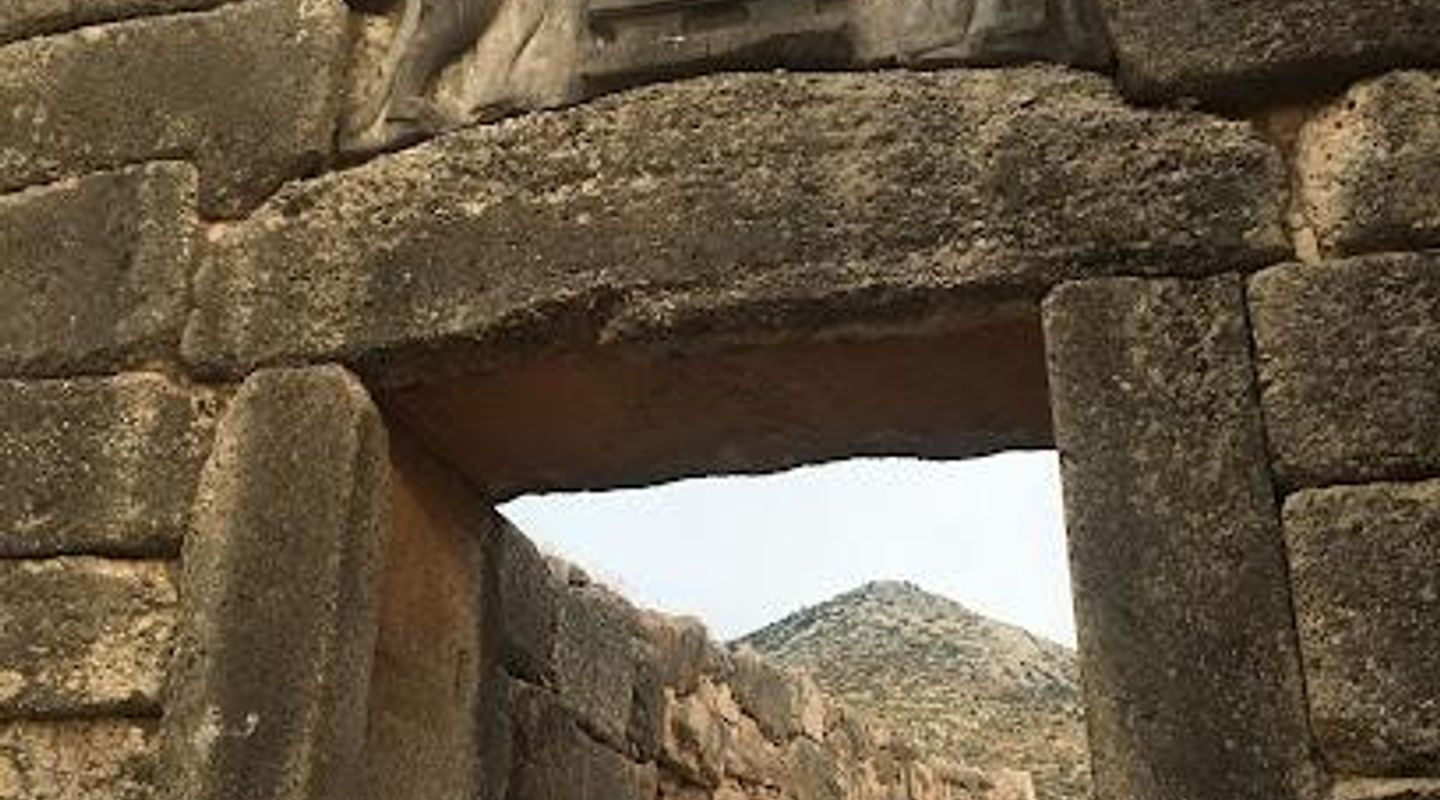
A brief summary of Lion Gate
Step through the Lion Gate and into the heart of Mycenae, where ancient legends and architectural marvels await.
The Lion Gate, constructed around 1250 BCE, is the main entrance to the ancient citadel of Mycenae in Greece. Named for the imposing sculpture of two lionesses above the entrance, it stands as a symbol of Mycenaean power and architectural prowess.
- Address
- Mykines 212 00
Getting there
Walking
Taxi
Discover more about Lion Gate
Overview
The Lion Gate is the primary entrance to the Bronze Age citadel of Mycenae, a powerful center of the Mycenaean civilization. Erected around 1250 BCE, the gate is named for the iconic relief sculpture featuring two lionesses in a heraldic pose. These lionesses flank a central column, which is believed to symbolize divine or royal authority.The gate itself is a monumental example of Mycenaean architecture, constructed with massive limestone blocks so large that ancient Greeks believed they were placed by Cyclopes. This type of construction is known as Cyclopean masonry. The Lion Gate is not only a defensive structure but also a statement of power, designed to impress both subjects and foreigners. The gate is the only surviving monumental piece of Mycenaean sculpture and the largest surviving sculpture from the Bronze Age Aegean.Over the centuries, the Lion Gate has remained a visible testament to Mycenae's enduring legacy. It was mentioned by the ancient geographer Pausanias in the 2nd century AD. The gate continues to inspire awe and curiosity, connecting modern visitors to a civilization that thrived over 3,000 years ago.
Evendo Review Centre
 Google
Guest reviews
Explore Lion Gate on the map
A handpicked selection of must-see spots near Lion Gate, mapped for you.
Get your free copy of our complete guide to Lion Gate, delivered straight to you.
Everything on this page, from opening hours and how to get there to Eve’s tips and the best time to go, in one PDF you can read offline, print or share.
Already have an account? Sign in
Your Lion Gate guide is ready.
We'll send it to · Not you? Sign out

Getting your guide ready…
We are putting together a fresh copy of the Lion Gate guide. This can take up to a minute.
This can take a few moments. If your browser asks, choose Allow so the download can start. You'll find the guide in your Downloads folder.
Nothing happened? Download it again
Sorry, the guide is taking longer than usual. Please try again in a minute, or get it by email instead.
Unlock the best of Lion Gate
Skip-the-line tickets, guided tours with entry, and walking tours of the area, booked in a few clicks.


Other nearby places you may find interesting
The closest places of the same kind, if this one is not quite what you had in mind.
-
-
-
-
-


Swipe for more places
More to explore near Lion Gate

 Best experiences near Lion Gate
 Best hotels near Lion Gate
 Best landmarks near Lion Gate
 Best attractions near Lion Gate
 Best shops near Lion Gate
 Best restaurants near Lion Gate
 Best bars near Lion Gate
Do you manage this location?
Take control to get all the benefits, like improved information, better appearance, and stronger visibility across AI-powered discovery.
Explore more

Explore more of Peloponnese
Discover Peloponnese, Greece's enchanting peninsula rich in ancient history, diverse landscapes, and vibrant culinary traditions.
Explore Peloponnese
Explore more of Greece
Discover Greece: A land where ancient history meets modern vibrancy, offering stunning islands, crystal-clear seas, and unforgettable cultural experiences.
Explore Greece
