

Free Peloponnese Travel Guide & Mobile App
Explore Peloponnese with free travel guides. Discover regional history, expert tips, proposed trips, and audio guides on web or mobile app.


Explore the Peloponnese for ancient sanctuaries, fortified towns, mountain villages, olive groves and varied Greek coastlines.
Read more about Peloponnese
When is the best time to visit Peloponnese?
Best: May–June, October · 24–30°C| Month | High (°C) | Rainfall (mm) |
|---|---|---|
| January | 14 | 70 |
| February | 14 | 60 |
| March | 17 | 50 |
| April | 20 | 40 |
| May (best) | 25 | 30 |
| June (best) | 30 | 15 |
| July | 33 | 10 |
| August | 33 | 15 |
| September | 30 | 30 |
| October (best) | 24 | 40 |
| November | 18 | 50 |
| December | 14 | 60 |
Getting to and around Peloponnese
How to get there
Transportation
Top city travel guides in Peloponnese
The cities of Peloponnese, and the easiest places to base yourself.
-

-

-

-
-

-


Swipe for more cities
Destinations in Peloponnese
Resorts, valleys and scenic spots worth a trip of their own.
-

-

-


Swipe for more destinations
Best attractions in Peloponnese
The Peloponnese offers an unusually broad range of attractions, beginning with major archaeological sites such as Mycenae, Ancient Corinth, Epidaurus, Olympia, Ancient Messene and Nemea. Their scale and setting vary considerably, from sanctuaries in open valleys to fortified citadels above modern towns. Medieval and early modern heritage is equally prominent at Mystras, Monemvasia, Nafplio, Methoni and Koroni, where churches, stone lanes and defensive works reveal the peninsula's Byzantine, Frankish, Venetian and Ottoman past. Outdoor attractions include the Taygetos and Mainalo mountains, the Vouraikos gorge, the wetlands around the Kaiafas area and long stretches of Ionian, Messinian, Laconian and Argolic coastline. Beaches range from developed resort shores to quieter coves reached by winding roads or short walks. Wine estates in Nemea, olive-growing landscapes around Kalamata and Messenia, and traditional villages in Arcadia provide cultural experiences beyond the principal monuments. Walking, swimming, sailing, canyoning and scenic rail travel are possible in different districts, but distances and seasonal conditions make regional planning important.
-
Historical landmark
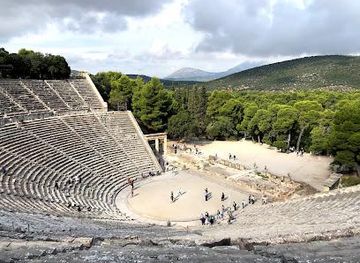
Ancient Theatre at the Asklepieion of Epidaurus
Explore the Ancient Theatre of Epidaurus, a UNESCO World Heritage Site, where history, culture, and stunning architecture come together in a breathtaking experience.
-
Archaeological site
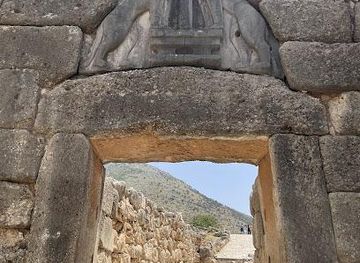
Archaeological site of Mycenae
Explore the Archaeological Site of Mycenae, where ancient history and breathtaking landscapes merge in Greece's iconic landmark.
-
Historical landmark
Archaeological Site of the Sanctuary of Asclepius at Epidaurus
Explore the breathtaking ruins of the Sanctuary of Asclepius at Epidaurus, a premier destination for history enthusiasts and lovers of ancient architecture.
-
Archaeological site
Archaeological site of Mystra
Explore the captivating ruins of the Archaeological Site of Mystra, a UNESCO World Heritage site showcasing Byzantine history and breathtaking views.


Best landmarks in Peloponnese
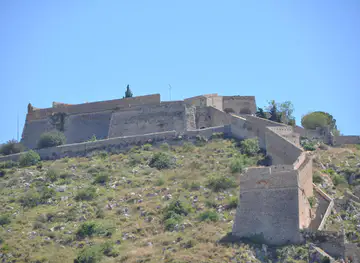
The Corinth Canal, cut through the Isthmus, is one of the Peloponnese's most recognisable modern engineering landmarks and marks the peninsula's northern gateway. At Mycenae, the Lion Gate and massive citadel walls embody the power of Bronze Age Greece, while the Sanctuary of Asklepios at Epidaurus is distinguished by its theatre and carefully planned sacred landscape. Olympia's stadium and sanctuary remain powerful symbols of the ancient athletic tradition. In Laconia, the hilltop ruins of Mystras preserve an exceptional late Byzantine urban and religious ensemble, and the rock of Monemvasia carries a fortified medieval town above the sea. The Palamidi fortress dominates Nafplio from its limestone height, while the Bourtzi fortress stands in the harbour below. Further south, the stark stone towers and coastal strongholds of the Mani express a distinctive defensive tradition. Ancient Messene's walls and monumental buildings, together with the mountains of Taygetos and the long arc of Voidokilia Bay, add geographical and archaeological landmarks to the peninsula's architectural inheritance.
-
Historical landmark
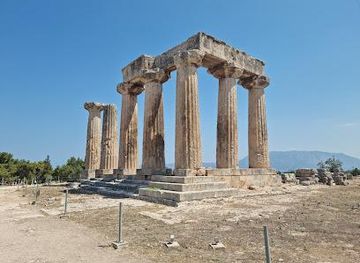
Ancient Corinth
Uncover the captivating ruins of Ancient Corinth, where Greek and Roman history intertwine on the strategic Isthmus.
-
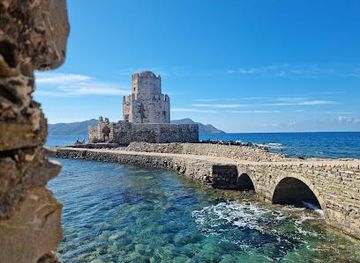
Castle
Methoni Castle
Explore the majestic Methoni Castle, a historic Venetian fortress offering stunning views and a journey through centuries of Greek history.
-
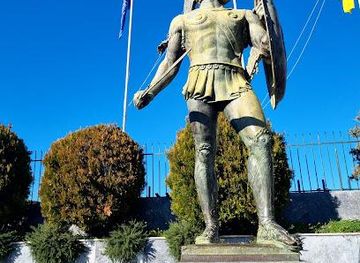
Historical landmark
Statue of Leonidas
A powerful tribute to the Spartan king, Leonidas, embodying the courage and sacrifice of ancient Sparta, a must-see landmark in the city.
-
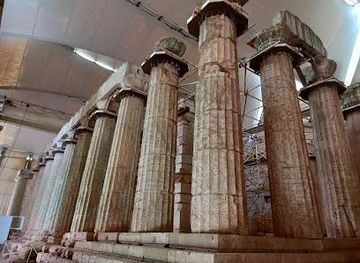
Historical landmark
Temple of Apollo Epicurius at Bassae of Phigaleia
Discover the Temple of Apollo Epicurius, a UNESCO World Heritage Site showcasing architectural brilliance in the remote Arcadian mountains.
Explore Peloponnese on the map
Plan your trip on one map. See where the top cities, national parks and sights are, and book hotels and experiences in a few clicks.
Best hotels in Peloponnese
Best restaurants in Peloponnese
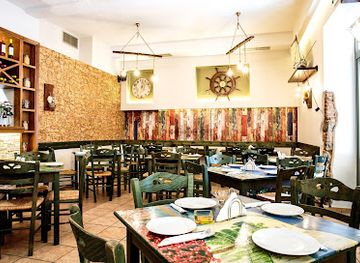
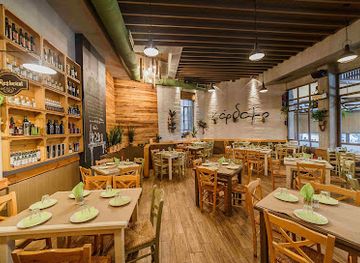
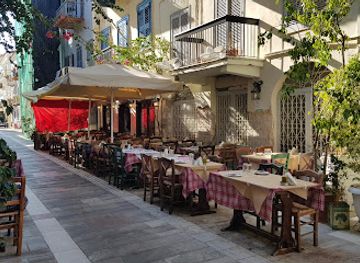
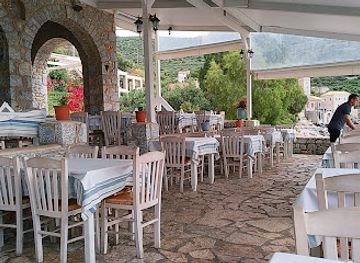
Peloponnesian cooking is grounded in olive oil, vegetables, pulses, herbs, citrus, grilled meats, local cheeses and the day's catch. Messenia is strongly associated with olive cultivation, Kalamata olives and dishes enriched with high-quality oil, while the coastal towns of Argolis, Laconia and the Mani offer fish, octopus and shellfish alongside simple taverna cooking. Mountain areas favour hearty stews, game where available, handmade pasta, pies, yoghurt and cheeses, and the Mani is known for preserved pork products such as syglino. Nemea is an important wine area, especially for the Agiorgitiko grape, and local wineries provide a useful introduction to regional production. Markets and village shops are good places to find honey, figs, oranges, herbs, olives and dried goods. Dining ranges from family-run tavernas and bakery cafés to contemporary restaurants in Nafplio, Kalamata and other larger towns; service is often unhurried, particularly at lunch.
-
Greek
Pidalio Tavern
Discover authentic Greek flavors at Pidalio Tavern in Nafplio - where tradition meets taste in a welcoming atmosphere.
-
Greek
Kardamo
Discover authentic Greek flavors at Kardamo in Kalamata - where tradition meets culinary excellence.
-
Restaurant
Aiolos Tavern - Αίολος ταβέρνα
Savor traditional Greek flavors at Aiolos Tavern in Nafplio – where authentic cuisine meets warm hospitality.
-
Greek
Kourmas
Experience authentic Greek cuisine at Kourmas in Limeni with stunning sea views and a warm atmosphere.
Best bars in Peloponnese
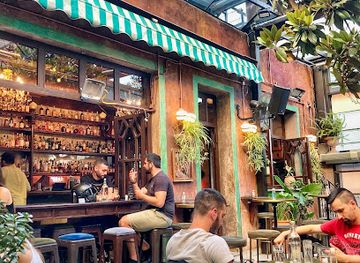
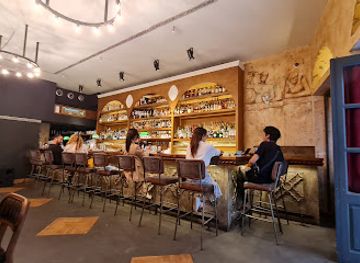
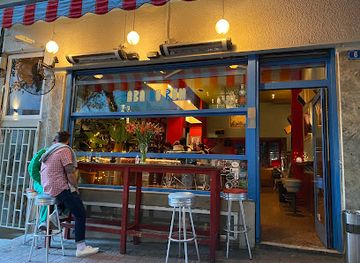
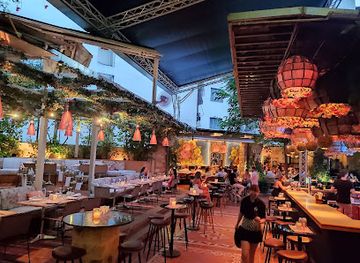
Evening life in the Peloponnese is shaped more by cafés, tavernas, wine bars and traditional ouzeries than by a continuous nightclub scene. Nafplio has the greatest concentration of late-opening cafés and bars in its historic centre, while Kalamata combines seafront venues with restaurants, music bars and a more substantial year-round urban evening culture. Patras, on the northern edge of the geographical peninsula, has a particularly active student and entertainment scene, but it is a separate city rather than a representative rural Peloponnese experience. In resort towns, nightlife becomes busier in summer and often centres on waterfront dining and seasonal music venues. Mountain villages tend towards quiet squares, local spirits and tavernas, with occasional live music. Closing times and seasonal opening patterns vary, so smaller communities are best approached as places for a relaxed meal and conversation rather than an organised club circuit.
-
Cocktail bar
Upupa Epops
Experience the vibrant cocktail culture of Athens at Upupa Epops, a unique bar renowned for its creative mixology and lively atmosphere.
-
Bar
The Clumsies
Experience Athens' top cocktail bar, The Clumsies, where creativity meets exceptional service and unforgettable flavors.
-
Cocktail bar
Baba au Rum
Discover Athens' premier cocktail bar, Baba au Rum, where innovative drinks and a vibrant atmosphere create unforgettable nights.
-
Bar
Balthazar
Experience exquisite Mediterranean flavors and vibrant cocktails at Balthazar, Athens' premier bar and restaurant destination.
Best nightclubs in Peloponnese
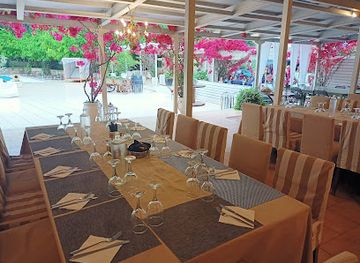
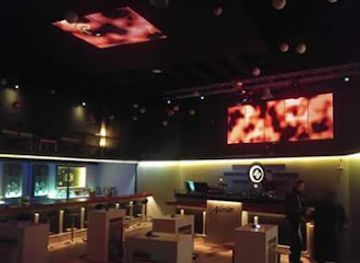
Evening life in the Peloponnese is shaped more by cafés, tavernas, wine bars and traditional ouzeries than by a continuous nightclub scene. Nafplio has the greatest concentration of late-opening cafés and bars in its historic centre, while Kalamata combines seafront venues with restaurants, music bars and a more substantial year-round urban evening culture. Patras, on the northern edge of the geographical peninsula, has a particularly active student and entertainment scene, but it is a separate city rather than a representative rural Peloponnese experience. In resort towns, nightlife becomes busier in summer and often centres on waterfront dining and seasonal music venues. Mountain villages tend towards quiet squares, local spirits and tavernas, with occasional live music. Closing times and seasonal opening patterns vary, so smaller communities are best approached as places for a relaxed meal and conversation rather than an organised club circuit.
-
Restaurant
Touris Club
Experience the authentic flavors of Greece at Touris Club in Chalkoutsi, where culinary tradition meets a vibrant atmosphere.
-
Disco club
Noiz Club
Discover the vibrant nightlife at Noiz Club in Megalopolis, where electrifying beats and exciting ambiance await every night.
-
Disco club
Monroe NightClub
Discover the vibrant nightlife at Monroe NightClub, where music and dancing come together in the heart of Kalamata's nightlife scene.
-
Disco club
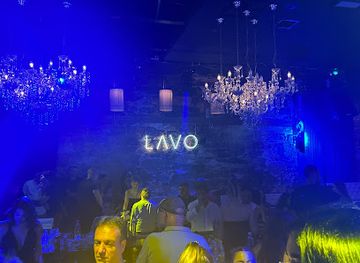
LAVO Clubbing Your Life
Dive into the lively nightlife of Kalamata at LAVO Clubbing Your Life, where electrifying music and vibrant crowds create unforgettable memories.
Best shops in Peloponnese
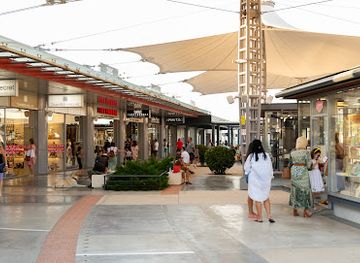
Shopping in the Peloponnese is usually local and food-led rather than centred on large retail districts. Nafplio offers independent shops, galleries, jewellery and craft businesses in its historic streets, while Kalamata has a broader urban selection alongside shops selling Messenian olive oil, olives, dried figs, honey and herbs. Market towns such as Tripoli, Sparta, Corinth and Argos are useful for ordinary provisions, seasonal produce and regional specialities, with weekly markets varying by town and day. In wine-producing Nemea, visitors can buy bottles directly from established producers, while villages and roadside shops often sell cheeses, preserves and handmade pasta. The Mani is known for stonework, woven goods and local food products, although quality and availability differ between businesses. Pottery, icons, leather goods and small artworks appear in tourist centres, but buyers should look for clear information about materials and origin. Larger supermarkets are practical for picnic supplies, while independent food shops provide more distinctive souvenirs.
-
Shopping mall
Mare West
Discover shopping, dining, and family fun at Mare West, the ultimate shopping mall experience in Corinth, Greece.
-
Toy store
JUMBO Τρίπολη
Discover a magical realm of toys at JUMBO Tripoli, where fun and learning come together for children of all ages.
-
Jewelry store
BADOUNAS jewelry
Explore exquisite jewelry and unique craftsmanship at BADOUNAS in Tripoli, a must-visit for discerning tourists seeking quality pieces.
-
Fishing store
Alieus Online
Explore Alieus Online in Tripoli, your go-to destination for all fishing gear and expert advice in Greece's vibrant fishing community.

Get your free copy of our complete guide to Peloponnese, delivered straight to you.
Everything on this page, from attractions and restaurants to essentials and local phrases, in one PDF you can read offline, print or share.
Already have an account? Sign in
Your Peloponnese guide is ready.
We'll send it to · Not you? Sign out

Getting your guide ready…
We are putting together a fresh copy of the Peloponnese guide. This can take up to a minute.
This can take a few moments. If your browser asks, choose Allow so the download can start. You'll find the guide in your Downloads folder.
Nothing happened? Download it again
Sorry, the guide is taking longer than usual. Please try again in a minute, or get it by email instead.
Peloponnese essentials
Currency and Payment
Safety
Emergency Situations
Do's and Don'ts
Local Tips
From Eve
Local phrases worth knowing
You don't need to get them perfect. A few words go a long way, and locals appreciate the effort.
Basics
| English | Local | Say it |
|---|---|---|
| Hello | Γειά σου | [Yia sou] |
| Goodbye | Αντίο | [Adío] |
| Yes | Ναι | [Ne] |
| No | Όχι | [Óchi] |
| Please/You're welcome | Παρακαλώ | [Parakaló] |
| Thank you | Ευχαριστώ | [Efcharistó] |
| Excuse me/Sorry | Συγγνώμη | [Signómi] |
| How are you? | Τι κάνεις; | [Ti káneis?] |
| Fine. And you? | Καλά. Εσύ; | [Kalá. Esý?] |
| Do you speak English? | Μιλάς αγγλικά; | [Milás angliká?] |
| I don't understand | Δεν καταλαβαίνω | [Den katalavéno] |
Eating & Drinking
| English | Local | Say it |
|---|---|---|
| I'd like to see the menu, please | Θα ήθελα να δω το μενού, παρακαλώ | [Tha íthela na do to menó, parakaló] |
| I don't eat meat | Δεν τρώω κρέας | [Den tróo kréas] |
| Cheers! | Στην υγειά μας! | [Stin ygeiá mas!] |
| I would like to pay, please | Θα ήθελα να πληρώσω, παρακαλώ | [Tha íthela na pliróso, parakaló] |
Emergencies
| English | Local | Say it |
|---|---|---|
| Help! | Βοήθεια! | [Voítheia!] |
| Go away! | Φύγε! | [Fýge!] |
| Call the Police! | Καλέστε την Αστυνομία! | [Kaléste tin Astynomía!] |
| Call a doctor! | Καλέστε έναν γιατρό! | [Kaléste énan giatró!] |
| I'm lost | Είμαι χαμένος | [Eímai chaménos] |
| I'm ill | Είμαι άρρωστος | [Eímai árrostos] |
Shopping
| English | Local | Say it |
|---|---|---|
| I'd like to buy... | Θα ήθελα να αγοράσω... | [Tha íthela na agoráso...] |
| I'm just looking | Απλώς κοιτάω | [Aplós kitáo] |
| How much is it? | Πόσο κοστίζει; | [Póso kostízei?] |
| That's too expensive | Αυτό είναι πολύ ακριβό | [Aftó eínai polý akrivó] |
| Can you lower the price? | Μπορείς να κατεβάσεις την τιμή; | [Borís na katevásis tin timí?] |
Time & Numbers
| English | Local | Say it |
|---|---|---|
| What time is it? | Τι ώρα είναι; | [Ti óra eínai?] |
| It's one o'clock | Είναι μία η ώρα | [Eínai mía i óra] |
| Half past (10) | Δέκα και μισή | [Déka kai misí] |
| Morning | Πρωί | [Proí] |
| Afternoon | Απόγευμα | [Apógevma] |
| Evening | Βράδυ | [Vrády] |
| Yesterday | Χθες | [Chthes] |
| Today | Σήμερα | [Símera] |
| Tomorrow | Αύριο | [Ávrio] |
| 1 | 1 | [1] |
| 2 | 2 | [2] |
| 3 | 3 | [3] |
| 4 | 4 | [4] |
| 5 | 5 | [5] |
| 6 | 6 | [6] |
| 7 | 7 | [7] |
| 8 | 8 | [8] |
| 9 | 9 | [9] |
| 10 | 10 | [10] |
Transport & Directions
| English | Local | Say it |
|---|---|---|
| Where's a/the...? | Πού είναι το...; | [Poú eínai to...?] |
| What's the address? | Ποια είναι η διεύθυνση; | [Poia eínai i diefthýnsi?] |
| Can you show me (on the map)? | Μπορείς να μου δείξεις (στο χάρτη); | [Borís na mou deíxeis (sto chárti)?] |
| When's the next (bus)? | Πότε είναι το επόμενο (λεωφορείο); | [Póte eínai to epómeno (leoforío)?] |
| A ticket (to ....) | Ένα εισιτήριο (για ...) | [Éna eisitírio (gia ...)] |
History of Peloponnese
Neolithic and Bronze Age Peloponnese
The Peloponnese has been inhabited since prehistoric times, with early farming communities leaving traces in caves, settlements and burial sites. During the Late Bronze Age, Mycenae in Argolis became the centre of a powerful palace society whose influence extended across much of the Aegean. The citadel's massive Cyclopean walls, monumental Lion Gate and royal burial circles reveal a hierarchical culture engaged in trade, warfare and administration. Tiryns and other fortified centres form part of the same wider Mycenaean world. Their remains shaped later Greek ideas about heroic kings and helped make the peninsula central to the mythology associated with the Trojan War.
Archaic and Classical City-States
From the eighth to the fourth centuries BCE, the Peloponnese was divided among influential poleis, including Corinth, Argos, Sparta, Elis and the communities of Achaea. Corinth prospered through agriculture, craft production and its position beside the isthmus, while Sparta developed a highly disciplined social and military system in Laconia. Religious sanctuaries gave the region a wider importance: Olympia hosted the pan-Hellenic Olympic Games, and Epidaurus became a major centre of the cult of Asclepius, the healing god. Rivalries among Peloponnesian cities also contributed to the conflicts that shaped classical Greek history.
Macedonian, Hellenistic and Roman Rule
After the rise of Macedon and the campaigns of Alexander's successors, the Peloponnese entered a more interconnected Hellenistic political world. The Achaean League attempted to unite several cities, but Roman intervention eventually brought the peninsula under Roman control in the second century BCE. Corinth was destroyed in 146 BCE and later refounded as a Roman colony by Julius Caesar. Under Rome, roads, ports, theatres and public buildings expanded, and cities such as Corinth and Patras became important centres of administration and commerce. Roman influence remains especially evident at Ancient Corinth and in the architectural remains of several sanctuary complexes.
Byzantine Rule and the Despotate of Morea
Following the division of the Roman Empire, the Peloponnese became part of the Byzantine world, though its cities and countryside experienced periods of disruption, migration and changing settlement. After the Fourth Crusade, Frankish rulers established the Principality of Achaea, leaving castles and fortified settlements across the peninsula. Byzantine power later revived around Mystras, which became the capital of the Despotate of the Morea in the fourteenth and fifteenth centuries. Its churches, palaces and monasteries preserve a sophisticated late Byzantine artistic tradition. The Ottoman conquest of the mid-fifteenth century ended Byzantine rule in the Peloponnese.
Venetians, Ottomans and Fortified Ports
The peninsula's strategic position made it a repeated focus of conflict between Ottoman and Venetian powers. Nafplio, Monemvasia, Methoni, Koroni and other ports changed hands or were fortified during successive wars. Venetian architecture, harbour works and bastions remain visible beside Ottoman and Byzantine remains, particularly in the old quarters of Nafplio and the fortress landscapes of the south-western coast. Ottoman administration lasted for long periods but was interrupted by Venetian reconquest, including the late seventeenth-century Morean War. These layered occupations explain the unusually varied defensive architecture found across the Peloponnese.
The Greek War of Independence
The Peloponnese was the principal starting ground of the Greek War of Independence against Ottoman rule in 1821. Fighting and political organisation centred on towns such as Kalamata, Tripoli and Nafplio, while local military leaders from Mani and other districts played important roles. The siege and capture of Tripoli had major consequences for the revolutionary movement, although the war also involved severe violence against civilian populations. Nafplio served as the first capital of the emerging Greek state before the capital moved to Athens in 1834. The period left enduring associations between the peninsula's landscapes, fortresses and the formation of modern Greece.
Agriculture, Migration and Modern Transformation
During the nineteenth and twentieth centuries, the Peloponnese remained strongly agricultural, producing olives, citrus fruit, currants, grapes and livestock while ports linked local economies to wider markets. Railways and improved roads connected inland districts with coastal towns, although some rural lines were later abandoned. Large-scale migration to Athens and overseas reduced the population of many mountain villages, while tourism brought new investment to archaeological centres and coastal areas. Today, olive cultivation, wine production, food processing and tourism coexist with protected landscapes and historic communities. The region's contemporary character is therefore shaped as much by working agriculture and demographic change as by ancient monuments.
Peloponnese in Photos
Browse through our photo collection highlighting the charm and character of the destination.
Neighbouring regions of Peloponnese
The closest regions to Peloponnese, if you have time for more than one.
-

-

-

-
-


Swipe for more regions
Explore more
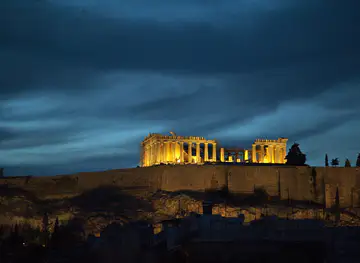
Explore more of Greece
Discover Greece: A land where ancient history meets modern vibrancy, offering stunning islands, crystal-clear seas, and unforgettable cultural experiences.
Explore Greece