

Ano Poli (Thessaloniki) Travel Guide - Free
Explore Ano Poli in Thessaloniki with Evendo's free guide. Find the best shops, historic streets, restaurants, and gems on web or mobile.


Ano Poli in Thessaloniki reveals Byzantine walls, Ottoman lanes, hilltop churches, traditional tavernas and sunset views across Greece’s second city.
Streets Above the Modern City
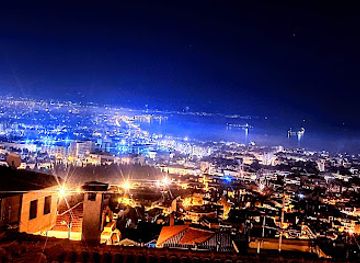
Ano Poli occupies the hills north of Thessaloniki’s historic centre, where steep lanes, stone walls and tiled roofs create a markedly different urban landscape from the grid below. The neighbourhood is commonly known as the Upper Town, although its boundaries are informal and overlap with adjoining parts of the city. Walking uphill from the centre, visitors encounter narrow streets, quiet residential corners and viewpoints opening across the rooftops towards the Thermaic Gulf.Read more about Ano Poli
Byzantine and Ottoman Layers
Everyday Life and Hilltop Views
Best attractions in Ano Poli
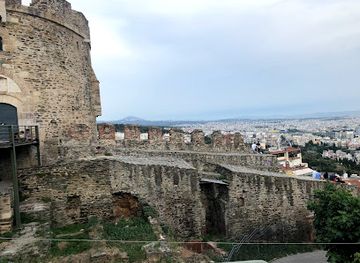
Ano Poli’s principal attractions are discovered through a walk rather than a single museum circuit. The Byzantine walls lead visitors through a sequence of towers, gates and viewpoints, culminating near the Heptapyrgion fortress at the summit. Hosios David, known for its remarkable apse mosaic, and Agios Nikolaos Orfanos, with its important frescoes, are among the neighbourhood’s most significant churches; the churches of the Taxiarchs, Agia Ekaterini and Prophet Elijah add further architectural and religious interest. Around Tsinari, narrow lanes, old houses and small squares provide a more everyday experience of the Upper Town, while the eastern slopes open towards wide views over Thessaloniki and the Thermaic Gulf. The appeal lies in the relationship between monuments, domestic streets, defensive structures and changing views rather than in isolated attractions.
-
Tourist attraction
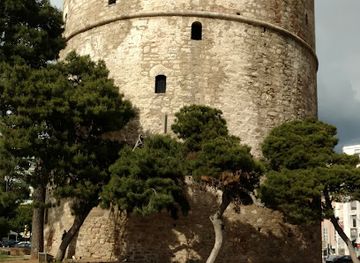
Trigoniou (Chain) Tower
Explore Thessaloniki's Trigoniou Tower: a historic fortress with breathtaking panoramic views of the city and Thermaic Gulf.
9 min walk · 0.7 km from neighbourhood centre
-
Tourist attraction
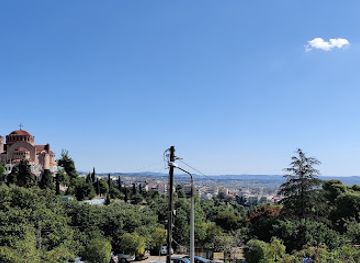
Città antica di Tessalonica
Discover Thessaloniki's ancient heart: Explore cobblestone streets, Byzantine churches, and panoramic views in the captivating Città Antica.
1 min walk · 0.1 km from neighbourhood centre
-
Tourist attraction
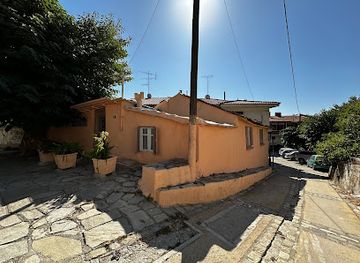
The Peach House
Discover Thessaloniki's historic charm at The Peach House in Ano Poli, where culture, beauty, and panoramic views await.
3 min walk · 0.3 km from neighbourhood centre
-
Tourist attraction
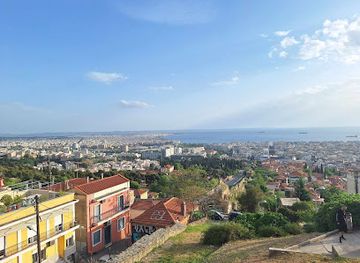
Old town panorama terrace
Breathtaking panoramic views of Thessaloniki's historic Old Town, offering a serene escape and a glimpse into the city's rich past.
8 min walk · 0.7 km from neighbourhood centre
Best landmarks in Ano Poli
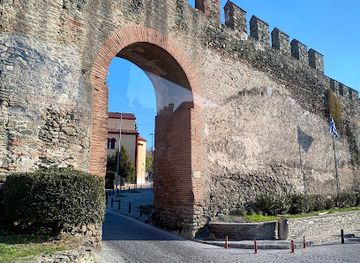
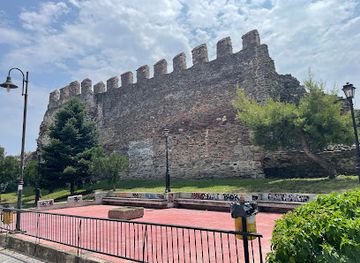
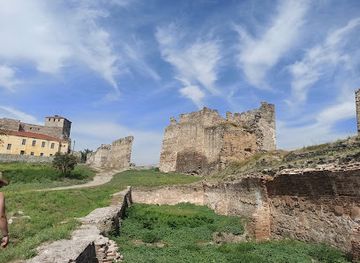
The Byzantine walls are Ano Poli’s defining landmark, enclosing and climbing the northern and eastern heights with towers, masonry and elevated outlooks that express Thessaloniki’s former defensive role. At the summit, the Heptapyrgion, also called Yedi Kule, is a substantial fortress complex whose later prison history forms part of the city’s modern memory. Religious landmarks include Hosios David, Agios Nikolaos Orfanos, Prophet Elijah, Agia Ekaterini and the Church of the Taxiarchs, each contributing to the Upper Town’s layered ecclesiastical landscape. Traditional houses and the small square of Tsinari are less monumental but equally important to the neighbourhood’s identity, preserving the scale and irregularity of an older hillside settlement. Together these structures distinguish Ano Poli from the rebuilt centre below.
-
Historical landmark
Portara (Main Gate)
Explore Thessaloniki's ancient past at the Portara, a historic gate offering stunning city views and a glimpse into Byzantine architecture.
8 min walk · 0.6 km from neighbourhood centre
-
Historical landmark
Anna Palaiologina Gate – Trigonio
Explore Thessaloniki's Byzantine past at the Anna Palaiologina Gate, a historic portal offering a glimpse into the city's medieval defenses.
8 min walk · 0.6 km from neighbourhood centre
-
Historical landmark
Gate on city old wall
Explore a historic gate in Thessaloniki's ancient fortifications, a testament to the city's rich Byzantine past and enduring cultural heritage.
3 min walk · 0.2 km from neighbourhood centre
-
Castle
Τείχη Ακροπόλεως
Explore Thessaloniki's Heptapyrgion Fortress: A journey through Byzantine and Ottoman history with panoramic city views from its ancient walls.
10 min walk · 0.8 km from neighbourhood centre
Explore Ano Poli on the map
A handpicked selection of must-see spots in Ano Poli, mapped for you.
Best hotels in Ano Poli
Best restaurants in Ano Poli
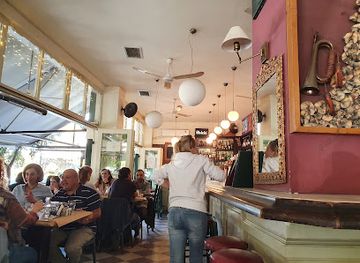
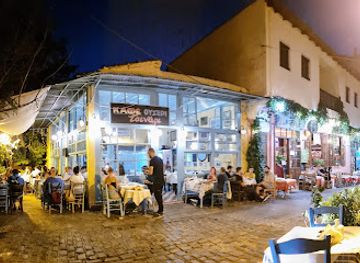
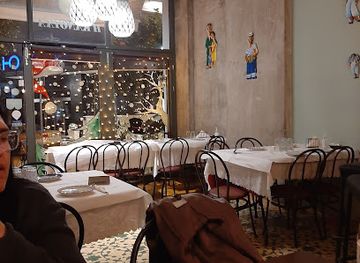
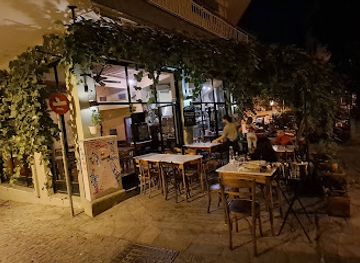
Ano Poli’s food scene is concentrated in traditional tavernas, meze restaurants and modest cafés, especially around Tsinari and the lanes leading up from the lower city. Meals tend to emphasise familiar northern Greek cooking, grilled meats, seasonal vegetables, pulses, cheese, fish and small shared plates, with local wine, beer or spirits accompanying a relaxed table. The setting is part of the experience: some establishments occupy old houses or small squares, while others look across the city from the hillside. Dining here is less about a single signature dish than about the combination of unhurried eating, neighbourhood sociability and historic surroundings. Visitors should distinguish the established taverna streets of Ano Poli from the broader restaurant districts around the centre, where the choice is considerably larger and more contemporary.
-
Mediterranean
Wall by Wall
Experience the essence of Mediterranean dining at Wall by Wall in Thessaloniki—where authentic flavors meet warm hospitality.
4 min walk · 0.3 km from neighbourhood centre
-
Greek
Tsinari tavern
Discover Tsinari Tavern in Thessaloniki: A must-visit for authentic Greek cuisine and unforgettable dining experiences.
5 min walk · 0.4 km from neighbourhood centre
-
Greek
Kanoula
Experience authentic Greek cuisine at Kanoula in Thessaloniki – where tradition meets taste in every delightful dish.
8 min walk · 0.7 km from neighbourhood centre
-
Restaurant
Igglis
Discover the flavors of Mediterranean cuisine at Igglis in Thessaloniki – where every dish is crafted with passion and tradition.
7 min walk · 0.6 km from neighbourhood centre
Best bars in Ano Poli
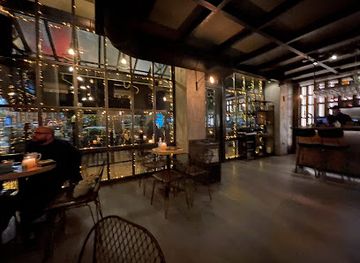
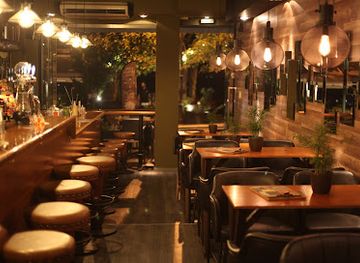
Ano Poli is not Thessaloniki’s main clubbing district, and its evening character is quieter and more residential than that of Ladadika or the waterfront. Nightlife centres on taverna dining, meze, wine and drinks in the vicinity of Tsinari, with small cafés and informal bars providing places to linger rather than large late-night venues. The hillside setting and old houses give evenings a slower rhythm, while the city views make selected terraces appealing after dark. Cultural events and live music may occur in individual venues or nearby parts of the centre, but availability changes. Visitors should avoid treating residential lanes as an extension of the nightlife scene and keep noise to a minimum when leaving restaurants.
-
Bar
Castra- All Day Terrace Bar
Discover the vibrant atmosphere and breathtaking views at Castra, Thessaloniki's premier terrace bar for cocktails and coffee.
7 min walk · 0.5 km from neighbourhood centre
-
Bar
The Blues Bar
Discover the vibrant atmosphere of The Blues Bar in Thessaloniki, where delightful drinks and live music create an unforgettable experience.
8 min walk · 0.6 km from neighbourhood centre
-
Cocktail bar
Le Coq tail mix bar
Discover the vibrant nightlife of Thessaloniki at Le Coq Tail Mix Bar, where innovative cocktails and a cozy atmosphere await.
9 min walk · 0.7 km from neighbourhood centre
-
Bar
Ερείπιο rock bar
Discover the vibrant energy of Ερείπιο Rock Bar in Thessaloniki, where rock music meets a lively atmosphere and affordable drinks.
7 min walk · 0.6 km from neighbourhood centre

Best shops in Ano Poli
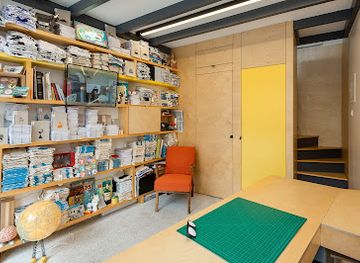
Shopping in Ano Poli is limited and local in character rather than organised around a major retail street. Visitors will find small groceries, bakeries, cafés, practical neighbourhood shops and occasional craft or design businesses among the residential lanes, with more specialist shopping available in Thessaloniki’s central districts below the hill. The most interesting retail experience is often incidental: browsing small independent premises while walking between Tsinari, the churches and the walls, or buying provisions for a pause at a viewpoint. Traditional houses and workshops contribute more to the area’s visual identity than branded stores. Visitors should not expect a market quarter or extensive souvenir selection within Ano Poli itself; the neighbourhood’s value lies in its streetscape, local commerce and historic setting.
-
Souvenir store
TILT! gifts
Shop unique and locally crafted souvenirs at TILT! Gifts in Thessaloniki, a charming store that captures the essence of Greek culture.
6 min walk · 0.5 km from neighbourhood centre
-
Clothing store
Vaudeville Room
Discover the Vaudeville Room in Thessaloniki - a vibrant clothing store showcasing unique styles that embody the city's eclectic fashion culture.
9 min walk · 0.7 km from neighbourhood centre
-
Fashion accessories store
hatch.gr
Explore Hatch.gr in Thessaloniki for unique fashion accessories, leather goods, vintage clothing, and stylish sunglasses that reflect local culture.
8 min walk · 0.7 km from neighbourhood centre
Ano Poli essentials
Getting There
Getting Around
Safety
Emergency Situations
Do's and Don'ts
Local Tips

From Eve
Local phrases worth knowing
You don't need to get them perfect. A few words go a long way, and locals appreciate the effort.
Basics
| English | Local | Say it |
|---|---|---|
| Hello | Γεια σας | [Yia sas] |
| Goodbye | Αντίο | [Adio] |
| Yes | Ναι | [Ne] |
| No | Όχι | [Ohi] |
| Please/You're welcome | Παρακαλώ | [Parakalo] |
| Thank you | Ευχαριστώ | [Efharisto] |
| Excuse me/Sorry | Συγγνώμη | [Signomi] |
| How are you? | Τι κάνετε; | [Ti kanete?] |
| Fine. And you? | Καλά. Εσείς; | [Kala. Esis?] |
| Do you speak English? | Μιλάτε Αγγλικά; | [Milate Agglika?] |
| I don't understand | Δεν καταλαβαίνω | [Den katalavaino] |
Eating & Drinking
| English | Local | Say it |
|---|---|---|
| I'd like to see the menu, please | Θα ήθελα να δω το μενού, παρακαλώ | [Tha ithela na do to menou, parakalo] |
| I don't eat meat | Δεν τρώω κρέας | [Den troo kreas] |
| Cheers! | Υγεία! | [Ygeia!] |
| I would like to pay, please | Θα ήθελα να πληρώσω, παρακαλώ | [Tha ithela na plirosso, parakalo] |
Emergencies
| English | Local | Say it |
|---|---|---|
| Help! | Βοήθεια! | [Voithia!] |
| Go away! | Φύγε! | [Fiye!] |
| Call the Police! | Καλέστε την Αστυνομία! | [Kaleste tin Astinomia!] |
| Call a doctor! | Καλέστε γιατρό! | [Kaleste giatro!] |
| I'm lost | Έχω χαθεί | [Eho hafi] |
| I'm ill | Είμαι άρρωστος | [Eimai arrostos] |
Shopping
| English | Local | Say it |
|---|---|---|
| I'd like to buy... | Θα ήθελα να αγοράσω... | [Tha ithela na agorasoo...] |
| I'm just looking | Απλά κοιτάω | [Apla koi tao] |
| How much is it? | Πόσο κοστίζει; | [Poso kostizi?] |
| That's too expensive | Αυτό είναι πολύ ακριβό | [Afto ine poli akri vo] |
| Can you lower the price? | Μπορείτε να μειώσετε την τιμή; | [Borite na mi osete tin time?] |
Time & Numbers
| English | Local | Say it |
|---|---|---|
| What time is it? | Τι ώρα είναι; | [Ti ora ine?] |
| It's one o'clock | Είναι μία ώρα | [Ine mia ora] |
| Half past (10) | Μισή (10) | [Misi (deka)] |
| Morning | Πρωί | [Proi] |
| Afternoon | Απόγευμα | [Apogevma] |
| Evening | Βράδυ | [Vradi] |
| Yesterday | Χθες | [Hthes] |
| Today | Σήμερα | [Simera] |
| Tomorrow | Αύριο | [Avrio] |
| 1 | Ένα | [Ena] |
| 2 | Δύο | [Dio] |
| 3 | Τρία | [Tria] |
| 4 | Τέσσερα | [Tessera] |
| 5 | Πέντε | [Pente] |
| 6 | Έξι | [Exi] |
| 7 | Εφτά | [Efta] |
| 8 | Οχτώ | [Ohto] |
| 9 | Εννιά | [Ennia] |
| 10 | Δέκα | [Deka] |
Transport & Directions
| English | Local | Say it |
|---|---|---|
| Where's a/the...? | Πού είναι ένα/το...; | [Pou ine ena/to...?] |
| What's the address? | Ποια είναι η διεύθυνση; | [Pia ine i diefthinsi?] |
| Can you show me (on the map)? | Μπορείτε να μου δείξετε (στο χάρτη); | [Borite na mou dixete (sto charti)?] |
| When's the next (bus)? | Πότε είναι το επόμενο (λεωφορείο); | [Pote ine to epomeno (leoforeio)?] |
| A ticket (to ....) | Ένα εισιτήριο (για...) | [Ena isitirio (gia...)] |
History of Ano Poli
The Byzantine Upper Town
Ano Poli developed on the higher ground behind Thessaloniki’s northern fortifications, within the protected upper part of the city. Its churches preserve important evidence of the Byzantine period: Hosios David contains a celebrated late antique and Byzantine mosaic, while Agios Nikolaos Orfanos retains significant fourteenth-century frescoes. The elevated terrain also gave the area strategic value, connecting settlement, religious foundations and the defensive circuit. The walls and surviving churches make the Upper Town one of the clearest places to understand Thessaloniki as a fortified medieval city rather than simply a modern commercial centre.
Ottoman Urban Life
After Thessaloniki became part of the Ottoman Empire in 1430, the Upper Town continued as a mixed residential and religious district, and its street pattern acquired the irregular form still visible today. Houses, fountains, mosques and small commercial spaces occupied the slopes, while the defensive heights retained military importance. The neighbourhood’s surviving traditional houses and the lanes around Tsinari offer physical reminders of this period, although the Ottoman urban landscape was substantially altered during the twentieth century. Ano Poli’s character therefore reflects accumulated layers rather than one unchanged historical setting.
The 1917 Fire and Survival
The great fire of August 1917 destroyed much of central Thessaloniki and led to a comprehensive reconstruction plan for the lower city. Ano Poli, on the higher ground north of the main centre, was largely spared, allowing more of its older street network and building stock to survive. This accident of geography became central to the neighbourhood’s later identity. As broad avenues and new commercial buildings reshaped the city below, the Upper Town retained narrow lanes, small houses and historic churches that increasingly represented an older Thessaloniki.
Restoration and Changing Identity
During the twentieth century, Ano Poli remained a lived-in residential area rather than a preserved historic precinct, and parts of it experienced neglect, alteration and rebuilding. Later restoration brought renewed attention to traditional houses, Byzantine monuments and the fortifications, while cafés, tavernas and visitor facilities developed in selected streets. The upper neighbourhood is now one of Thessaloniki’s most recognisable historic areas, but its identity remains connected to residents, ordinary domestic architecture and local religious life as much as to sightseeing. Conservation and everyday urban use continue side by side.
Ano Poli in Photos
Browse through our photo collection highlighting the charm and character of the destination.
Neighbourhoods near Ano Poli
The closest neighbourhoods to Ano Poli, if you have time for more than one stop.
-

-
-
-


Swipe for more neighbourhoods
Explore more

Explore more of Thessaloniki
Thessaloniki blends Roman and Byzantine landmarks, waterfront promenades, lively markets and northern Greek cuisine in Greece’s cultural capital.
Explore Thessaloniki