Archaeological Site of Plevrona: Echoes of Ancient Greece
Discover Ancient Greece at Plevrona: Explore temples, fortifications & panoramic views near Messolonghi. A journey into history awaits!
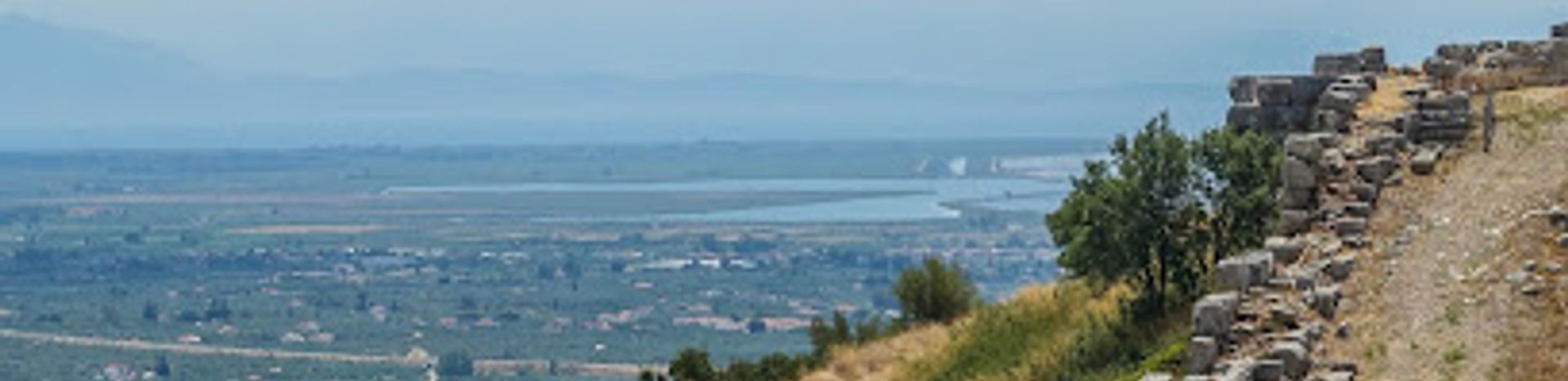
Explore the well-preserved ruins of Ancient Plevrona (Pleuron), a city that thrived during the Greek classical period near present-day Mesologgi. Wander through remnants of temples, fortifications, and public buildings, set against a backdrop of tranquil landscapes, offering a captivating glimpse into ancient Greek civilization.
A brief summary to Archaeological site of Plevrona (Pleuron)
- E951, Mesologgi, 302 00, GR
- Visit website
- Monday 8:30 am-3:30 pm
- Wednesday 8:30 am-3:30 pm
- Thursday 8:30 am-3:30 pm
- Friday 8:30 am-3:30 pm
- Saturday 8:30 am-3:30 pm
- Sunday 8:30 am-3:30 pm
Local tips
- Visit early in the morning to avoid crowds and enjoy a more tranquil experience.
- Wear comfortable shoes, as the terrain can be uneven and requires some walking.
- Bring a camera to capture the stunning landscapes and ancient ruins.
- Check for any special events or exhibitions that might be taking place during your visit.

Getting There
-
Car
If driving, head towards Mesologgi. From Mesologgi's center, take the E951 road. Follow the E951 for approximately 10 kilometers; the Archaeological Site of Plevrona will be signposted. There is parking available at the site.
-
Public Transport
Take a bus from Agrinio to Mesologgi. Upon arrival in Mesologgi, take a taxi or local bus towards the archaeological site. Note that public transport directly to the site may be limited, so check local bus schedules in advance. A taxi from Mesologgi to the site will cost approximately €10-€15.
Discover more about Archaeological site of Plevrona (Pleuron)
Iconic landmarks you can’t miss

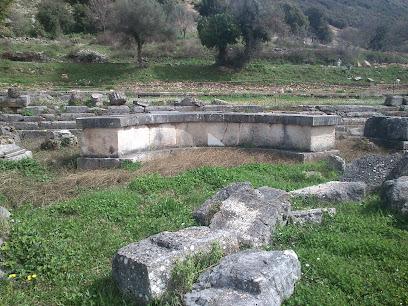
Temple of Apollo Thermios.
27.7 km
Explore the ruins of the Temple of Apollo Thermios, the ancient heart of the Aetolian League, and discover its rich history and architectural significance.
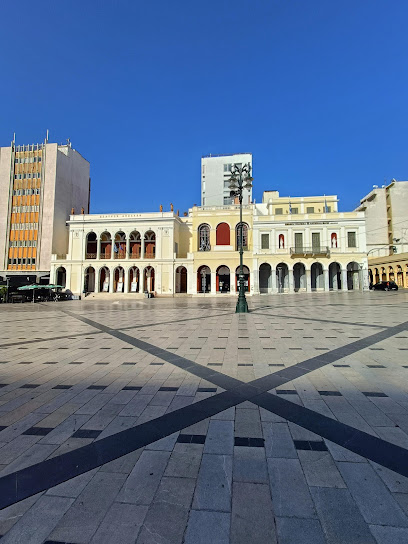
Apollon Theatre
34.0 km
A historic neoclassical theater in Patras, Greece, mirroring La Scala and hosting vibrant cultural performances since 1872.
Roman nymphaeum at Kanari street of Patras
34.2 km
Explore the ancient Roman Nymphaeum in Patras, a captivating glimpse into the city's vibrant past and architectural heritage.
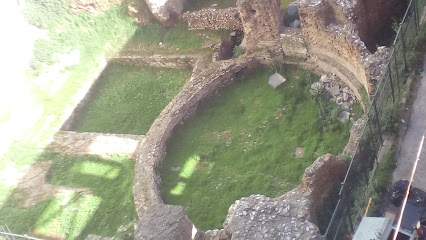
Roman Amphitheatre remains.
34.2 km
Discover the ancient Roman Amphitheatre of Patras, a partially excavated historical site showcasing the city's vibrant Roman past and cultural heritage.
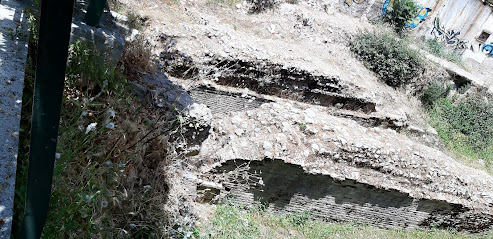
Antic Agora
34.3 km
Step back in time at Patras's Antic Agora, where ancient commerce and civic life come to life amidst classical ruins.
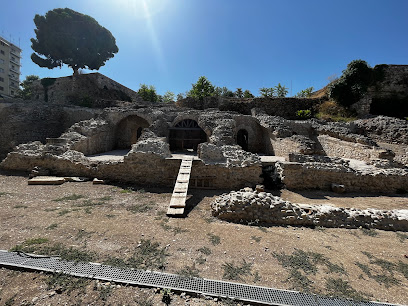
Rio Fortress
34.4 km
Explore the Rio Fortress, a historic guardian of the Corinthian Gulf with centuries of captivating stories and cultural significance.
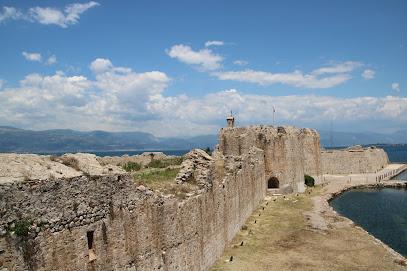
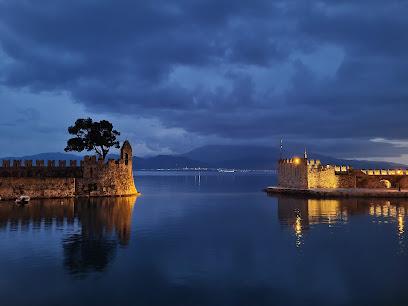
Nafpaktos Venetian Port
36.6 km
Explore the historic Venetian Port of Nafpaktos, a picturesque harbor blending Venetian and Greek charm on the Gulf of Corinth.
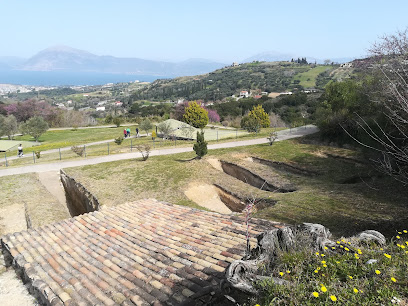
Mycenaean Cemetery of Voudeni.
37.0 km
Uncover the mysteries of the Mycenaean civilization at this ancient cemetery near Patras, Greece. Explore tombs and artifacts dating back to 1500 BC.
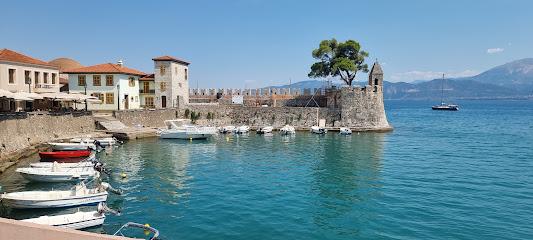
Nafpaktos
37.1 km
Explore Nafpaktos: A historic Greek town with a Venetian castle, beautiful beaches, and a vibrant harbor on the Corinthian Gulf.
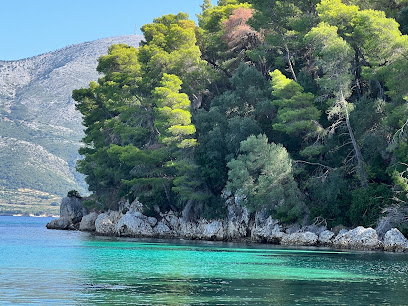
Agios Donatos
47.5 km
Discover Agios Donatos, a tranquil Greek Orthodox church in Kalamos, embodying local culture and history amidst stunning natural beauty.
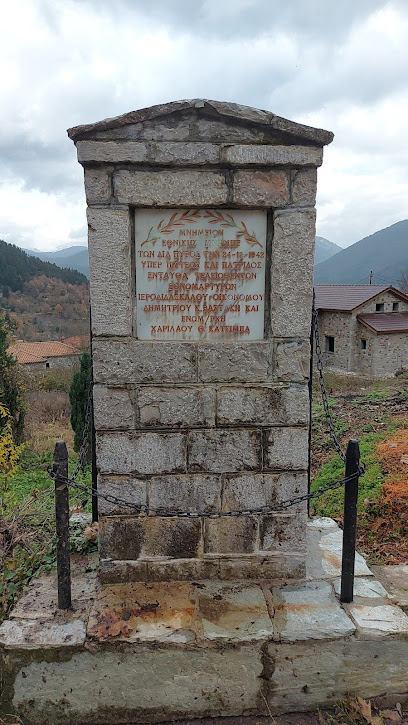
Monument of War
53.6 km
A place of remembrance and reflection in Palio Mikro Chorio, honoring the sacrifices of war amidst the serene beauty of the Evrytania region.
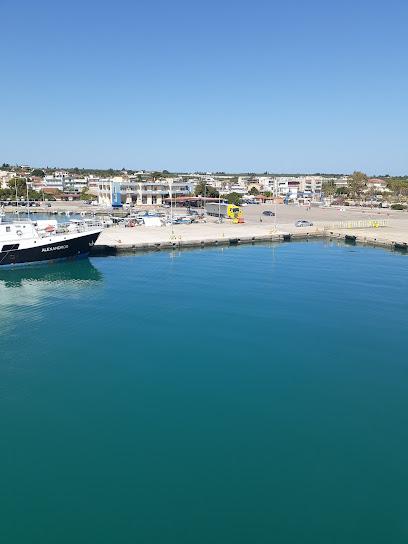
Kyllini
58.1 km
Explore Kastro Killinis: A historical fortress with breathtaking views of the Ionian Sea, perfect for history enthusiasts and nature lovers alike.
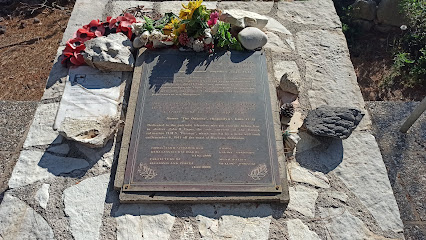
Memorial Plaque
61.8 km
Reflect on Paros's history at the Memorial Plaque in Lefkes, a charming village with Cycladic architecture and scenic beauty.
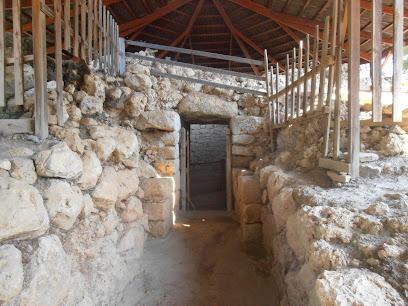
Mycenaean Tholos Tomb of Poros
64.3 km
Explore the ancient Mycenaean Tholos Tomb of Poros in Elios Proni, Cephalonia, a significant Bronze Age burial site with remarkable architecture and history.
Acropolis of Ancient Sami
67.6 km
Discover the ancient Acropolis of Sami in Kefalonia: History, panoramic views, and archaeological wonders await!
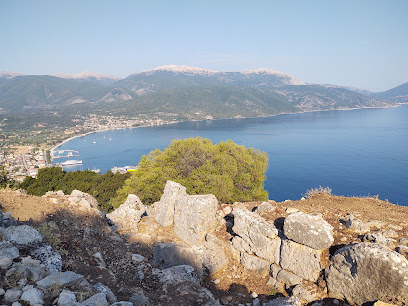
Unmissable attractions to see

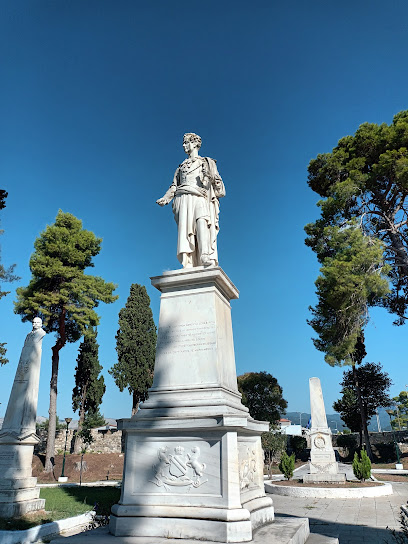
Garden of Heroes
4.8 km
Visit the Garden of Heroes in Missolonghi, a national reserve where history, nature, and tranquility converge beautifully.
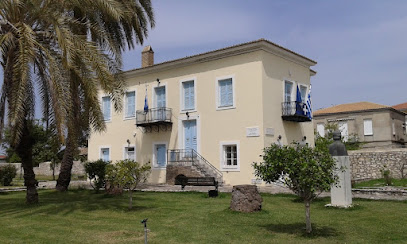
Trikoupi Museum
5.4 km
Explore the legacy of the Trikoupi family and their impact on 19th-century Greece in this historic Missolonghi museum.
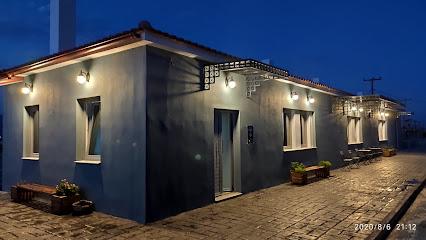
Salt Museum
10.0 km
Explore the rich history and cultural significance of salt at the Salt Museum in Missolonghi, an engaging experience for all visitors.
Kavourotrypa Beach
17.3 km
Explore Kavourotrypa Beach, a hidden paradise in Chalkia, Greece, where crystal-clear waters meet golden sands for an unforgettable seaside experience.
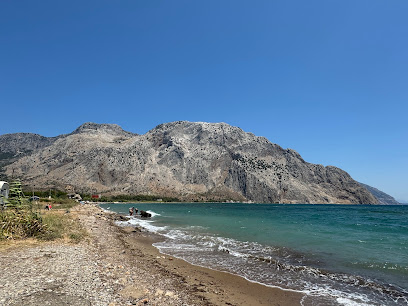
Limnopoulas Cave
19.6 km
Explore the enchanting Limnopoulas Cave, a hidden gem in Greece showcasing stunning geological formations and rich historical significance.
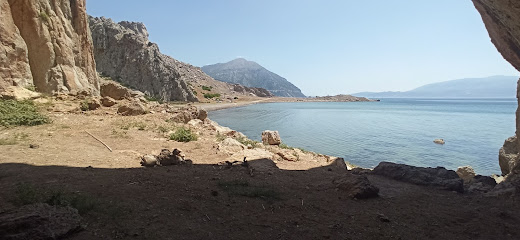
"Limnopoulas" Beach
19.7 km
Discover the serene beauty of Limnopoulas Beach, a hidden Greek paradise with golden sands and crystal-clear waters, perfect for a tranquil escape.
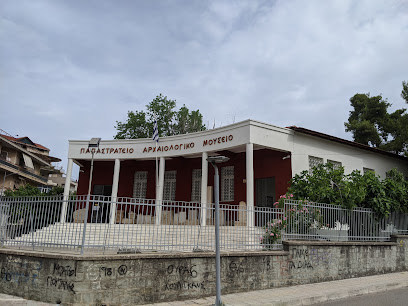
Papastratos Archaeological Museum
24.0 km
Discover ancient Greek history at the Papastratos Archaeological Museum in Agrinio, showcasing artifacts from the Neolithic era to Roman times.
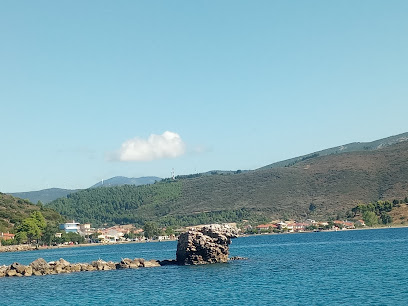
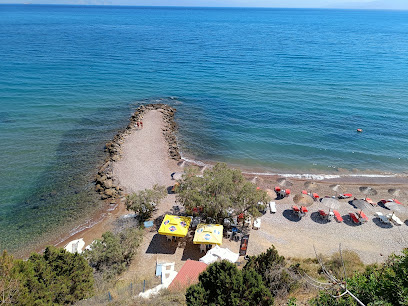
Riza beach
26.5 km
Discover the tranquil beauty of Riza Beach in Antirrio, a serene escape on the Gulf of Patras with clear waters and a relaxing atmosphere.
Thermo's Water Springs
28.4 km
Discover the serene beauty of Thermo's Water Springs, a natural Greek oasis offering relaxation, rejuvenation, and a connection to ancient traditions.
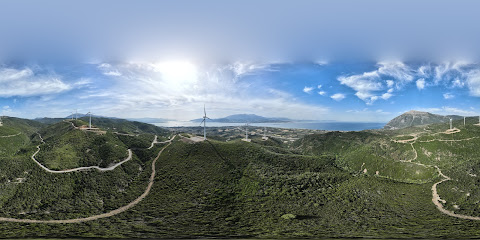
Wind Farm
29.5 km
Discover the Wind Farm in Nafpaktia, where stunning landscapes meet sustainable energy innovation, making for an unforgettable eco-friendly adventure.
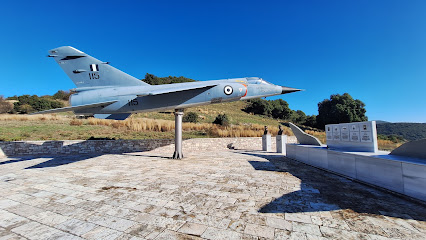
The memorial site of Thermou's fallen pilots
29.7 km
A serene memorial in Thermo honoring Greece's fallen pilots, offering reflection and remembrance amidst beautiful gardens and sculptures.
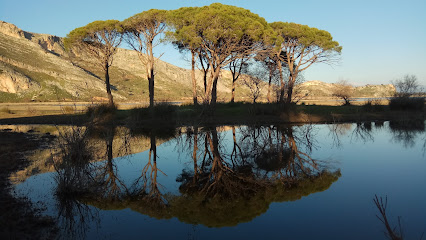
Strofylia National Park
30.0 km
Explore Greece's largest stone pine forest, a coastal paradise for birdwatching, hiking, and pristine natural beauty.
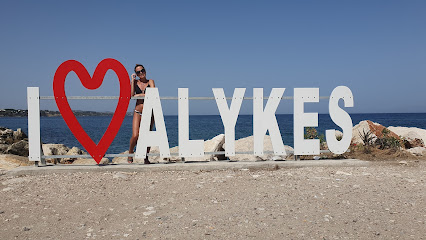
I love Alykes ️
30.6 km
Explore the beautiful beaches and vibrant culture of Alykes, a stunning destination on the island of Zakynthos, Greece.
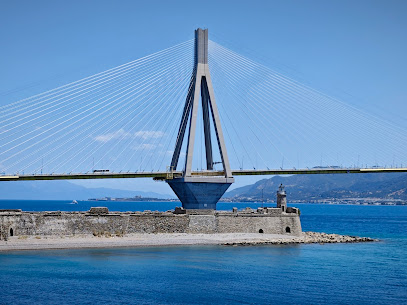
Antirrio Lighthouse.
32.5 km
Explore the historic Antirrio Lighthouse: a beacon of maritime history offering stunning views of the Gulf of Patras and the Rio-Antirrio Bridge.
Kato Achaia
32.6 km
Discover Kato Achaia: A vibrant Greek town with ancient roots, beautiful beaches, and a gateway to Achaea's hidden treasures.
Essential places to dine

Alatiera
6.1 km
Experience authentic Greek flavors at Alatiera, an all-day bar and restaurant in Missolonghi that delights locals and travelers alike.
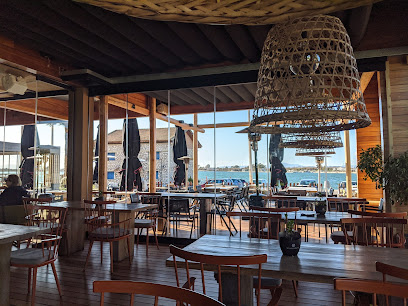
Seafood Restaurant OSTRIA
20.0 km
Discover the authentic taste of Greece at Seafood Restaurant OSTRIA – where fresh seafood meets traditional flavors in a charming setting.
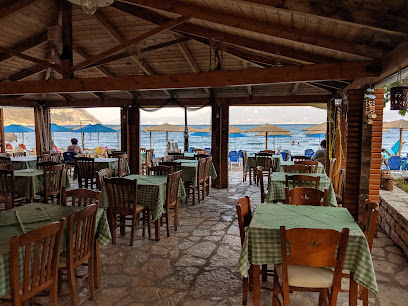
Tavern Lappas
28.1 km
Discover Tavern Lappas in Macynia - where fresh seafood meets authentic Greek hospitality for an unforgettable culinary experience.
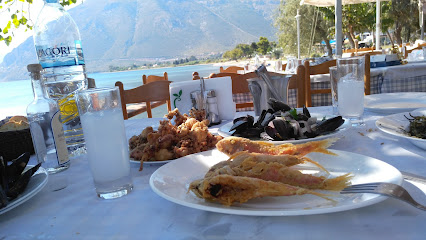
Argo
33.2 km
Experience authentic Greek cuisine at Argo in Patras—where tradition meets modern flavor.
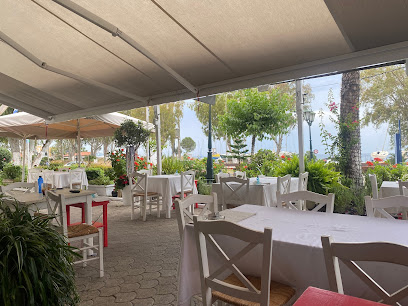
Santa Rosa
33.8 km
Experience authentic Greek flavors at Santa Rosa in Patras – where culinary tradition meets modern dining.
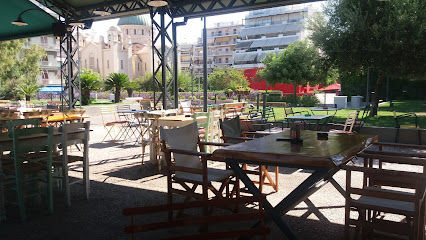
Tzelos mezeklikia
33.8 km
Discover authentic Greek mezes at Tzelos Mezeklikia in Patras – where every dish tells a story of tradition and flavor.
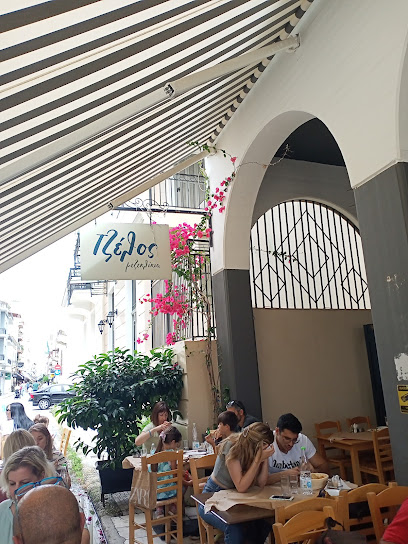
Terra
33.8 km
Experience authentic Mediterranean flavors at Terra in Patras—where culinary excellence meets warm hospitality.
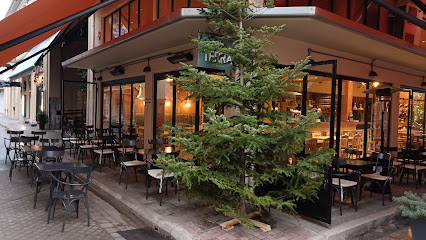
Bianco
33.8 km
Discover Bianco in Patras – where authentic Mediterranean cuisine meets warm hospitality.
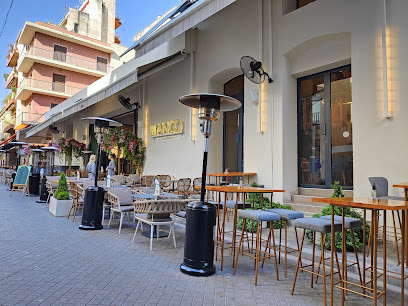
Cuccuvaia
33.8 km
Experience authentic Greek cuisine and fine wines at Cuccuvaia in Patras - where every meal tells a story.
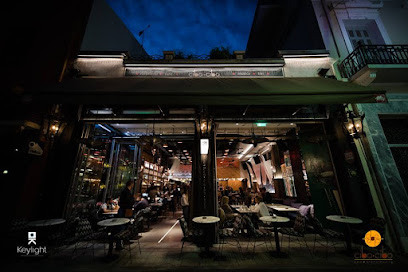
Scalino All day Gastro
33.8 km
Discover the flavors of Greece at Scalino All Day Gastro - a bistro experience blending tradition with modern culinary delights.
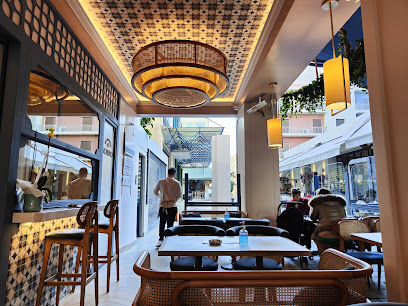
Bodegas
33.8 km
Discover Bodegas in Patras: A perfect blend of art, brunch delights, and exquisite wines for every tourist's taste.
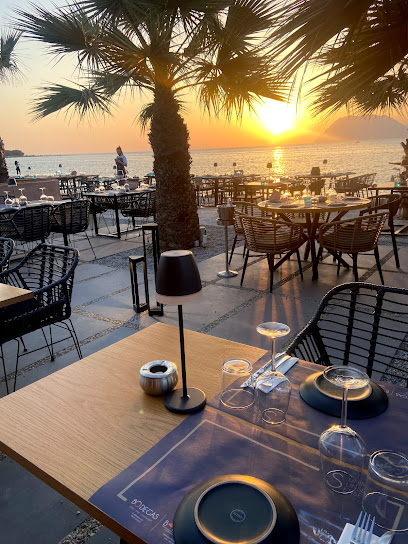
Gastronómos
33.8 km
Experience the best of Greek and Italian cuisine at Gastronómos in Patras - a delightful dining destination for every traveler.
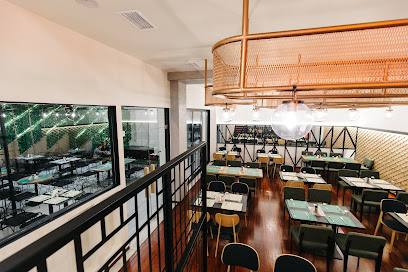
Signore Pizza
33.8 km
Experience authentic Italian flavors at Signore Pizza in Patras – where every slice tells a story!
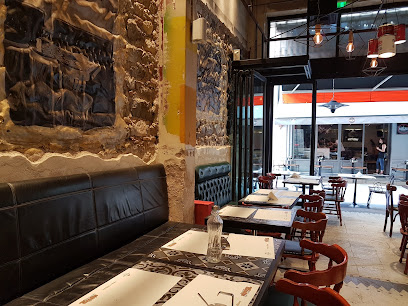
Carousello
33.8 km
Discover Carousello in Patras: A delightful café offering tapas, fine wines, and an inviting atmosphere for unforgettable moments.
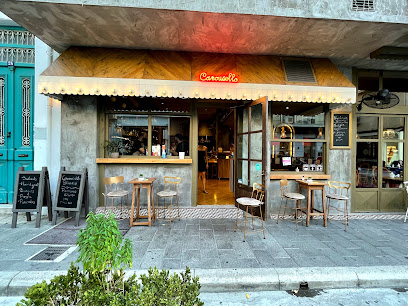
Eataly
33.9 km
Discover authentic Italian flavors at Eataly in Patras – where every dish tells a story.
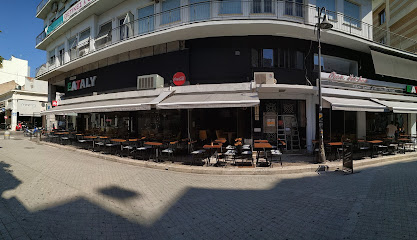
Markets, malls and hidden boutiques

Melody fashion & Home
28.5 km
Explore the vibrant styles of Melody Fashion & Home in Thermo, Greece - your destination for unique clothing and home decor.
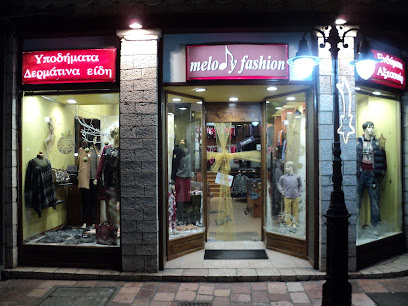
Koufis Basil
33.8 km
Explore Koufis Basil in Patras, where fashion meets style, offering a chic selection of clothing for every occasion in a delightful shopping environment.

hara karakasi boutique
33.8 km
Explore unique fashion finds at Hara Karakasi Boutique in Patras, where style meets individuality in a charming shopping atmosphere.
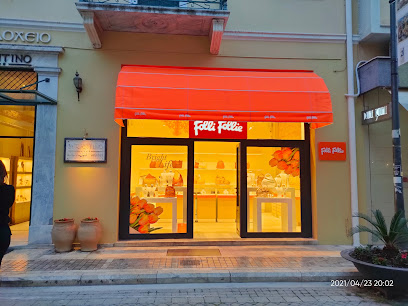
Folli Follie Store
33.8 km
Explore the luxurious world of Folli Follie in Patras, where exquisite jewelry meets exceptional style and craftsmanship.
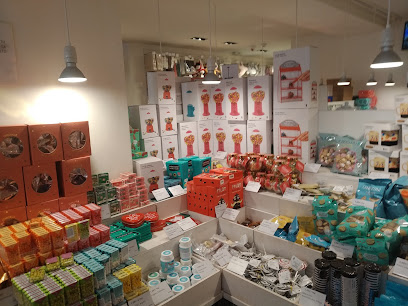
Flying Tiger Copenhagen
33.8 km
Explore a whimsical world of creativity and fun at Flying Tiger Copenhagen in Patras, where unique gifts and delightful surprises await every visitor.
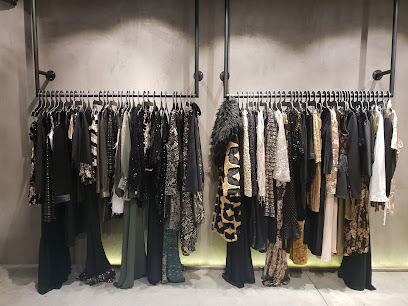
Pinko Boutique
33.8 km
Explore Pinko Boutique in Patras for a stylish selection of women's clothing that blends modern trends with classic elegance.
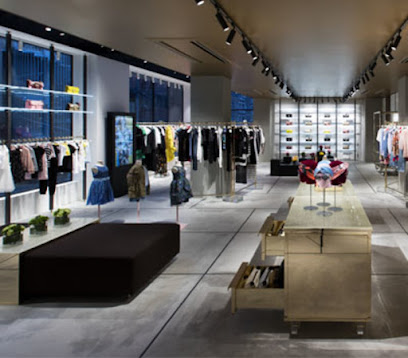
ZARA HOME
33.8 km
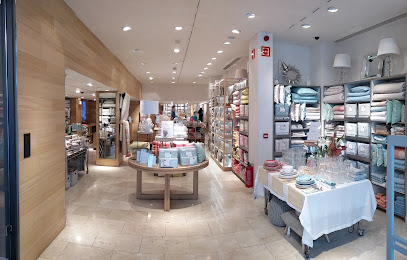
Explore ZARA HOME in Patras for stylish home goods, exquisite linens, and modern furniture accessories that enhance every living space.
ΕΙΔΗ ΔΩΡΩΝ
33.8 km
Explore ΕΙΔΗ ΔΩΡΩΝ in Patras for unique gifts and souvenirs that embody the spirit of Greece and support local artisans.
secret athens fashion
33.8 km
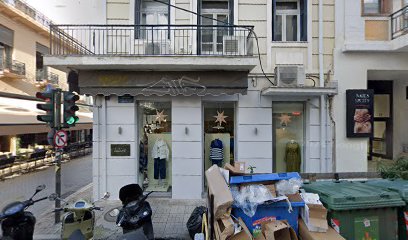
Explore Secret Athens Fashion in Patras for unique clothing that embodies contemporary Greek style and creativity.
Souvenirs Patras Greece
33.8 km
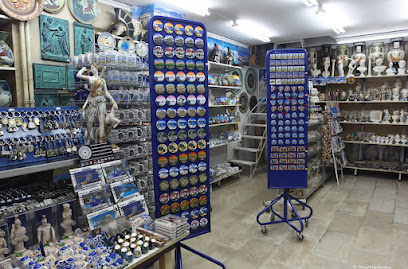
Explore Souvenirs Patras, a treasure trove of unique keepsakes and local crafts that embody the vibrant spirit of Greece.
Blue green OUTLET STORE
33.9 km
Explore great deals at Blue Green Outlet Store in Patras, where fashion meets affordability in a vibrant shopping atmosphere.
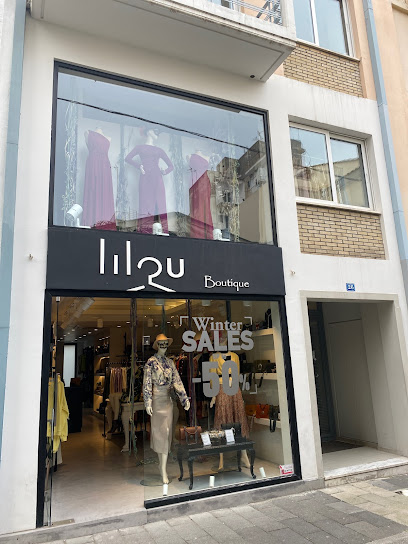
Lilou Boutique
33.9 km
Explore the essence of contemporary fashion at Lilou Boutique in Patras, where style meets elegance in every piece.
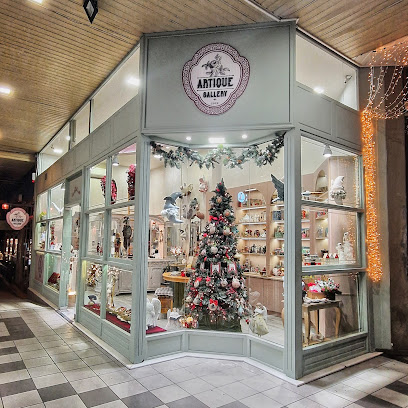
Artique
33.9 km
Discover unique gifts and local crafts at Artique, a premier gift shop in the heart of Patras, Greece, perfect for every traveler.
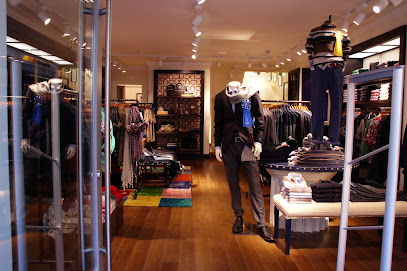
Tommy Hilfiger Patra
33.9 km
Explore stylish fashion at Tommy Hilfiger Patra, where quality meets contemporary trends in the heart of Greece's vibrant shopping scene.
SPAINSHOPS ONE PRICE
33.9 km
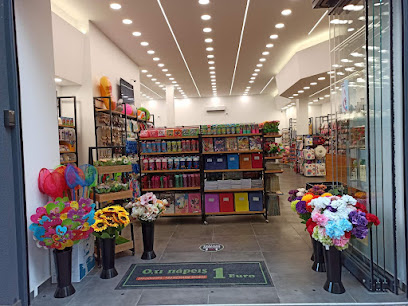
Explore Spainshops One Price in Patras for unique home goods that blend style and affordability, enhancing your living space with local charm.
Essential bars & hidden hideouts

Beam bar
12.6 km
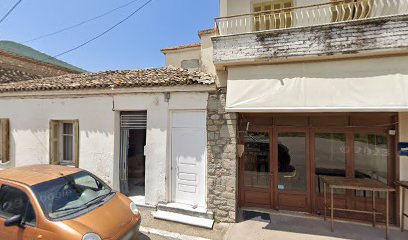
Discover the vibrant nightlife in Evinochori at Beam Bar, where expertly crafted cocktails and lively ambiance await.
Nostos Beach Bar
17.4 km
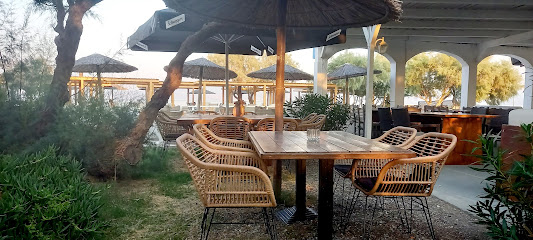
Experience the vibrant atmosphere and stunning views at Nostos Beach Bar, the perfect coastal retreat in Kryoneri, Greece.
Kaboúri
17.4 km
Experience the vibrant atmosphere and local flavors at Kaboúri, a must-visit bar in Chalkeia, perfect for relaxation and socializing.
Soñar Beachbar
17.9 km
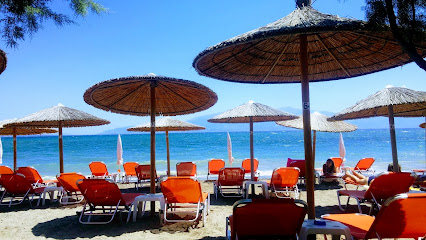
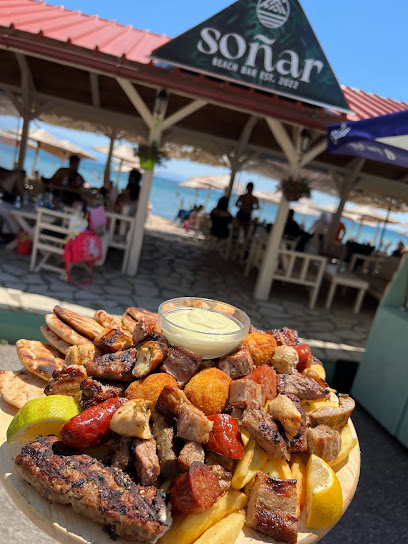
Discover the perfect blend of relaxation and vibrant beach life at Soñar Beachbar in Kryoneri, Greece, where sun-kissed moments await.
Icons SeaSide Bar
19.8 km
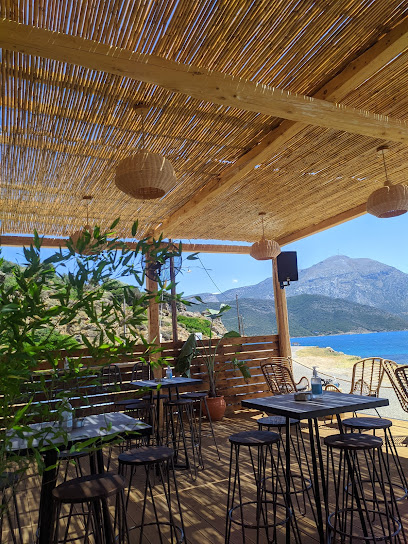
Experience the charm of Icons SeaSide Bar in Nafpaktia, where relaxation meets breathtaking sea views and delicious cocktails.
Ibiza Beach Bar@ Louros Beach
21.8 km
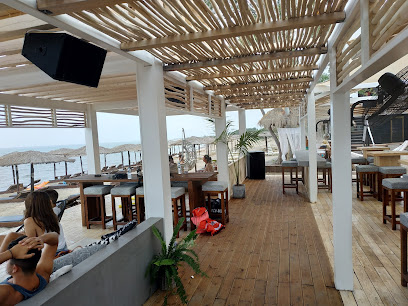
Experience the vibrant atmosphere of Ibiza Beach Bar at Louros Beach, where refreshing drinks meet breathtaking coastal views.
Belle Epoque
23.4 km
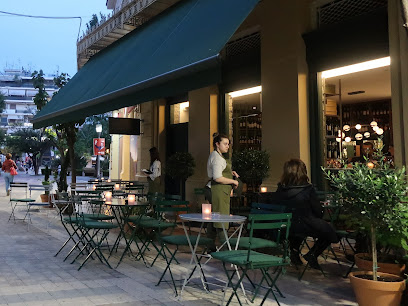
Discover Belle Epoque, Agrinio's premier wine bar, offering an exquisite selection of wines and a charming ambiance perfect for relaxation and socializing.
Beach Bar Ma,Yo Gianiskari
26.8 km
Discover the vibrant atmosphere and stunning views at Beach Bar Ma, Yo Gianiskari, the perfect beachside retreat in Araxos, Greece.
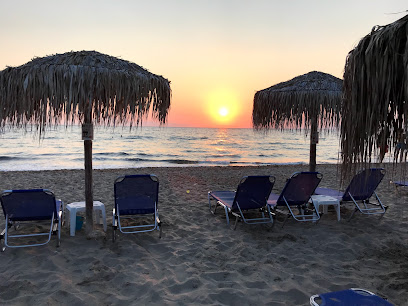
Apallu Beach Bar
29.0 km
Experience the vibrant beach culture and stunning views at Apallu Beach Bar in Larisos, the ideal spot for relaxation and delicious local cuisine.
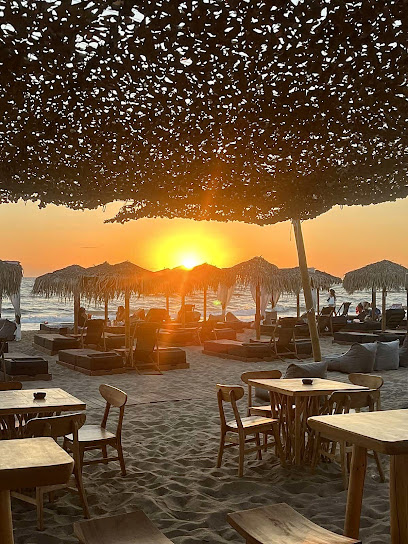
Ovenly beach bar west
32.5 km
Experience the perfect blend of beach vibes and gourmet grilling at Ovenly Beach Bar in Platanitis, where every meal is a seaside celebration.
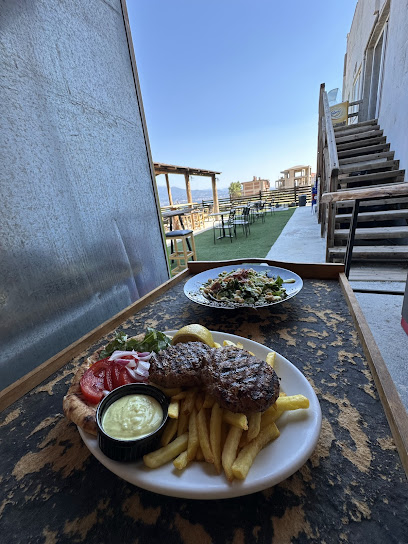
Rodon
33.0 km
Experience the vibrant nightlife of Patras at Rodon, a premier bar known for its exquisite cocktails and lively atmosphere, perfect for any night out.
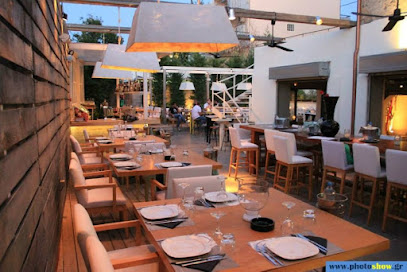
W Sea Side
33.4 km
Discover W Sea Side, a vibrant coastal bar in Patras, offering breathtaking views, refreshing drinks, and a lively atmosphere perfect for relaxation.
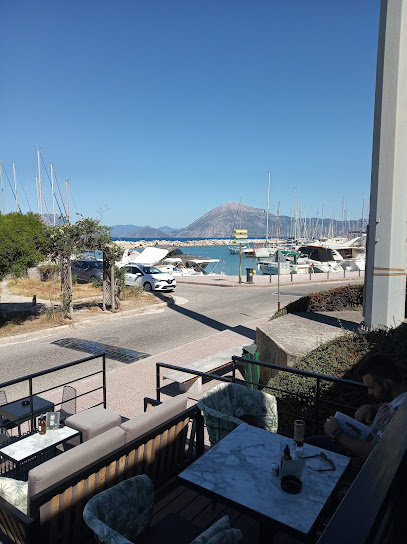
Deck
33.6 km
Discover the vibrant atmosphere of Deck in Patras, where great food and drinks come together in a cozy setting.
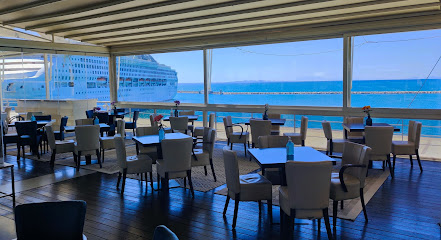
Bodegas Summer
33.6 km
Experience the elegance of Bodegas Summer in Patras, Greece, where fine dining meets vibrant nightlife on the stunning Mabrouk coast.
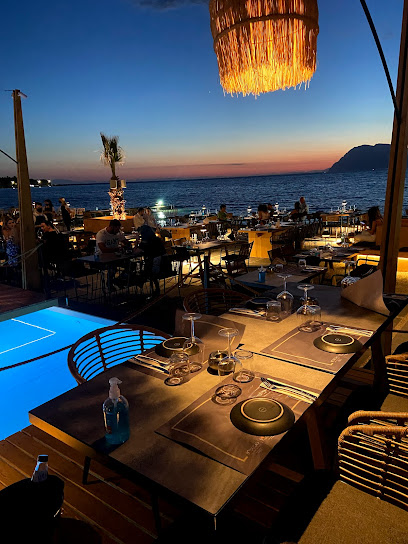
Koutsiko by Vouz
33.7 km
Experience the vibrant nightlife of Patras at Koutsiko by Vouz, where local drinks and friendly atmosphere come together for an unforgettable evening.
Nightclubs & after hour spots

Garden Room
32.4 km
Discover the heart of Kato Achaia's nightlife at Garden Room, a dazzling night club that promises an unforgettable experience with music and dancing.
Asteria
33.5 km
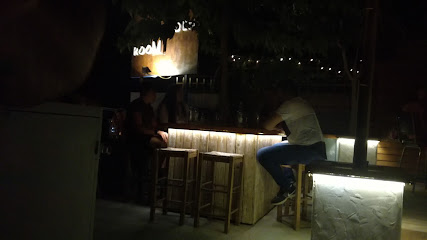
Experience the vibrant nightlife of Patras at Asteria, where music, dancing, and unforgettable moments come alive until dawn.
O'mega Yacht Club
33.6 km
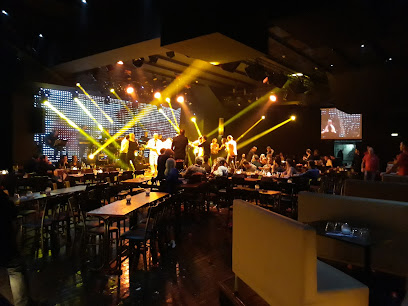
Uncover the vibrant nightlife of Patras at O'mega Yacht Club, where exceptional music and drinks create unforgettable moments.
Vips Ellinadiko
33.7 km
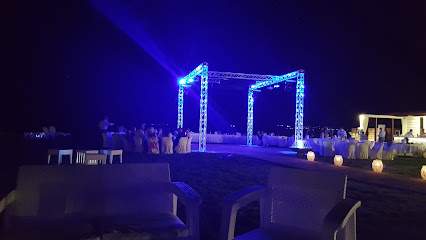
Discover the electrifying nightlife at Vips Ellinadiko, a premier night club in Patras, offering vibrant music and an unforgettable atmosphere.
OMNIA downtown
33.7 km
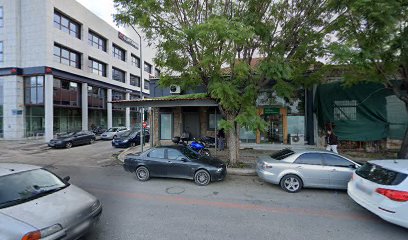
Discover the electrifying nightlife at OMNIA Downtown, Patras' premier night club, where music, dance, and vibrant energy come together.
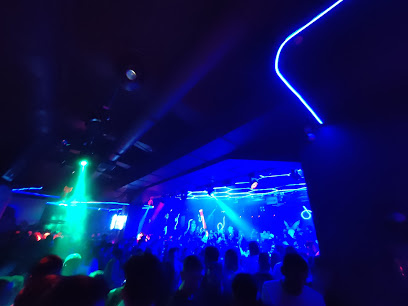
Μπουάτ
33.7 km
Unleash your spirit at Μπουάτ, Patras' premier night club for dancing, socializing, and vibrant entertainment.

Tao Night Spot
33.7 km
Dive into the electrifying nightlife at Tao Night Spot, a premier nightclub in Patras, Greece, known for its vibrant atmosphere and exciting events.
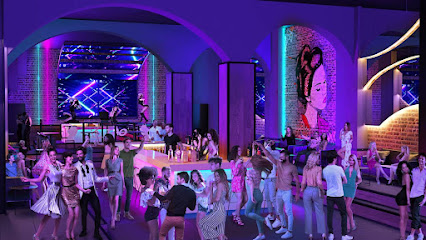
Edem Nightclub
33.8 km
Dive into the vibrant nightlife of Patras at Edem Nightclub, where unforgettable dance experiences and lively music await every night.
Magenda
33.9 km
Dive into the iconic nightlife of Patras at Magenda, where every night offers exhilarating music, delicious drinks, and a vibrant atmosphere.
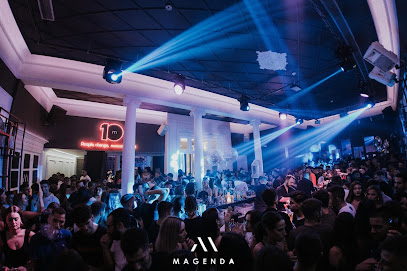
Saint Club
34.2 km
Dive into the energetic nightlife at Saint Club, the premier night club in Patras, Greece, where unforgettable experiences await every visitor.

Mod's Club
34.2 km
Discover the electrifying nightlife at Mod's Club in Patras, where music, dance, and vibrant energy unite for an unforgettable experience.
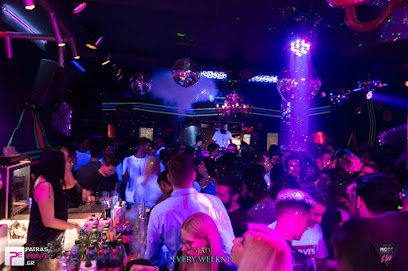
Navona Club Di Oggi
34.3 km
Discover the electric atmosphere of Navona Club Di Oggi, a must-visit disco club in Patras for an unforgettable night out.

No Class
34.3 km
Discover the electrifying atmosphere of No Class, Patras' vibrant rock music club, where unforgettable nights and live performances await.
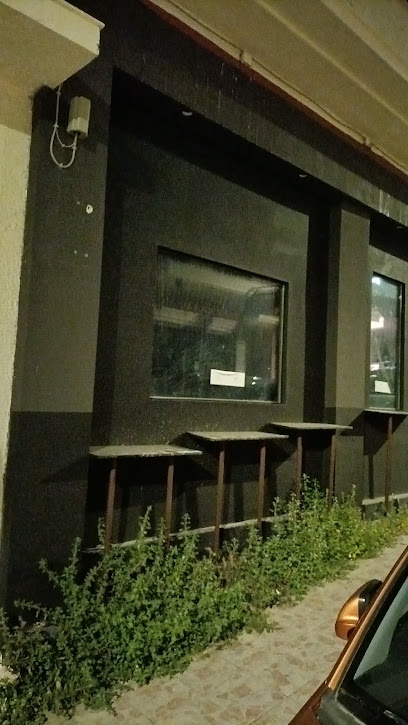
Volcano Patra
40.5 km
Discover the electrifying nightlife at Volcano Patra in Drepano, Greece, where vibrant music meets an unforgettable party atmosphere.
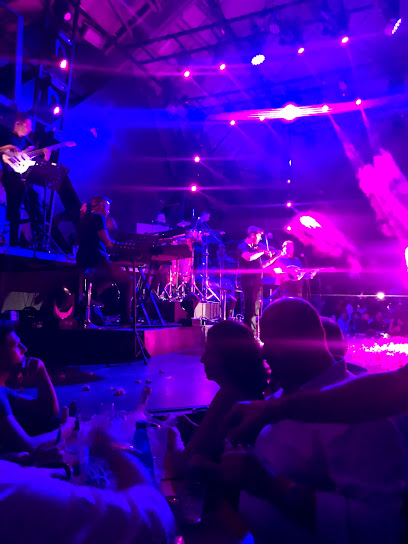
Kiosky Party Zorianos
55.6 km
Experience electrifying nightlife at Kiosky Party Zorianos, the ultimate night club in Vardousia, Greece, where music and fun converge.