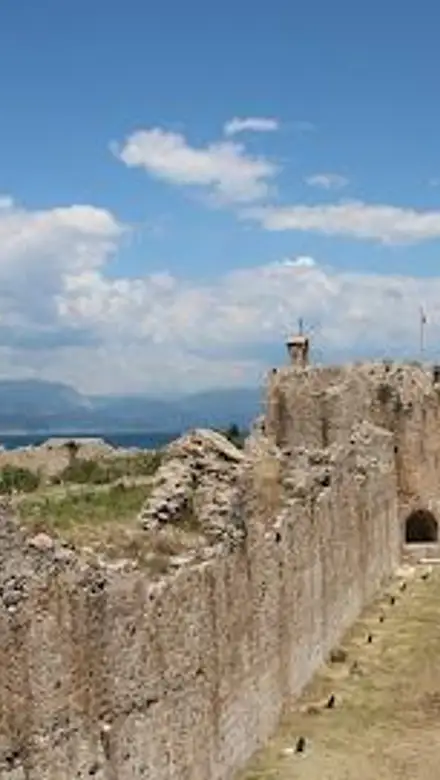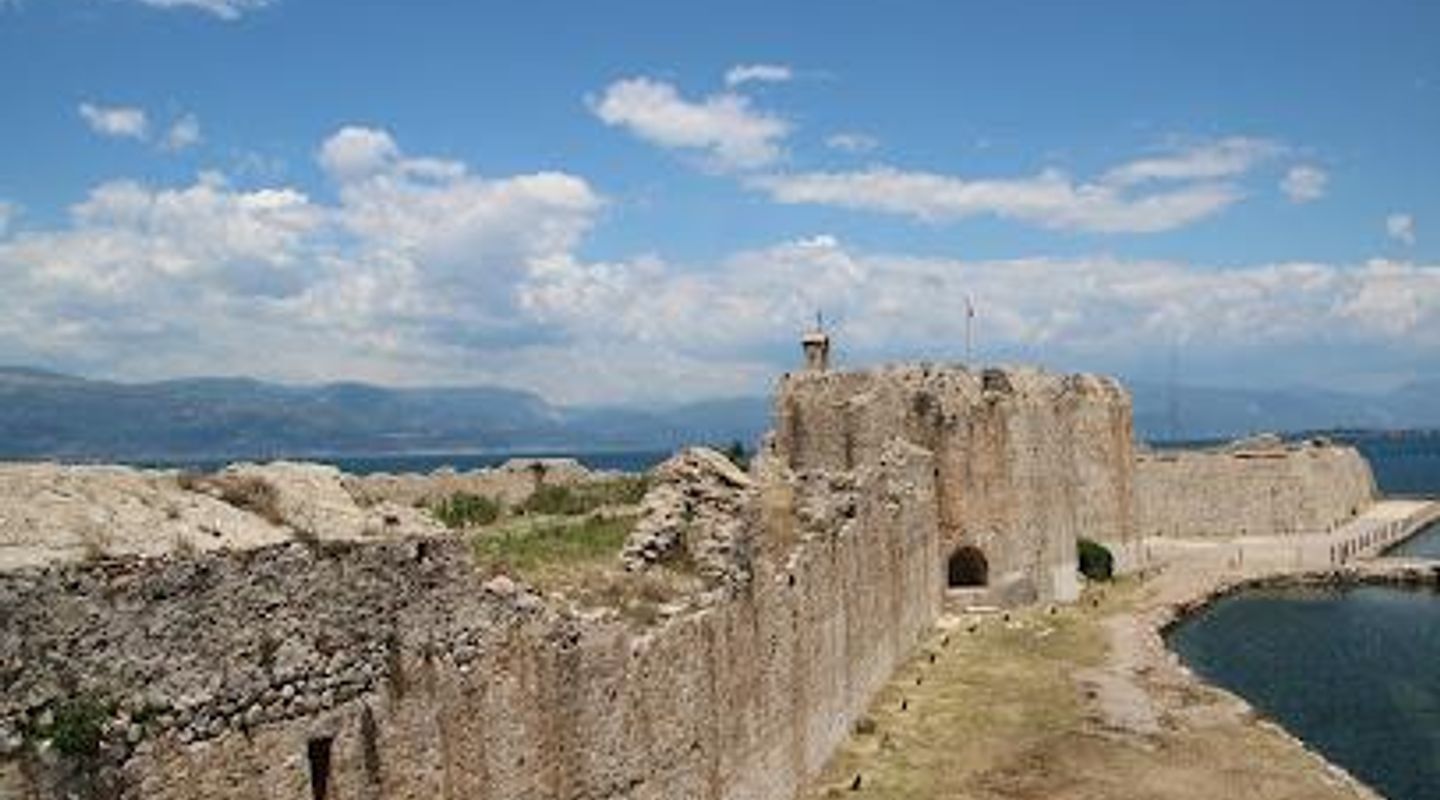
Rio Fortress, Patras Travel Guide
Explore the Rio Fortress, a historic guardian of the Corinthian Gulf with centuries of captivating stories and cultural significance.
The Rio Fortress, also known as Castelli of Moria, stands at the entrance of the Corinthian Gulf in Rio, Greece. Built in 1499 by Ottoman Sultan Bayazid II, it has a rich history, having been controlled by various powers including the Spanish and Venetians, and played a role in WWII. Today, it hosts cultural events and welcomes tourists.
A brief summary to Rio Fortress
- Ρίο, 265 04, GR
- Monday 8:30 am-3:30 pm
- Wednesday 8:30 am-3:30 pm
- Thursday 8:30 am-3:30 pm
- Friday 8:30 am-3:30 pm
- Saturday 8:30 am-4 pm
- Sunday 8:30 am-3:30 pm

Know before you go
Hi, I'm Eve. Here are a few practical things to know before exploring Rio Fortress.
- Check the opening hours in advance, as they vary between seasons.
- Wear comfortable shoes for exploring the fortress grounds.
- Visit during a cultural event or concert for a unique experience.
Do you manage this location?
Take control to get all the benefits, like improved information, better appearance, and stronger visibility across AI-powered discovery. Learn more about listing your business on Evendo
Activate your presenceOther nearby places you may find interesting
The closest places of the same kind, if this one is not quite what you had in mind.
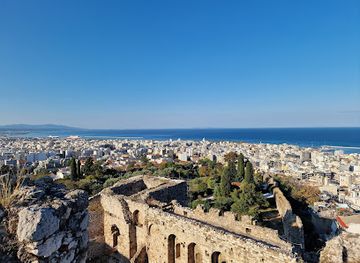
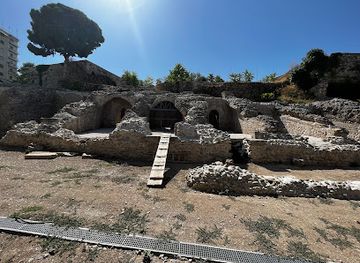


Explore Rio Fortress on the Map
A handpicked selection of must-see spots near Rio Fortress, mapped for you.
Getting There
-
Public Transport
From Patras, take the local bus to Rio. Buses frequently operate from Patras to Rio. Once in Rio, the fortress is a short walk from the bus stop, near the Rio-Antirrio Bridge. A single bus fare from Patras to Rio costs approximately €1.50 - €2.00.
-
Taxi
Taxis are readily available in Patras and can take you directly to the Rio Fortress. The journey takes about 15-20 minutes, depending on traffic. The approximate cost is €15-€20.
-
Walking
If you are arriving by ferry from Antirrio, the Rio Fortress is a short walk from the ferry terminal. Follow the coastal road towards the Rio-Antirrio Bridge; the fortress will be on your left. There are no costs associated with walking.
Discover more about Rio Fortress













Your all‑in‑one travel companion app
Explore expert travel guides, compare and book tours, experiences, hotels, and more—all from the palm of your hand. Download now for seamless trip planning wherever your wanderlust takes you.


Explore More of Patras
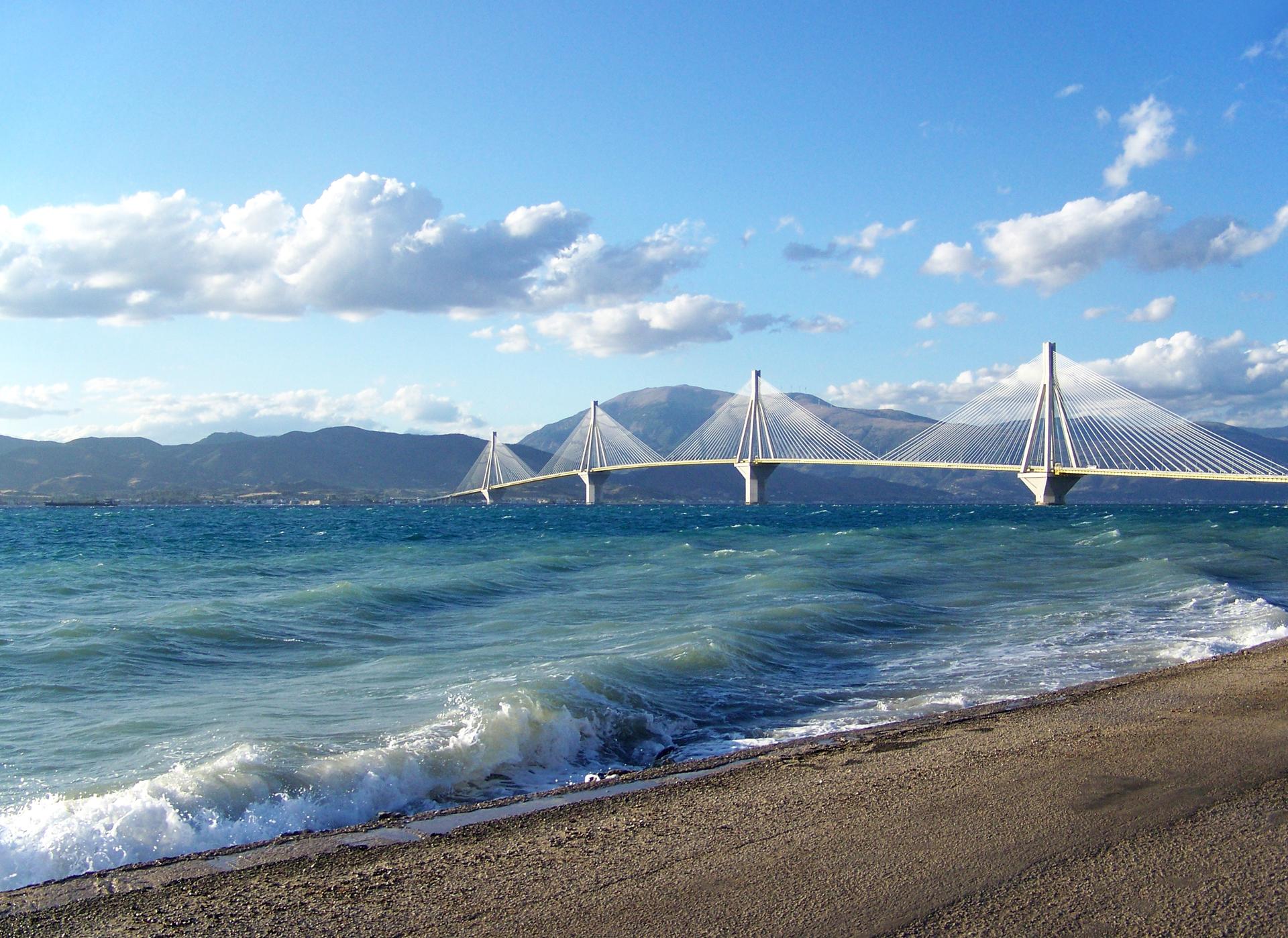
Looking beyond Rio Fortress? Discover Patras for broader travel guides, local hot-spots, and regional highlights.
Explore Patras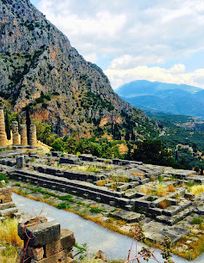
Explore the ruins of the Temple of Apollo in Delphi, the spiritual center of the ancient world, and discover the mysteries of the Oracle.
Experience the Charilaos Trikoupis Bridge: An iconic Greek landmark connecting Rio and Antirrio with stunning views and engineering brilliance.