

Free Agat Travel Guide & Mobile App
Plan your Agat trip with Evendo. Get free guides to top attractions, restaurants, hotels, and bars. Web access or download the mobile app.


Agat, Guam, offers calm beaches, Chamorro culture and Second World War history, with coastal parks, reef views and access to southern landscapes.
A Coastal Chamorro Community
Agat is a small municipality on Guam’s southwestern coast, where village life, broad shoreline views and a layered Chamorro history shape the visitor experience. The community stretches along a coastal plain backed by forested hills and limestone ridges, with the waters of Agat Bay opening towards offshore reefs. Its atmosphere is quieter and more residential than the resort districts around Tumon, making it a useful base for exploring southern Guam at an unhurried pace.Read more about Agat
History Along the Shore
Beaches, Reefs and Southern Guam
When is the best time to visit Agat?
Best: March–May · 32°C| Month | High (°C) | Rainfall (mm) |
|---|---|---|
| January | 32 | 89 |
| February | 32 | 76 |
| March (best) | 32 | 64 |
| April (best) | 32 | 57 |
| May (best) | 32 | 56 |
| June | 32 | 66 |
| July | 32 | 87 |
| August | 32 | 91 |
| September | 32 | 91 |
| October | 32 | 89 |
| November | 31 | 80 |
| December | 31 | 89 |
Getting to and around Agat
How to get there
Transportation
Best attractions in Agat
Agat’s attractions combine coastal recreation with some of Guam’s most accessible Second World War landscapes. The Agat Unit of War in the Pacific National Historical Park interprets the 1944 American landing area through shoreline sites, memorials and surviving wartime features, while Ga’an Point provides a particularly evocative setting for understanding the fighting along the coast. Agat Beach and Nimitz Beach offer broad stretches of shoreline for picnicking, views and sea-based activities when conditions are suitable. The waters of Agat Bay bring reefs, fishing areas and changing island light into the experience, although visitors should check local conditions before swimming or snorkelling. Inland, Mount Alifan introduces the forested and limestone character of southern Guam, with walking opportunities that require preparation. Village churches, community spaces and local food stops add a human dimension to a district best explored by car and at a slower pace.
-
Tourist attraction
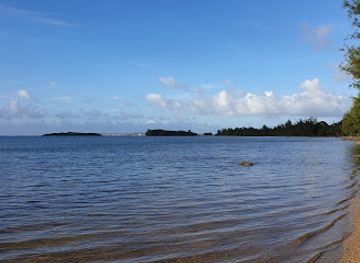
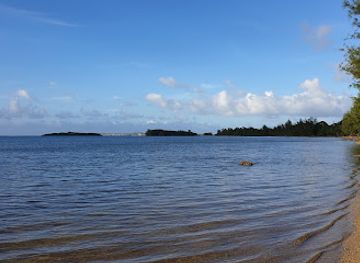
Agat Bay, Guam
Discover Agat Bay, Guam: where history meets stunning beaches, vibrant marine life, and tranquil island charm.
5 min drive · 1.7 km from city centre
-
Historical landmark
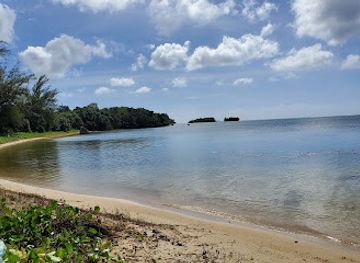
Agat Invasion Beach
Explore Agat Invasion Beach in Guam: a historic WWII landing site offering a blend of remembrance, reflection, and recreation.
10 min walk · 0.8 km from city centre
Best landmarks in Agat
Agat’s most meaningful landmarks are closely tied to Chamorro community life and the island’s wartime history. Our Lady of Mount Carmel Church anchors an important Catholic tradition, with the parish and its annual fiesta reflecting the role of faith and family in village identity. Along the coast, the Agat Unit of War in the Pacific National Historical Park preserves and interprets locations associated with the 1944 liberation landings. Ga’an Point is particularly significant for its wartime memorial landscape, defensive remnants and commanding position over the water. The shoreline at Agat Beach also functions as a historical landmark because the physical coast formed part of the landing area, while Mount Alifan gives the district a natural point of reference and recalls the steep terrain that shaped military movement inland. Together, these places connect everyday Agat with Guam’s wider Chamorro and Pacific history.
-
National park
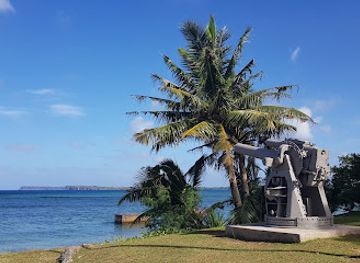
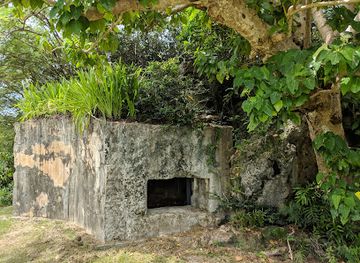
Agat Unit | Ga'an Point
Explore Guam's WWII history at Agat Unit | Ga'an Point, featuring Japanese fortifications and guns amidst a scenic coastal landscape.
9 min walk · 0.7 km from city centre
-
Asian Fusion
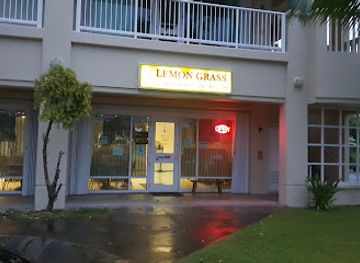
Lemon Grass Restaurant
Experience Asian fusion cuisine with local Guam ingredients at Lemon Grass Restaurant in Hågat. A culinary delight awaits!
6 min drive · 2.1 km from city centre
-
Tourist attraction
Agat Bay, Guam
Discover Agat Bay, Guam: a blend of WWII history, vibrant marine life, and tranquil beaches perfect for snorkeling, diving, and relaxation.
5 min drive · 1.7 km from city centre
-
Historical landmark
Agat Invasion Beach
Explore Guam's Agat Invasion Beach: a historic WWII landing site offering reflection, exploration, and beautiful coastal scenery.
10 min walk · 0.8 km from city centre
Explore Agat on the map
Plan your Agat trip on one map. See where the top attractions, landmarks, restaurants, bars and hotels are, find what's near where you're staying, and book hotels and experiences in a few clicks.
Best hotels in Agat
Best restaurants in Agat
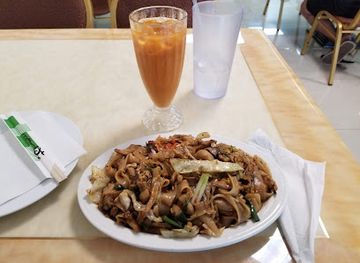
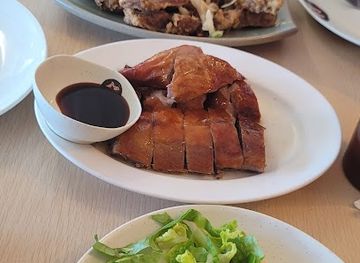
Agat’s dining scene is modest and local rather than concentrated in a formal restaurant quarter. Small family-run eateries, takeaway counters, village stores and roadside food businesses reflect Guam’s Chamorro heritage alongside American, Filipino and wider Pacific influences. Visitors may encounter dishes such as red rice, chicken or seafood kelaguen, barbecue and finadene, a spicy soy-based condiment whose flavour varies between households and cooks. Fresh seafood and coconut appear in island cooking, while fiesta food can bring larger communal menus to the village. The most atmospheric opportunities often arise around community events, church celebrations and informal meals rather than polished dining rooms. Because Agat has fewer commercial options than Tumon or Hagåtña, travellers staying in the south should plan meals around the day’s route and carry water and simple provisions when visiting remote beaches or historic sites.
-
Restaurant
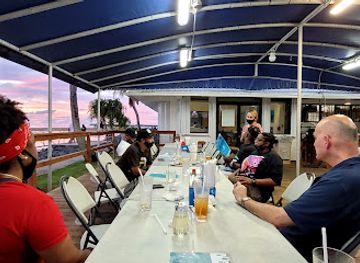
Marina Grill
Experience authentic Guam cuisine at Marina Grill, where fresh seafood meets breathtaking marina views for an unforgettable dining experience.
5 min drive · 1.8 km from city centre
-
Mexican
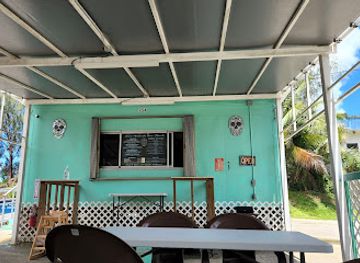
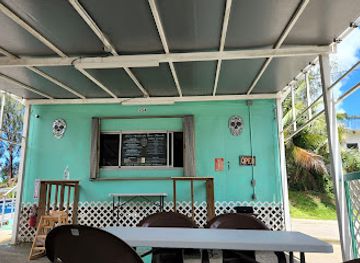
Buen Provecho Taco Shack
Discover the vibrant flavors of Mexico at Buen Provecho Taco Shack in Hågat - where every taco tells a delicious story.
6 min drive · 2.0 km from city centre
-
Asian Fusion
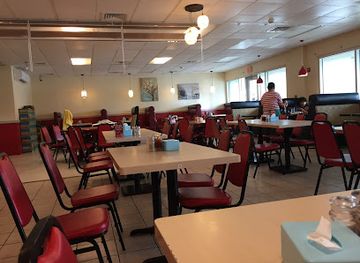
Lemon Grass Restaurant
Discover exceptional Asian fusion cuisine at Lemon Grass Restaurant in Hågat, Guam – where every dish tells a flavorful story.
6 min drive · 2.1 km from city centre
-
Chinese
Agat Lee Garden
Discover authentic Chinese cuisine at Agat Lee Garden in Guam, where flavorful dishes meet warm hospitality in an inviting setting.
6 min drive · 2.1 km from city centre
Best bars in Agat
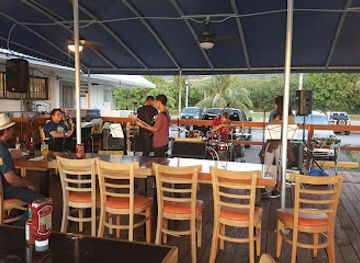
Agat does not have a concentrated nightlife district or a notable club scene. Evenings are generally quiet, with social life centred on family gatherings, local restaurants, village events and community or church activities rather than late-night entertainment. Small bars and casual venues may provide beer, conversation and televised sport, but the atmosphere is more neighbourhood-oriented than resort-based. Visitors seeking live music, cocktail bars, theatres or larger evening venues will find a broader choice in Hagåtña, Tamuning and Tumon, which require a drive from Agat. Sunset along Agat Bay can be an appealing evening experience in its own right, although coastal conditions and lighting vary and isolated areas should not be treated as nightlife venues. During fiestas and public celebrations, music, food stalls and social gatherings may temporarily bring a livelier character to the village.
-
Restaurant
Marina Grill
Discover the flavors of Guam at Marina Grill, where fresh seafood meets breathtaking coastal views in a vibrant dining atmosphere.
5 min drive · 1.8 km from city centre
-
Mexican
Buen Provecho Taco Shack
Experience authentic Mexican cuisine at Buen Provecho Taco Shack in Hågat, Guam, where each bite is a flavorful journey.
6 min drive · 2.0 km from city centre
-
Asian Fusion
Lemon Grass Restaurant
Experience the vibrant tastes of Asian fusion cuisine at Lemon Grass Restaurant in Hågat, Guam - a must-visit for food enthusiasts.
6 min drive · 2.1 km from city centre
-
Chinese
Agat Lee Garden
Discover the rich flavors of authentic Chinese cuisine at Agat Lee Garden in Guam, where every dish tells a delicious story.
6 min drive · 2.1 km from city centre
Best shops in Agat
Shopping in Agat is practical and community-based rather than organised around a large retail district. Small village stores and convenience businesses provide everyday supplies, drinks and snacks, while local food sellers may offer prepared dishes associated with Guam’s home cooking. Travellers looking for Chamorro crafts, woven goods, locally made food products or distinctive souvenirs will generally find a wider selection in Hagåtña, Tumon and larger commercial areas elsewhere on the island. Community fiestas and cultural events can provide more personal opportunities to encounter local food, handmade items and parish-related fundraising stalls, although the selection varies. The most useful purchases before exploring Agat’s beaches and wartime sites are water, sun protection and provisions for the road. Visitors should distinguish locally made products from imported souvenirs and ask politely about provenance when buying crafts.
-
Vaporizer store
Puff Supply Guam - Agat
Explore Puff Supply Guam - Agat, the ultimate vaporizer store offering a wide selection of quality products and exceptional customer service.
13 min walk · 1.0 km from city centre
-
Bakery
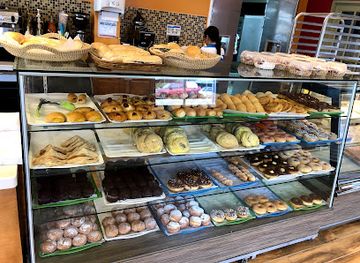
Pop's Bakeshop
Discover the delightful world of baked goods at Pop's Bakeshop in Hågat, Guam, where every treat is a blend of local flavors and sweet indulgence.
5 min drive · 1.6 km from city centre
-
Supermarket
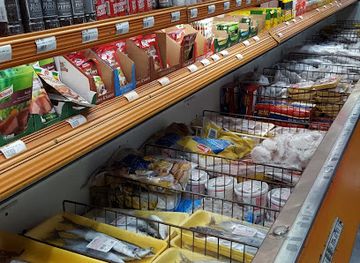
Agat Kim Chee Store
Experience the vibrant flavors of Guam at Agat Kim Chee Store, your local supermarket for fresh produce and traditional snacks.
10 min walk · 0.8 km from city centre
-
Market
Agat Oriental Market
Explore the vibrant flavors of Guam at Agat Oriental Market, where fresh produce and local delicacies come together in a cultural culinary experience.
5 min drive · 1.5 km from city centre

Get your free copy of our complete guide to Agat, delivered straight to you.
Everything on this page, from attractions and restaurants to essentials and local phrases, in one PDF you can read offline, print or share.
Already have an account? Sign in
Your Agat guide is ready.
We'll send it to · Not you? Sign out

Getting your guide ready…
We are putting together a fresh copy of the Agat guide. This can take up to a minute.
This can take a few moments. If your browser asks, choose Allow so the download can start. You'll find the guide in your Downloads folder.
Nothing happened? Download it again
Sorry, the guide is taking longer than usual. Please try again in a minute, or get it by email instead.
Agat essentials
Currency and Payment
Safety
Emergency Situations
Do's and Don'ts
Local Tips
From Eve
Local phrases worth knowing
You don't need to get them perfect. A few words go a long way, and locals appreciate the effort.
Basics
| English | Local | Say it |
|---|---|---|
| Hello | Håfa adai | [HA-fa a-DIE] |
| Goodbye | Adios | [a-DYOS] |
| Yes | Hao | [HAO] |
| No | Ti | [TEE] |
| Please/You're welcome | Fan boka/Na'sai | [fan BO-ka/NA-sai] |
| Thank you | Si Yu'us ma'åse | [SEE YOO-us ma-AH-se] |
| Excuse me/Sorry | Dispensa/Sinedåyu | [di-SPEN-sa/si-ne-DAI-yu] |
| How are you? | Ña'mu hao maolek? | [NYA-mu HAO ma-oh-LEK] |
| Fine. And you? | Maolek. Hu gof maolek? | [ma-O-lek. hu gof ma-oh-LEK] |
| Do you speak English? | Inagof hao siha i Inglés? | [i-NA-gof HAO see-HA i in-GLES] |
| I don't understand | Ti hu sotba' hao | [TEE hu SOT-ba HAO] |
Eating & Drinking
| English | Local | Say it |
|---|---|---|
| I'd like to see the menu, please | Lao' hu manu, fan boka | [LA-oh hu MA-nu, fan BO-ka] |
| I don't eat meat | Ti hu manngge | [TEE hu MANG-ge] |
| Cheers! | Biba! | [BEE-ba] |
| I would like to pay, please | Lao' hu faguat, fan boka | [LA-oh hu fa-GWAT, fan BO-ka] |
Emergencies
| English | Local | Say it |
|---|---|---|
| Help! | Ayuda! | [a-YU-da] |
| Go away! | Kao tuge'! | [KAO tu-GE] |
| Call the Police! | Tåya i Polisia! | [TAI-ya i po-LI-si-a] |
| Call a doctor! | Tåya i sinseru! | [TAI-ya i sin-SE-ru] |
| I'm lost | Atmåt yu' | [at-MAT yu] |
| I'm ill | Inasångan yu' | [i-na-SANG-gan yu] |
Shopping
| English | Local | Say it |
|---|---|---|
| I'd like to buy... | Lao' hu belen... | [LA-oh hu BE-len] |
| I'm just looking | Ti hu siña | [TEE hu SEE-nya] |
| How much is it? | Kånto båba? | [KAN-to BA-ba] |
| That's too expensive | Kao demasiadu esta | [KAO de-ma-SEE-ado ES-ta] |
| Can you lower the price? | Kånto na'i? | [KAN-to na-EE] |
Time & Numbers
| English | Local | Say it |
|---|---|---|
| What time is it? | Kånto na oras? | [KAN-to na O-ras] |
| It's one o'clock | Apat na oras | [a-PAT na O-ras] |
| Half past (10) | Dås na medio (10) | [DAS na me-DYO (10)] |
| Morning | Gof mañaina | [gof ma-NYA-ina] |
| Afternoon | Gof tapångngelo | [gof ta-PANG-ge-lo] |
| Evening | Gof atdao | [gof AT-dow] |
| Yesterday | Kåumulang | [KAN-mu-lang] |
| Today | I tano' | [i TA-no] |
| Tomorrow | I lunes | [i LU-nes] |
| 1 | Uno | [U-no] |
| 2 | Dos | [DOS] |
| 3 | Tres | [TRES] |
| 4 | Kuåtro | [KWA-tro] |
| 5 | Singko | [SING-ko] |
| 6 | Sais | [SAIS] |
| 7 | Siette | [SI-et-te] |
| 8 | Ocho | [O-cho] |
| 9 | Nuebi | [NWE-bi] |
| 10 | Dies | [DYES] |
Transport & Directions
| English | Local | Say it |
|---|---|---|
| Where's a/the...? | Ånna i... | [AN-na i] |
| What's the address? | Sumåti i direksion? | [su-MAT-i i di-rek-SYON] |
| Can you show me (on the map)? | Puede i mapatgue (gi i mapa)? | [pwe-DE i ma-PAT-gwe (gi i MA-pa)] |
| When's the next (bus)? | Kånto na siguru? | [KAN-to na si-GU-ru] |
| A ticket (to ....) | Un bilite (gi ...) | [un bi-LI-te (gi)] |
History of Agat
Chamorro Settlement and Coastal Life
Agat developed within the long history of Chamorro settlement on Guam, whose people built communities around fishing, farming, seafaring and relationships with the island’s reefs and forests. The favourable coastal plain and sheltered bay supported movement and subsistence well before European rule. Although much of the visible townscape has changed, Chamorro language, family networks, Catholic traditions and community celebrations remain important parts of Agat’s identity. The surrounding hills and shoreline also preserve the geographical setting that shaped village life: the sea provided food and routes of travel, while inland terrain offered protection, freshwater and cultivated land.
Spanish Colonial Transformation
Spanish colonial rule brought Catholic missionisation, new administrative structures and profound social change to Guam. Agat became one of the island’s established coastal settlements during this period, with village life increasingly organised around the church and colonial authorities while Chamorro customs adapted under pressure. Catholicism remains particularly visible through the village’s parish traditions and the importance of Our Lady of Mount Carmel. Spanish influence can also be traced through family names, religious observances and elements of Guam’s cultural vocabulary, although Agat’s identity is not simply colonial: it developed through the continuing adaptation and resilience of its Chamorro community.
War and Japanese Occupation
Guam was captured by Japan in December 1941 and remained under occupation for more than two and a half years. Chamorro residents experienced military control, forced labour, shortages and displacement, while the island’s strategic position made its coastline central to the conflict in the Pacific. Agat and the surrounding southwest became part of a heavily contested military landscape. Reminders of the period include defensive positions, wartime remnants and the terrain recorded by War in the Pacific National Historical Park. The occupation left deep memories across Guam, particularly among families whose lives were disrupted or who endured violence and forced movement.
The Liberation Landings of 1944
On 21 July 1944, American forces began the liberation of Guam with landings on the western side of the island, including the Agat area. Soldiers came ashore amid naval bombardment and intense fighting, advancing inland against Japanese positions. The campaign continued until Guam was secured in August, bringing an end to the occupation but leaving villages, infrastructure and farmland severely damaged. Agat’s beaches and Ga’an Point are now associated with this operation, and their memorials and interpretive displays help explain the scale of the fighting. The landing sites are historical landscapes as well as coastal recreation areas.
Rebuilding and Contemporary Agat
After liberation, Agat and other Guam communities faced reconstruction, the return of displaced families and the rapid expansion of American military influence. Roads, public facilities and new housing reshaped the village, while traditional community bonds and Catholic observances continued. Guam’s political position as an unincorporated territory of the United States also influenced its economy, infrastructure and connection with the wider Pacific. Contemporary Agat combines residential village life with parks, beaches, small businesses and heritage sites. Its wartime history is prominent, but daily identity is equally expressed through family gatherings, local food, church life and the annual Our Lady of Mount Carmel fiesta.
Agat in Photos
Browse through our photo collection highlighting the charm and character of the destination.
Cities near Agat
The closest cities to Agat, if you have time for more than one stop.
-

-

-
-

-


Swipe for more cities
Explore more
Explore more of Guam
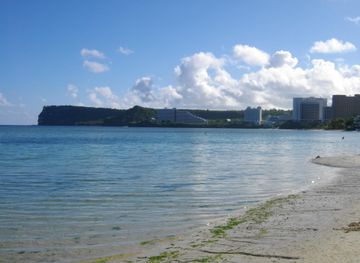
Discover Guam: A tropical paradise offering pristine beaches, rich Chamorro culture, and diverse marine life, perfect for adventure seekers and relaxation enthusiasts alike.
Explore Guam