

Free Agana Heights Travel Guide & Mobile App
Plan your Agana Heights trip with Evendo. Get free guides to top attractions, restaurants, hotels, and bars. Web access or download the mobile app.


Agana Heights, Guam offers elevated views near Hagåtña, Chamorro heritage, island history and a quieter base for exploring the capital district.
Above Hagåtña
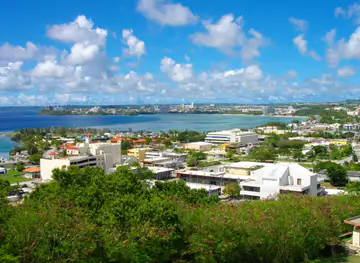
Agana Heights is a small residential village on the slopes immediately south of Hagåtña, Guam’s capital. Known in Chamorro as Maite Heights, it occupies an elevated position between the capital district and the southern villages, with roads climbing through quiet streets rather than a concentrated tourist centre. From higher ground, glimpses towards Hagåtña Bay and the western coastline reveal how closely the village is connected to Guam’s urban core.Read more about Agana Heights
A Capital-District Base
Island History and Everyday Life
When is the best time to visit Agana Heights?
Best: January–March · 30–31°C| Month | High (°C) | Rainfall (mm) |
|---|---|---|
| January (best) | 30 | 100 |
| February (best) | 30 | 90 |
| March (best) | 31 | 100 |
| April | 31 | 120 |
| May | 32 | 160 |
| June | 32 | 220 |
| July | 32 | 280 |
| August | 32 | 310 |
| September | 32 | 280 |
| October | 31 | 250 |
| November | 31 | 190 |
| December | 30 | 120 |
Getting to and around Agana Heights
How to get there
Transportation
Best attractions in Agana Heights
Agana Heights itself is chiefly a residential village, so its appeal lies in its elevated setting and proximity to Hagåtña rather than a large collection of standalone attractions. A short drive below leads to Plaza de España, the former Spanish colonial government complex; nearby, the Guam Museum introduces the island’s Chamorro heritage and modern history. The Hagåtña waterfront and Paseo de Susana offer open space and coastal views, while Chamorro Village combines food stalls, crafts and community activity when events are taking place. Visitors interested in the landscape can use the village as a starting point for exploring central Guam by car, linking the capital with beaches, villages and war-history sites elsewhere on the island. The contrast between Agana Heights’s quiet streets and Hagåtña’s civic and historic core gives a more grounded sense of how Guam’s contemporary communities are arranged.
-
Night market
Chamorro Night Market
Experience Guam's vibrant culture, cuisine, and crafts at the Chamorro Village Night Market, a weekly Wednesday celebration in Hagåtña.
5 min drive · 1.6 km from city centre
-
Historical place museum
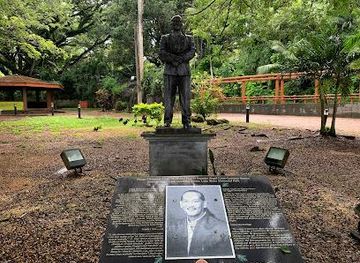
Senator Angel Leon Guerrero Santos Latte Stone Memorial Park
Explore ancient Chamorro heritage at Hagåtña's Latte Stone Memorial Park, a tribute to Senator Angel Santos and Guam's rich culture.
14 min walk · 1.1 km from city centre
-
Tourist attraction
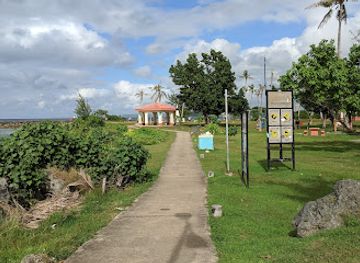
Agana Boat Basin
Discover Guam's beauty and history at Agana Boat Basin: scenic waterfront, cultural insights, and tranquil relaxation in Hagåtña.
5 min drive · 1.6 km from city centre
-
Catholic church
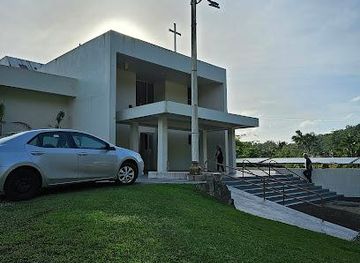
Our Lady of Purification Catholic Church
Discover the spiritual beauty and cultural heritage of Guam at Our Lady of Purification Catholic Church in Maina.
16 min walk · 1.3 km from city centre

Best landmarks in Agana Heights
Agana Heights has few major monuments of its own, but its elevated position looks towards the historic landmarks of Hagåtña. The Dulce Nombre de Maria Cathedral-Basilica stands at the centre of Guam’s Catholic life and occupies a site associated with the island’s Spanish mission history. Nearby Plaza de España preserves remnants of the former colonial administrative compound, including the Azotea and other structures that evoke Spanish rule. The Latte Stone Park presents examples of the distinctive Chamorro megalithic pillars, while the nearby statue of Chief Kepuha commemorates a prominent seventeenth-century Chamorro leader. The Guam Congress Building and surrounding civic spaces represent the island’s modern political identity. Together, these landmarks explain the relationship between Indigenous heritage, Spanish Catholic institutions, American administration and Guam’s contemporary capital district.
-
Hamburger
Mosa's Joint
Experience Guam's best burgers, vegetarian options, and a vibrant atmosphere at Mosa's Joint in the heart of Hagåtña.
18 min walk · 1.5 km from city centre
-
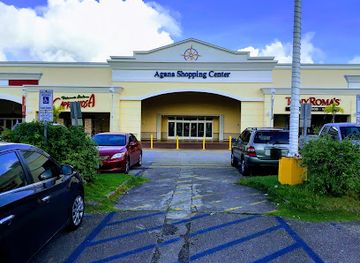
Shopping mall
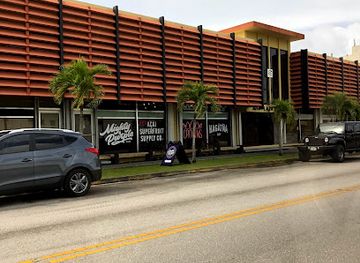
Agaña Shopping Center
Discover a diverse mix of shopping, dining, and entertainment at Agaña Shopping Center, the heart of Hagåtña, Guam.
17 min walk · 1.3 km from city centre
-
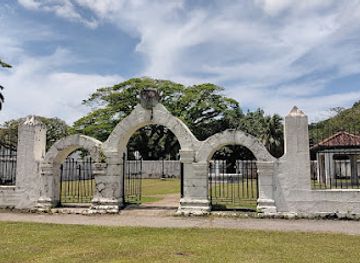
Historical landmark
Plaza de España
Explore Guam's Spanish colonial past at Plaza de España, a historical landmark in Hagåtña featuring preserved structures and lush gardens.
16 min walk · 1.3 km from city centre
-
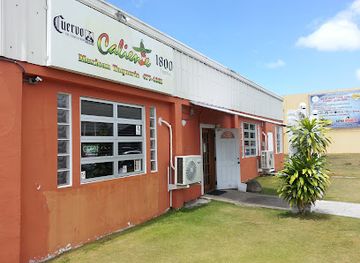
Mexican
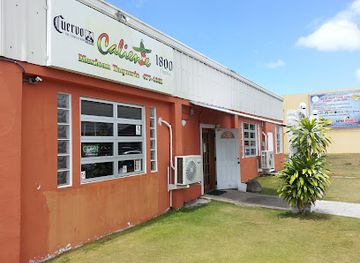
Caliente Restaurant
Experience authentic Mexican flavors in Guam's capital city at Caliente Restaurant, offering a vibrant atmosphere and delicious dishes for everyone.
5 min drive · 1.5 km from city centre
Explore Agana Heights on the map
Plan your Agana Heights trip on one map. See where the top attractions, landmarks, restaurants, bars and hotels are, find what's near where you're staying, and book hotels and experiences in a few clicks.
Best hotels in Agana Heights
Best restaurants in Agana Heights
Agana Heights has a small, primarily local dining scene rather than a visitors’ restaurant quarter. For the broadest choice, travellers usually head downhill to Hagåtña or north towards Tamuning and Tumon, where Chamorro cooking appears alongside Filipino, Japanese, Korean and American influences. Local specialities may include kelaguen, finely chopped meat or seafood seasoned with citrus and coconut, red rice, barbecue and dishes prepared with donne’ sali, a local chilli. Chamorro Village is associated with informal food stalls and market-style eating when its organised events are operating, while Hagåtña’s cafés and family restaurants offer more everyday settings. Guam’s island geography and Pacific connections are reflected in seafood, coconut, rice and strong marinades. Menus and opening patterns can change, so a flexible approach is useful outside the main commercial districts.
-
Hamburger
Mosa's Joint
Discover Mosa's Joint in Guam – where gourmet hamburgers meet local flavors in an inviting atmosphere perfect for all travelers.
18 min walk · 1.5 km from city centre
-
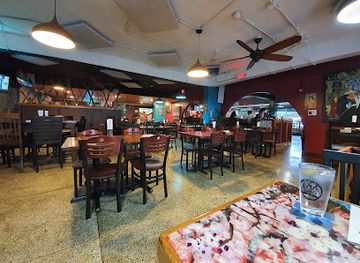
Mexican
Caliente Restaurant
Experience authentic Mexican cuisine in Hagåtña at Caliente Restaurant – where flavor meets affordability in a vibrant setting.
5 min drive · 1.5 km from city centre
-
Fast Food
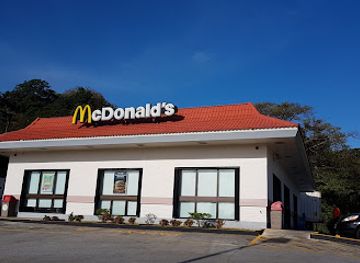
McDonald's
Discover the comforting taste of McDonald's in Hagåtña—where global flavors meet local charm for an unforgettable dining experience.
13 min walk · 1.0 km from city centre
-
Italian
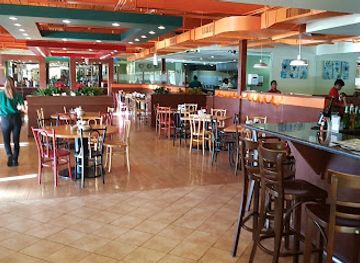
Capricciosa Restaurant
Experience authentic Italian flavors at Capricciosa Restaurant in Guam – where every meal feels like a journey to Italy.
17 min walk · 1.3 km from city centre
Best bars in Agana Heights
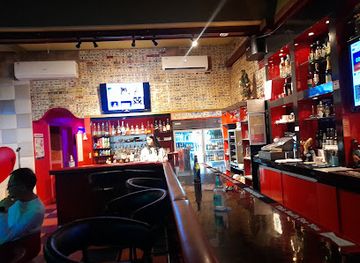
Agana Heights is not a nightlife district, and evenings in the village are generally quiet and residential. The closest concentration of cultural and social activity is in Hagåtña, where community events, restaurants and occasional live performances provide a more local setting than the hotel strip. For bars, late dining and larger entertainment venues, visitors generally travel north to Tumon and Tamuning, where resort hotels and commercial areas offer the island’s broadest evening choice. Guam’s nightlife often combines casual bars, karaoke, live music and hotel entertainment rather than a tightly defined club quarter. Events at Chamorro Village and other civic spaces can add music, food and community atmosphere, but schedules vary. Arrange transport in advance when returning to Agana Heights, particularly if drinking, as the village’s roads are not designed for a late-night pedestrian circuit.
-
Brewpub
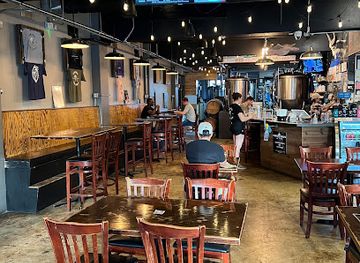
Carabao Brewing
Discover the essence of Guam at Carabao Brewing, where local flavors meet craft brews in a vibrant brewpub atmosphere.
18 min walk · 1.4 km from city centre
-
Karaoke bar
Las Vegas Karaoke & Bar
Experience the ultimate karaoke night at Las Vegas Karaoke & Bar in Hagåtña, Guam, where music and friendship come together for an unforgettable evening.
5 min drive · 1.6 km from city centre
-
Bar
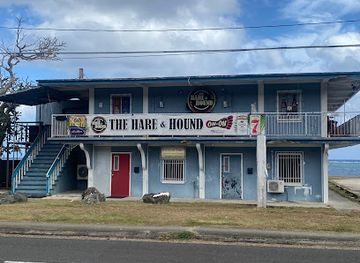
The Hare and Hound
Enjoy refreshing drinks and vibrant video karaoke at The Hare and Hound, a premier beachfront bar in Guam, perfect for a fun night out.
5 min drive · 1.6 km from city centre
-
Gay bar
The Gay Bar
Discover the lively and inclusive atmosphere of The Gay Bar in Hagåtña, where fun and acceptance unite for an unforgettable nightlife experience.
5 min drive · 1.6 km from city centre

Best nightclubs in Agana Heights
Agana Heights is not a nightlife district, and evenings in the village are generally quiet and residential. The closest concentration of cultural and social activity is in Hagåtña, where community events, restaurants and occasional live performances provide a more local setting than the hotel strip. For bars, late dining and larger entertainment venues, visitors generally travel north to Tumon and Tamuning, where resort hotels and commercial areas offer the island’s broadest evening choice. Guam’s nightlife often combines casual bars, karaoke, live music and hotel entertainment rather than a tightly defined club quarter. Events at Chamorro Village and other civic spaces can add music, food and community atmosphere, but schedules vary. Arrange transport in advance when returning to Agana Heights, particularly if drinking, as the village’s roads are not designed for a late-night pedestrian circuit.
-
Karaoke bar
Las Vegas Karaoke & Bar
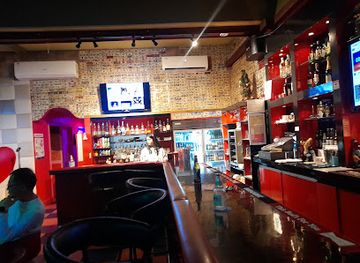
Discover the ultimate karaoke experience in Guam at Las Vegas Karaoke & Bar, where music, laughter, and unforgettable moments await.
5 min drive · 1.6 km from city centre
Best shops in Agana Heights
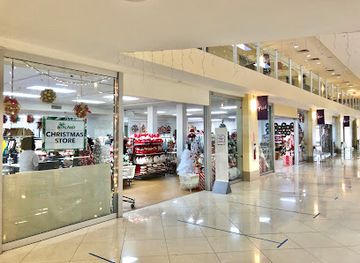
Shopping in Agana Heights is mainly local and practical, with no large retail district or traditional market concentrated within the village. Visitors seeking crafts, souvenirs and regional food products usually travel to nearby Hagåtña, particularly Chamorro Village when its market activities are operating. There, stalls may feature woven goods, shell jewellery, local artwork, clothing and prepared food, although the exact mix varies by event and vendor. Hagåtña’s shops and galleries provide a quieter alternative to the large commercial centres of Tamuning and Tumon, where visitors find department stores, convenience retailers and branded goods. Guam’s shopping culture also reflects its position in the western Pacific, with American products alongside Japanese, Korean, Filipino and Chamorro influences. Compare materials and provenance when buying handicrafts, and remember that market schedules and individual stalls may change.
-
Department store
SM Island Guam
Explore the vibrant SM Island Guam for an unparalleled shopping experience, blending local charm with global fashion trends in the heart of Hagåtña.
17 min walk · 1.4 km from city centre
-
Outdoor clothing and equipment shop
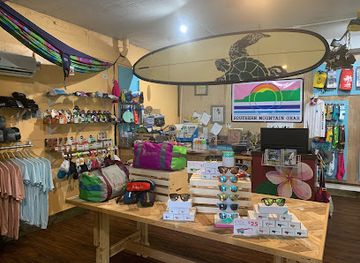
SOUTHERN MOUNTAIN GEAR
Discover high-quality outdoor clothing and equipment at Southern Mountain Gear in Hagåtña, Guam, and embrace your next adventure with confidence.
18 min walk · 1.5 km from city centre
-
Clothing store
Crowns Guam
Explore Crowns Guam for a unique shopping experience that blends local culture and contemporary fashion in the heart of Hagåtña.
17 min walk · 1.3 km from city centre
-
Shopping mall
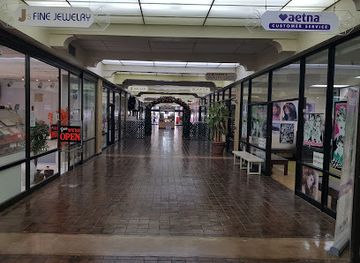
Julale Shopping Center
Explore the Julale Shopping Center in Hagåtña, Guam, for a unique shopping experience blending local culture and diverse retail options.
16 min walk · 1.3 km from city centre
Get your free copy of our complete guide to Agana Heights, delivered straight to you.
Everything on this page, from attractions and restaurants to essentials and local phrases, in one PDF you can read offline, print or share.
Already have an account? Sign in
Your Agana Heights guide is ready.
We'll send it to · Not you? Sign out

Getting your guide ready…
We are putting together a fresh copy of the Agana Heights guide. This can take up to a minute.
This can take a few moments. If your browser asks, choose Allow so the download can start. You'll find the guide in your Downloads folder.
Nothing happened? Download it again
Sorry, the guide is taking longer than usual. Please try again in a minute, or get it by email instead.
Agana Heights essentials
Currency and Payment
Safety
Emergency Situations
Do's and Don'ts
Local Tips
From Eve
Local phrases worth knowing
You don't need to get them perfect. A few words go a long way, and locals appreciate the effort.
Basics
| English | Local | Say it |
|---|---|---|
| Hello | Håfa Adai | [hah-fah ah-die] |
| Goodbye | Adios | [ah-dyohs] |
| Yes | Hågu | [hah-goo] |
| No | Ti hu | [tee hoo] |
| Please/You're welcome | Por fabor | [pohr fah-bohr] |
| Thank you | Si Yu'os Ma'åse | [see yoo-oss mah-ah-seh] |
| Excuse me/Sorry | Dispensa yo' | [dees-pehn-sah yoh] |
| How are you? | Cómo estás? | [koh-moh eh-stahs] |
| Fine. And you? | Ma'åse. Ya ti hu? | [mah-ah-seh. yah tee hoo] |
| Do you speak English? | Hu sangan i Inglés? | [hoo sahng-ahn ee een-glays] |
| I don't understand | Ti hu entiende | [tee hoo ehn-tyehn-deh] |
Eating & Drinking
| English | Local | Say it |
|---|---|---|
| I'd like to see the menu, please | Kao mohon gi menyu, por fabor | [kow moh-hohn gee mehn-yoo, pohr fah-bohr] |
| I don't eat meat | Ti kumåna karne | [tee koo-mahn-ah kahr-neh] |
| Cheers! | Biba! | [bee-bah] |
| I would like to pay, please | Kao mohon gi pago, por fabor | [kow moh-hohn gee pah-goh, pohr fah-bohr] |
Emergencies
| English | Local | Say it |
|---|---|---|
| Help! | Ayuda! | [ah-yoo-dah] |
| Go away! | Lågu! | [lah-goo] |
| Call the Police! | Llamåt i Pulåsiya! | [yah-maht ee poo-lah-see-yah] |
| Call a doctor! | Llamåt i duktur! | [yah-maht ee dook-toor] |
| I'm lost | Ti hu humåna | [tee hoo hoo-mahn-ah] |
| I'm ill | Ti hu mohon | [tee hoo moh-hohn] |
Shopping
| English | Local | Say it |
|---|---|---|
| I'd like to buy... | Kao mohon kumprå... | [kow moh-hohn koom-prah] |
| I'm just looking | Ti man-måsåma'yo' | [tee mahn-mah-sah-mah-yoh] |
| How much is it? | Kåntu esta? | [kahn-too ehs-tah] |
| That's too expensive | Munga' kumuentos | [muhng-ah koo-mwehn-tos] |
| Can you lower the price? | Måtai kumuentos? | [mah-tahy koo-mwehn-tos] |
Time & Numbers
| English | Local | Say it |
|---|---|---|
| What time is it? | Kåntu na ora? | [kahn-too nah oh-rah] |
| It's one o'clock | Bai na ora | [bahy nah oh-rah] |
| Half past (10) | Måske (10) | [mah-skay (tehn)] |
| Morning | Tåtden | [tah-tdehn] |
| Afternoon | Agupa' | [ah-goo-pah] |
| Evening | Gåba' | [gah-bah] |
| Yesterday | Kåhapon | [kahn-hah-pohn] |
| Today | Yan | [yahn] |
| Tomorrow | Ñalun | [nyah-loon] |
| 1 | Uno | [oo-noh] |
| 2 | Dos | [dohs] |
| 3 | Tres | [trehs] |
| 4 | Kuatro | [kwah-troh] |
| 5 | Singko | [seeng-koh] |
| 6 | Sais | [sah-ees] |
| 7 | Siete | [syeh-teh] |
| 8 | Otso | [oht-soh] |
| 9 | Nuebe | [nwheh-beh] |
| 10 | Dies | [dyehs] |
Transport & Directions
| English | Local | Say it |
|---|---|---|
| Where's a/the...? | Åfok i... | [ah-fohk ee] |
| What's the address? | Kåntu i direksion? | [kahn-too ee dee-rehk-syon] |
| Can you show me (on the map)? | Måtai kumuentos (gi mapå)? | [mah-tahy koo-mwehn-tos gee mah-pah] |
| When's the next (bus)? | Kåntu na siguiente (bus)? | [kahn-too nah seen-tee-ehn-teh boos] |
| A ticket (to ....) | Un billete (gi...) | [oon bee-yeh-teh gee] |
History of Agana Heights
Chamorro Settlement Before Colonial Rule
Guam’s human history stretches back more than 3,500 years, when seafaring ancestors settled the Mariana Islands and developed the Indigenous Chamorro civilisation. Communities were organised around coastal resources, farming, fishing and exchange, while latte stones—paired pillars supporting houses of status—became a distinctive architectural expression. The elevated hills around present-day Agana Heights formed part of the wider landscape of Hagåtña and central-western Guam, although the modern village boundaries did not yet exist. Chamorro society maintained complex kinship networks and maritime connections across the archipelago before European colonisation transformed political, religious and economic life.
Spanish Mission and Colonial Hagåtña
Spanish missionary activity began in 1668, when Jesuit priest Diego Luis de San Vitores established a permanent mission at Hagåtña, then commonly rendered as Agana. Conversion, settlement policies and the resistance that followed led to the prolonged Chamorro-Spanish conflict of the late seventeenth century. Hagåtña became the centre of Spanish administration, Catholic mission life and regional trade. The hills south of the capital, including the area associated with modern Agana Heights, remained largely peripheral to the colonial town but were tied to its farms, routes and expanding settlement. Spanish influence survives in Guam’s Catholic traditions, place names and historic buildings.
From Spanish Guam to American Administration
Spain ceded Guam to the United States under the Treaty of Paris in 1898 after the Spanish-American War. The US Navy administered the island until 1950, when the Organic Act of Guam granted US citizenship and established a civilian government. During the first half of the twentieth century, Hagåtña remained the island’s administrative heart, while surrounding uplands gradually became more closely settled. Agana Heights emerged as a distinct village within this changing capital landscape. Its location above Hagåtña reflects the postwar pattern of residential growth spreading beyond the older colonial centre.
War, Occupation and Liberation
Japanese forces occupied Guam from December 1941 until American forces returned in July 1944. The occupation brought shortages, forced labour and disruption, while the liberation campaign caused severe destruction in Hagåtña and other populated areas. Much of the capital was rebuilt after the war, and government functions, housing and roads were reorganised across the central plateau and surrounding hills. Agana Heights belongs to this postwar geography: its identity developed as Guam recovered, expanded residential settlement and constructed a modern civic infrastructure around the largely rebuilt capital district.
Contemporary Village Identity
Modern Agana Heights is one of Guam’s smaller villages and functions chiefly as a residential community within the capital’s wider urban area. Its history is therefore inseparable from Hagåtña’s transformation from Spanish colonial settlement to American-administered capital and contemporary island-government centre. Guam’s political status as an unincorporated US territory, Chamorro cultural revitalisation and the continuing importance of Catholic and family traditions all shape local identity. Today, the village’s elevated roads and homes form a quieter counterpart to the civic buildings, museums and waterfront spaces below.
Agana Heights in Photos
Browse through our photo collection highlighting the charm and character of the destination.
Cities near Agana Heights
The closest cities to Agana Heights, if you have time for more than one stop.
-
-

-

-

-


Swipe for more cities
Explore more
Explore more of Guam
Discover Guam: A tropical paradise offering pristine beaches, rich Chamorro culture, and diverse marine life, perfect for adventure seekers and relaxation enthusiasts alike.
Explore Guam