

Acueducto de Pinula Travel Guide
Free Guide: Explore the historic Acueducto de Pinula in Guatemala City, an 18th-century aqueduct showcasing colonial engineering and cultural heritage.


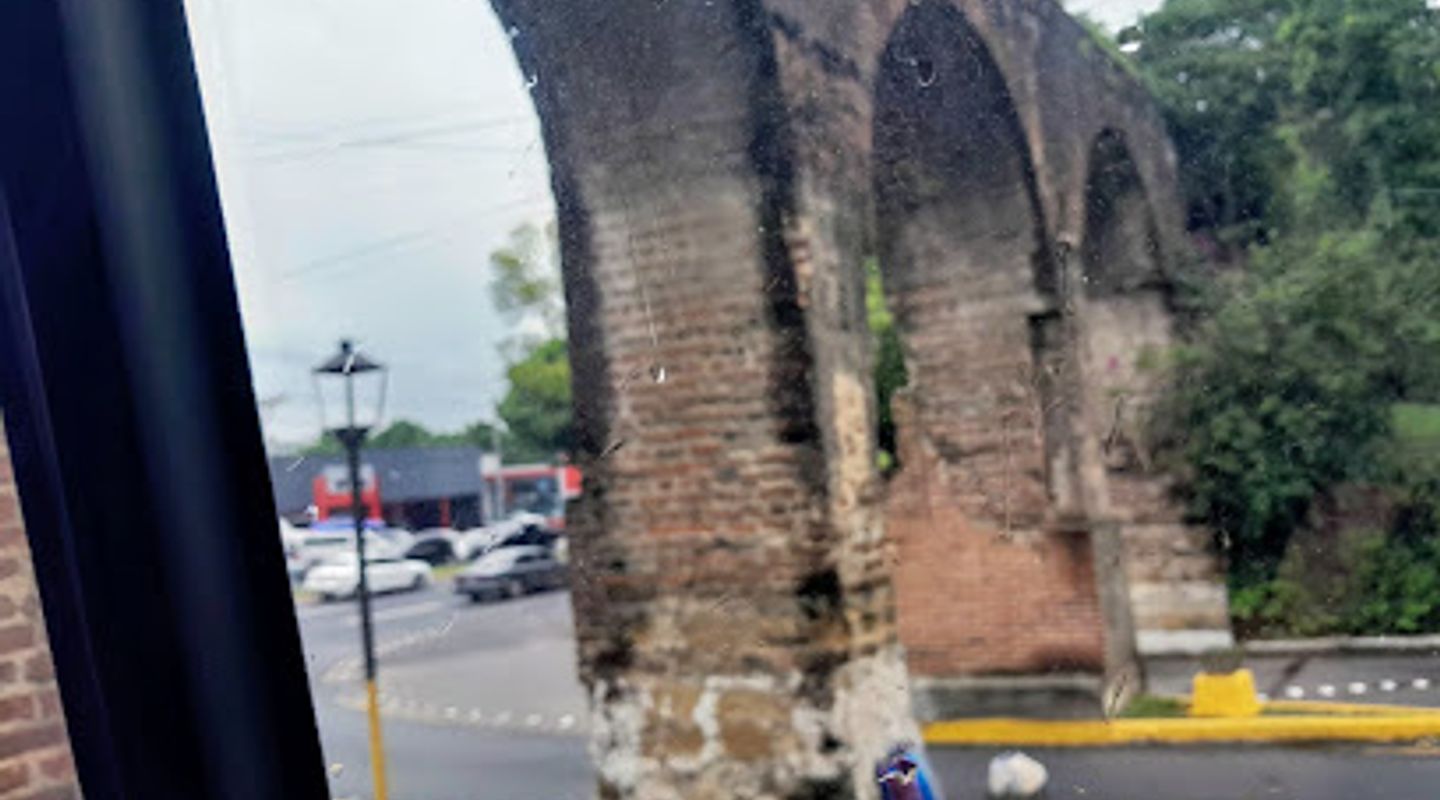
A brief summary of Acueducto de Pinula
Explore the historic Acueducto de Pinula in Guatemala City, an 18th-century aqueduct showcasing colonial engineering and cultural heritage.
The Acueducto de Pinula, also known as Los Arcos, is a historical aqueduct in Guatemala City, constructed in the late 18th century. Designed by architect José Bernardo Ramírez, it supplied water to the city from 1776 to 1938. Today, it stands as a testament to colonial engineering and a reminder of the city's rich history.
- Address
- HFVJ+Q9H, Avenida Las Americas, Cdad. de Guatemala
Getting there
Public Transport
Taxi
Discover more about Acueducto de Pinula
Overview
The Acueducto de Pinula, also called Los Arcos, is an iconic historical landmark in Guatemala City. Constructed between 1776 and 1786, it represents one of the first hydraulic engineering projects in the city. The aqueduct was designed by architect José Bernardo Ramírez, commissioned by Don Martín de Mayorga, following the relocation of the capital to Nueva Guatemala de la Asunción. Its primary purpose was to channel water from the Pinula River to the growing population.The aqueduct's structure features a series of arches made of bricks and cement, extending approximately 5 kilometers. The water was distributed through subterranean networks made of baked clay and bricks. The system had a total capacity of approximately 2000 cubic meters.While parts of the aqueduct have been damaged over the years due to earthquakes and urban growth, the Guatemalan Ministry of Culture has taken steps to preserve and protect it. In 1986, regulations were passed to safeguard this historical monument. Today, visitors can explore the aqueduct, appreciate its architecture, and learn about its significance in Guatemala City's history. The surrounding area offers a tranquil escape and photo opportunities, making it a worthwhile destination for history buffs and tourists alike.
Evendo Review Centre
 Google
Guest reviews
Explore Acueducto de Pinula on the map
A handpicked selection of must-see spots near Acueducto de Pinula, mapped for you.
Get your free copy of our complete guide to Acueducto de Pinula, delivered straight to you.
Everything on this page, from opening hours and how to get there to Eve’s tips and the best time to go, in one PDF you can read offline, print or share.
Already have an account? Sign in
Your Acueducto de Pinula guide is ready.
We'll send it to · Not you? Sign out

Getting your guide ready…
We are putting together a fresh copy of the Acueducto de Pinula guide. This can take up to a minute.
This can take a few moments. If your browser asks, choose Allow so the download can start. You'll find the guide in your Downloads folder.
Nothing happened? Download it again
Sorry, the guide is taking longer than usual. Please try again in a minute, or get it by email instead.
Other nearby places you may find interesting
The closest places of the same kind, if this one is not quite what you had in mind.
-
-
-
-
-


Swipe for more places
More to explore near Acueducto de Pinula

 Best experiences near Acueducto de Pinula
 Best hotels near Acueducto de Pinula
 Best landmarks near Acueducto de Pinula
 Best attractions near Acueducto de Pinula
 Best shops near Acueducto de Pinula
 Best restaurants near Acueducto de Pinula
 Best bars near Acueducto de Pinula
Do you manage this location?
Take control to get all the benefits, like improved information, better appearance, and stronger visibility across AI-powered discovery.
Explore more

Explore more of Central Highlands
Discover the Central Highlands of Guatemala: A journey through stunning landscapes, rich culture, and ancient history, from the serene Lake Atitlán to the historic city of Antigua.
Explore Central Highlands
Explore more of Guatemala
Discover Guatemala: A land of ancient Mayan wonders, breathtaking natural beauty, and vibrant cultural experiences. Perfect for history buffs, nature lovers, and adventure seekers.
Explore Guatemala
