

Free Central Highlands Travel Guide & Mobile App
Explore Central Highlands with free travel guides. Discover regional history, expert tips, proposed trips, and audio guides on web or mobile app.


Explore Guatemala’s Central Highlands through Antigua’s colonial streets, Maya markets, volcanic landscapes, Lake Atitlán and highland coffee country.
Read more about Central Highlands
When is the best time to visit Central Highlands?
Best: March–April, October · 24–25°C| Month | High (°C) | Rainfall (mm) |
|---|---|---|
| January | 22 | 4 |
| February | 22 | 4 |
| March (best) | 24 | 6 |
| April (best) | 25 | 10 |
| May | 26 | 16 |
| June | 26 | 18 |
| July | 26 | 16 |
| August | 26 | 18 |
| September | 26 | 20 |
| October (best) | 25 | 18 |
| November | 23 | 10 |
| December | 22 | 6 |
Getting to and around Central Highlands
How to get there
Transportation
Destinations in Central Highlands
Resorts, valleys and scenic spots worth a trip of their own.

Swipe for more destinations
Best attractions in Central Highlands
The Central Highlands combine major archaeological, colonial, cultural and outdoor attractions within a mountainous landscape. Guatemala City offers museums, galleries and the archaeological park of Kaminaljuyu, where ancient Maya remains survive amid the modern capital. Antigua Guatemala is the region’s most concentrated historic attraction, with churches, convent ruins, civic buildings and streets shaped by its former colonial importance. Near Tecpán, Iximché places ceremonial plazas and temples within a highland setting and provides essential context for Kaqchikel history. Lake Atitlán is both a natural attraction and a network of communities, with boat journeys linking Panajachel, Santiago Atitlán, San Juan La Laguna and other lakeside settlements. Visitors can find weaving, painting, coffee and community-based cultural experiences alongside walking and kayaking. Chichicastenango is known for its large market and the continuing religious importance of Santo Tomás Church. Volcano walks, cycling, birdwatching and visits to coffee-producing areas add an active dimension, although weather, altitude and road conditions should be taken seriously.
-
Tourist attraction
Palacio Nacional de la Cultura
Discover Guatemala's rich history and culture at the Palacio Nacional de la Cultura, an architectural masterpiece in the heart of Guatemala City.
-
Tourist attraction
Sitio Arqueológico Iximche
Discover the ancient Mayan capital of Iximché, an archaeological site where history and nature converge in breathtaking beauty.
-
Nature preserve
Reserva Natural Atitlán
Explore lush trails, hanging bridges, and ziplines in a vibrant nature reserve with stunning Lake Atitlán & volcano views near Panajachel.
-
Tourist attraction
Museo Miraflores
Explore ancient Maya civilization at Museo Miraflores in Guatemala City, featuring artifacts from Kaminaljuyu and insights into Mesoamerican history.


Best landmarks in Central Highlands
Antigua Guatemala’s ruined churches and convents are the Central Highlands’ most recognisable historic landmarks, including the monumental façade of Iglesia de La Merced, the arch of Santa Catalina and the remains of the former cathedral and convent complexes. Their damaged masonry records both the ambition of the colonial capital and the earthquakes that changed its history. Guatemala City’s Metropolitan Cathedral and National Palace of Culture define the civic centre, while Kaminaljuyu provides a more ancient landmark within the capital’s urban fabric. At Iximché, temple platforms and ceremonial plazas mark the former Kaqchikel capital on a ridge near Tecpán. Lake Atitlán itself is a geographical landmark, enclosed by volcanic slopes and associated with distinctive shoreline communities. Santo Tomás Church in Chichicastenango is significant for the way Catholic architecture and Maya religious practice coexist in a continuing ceremonial setting. Santa Catarina Palopó’s hillside settlement and painted façades provide a more contemporary visual marker of lakeside cultural renewal.
-
Park
Parque Central de Antigua Guatemala
Explore the charm of Parque Central de Antigua Guatemala, a cultural gem surrounded by stunning architecture and vibrant gardens in the heart of Antigua.
-
Park
Plaza de la Constitución
Explore Plaza de la Constitución, Guatemala City's vibrant cultural heart, rich in history, stunning architecture, and lively local traditions.
-
 Tourist attraction
Arco de Santa Catalina
Explore the captivating Arco de Santa Catalina in Antigua Guatemala, where history meets vibrant local culture against a backdrop of stunning architecture and volcanoes.
-
National park
Tikal National Park
Discover the ancient wonders and vibrant wildlife of Tikal National Park, a UNESCO World Heritage site in Guatemala, where history and nature converge beautifully.


Explore Central Highlands on the map
Plan your trip on one map. See where the top cities, national parks and sights are, and book hotels and experiences in a few clicks.
Best hotels in Central Highlands
Best restaurants in Central Highlands
Dining in the Central Highlands ranges from modern restaurants and cafés in Guatemala City and Antigua Guatemala to family-run comidas and market stalls in smaller towns. Pepián, a richly seasoned meat and vegetable stew thickened with toasted ingredients, is among Guatemala’s best-known traditional dishes, while tamales, chuchitos, fresh tortillas, beans and rice are common highland staples. Menus often include regional produce such as maize, avocados, vegetables, fruit and locally grown coffee; around Lake Atitlán, lake fish may appear, although availability varies. Antigua has the broadest choice of international and contemporary cooking, alongside bakeries, coffee houses and traditional Guatemalan kitchens. Panajachel and lakeside communities offer casual dining with views and a growing range of cafés, while rural areas tend to have simpler options. Food markets are useful for trying seasonal produce, sweets, atol and freshly prepared snacks, but visitors should choose busy stalls with good food turnover and sensible hygiene.
-
Restaurant
El Tenedor
Discover El Tenedor in Antigua: A vibrant restaurant blending local flavors with breathtaking views for an unforgettable dining experience.
-
Restaurant
Luna de Miel
Discover the sweet flavors of Antigua at Luna de Miel - a charming restaurant and dessert shop offering delightful dishes and decadent desserts.
-
Restaurant
Restaurante El Adobe zona 1
Discover authentic Guatemalan cuisine at Restaurante El Adobe in Zone 1, Guatemala City - a culinary haven for food lovers.
-
Cafe
Café Condesa
Discover the enchanting flavors at Café Condesa in Antigua Guatemala – where every meal is an experience!


Best bars in Central Highlands
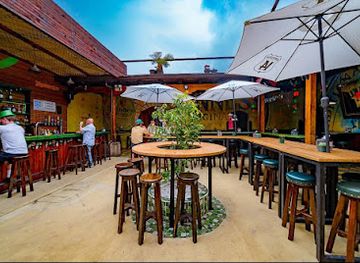
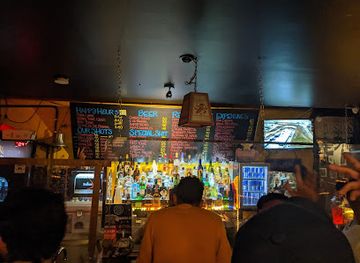
Evening life is concentrated in Guatemala City, Antigua Guatemala and Panajachel rather than spread evenly across the highlands. Guatemala City has the country’s broadest selection of cocktail bars, breweries, restaurants, live music and late venues, particularly in its established entertainment and dining areas. Antigua’s historic centre offers atmospheric courtyards, wine bars, cafés, traditional pubs and restaurants, with a nightlife scene shaped by visitors, language students and residents. Panajachel has informal bars, lakeside restaurants and venues with music, while other Lake Atitlán communities are generally quieter and may close early. In smaller towns, the evening often centres on a comedor, family gathering or local café rather than a dedicated club. Check transport arrangements before going out, especially around the lake, where boat services do not operate as a late-night taxi network.
-
Brewpub
Antigua Cerveza :: El Bosque
Explore the vibrant brewpub scene in Antigua Guatemala with unique craft beers and delightful local dishes at Antigua Cerveza: El Bosque.
-
Bar
Reilly's Antigua
Experience the vibrant nightlife and delicious cuisine at Reilly's Antigua, a top choice for socializing in the heart of Guatemala.
-
Brewery
Antigua Brewing Company
Discover the rich flavors of local craft beers at Antigua Brewing Company, a vibrant brewery in the heart of Antigua Guatemala.
-
Bar
Cafe No Se
Discover the vibrant atmosphere and local culture at Cafe No Se, a must-visit bar in Antigua Guatemala offering artisanal drinks and live music.


Best nightclubs in Central Highlands
Evening life is concentrated in Guatemala City, Antigua Guatemala and Panajachel rather than spread evenly across the highlands. Guatemala City has the country’s broadest selection of cocktail bars, breweries, restaurants, live music and late venues, particularly in its established entertainment and dining areas. Antigua’s historic centre offers atmospheric courtyards, wine bars, cafés, traditional pubs and restaurants, with a nightlife scene shaped by visitors, language students and residents. Panajachel has informal bars, lakeside restaurants and venues with music, while other Lake Atitlán communities are generally quieter and may close early. In smaller towns, the evening often centres on a comedor, family gathering or local café rather than a dedicated club. Check transport arrangements before going out, especially around the lake, where boat services do not operate as a late-night taxi network.
-
Bar
Reilly's Antigua
Experience the vibrant nightlife and delicious cuisine at Reilly's Antigua, a must-visit bar and restaurant in the heart of Guatemala's historic city.
-
Bar
Bajo Fondo Funk
Discover the lively nightlife of Guatemala City at Bajo Fondo Funk, where music, dance, and unique cocktails await.
-
Bar
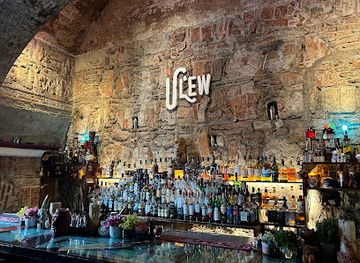
Ulew Cocktail Bar
Experience the vibrant nightlife of Antigua Guatemala at Ulew Cocktail Bar, where unique cocktails and a lively atmosphere await.
-
Bar
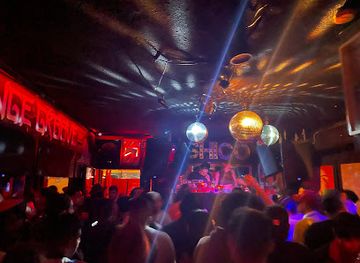
The Box Lounge Groove
Experience the vibrant nightlife of Guatemala City at The Box Lounge Groove, where live music and crafted cocktails create unforgettable memories.
Best shops in Central Highlands
Shopping in the Central Highlands is closely connected with markets, textiles and agricultural production. Chichicastenango is the region’s most famous market, where visitors encounter woven goods, household products, food and religious items, although the experience is primarily a working market rather than a staged souvenir outlet. Antigua has the widest range of galleries, craft shops, bookshops, jewellery sellers, clothing boutiques and stores offering coffee, chocolate and Guatemalan handicrafts. Around Lake Atitlán, San Juan La Laguna is associated with cooperatives producing textiles and natural-dye work, while other communities have their own weaving, painting or woodcarving traditions. Panajachel offers a large concentration of visitor-oriented stalls and shops. Look for information about materials, production and fair payment, and ask before photographing artisans or workshops. Coffee, cacao, woven fabrics, carved objects and small artworks are more meaningful purchases than mass-produced items falsely presented as local.
-
Shopping mall
Oakland Place Guatemala
Explore the vibrant shopping scene at Oakland Place Guatemala, where fashion, dining, and entertainment converge in a lively atmosphere.
-
Shopping mall
Portales Mall
Discover a shopping haven at Portales Mall in Guatemala City, where local culture meets international flair in a vibrant and inviting atmosphere.
-
Market
Mercado Central
Explore the vibrant Mercado Central in Guatemala City, where local culture, traditional foods, and unique handicrafts come together in a lively market experience.
-
Shopping mall
Parque Las Américas
Explore Parque Las Américas: A vibrant shopping mall in Guatemala City, blending local culture with international flair for an unforgettable experience.


Get your free copy of our complete guide to Central Highlands, delivered straight to you.
Everything on this page, from attractions and restaurants to essentials and local phrases, in one PDF you can read offline, print or share.
Already have an account? Sign in
Your Central Highlands guide is ready.
We'll send it to · Not you? Sign out

Getting your guide ready…
We are putting together a fresh copy of the Central Highlands guide. This can take up to a minute.
This can take a few moments. If your browser asks, choose Allow so the download can start. You'll find the guide in your Downloads folder.
Nothing happened? Download it again
Sorry, the guide is taking longer than usual. Please try again in a minute, or get it by email instead.
Central Highlands essentials
Currency and Payment
Safety
Emergency Situations
Do's and Don'ts
Local Tips
From Eve
Local phrases worth knowing
You don't need to get them perfect. A few words go a long way, and locals appreciate the effort.
Basics
| English | Local | Say it |
|---|---|---|
| Hello | Hola | [Oh-lah] |
| Goodbye | Adiós | [Ah-dee-ohs] |
| Yes | Sí | [See] |
| No | No | [No] |
| Please/You're welcome | Por favor | [Por fah-vor] |
| Thank you | Gracias | [Grah-see-as] |
| Excuse me/Sorry | Perdón | [Per-dohn] |
| How are you? | ¿Cómo estás? | [Koh-moh es-tahs] |
| Fine. And you? | Bien. ¿Y tú? | [Bee-en. Ee too] |
| Do you speak English? | ¿Hablas inglés? | [Ah-blahs een-glehs] |
| I don't understand | No entiendo | [No en-tee-en-doh] |
Eating & Drinking
| English | Local | Say it |
|---|---|---|
| I'd like to see the menu, please | Me gustaría ver el menú, por favor | [Meh goo-stah-ree-ah vehr el meh-noo, por fah-vor] |
| I don't eat meat | No como carne | [No koh-moh kar-neh] |
| Cheers! | ¡Salud! | [Sah-lood] |
| I would like to pay, please | Me gustaría pagar, por favor | [Meh goo-stah-ree-ah pah-gar, por fah-vor] |
Emergencies
| English | Local | Say it |
|---|---|---|
| Help! | ¡Ayuda! | [Ah-yoo-dah] |
| Go away! | ¡Vete! | [Veh-teh] |
| Call the Police! | ¡Llama a la policía! | [Yah-mah ah lah poh-lee-see-ah] |
| Call a doctor! | ¡Llama a un doctor! | [Yah-mah ah oon dok-tor] |
| I'm lost | Estoy perdido | [Es-toy per-dee-doh] |
| I'm ill | Estoy enfermo | [Es-toy en-fer-mo] |
Shopping
| English | Local | Say it |
|---|---|---|
| I'd like to buy... | Me gustaría comprar... | [Meh goo-stah-ree-ah kohm-prar] |
| I'm just looking | Solo estoy mirando | [Soh-lo es-toy mee-rahn-doh] |
| How much is it? | ¿Cuánto cuesta? | [Kwan-to kwes-tah] |
| That's too expensive | Es demasiado caro | [Es deh-mah-see-ah-doh kah-roh] |
| Can you lower the price? | ¿Puedes bajar el precio? | [Pweh-des bah-har el preh-sio] |
Time & Numbers
| English | Local | Say it |
|---|---|---|
| What time is it? | ¿Qué hora es? | [Keh oh-rah es] |
| It's one o'clock | Es la una | [Es lah oo-nah] |
| Half past (10) | Y diez y media | [Ee dyess ee meh-dee-ah] |
| Morning | Mañana | [Mah-nyah-nah] |
| Afternoon | Tarde | [Tar-deh] |
| Evening | Noche | [Noh-cheh] |
| Yesterday | Ayer | [Ah-yer] |
| Today | Hoy | [Oy] |
| Tomorrow | Mañana | [Mah-nyah-nah] |
| 1 | Uno | [Oo-no] |
| 2 | Dos | [Dohs] |
| 3 | Tres | [Tres] |
| 4 | Cuatro | [Kwah-tro] |
| 5 | Cinco | [Seen-koh] |
| 6 | Seis | [Says] |
| 7 | Siete | [Syet-eh] |
| 8 | Ocho | [Oh-cho] |
| 9 | Nueve | [Nweh-veh] |
| 10 | Diez | [Dyess] |
Transport & Directions
| English | Local | Say it |
|---|---|---|
| Where's a/the...? | ¿Dónde está un/una...? | [Dohn-deh es-tah oon/oo-nah] |
| What's the address? | ¿Cuál es la dirección? | [Kwahl es lah dee-rek-syon] |
| Can you show me (on the map)? | ¿Puedes mostrarme (en el mapa)? | [Pweh-des mos-trar-meh (en el mah-pah)] |
| When's the next (bus)? | ¿Cuándo es el próximo (autobús)? | [Kwan-doh es el prohk-see-mo (ow-toh-boos)] |
| A ticket (to ....) | Un boleto (a ....) | [Oon bo-leh-toh (ah ....)] |
History of Central Highlands
Kaminaljuyu and the Early Maya Highlands
Kaminaljuyu, now surrounded by Guatemala City, was one of the most important early urban centres in the Guatemalan highlands. Its occupation began centuries before the Common Era and developed through extensive agricultural, ceremonial and trading networks. The settlement’s reservoirs, mounds and sculpted monuments demonstrate the sophistication of highland Maya society, although much of the ancient city has been lost beneath modern development. Its surviving archaeological park provides a valuable reminder that the capital stands within a much older cultural landscape.
Iximché and Kaqchikel Power
Iximché was founded in the late fifteenth century as the capital of the Kaqchikel Maya and became an important political and ceremonial centre in the highlands. Its plazas, temples and palaces occupy a ridge near present-day Tecpán in Chimaltenango. In 1524, Pedro de Alvarado established a Spanish settlement at Iximché with the support, and under the changing political circumstances, of Kaqchikel rulers. Conflict soon followed, but the site remains central to understanding both pre-Hispanic power and the first stage of Spanish colonisation in Guatemala.
The Founding of Antigua Guatemala
The Spanish colonial capital was moved several times before Santiago de los Caballeros de Guatemala was established in the Panchoy Valley in 1543. Known today as Antigua Guatemala, it became the administrative and religious centre of the Captaincy General of Guatemala, with churches, convents, government buildings and private residences arranged around formal streets and plazas. Wealth came through administration, agriculture and regional trade, while religious orders shaped much of the city’s architecture and public life.
The Earthquakes of 1773
A sequence of major earthquakes in 1773 severely damaged Antigua Guatemala, destroying or weakening churches, convents and civic buildings. Colonial authorities decided to move the capital to a new site, where Guatemala City developed from 1776 onwards. Antigua was not entirely abandoned, but its damaged structures were no longer restored to their former political importance. The ruins and surviving façades that define the city today are therefore both architectural landmarks and evidence of a decisive change in Guatemala’s history.
Independence and the Rise of Guatemala City
Guatemala declared independence from Spain in 1821, entering a period of political uncertainty that included union and separation within the broader Central American region. Guatemala City became the country’s permanent political centre after the colonial capital moved there, and its institutions, roads and commercial districts expanded over the nineteenth and twentieth centuries. The city’s growth reflected national government, migration from rural areas and the development of new forms of commerce, education and cultural life.
Coffee, Land and Highland Communities
Coffee production expanded significantly in Guatemala during the nineteenth century, particularly in the fertile volcanic uplands around Antigua and other highland areas. Export agriculture brought roads, processing facilities and commercial wealth, but it also involved major changes in land ownership and labour. Indigenous communities continued to sustain maize cultivation, weaving and local trade while often facing pressure on land and working conditions. Coffee estates, small producers and agricultural markets remain part of the Central Highlands’ economic and cultural landscape.
Civil War, Memory and the 1996 Peace Accords
Guatemala’s armed conflict, which lasted from 1960 to 1996, affected highland communities through military operations, displacement, political repression and the disruption of local life. Maya communities in the central and western highlands experienced some of the conflict’s most severe consequences. The 1996 Peace Accords formally ended the war and recognised the importance of Guatemala’s multicultural and multilingual character, although reconciliation and social inequality remain ongoing issues. Museums, memorials and community initiatives provide important context for visitors seeking to understand the region beyond its colonial heritage.
Central Highlands in Photos
Browse through our photo collection highlighting the charm and character of the destination.
Neighbouring regions of Central Highlands
The closest regions to Central Highlands, if you have time for more than one.
-

-
-

-

-


Swipe for more regions
Explore more
Explore more of Guatemala
Discover Guatemala: A land of ancient Mayan wonders, breathtaking natural beauty, and vibrant cultural experiences. Perfect for history buffs, nature lovers, and adventure seekers.
Explore Guatemala