Rubane, Biombo Region Travel Guide
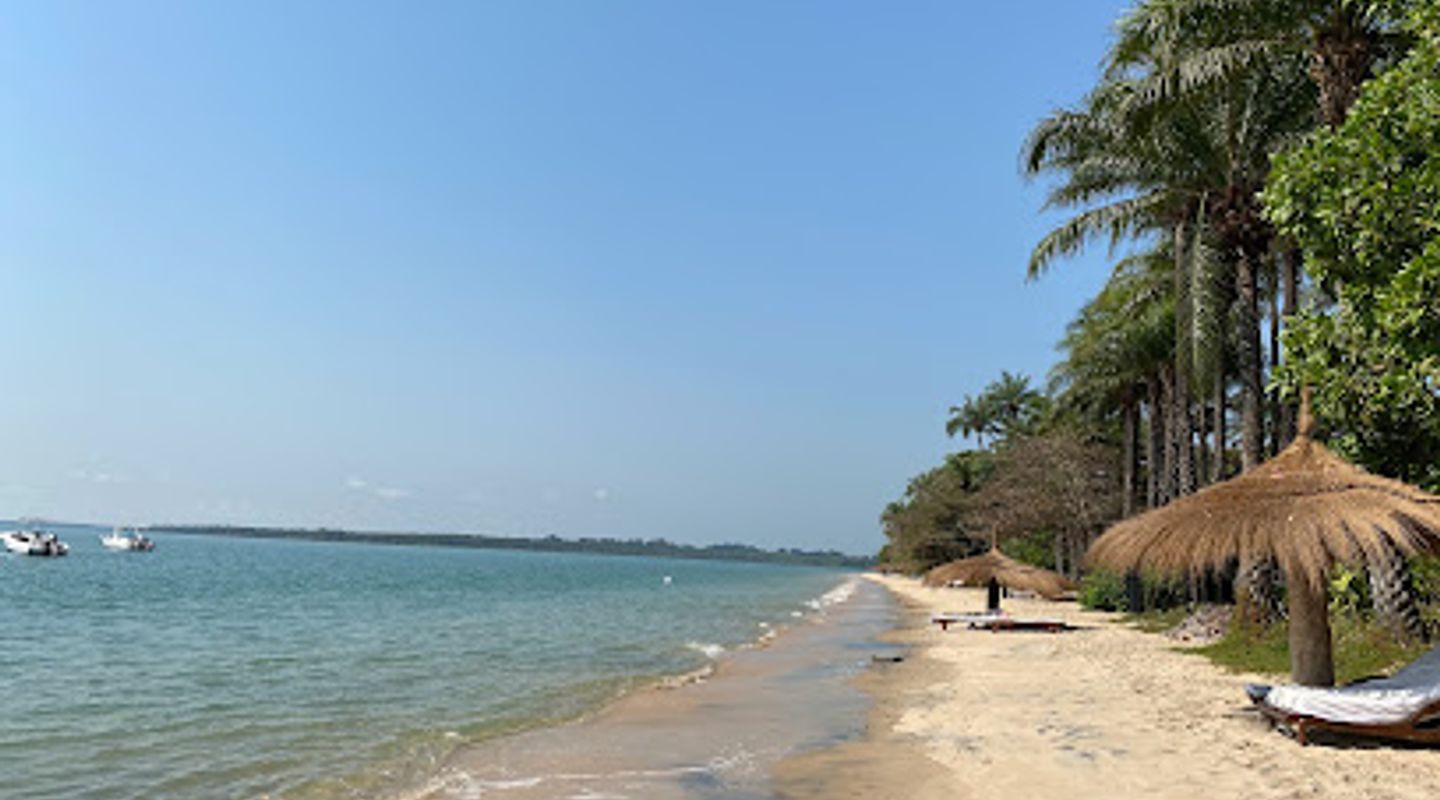
Explore the serene beauty of Rubane Island, a hidden gem in Guinea-Bissau, perfect for relaxation and nature adventures in a tranquil setting.
Rubane Island, nestled in Guinea-Bissau, is a serene paradise waiting to be explored. With its stunning landscapes, rich biodiversity, and peaceful atmosphere, it's the perfect getaway for tourists seeking relaxation and natural beauty.
A brief summary to Rubane
- GW

Know before you go
Hi, I'm Eve. Here are a few practical things to know before exploring Rubane.
- Visit during the dry season for the best weather and clearer waters.
- Bring snorkeling gear to fully enjoy the vibrant marine life around the island.
- Engage with local communities to learn about their culture and traditions.
- Pack essentials as amenities on the island may be limited.
- Stay hydrated and protect yourself from the sun while exploring the island.
Do you manage this location?
Take control to get all the benefits, like improved information, better appearance, and stronger visibility across AI-powered discovery. Learn more about listing your business on Evendo
Activate your presenceOther nearby places you may find interesting
The closest places of the same kind, if this one is not quite what you had in mind.
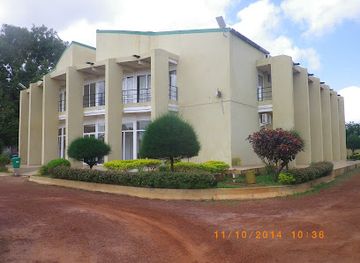
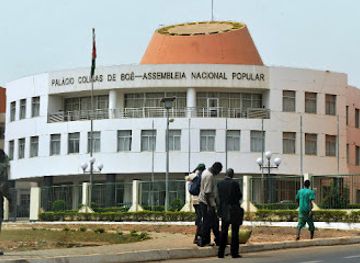
Explore Rubane on the Map
A handpicked selection of must-see spots near Rubane, mapped for you.
Getting There
-
Car
If you are traveling by car, start from the capital city of Bissau. Head southeast on the EN1 road towards the town of Quelelé. After about 3 km, take the exit onto the EN3 road towards Biombo Region. Continue on this road for approximately 20 km until you reach the town of Bula. From Bula, follow the signs towards the village of Rubane located on the island. You will need to take a local ferry from the mainland to the island. The ferry ride typically costs around 50 CFA per person and operates at regular intervals throughout the day. Once you arrive on Rubane, you can explore the beautiful island.
-
Public Transportation
For those using public transportation, you can take a shared taxi (also known as a ‘taxi-brousse’) from the main taxi station in Bissau towards Biombo Region. The fare to Bula is approximately 2,000 CFA. Once you reach Bula, you will need to find a local ferry service to take you to Rubane Island. The ferry costs around 50 CFA per person. Make sure to check the ferry schedule, as it may vary depending on the time of year. After crossing to Rubane, you can explore the island's attractions.
Discover more about Rubane













Your all‑in‑one travel companion app
Explore expert travel guides, compare and book tours, experiences, hotels, and more—all from the palm of your hand. Download now for seamless trip planning wherever your wanderlust takes you.


Explore More of Biombo Region
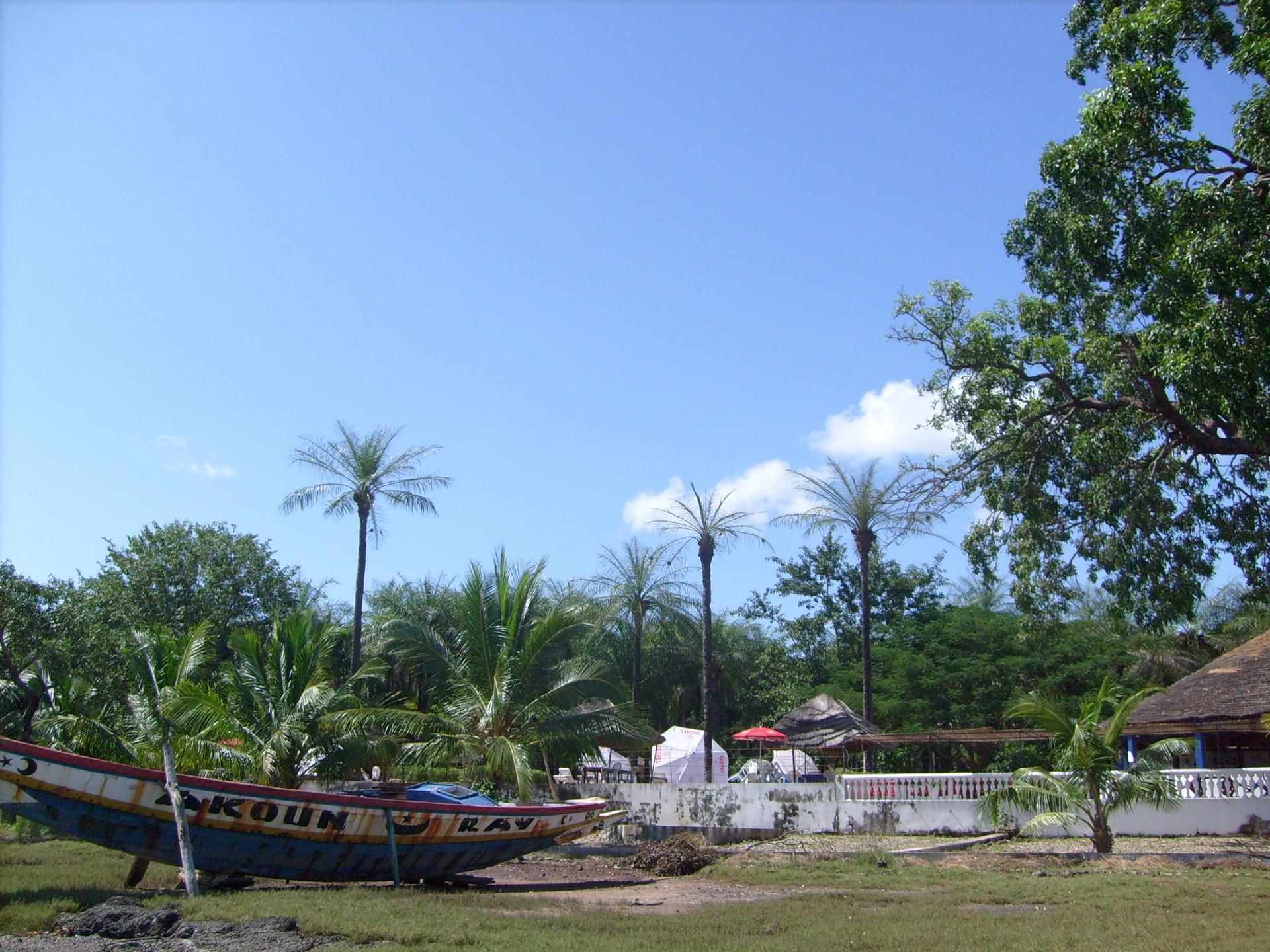
Looking beyond Rubane? Discover Biombo Region for broader travel guides, local hot-spots, and regional highlights.
Explore Biombo Region