

Free Biombo Region Travel Guide & Mobile App
Explore Biombo Region with free travel guides. Discover regional history, expert tips, proposed trips, and audio guides on web or mobile app.


Discover Biombo Region near Bissau through mangroves, rice fields, cashew country, Pepel heritage and Atlantic coastal landscapes.
Read more about Biombo Region
When is the best time to visit Biombo Region?
Best: December–February · 29–32°C| Month | High (°C) | Rainfall (mm) |
|---|---|---|
| January (best) | 31 | 1 |
| February (best) | 32 | 3 |
| March | 33 | 7 |
| April | 35 | 34 |
| May | 33 | 79 |
| June | 31 | 189 |
| July | 30 | 350 |
| August | 30 | 450 |
| September | 30 | 350 |
| October | 31 | 150 |
| November | 30 | 30 |
| December (best) | 29 | 1 |
Getting to and around Biombo Region
How to get there
Transportation
Top city travel guides in Biombo Region
The cities of Biombo Region, and the easiest places to base yourself.
-

-


Swipe for more cities
Best attractions in Biombo Region
-
Cultural center
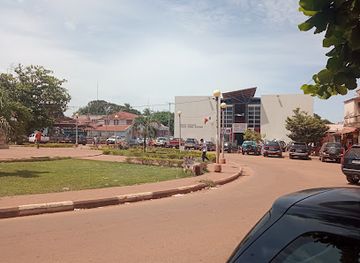
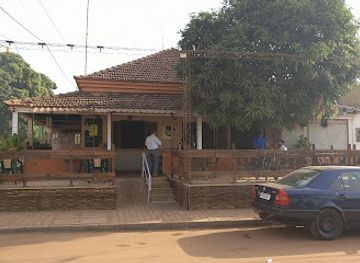
Centro Cultural Franco-Bissau-Guineense
Explore the vibrant arts and culture of Guinea-Bissau at the Centro Cultural Franco-Bissau-Guineense, a hub for creativity in Bissau.
-
Garden
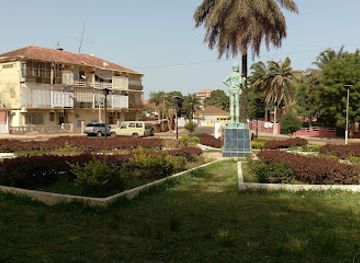
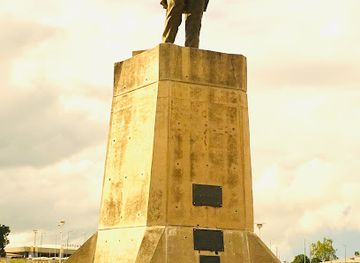
Praca Titina Silá
Discover serenity at Praca Titina Silá, Bissau's beautiful garden oasis offering a perfect escape into nature's embrace.
-
Museum
BISSAU
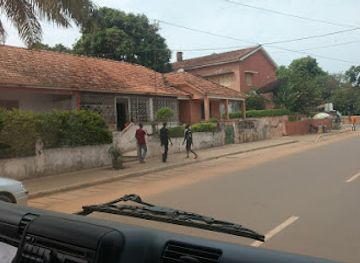
Experience the vibrant culture and rich history of Bissau, the capital city of Guinea-Bissau, with its museums, markets, and welcoming atmosphere.
-
Castle
Fort São José da Amura
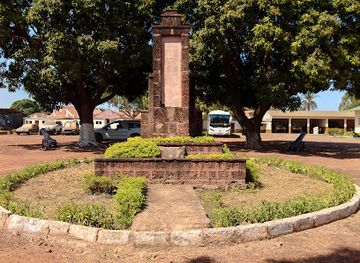
Discover the historical charm of Fort São José da Amura, a 18th-century fortress offering stunning views and rich cultural insights in Bissau, Guinea-Bissau.
Best landmarks in Biombo Region
Biombo’s most significant landmarks are often environmental or settlement-based rather than monumental. The tidal mangrove margins and flat rice-growing lowlands form the region’s defining natural landscape, illustrating how communities have adapted agriculture and fishing to shifting water levels. Quinhamel is the principal administrative and cultural reference point, with older town fabric and colonial-era traces that reflect the layered history of Portuguese rule, independence and local authority. Safim’s importance is more geographical: its position near Bissau and at a major road junction makes it a visible threshold between the capital’s urban sphere and Biombo’s rural districts. Older village compounds, palms, cashew groves and agricultural clearings provide further landmarks of lived history, although they are not conventional monuments and should be approached with permission. For visitors, the strongest sense of place comes from seeing these human landscapes together with the creeks, wetlands and coastal vegetation that have shaped settlement, food production and transport for generations.
-
Restaurant
Restaurante Papa Loca
Discover authentic Guinea-Bissau cuisine at Restaurante Papa Loca, where vibrant flavors and a welcoming atmosphere await every visitor.
-
Italian
O Bistro
Savor authentic Italian cuisine at O Bistro, a must-visit restaurant in Bissau for a delightful dining experience.
-
International airport
Osvaldo Vieira International Airport (OXB)
Experience the gateway to Guinea-Bissau at Osvaldo Vieira International Airport, where cultural richness meets the spirit of exploration.
-
 Hotel
HotelPonta Anchaca
Discover the tranquility and adventure of Ponta Anchaca in the stunning Bijagos Archipelago, a perfect blend of nature and culture.

Explore Biombo Region on the map
Plan your trip on one map. See where the top cities, national parks and sights are, and book hotels and experiences in a few clicks.
Best hotels in Biombo Region
Best restaurants in Biombo Region
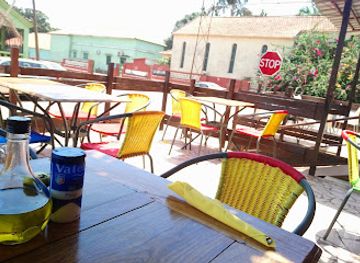
Dining in Biombo is closely tied to household cooking, seasonal produce and the markets of Safim and Quinhamel rather than to a formal restaurant circuit. Rice is central to meals, often served with fish, shellfish, chicken or sauces based on onion, chilli and locally available vegetables. Coastal and estuarine communities draw on fish and other aquatic foods, while cashew, palm products and tropical fruit appear in seasonal forms. Small eateries and roadside cooking provide the most direct introduction to local food, although selection and opening times can be limited outside busy settlements. Visitors staying in accommodation should arrange meals ahead when travelling into rural areas, particularly during quiet periods. Bissau offers a wider range of Guinea-Bissau and Portuguese-influenced cooking, but Biombo’s food character is more closely encountered through markets, family-style meals and agricultural products than through high-end dining. Eat cautiously where hygiene is uncertain and use bottled or treated water.
-
Hotel
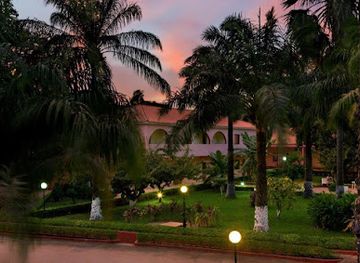
Dunia Hotel Bissau (Azalaï Hotel 24 de Setembro)
Discover comfort and local charm at Dunia Hotel Bissau – your gateway to exploring Guinea-Bissau's vibrant culture.
-
Restaurant
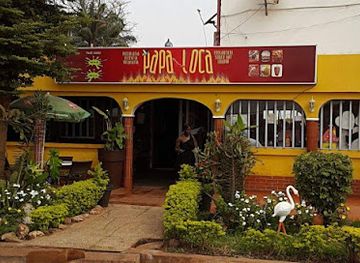
Restaurante Papa Loca
Experience the vibrant flavors of Guinea-Bissau at Restaurante Papa Loca - a culinary haven in Bissau offering authentic local dishes.
-
Italian
O Bistro
Experience authentic Italian cuisine at O Bistro in Bissau - where every meal tells a delicious story!
-
Restaurant
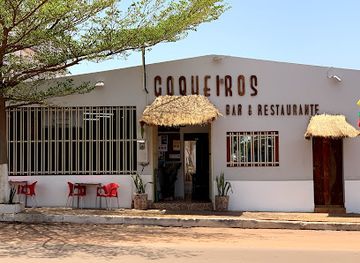
Coqueiros Bissau
Discover authentic Guinean flavors at Coqueiros Bissau – where delicious cuisine meets warm hospitality in the heart of Bissau.
Best bars in Biombo Region
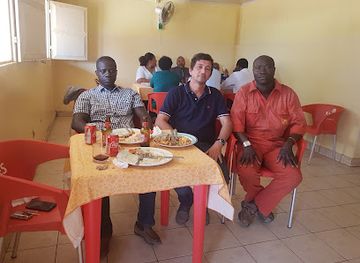
Biombo has a modest evening scene centred on neighbourhood bars, informal drinking spots, small eateries and social gatherings, with the greatest choice around Safim and the more populated settlements. Evening life is generally quieter and more locally focused than in Bissau, and rural communities may have little organised nightlife beyond conversation, music and family or community events. Local beer, soft drinks and palm-based beverages may be available, but visitors should ask about preparation and drink responsibly. There is no need to seek a nightclub culture in Biombo: the region’s evenings are better suited to low-key meals, listening to music and observing everyday social life. Return to accommodation before roads become difficult to navigate, as street lighting, taxis and roadside assistance are limited away from the main routes.
-
Live music bar
Kings Club
Discover the heart of Bissau's nightlife at Kings Club, a live music bar where rhythm and local culture unite for an unforgettable experience.
-
Restaurant
Bar NTB
Savor the authentic flavors of Guinea-Bissau at Bar NTB, a vibrant restaurant in Bissau offering delicious local cuisine and lively atmosphere.
-
Bar
BAR PAMPA
Discover the lively ambiance of Bar Pampa in Bissau, where local culture meets vibrant nightlife and refreshing beverages.
-
Restaurant
Bar Feminina
Experience the authentic flavors of Guinea-Bissau at Bar Feminina, a charming restaurant in Bissau offering traditional dishes and a vibrant atmosphere.

Best nightclubs in Biombo Region
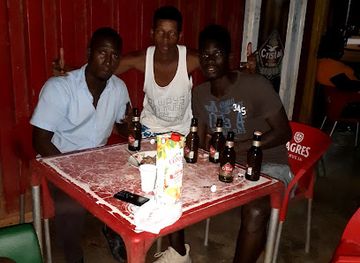
Biombo has a modest evening scene centred on neighbourhood bars, informal drinking spots, small eateries and social gatherings, with the greatest choice around Safim and the more populated settlements. Evening life is generally quieter and more locally focused than in Bissau, and rural communities may have little organised nightlife beyond conversation, music and family or community events. Local beer, soft drinks and palm-based beverages may be available, but visitors should ask about preparation and drink responsibly. There is no need to seek a nightclub culture in Biombo: the region’s evenings are better suited to low-key meals, listening to music and observing everyday social life. Return to accommodation before roads become difficult to navigate, as street lighting, taxis and roadside assistance are limited away from the main routes.
-
Bar
Contentor Di Tony
Experience the vibrant nightlife of Bissau at Contentor Di Tony, where local drinks meet a lively atmosphere for an unforgettable evening.
-
Disco club
Bambu
Experience vibrant nightlife at Bambu, Bissau's top disco club, where music, dancing, and good vibes await until dawn.
-
Bar
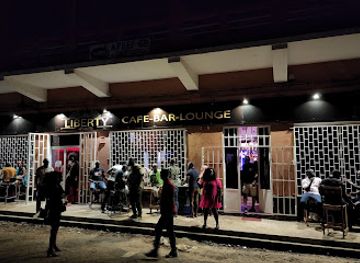
Liberty cafe bar lounge
Experience the vibrant nightlife and local flavors at Liberty Cafe Bar Lounge in Bissau, a must-visit bar for every traveler.
-
Live music bar
Kings Club
Delve into Bissau's vibrant nightlife at Kings Club, where live music and local culture come together for an unforgettable experience.

Best shops in Biombo Region
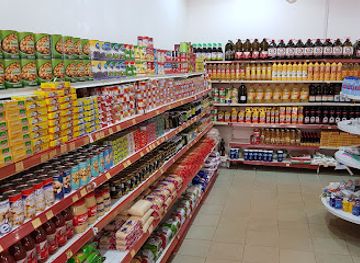
Shopping in Biombo is primarily local and practical, with small markets, roadside stalls and trading points around Safim, Quinhamel and larger settlements. Visitors may find fresh produce, rice, fish, fruit, household goods and seasonal cashew products, while locally made items can appear through informal sellers rather than dedicated craft boutiques. Cashews and related products make appropriate regional purchases when quality and packaging are clear, and some travellers also look for woven goods, baskets or small handmade objects. Stock changes with harvests, transport and market days, so do not expect a fixed retail schedule or a broad choice of international brands. Safim’s commercial activity is useful for seeing the movement of goods between rural communities and Bissau, while Quinhamel offers a more direct connection with the region’s agricultural economy. Carry cash, bargain gently when appropriate and ask before photographing stalls or sellers.
-
Supermarket
Santy Comercial
Discover local flavors and vibrant shopping at Santy Comercial in Bissau, the perfect supermarket for tourists exploring Guinea-Bissau.
-
Supermarket
Supermercado Darling
Discover local flavors and international goods at Supermercado Darling, a vibrant supermarket in Bissau, Guinea-Bissau, perfect for every traveler.
-
Supermarket
Doce Mãe Bandim
Explore the vibrant Doce Mãe Bandim supermarket in Bissau, a hub for fresh produce and local culture, perfect for tourists seeking authentic experiences.
-
Supermarket
Chapa de Bissau
Experience local life at Chapa de Bissau, a vibrant supermarket offering fresh produce, local products, and an authentic taste of Guinea-Bissau.



Get your free copy of our complete guide to Biombo Region, delivered straight to you.
Everything on this page, from attractions and restaurants to essentials and local phrases, in one PDF you can read offline, print or share.
Already have an account? Sign in
Your Biombo Region guide is ready.
We'll send it to · Not you? Sign out

Getting your guide ready…
We are putting together a fresh copy of the Biombo Region guide. This can take up to a minute.
This can take a few moments. If your browser asks, choose Allow so the download can start. You'll find the guide in your Downloads folder.
Nothing happened? Download it again
Sorry, the guide is taking longer than usual. Please try again in a minute, or get it by email instead.
Biombo Region essentials
Currency and Payment
Safety
Emergency Situations
Do's and Don'ts
Local Tips
From Eve
Local phrases worth knowing
You don't need to get them perfect. A few words go a long way, and locals appreciate the effort.
Basics
| English | Local | Say it |
|---|---|---|
| Hello | Olá | [oh-lah] |
| Goodbye | Adeus | [ah-deh-oos] |
| Yes | Sim | [seem] |
| No | Não | [now] |
| Please/You're welcome | Por favor | [poor fah-vor] |
| Thank you | Obrigado | [oh-bree-gah-do] |
| Excuse me/Sorry | Desculpe | [deh-skool-peh] |
| How are you? | Como você está? | [koh-moh voh-seh es-tah] |
| Fine. And you? | Bem. E você? | [beng. eh voh-seh] |
| Do you speak English? | Você fala inglês? | [voh-seh fah-lah een-glez] |
| I don't understand | Eu não entendo | [ay-oo now en-ten-do] |
Eating & Drinking
| English | Local | Say it |
|---|---|---|
| I'd like to see the menu, please | Gostaria de ver o menu, por favor | [goh-stah-ree-ah jeh vehr oo meh-noo, poor fah-vor] |
| I don't eat meat | Eu não como carne | [ay-oo now koh-moo kar-nee] |
| Cheers! | Saúde! | [sah-oo-deh] |
| I would like to pay, please | Gostaria de pagar, por favor | [goh-stah-ree-ah jeh pah-gar, poor fah-vor] |
Emergencies
| English | Local | Say it |
|---|---|---|
| Help! | Ajuda! | [ah-zhoo-dah] |
| Go away! | Vá embora! | [vah em-boh-rah] |
| Call the Police! | Chame a polícia! | [sha-meh ah poh-lee-syah] |
| Call a doctor! | Chame um médico! | [sha-meh oom meh-dee-koh] |
| I'm lost | Estou perdido | [es-toh peh-dee-do] |
| I'm ill | Estou doente | [es-toh do-ehn-tay] |
Shopping
| English | Local | Say it |
|---|---|---|
| I'd like to buy... | Gostaria de comprar... | [goh-stah-ree-ah jeh kom-prahr] |
| I'm just looking | Estou apenas olhando | [es-toh ah-peh-nahs oh-lyan-do] |
| How much is it? | Quanto custa? | [kwan-toh koos-tah] |
| That's too expensive | Isso é muito caro | [ee-soh eh muyn-toh kah-ro] |
| Can you lower the price? | Pode diminuir o preço? | [poh-jee jee-mee-noo-ee oo preh-so] |
Time & Numbers
| English | Local | Say it |
|---|---|---|
| What time is it? | Que horas são? | [keh oh-rah-sah-oh] |
| It's one o'clock | É uma hora | [eh oo-mah oh-rah] |
| Half past (10) | Dez e meia | [dehz eh meh-yah] |
| Morning | Manhã | [mahn-yah] |
| Afternoon | Tarde | [tar-deh] |
| Evening | Noite | [noy-tay] |
| Yesterday | Ontem | [on-taym] |
| Today | Hoje | [oh-zhee] |
| Tomorrow | Amanhã | [ah-mahn-yah] |
| 1 | Um | [oom] |
| 2 | Dois | [doiz] |
| 3 | Três | [tres] |
| 4 | Quatro | [kwah-tro] |
| 5 | Cinco | [seen-ko] |
| 6 | Seis | [says] |
| 7 | Sete | [seh-teh] |
| 8 | Oito | [oy-toh] |
| 9 | Nove | [noh-veh] |
| 10 | Dez | [dehz] |
Transport & Directions
| English | Local | Say it |
|---|---|---|
| Where's a/the...? | Onde fica um/a...? | [on-deh fee-kah oom/ah] |
| What's the address? | Qual é o endereço? | [kwal eh oo en-deh-reh-so] |
| Can you show me (on the map)? | Você pode me mostrar (no mapa)? | [voh-seh poh-jee meh mohs-trar (noh mah-pah)] |
| When's the next (bus)? | Quando é o próximo (ônibus)? | [kwan-do eh oo proh-see-moh (on-ee-boos)] |
| A ticket (to ....) | Um bilhete (para....) | [oom bee-lyeh-teh (pah-rah)] |
History of Biombo Region
Precolonial Pepel and Coastal Societies
Before Portuguese colonial expansion, the lowlands around present-day Biombo were occupied and cultivated by coastal West African societies, particularly Pepel communities, alongside Balanta and other groups. Political authority was organised through local institutions, lineage relationships and village networks rather than a single central state covering the whole region. Rice cultivation, fishing, palm products and regional exchange connected settlements to the wider estuarine world of present-day Guinea-Bissau and Casamance. These earlier patterns remain relevant because landscape, language, land use and community identity in Biombo cannot be understood solely through the later colonial history.
Portuguese Coastal Expansion
Portuguese traders and officials established an intermittent presence along the rivers and coast of Guinea-Bissau from the fifteenth century onwards, but effective control over the interior and many rural communities remained limited for centuries. The region’s waterways were more important than formal roads, linking agricultural areas and settlements to trading centres. Colonial authority gradually brought taxation, administrative divisions and commercial production, yet it coexisted with local systems of landholding and political power. The distinction between nominal Portuguese sovereignty and practical authority is important when interpreting Biombo’s colonial legacy.
Colonial Administration and Agricultural Change
During the nineteenth and twentieth centuries, Portuguese rule became more administratively organised, although resistance and negotiation continued across Guinea-Bissau. Agriculture was increasingly shaped by colonial demands for exportable products, while rice cultivation remained essential to local food security. Roads and administrative settlements altered patterns of movement, but the tidal lowlands still depended on seasonal knowledge, embankments and labour-intensive cultivation. In Biombo, the resulting landscape combined older village economies with colonial infrastructure and commercial pressures, a pattern that continued into the post-independence period.
The War of Liberation, 1963–1974
Guinea-Bissau’s armed struggle against Portuguese rule began in 1963 under the African Party for the Independence of Guinea and Cape Verde, known as PAIGC. Fighting and political mobilisation affected rural communities throughout the country, including the areas around Bissau and the northern coastal regions. The conflict disrupted agriculture, movement and administration, while villages became connected to competing military and political structures. Portugal recognised Guinea-Bissau’s independence after the 1974 Carnation Revolution, and the war’s memory remains part of the country’s national history even where physical battle sites are not formally marked.
Independence and the Formation of Biombo Region
After independence in 1973–74, Guinea-Bissau reorganised its administration and sought to extend public services beyond Bissau. Biombo emerged as a distinct region in the national system, with Quinhamel serving as its administrative centre and Safim developing importance because of its proximity to the capital and strategic roads. Public investment remained constrained by political instability and limited resources, so rural communities continued to depend heavily on farming, fishing, informal trade and local networks. The region’s present identity reflects both its administrative role and its close economic relationship with Bissau.
Cashew, Rural Trade and Contemporary Change
From the late twentieth century onwards, cashew became one of Guinea-Bissau’s most important agricultural commodities and a major source of rural income. In Biombo, orchards and seasonal trading have joined rice, palm products, fishing and small-scale commerce as defining elements of the economy. Cashew production has also made communities more connected to national and international markets, while exposing households to fluctuating prices, transport constraints and harvest conditions. Contemporary Biombo therefore combines longstanding coastal agriculture with a commodity economy that shapes work, household finances and the movement of goods.
Biombo Region in Photos
Browse through our photo collection highlighting the charm and character of the destination.
Neighbouring regions of Biombo Region
The closest regions to Biombo Region, if you have time for more than one.
-

-

-

-

-


Swipe for more regions
Explore more

Explore more of Guinea-Bissau
Discover Guinea-Bissau: An untouched paradise with pristine beaches, rich wildlife, and vibrant culture waiting to be explored in the heart of West Africa.
Explore Guinea-Bissau