
Cuesta Los Muertos: A Road Etched in History
Discover the haunting beauty and historical echoes of Cuesta Los Muertos in Francisco Morazán, Honduras, where legends of the past meet the serene landscapes of today.
Cuesta Los Muertos, or the 'Hill of the Dead,' near El Lolo, Honduras, is more than just a road; it's a poignant historical landmark steeped in legend and tragedy. For centuries, this route has been a silent witness to the region's tumultuous past, from pre-colonial conflicts to modern-day reminders of life's fragility. The name itself evokes a sense of mystery and reverence, hinting at the countless lives lost along its path. While the stunning views of the Francisco Morazán landscape offer a serene backdrop, the air is thick with stories of indigenous battles, colonial ambushes, and the ever-present reminders of mortality marked by roadside crosses. Exploring Cuesta Los Muertos is a journey through time, a somber yet captivating experience that connects visitors to the rich and often heartbreaking history of Honduras. It serves as a powerful reminder of the past and a unique opportunity to reflect on the enduring human spirit amidst the beauty of the Honduran countryside. The area offers a unique blend of natural beauty and historical intrigue, making it a compelling destination for those seeking more than just a scenic drive.
A brief summary to Cuesta Los Muertos
- 4PJQ+C7V La Venta, El Lolo, Francisco Morazán, HN
Local tips
- Consider visiting during the cooler months (November to April) for a more comfortable experience, as the Honduran climate can be quite hot and humid.
- Take time to explore the nearby town of El Lolo to experience authentic rural Honduran life and perhaps sample some local cuisine.
- If you're interested in hiking, La Tigra National Park is a short drive away and offers stunning cloud forest trails.

Getting There
-
Driving
From Tegucigalpa, take the Carretera a Danlí (CA-6) towards the east. After approximately 25 kilometers, look for signs directing you towards El Lolo. The final approach to Cuesta Los Muertos involves navigating unpaved roads, so a vehicle with good clearance is recommended. The landmark is located a few kilometers past El Lolo. Be mindful of the road conditions, especially during the rainy season.
-
Public Transport
From Tegucigalpa, take a bus towards El Lolo from one of the main bus terminals. Buses are the most economical way to get around. Once in El Lolo, you may need to hire a local taxi or 'mototaxi' to reach Cuesta Los Muertos, as it's located a few kilometers outside the town center. Negotiate the fare beforehand. The bus fare from Tegucigalpa to El Lolo is approximately 30-50 HNL. A mototaxi from El Lolo to Cuesta Los Muertos may cost around 50-100 HNL, depending on the distance and negotiation.
Discover more about Cuesta Los Muertos
Iconic landmarks you can’t miss

Cuesta Los Muertos
0.0 km
Discover the haunting beauty and historical echoes of Cuesta Los Muertos in Francisco Morazán, Honduras, where legends of the past meet the serene landscapes of today.

Familia Andres
6.0 km
Discover the historical allure of Familia Andres, a prominent landmark in Guajiquiro that embodies the cultural heritage of Honduras.
Plaza Los Dolores
6.5 km
Experience the vibrant heart of Tegucigalpa at Plaza Los Dolores, a historic square blending colonial charm with modern life, offering artisan goods, local cuisine, and cultural events.
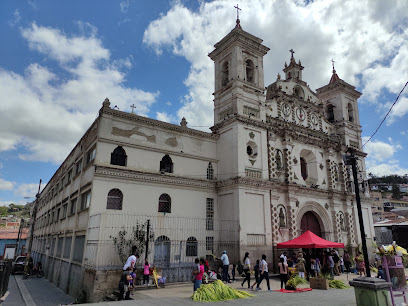
St. Michael the Archangel Cathedral
6.8 km
Discover the historical and architectural beauty of St. Michael the Archangel Cathedral, a majestic symbol of faith in Tegucigalpa, Honduras.
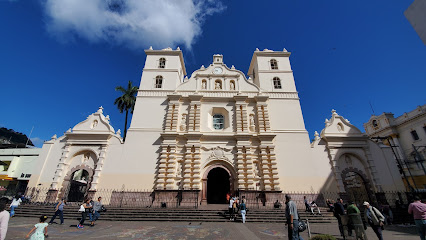
Villa San Miguel
6.9 km
Discover the lively Villa San Miguel in Tegucigalpa, where shopping meets local culture, offering a unique blend of retail and culinary delights.
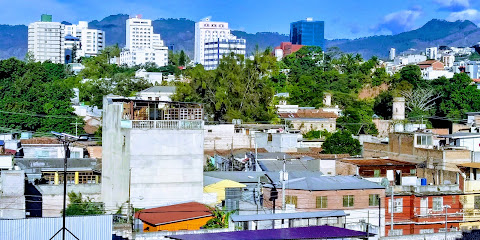
La Ronda Rooftop
7.1 km
Experience the best of Tegucigalpa at La Ronda Rooftop, where stunning views meet exquisite Honduran cuisine and vibrant nightlife.
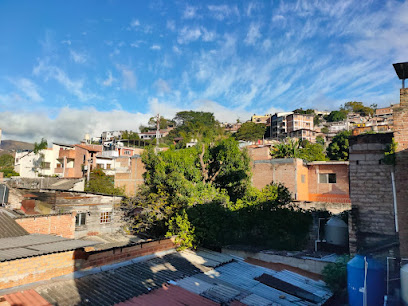
Las pilas
7.3 km
Explore Las Pilas, a historical landmark in Tegucigalpa that offers a glimpse into Honduras' rich cultural heritage and architectural beauty.
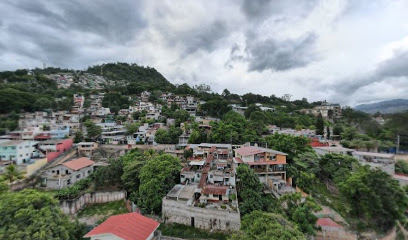
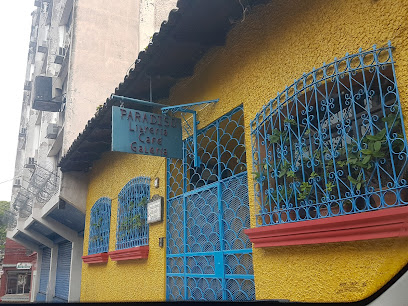
Café Paradiso
7.3 km
Discover Café Paradiso, an enchanting café and art gallery in Tegucigalpa, where every sip of coffee is paired with artistic inspiration.
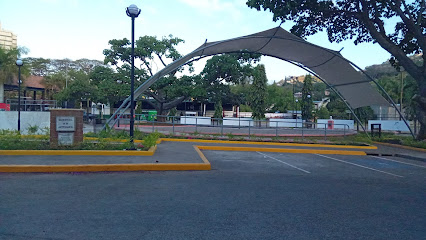
Redondel de los artesanos
7.8 km
Immerse yourself in the vibrant culture of Tegucigalpa at Redondel de los Artesanos, a hub of local craftsmanship and artistic expression.
Café Honoré
7.9 km
Experience the delightful fusion of local flavors and international cuisine at Café Honoré in Tegucigalpa, a must-visit for every traveler.
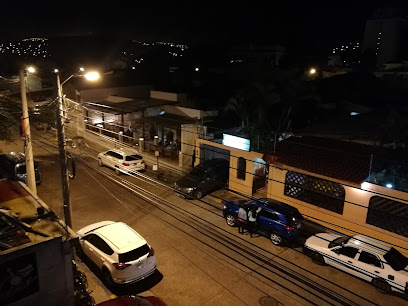
Glenn's Pub Pizza
8.2 km
Savor delicious pizzas and vibrant nightlife at Glenn's Pub Pizza, Tegucigalpa's premier bar destination.
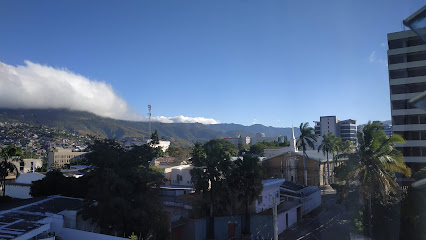
Mc Allister's Irish Pub
8.3 km
Discover a taste of Ireland in Tegucigalpa at Mc Allister's Irish Pub, where hearty meals and friendly vibes await.
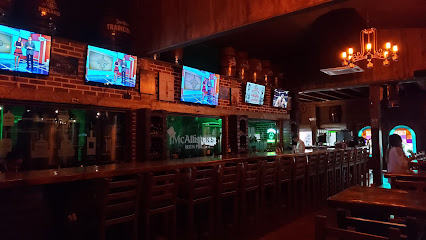
Cafetano Las Minitas
8.5 km
Explore the rich coffee culture of Tegucigalpa at Cafetano Las Minitas, where local flavors meet a cozy atmosphere for an unforgettable experience.
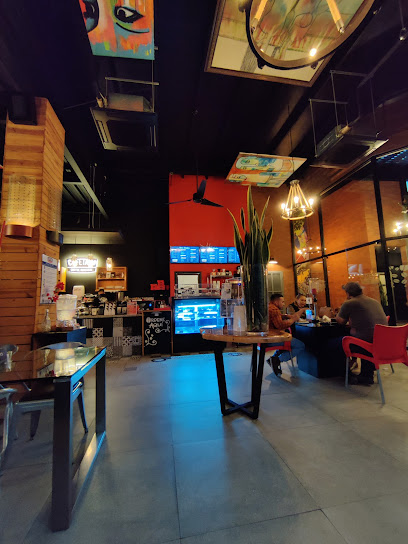
Clarion Hotel Real Tegucigalpa
8.6 km
Discover comfort and convenience at Clarion Hotel Real in Tegucigalpa, where modern amenities meet the warmth of Honduran hospitality.
Vinalia Vinobar y Bistro
8.7 km
Discover the best grilled dishes and vibrant atmosphere at Vinalia Vinobar y Bistro in Tegucigalpa, where every meal is a delightful experience.
Unmissable attractions to see

Museum for National Identity
6.4 km
Discover the rich cultural heritage of Honduras at the Museum for National Identity in Tegucigalpa, a vibrant showcase of art and history.
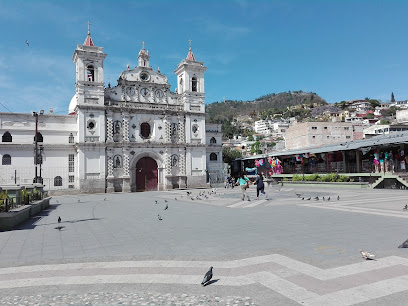
Iglesia Santa María de los Dolores
6.5 km
Experience the spiritual beauty and cultural richness of Iglesia Santa María de los Dolores, a must-visit Catholic church in Tegucigalpa, Honduras.
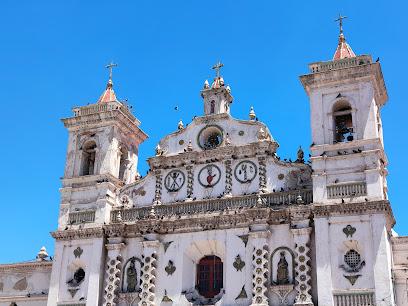
Museo de la Memoria - Antigua Casa Presidencial
6.7 km
Discover the rich history of Honduras at Museo de la Memoria, a captivating museum located in the former presidential palace in Tegucigalpa.
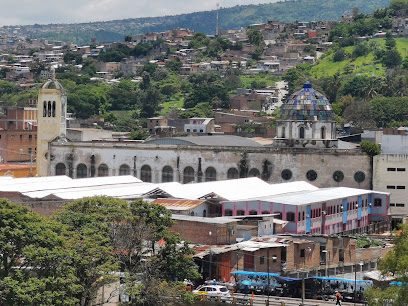
Parque Central Tegucigalpa
6.8 km
Experience the vibrant culture and charm of Tegucigalpa at Parque Central, a lush urban oasis perfect for relaxation and exploration.
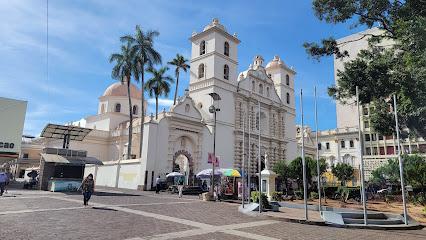
La Leona Park
6.8 km
Discover the natural beauty and vibrant atmosphere of La Leona Park, a must-visit urban oasis in Tegucigalpa, Honduras.
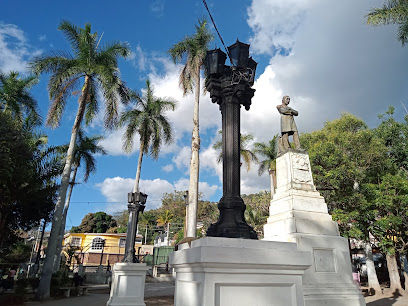
Iglesia de la Merced
6.9 km
Discover the beauty and history of Iglesia de la Merced, a stunning baroque church in Tegucigalpa, showcasing the rich cultural heritage of Honduras.
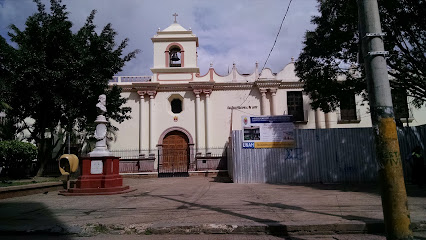
Castillo Bellucci
6.9 km
Explore the captivating Castillo Bellucci, an open-air museum in Tegucigalpa showcasing Honduras' rich cultural heritage and stunning architecture.
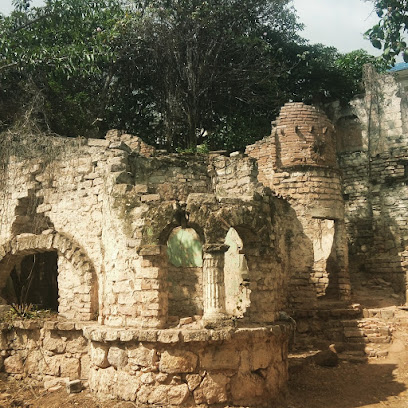
Christ of the Picacho
7.0 km
Discover the breathtaking Christ of the Picacho, a towering statue offering stunning views and a serene atmosphere in Tegucigalpa, Honduras.
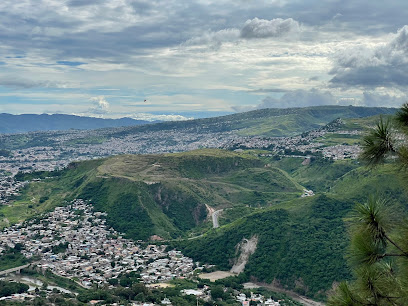
Museo del Hombre Hondureno
7.0 km
Explore the rich cultural tapestry of Honduras at Museo del Hombre Hondureno, where history comes alive through captivating exhibits and artifacts.
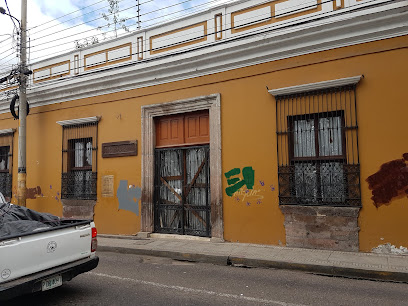
Parque El Picacho
7.4 km
Uncover the beauty of Parque El Picacho, a national park in Tegucigalpa, featuring breathtaking views, diverse wildlife, and serene hiking trails.
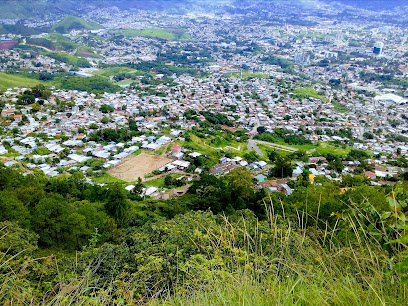
Monumento a la Paz - Cerro Juana Lainez
7.7 km
Discover the tranquility and breathtaking views at Monumento a la Paz, a national park in Tegucigalpa, where nature meets history.
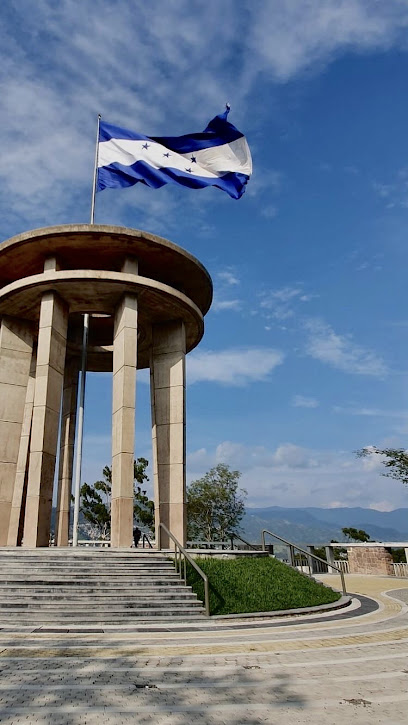
Parque Cerro Juana Lainez
7.8 km
Explore the lush landscapes and breathtaking views of Parque Cerro Juana Lainez, a serene park perfect for relaxation and outdoor adventures in Tegucigalpa.
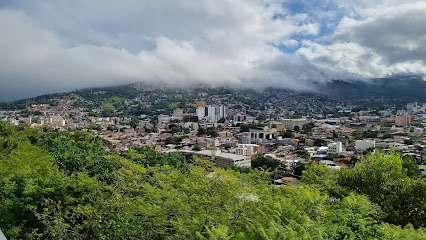
Metropolitan Zoo Rosy Walther
7.8 km
Explore the enchanting Metropolitan Zoo Rosy Walther in Tegucigalpa, a vibrant attraction celebrating wildlife and conservation efforts for all ages.
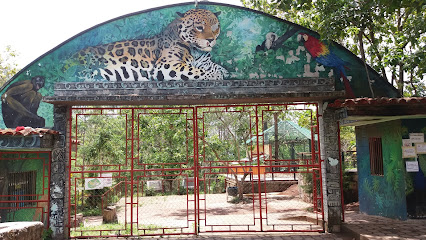
Fuente el Picacho
7.8 km
Experience the breathtaking views and rich biodiversity at Fuente el Picacho, a stunning tourist attraction in Tegucigalpa, Honduras.
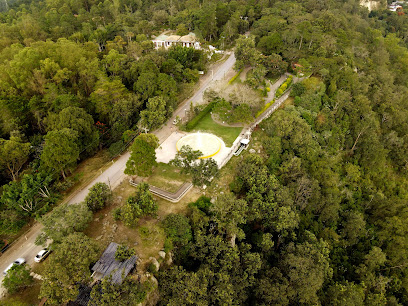
Cultural Center of Spain in Tegucigalpa
7.9 km
Explore the Cultural Center of Spain in Tegucigalpa, a vibrant hub for art, cinema, and literature that celebrates the heritage of Honduras and Spain.
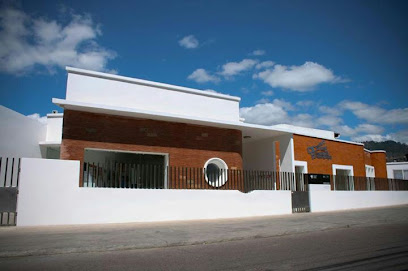
Essential places to dine

Restaurante Winwa
6.6 km
Discover the rich flavors of Honduras at Restaurante Winwa in Barrio Concepcion - a must-visit dining destination for every traveler.
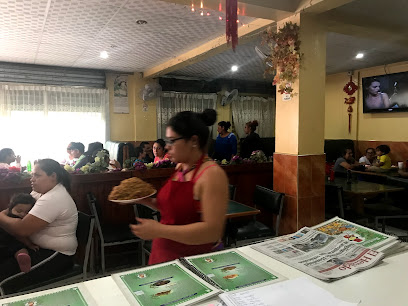
Malportado
6.8 km
Experience the vibrant flavors of Latin America at Malportado in Tegucigalpa's scenic Parque Central.
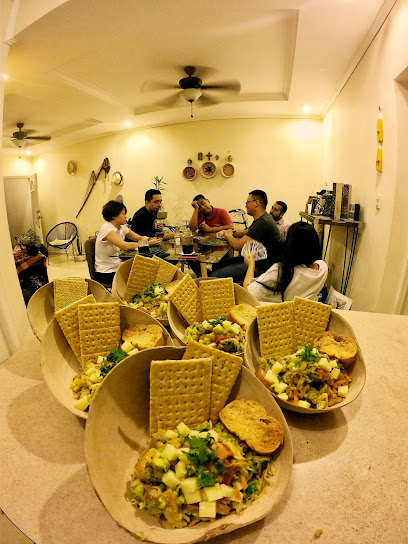
Lumiere Hangout
7.6 km
Discover authentic Honduran flavors at Lumiere Hangout - Tegucigalpa's top grill destination for unforgettable dining experiences.
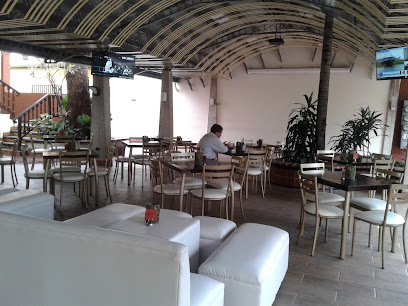
Restaurante La Truckería
7.7 km
Discover authentic Honduran cuisine at Restaurante La Truckería in Tegucigalpa – where every dish tells a story.
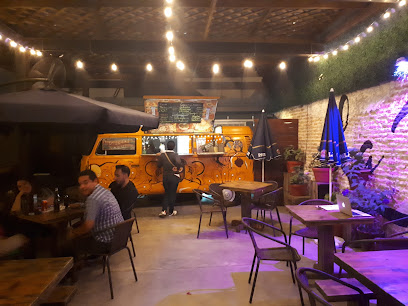
Rojo Verde y Ajo
7.9 km
Discover the flavors of Honduras at Rojo Verde y Ajo - where tradition meets innovation in every dish.
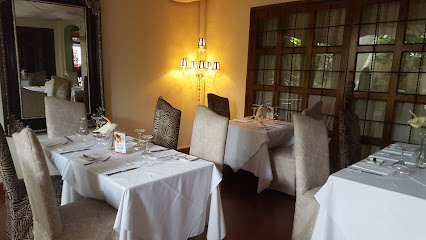
La Mansion del Novillero
8.0 km
Discover authentic Honduran cuisine at La Mansion del Novillero in Tegucigalpa – where every dish tells a story.
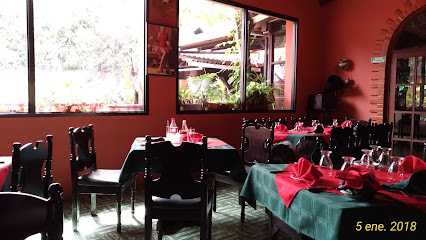
By Jaruf
8.0 km
Experience authentic Honduran cuisine at By Jaruf, where local flavors meet warm hospitality in Tegucigalpa.
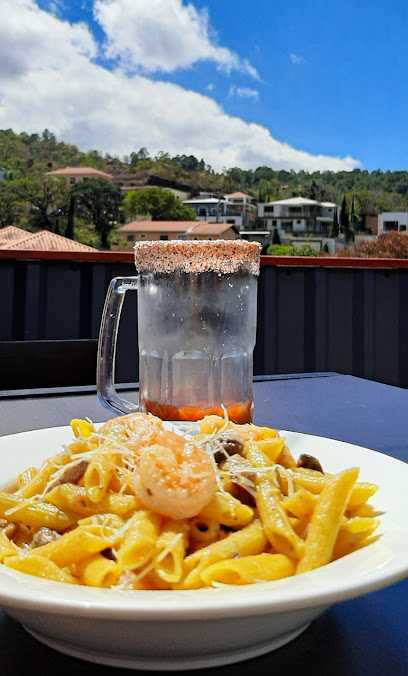
Pisco TGU
8.1 km
Experience authentic Peruvian flavors at Pisco TGU in Tegucigalpa – where culinary tradition meets vibrant atmosphere.
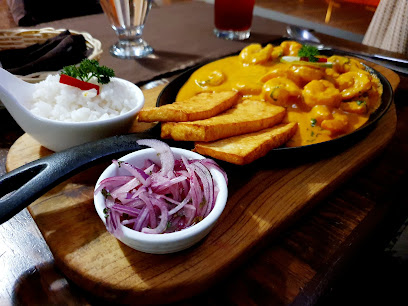
Restaurante El Torito • Tegucigalpa
8.1 km
Experience exquisite dining at Restaurante El Torito, Tegucigalpa's premier steakhouse offering delicious local flavors in an inviting atmosphere.
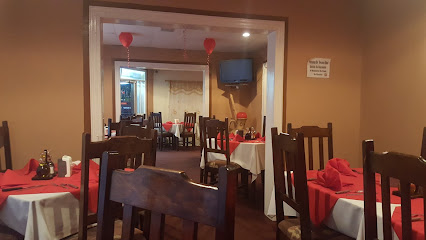
Olivo y Vino
8.1 km
Discover Olivo y Vino in Tegucigalpa - a culinary haven offering exquisite local dishes and an extensive wine selection.
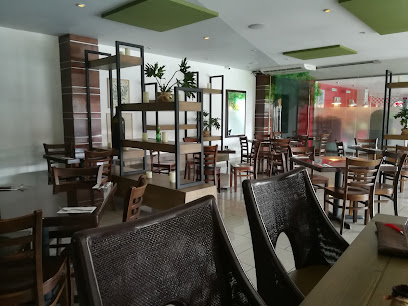
Rioras
8.3 km
Discover Rioras in Tegucigalpa: A delightful blend of local flavors and international cuisine awaits you.
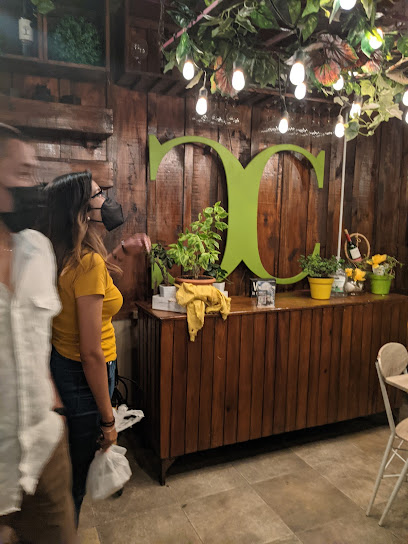
Restaurante Mirawa
8.3 km
Discover authentic Honduran cuisine at Restaurante Mirawa in Tegucigalpa - where every meal is crafted with passion and quality.
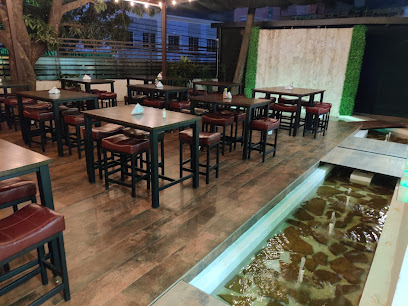
Pizzeria Tito
8.4 km
Discover authentic Italian flavors at Pizzeria Tito in Tegucigalpa—where every slice tells a story.
NiFu NiFa
8.5 km
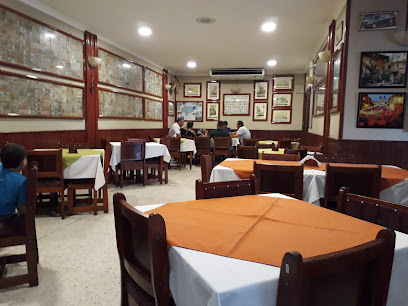
Experience the vibrant flavors of Honduras at NiFu NiFa, Tegucigalpa's premier restaurant offering exquisite local cuisine.
Leña y Fuego
8.5 km
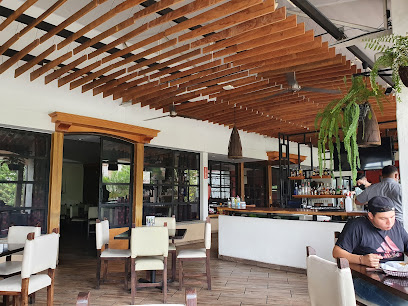
Experience the vibrant atmosphere at Leña y Fuego, where delicious pizza meets live music in the heart of Tegucigalpa.
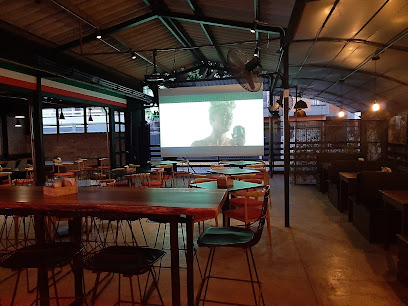
Markets, malls and hidden boutiques

Level Shop HN
2.5 km
Explore a vibrant shopping haven at Level Shop HN, offering a blend of local treasures and international brands for an unforgettable retail experience.
Típicos los inditos artesanías
6.5 km
Explore the rich artisan culture at Típicos los Inditos, where every handcrafted item tells a story of Honduran heritage.
Souvenir Bazar Milla
6.5 km
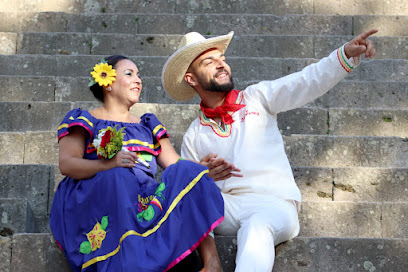
Explore the vibrant artistic handicrafts of Honduras at Souvenir Bazar Milla in Tegucigalpa, where every piece tells a story.
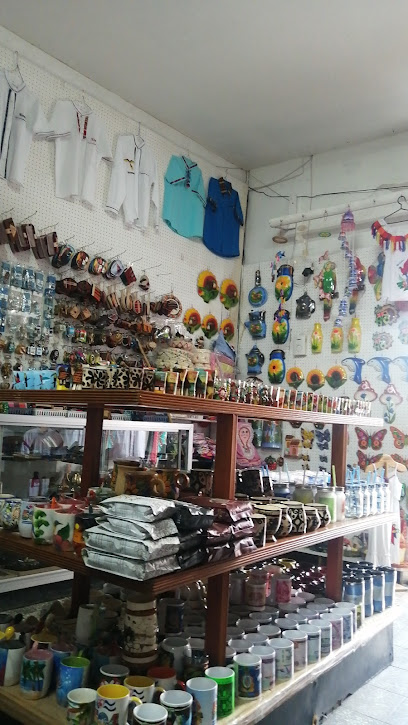
Variedades y acc. Canton
6.6 km
Explore the beauty of Tegucigalpa at Variedades y Acc. Canton, your go-to destination for all beauty supplies and trends.
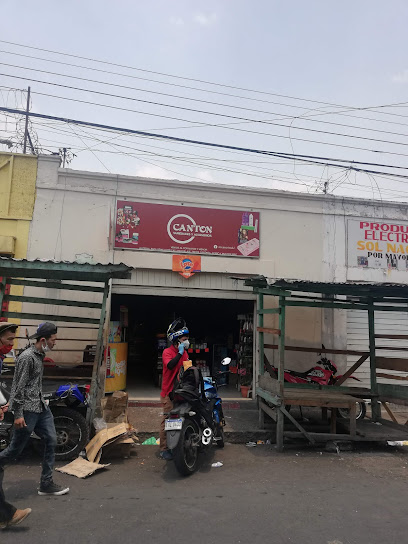
Weekend Colors
6.8 km
Immerse yourself in the vibrant culture of Tegucigalpa at Weekend Colors, where unique local crafts and products await every visitor.

San Miguel Market
7.3 km
Experience the heart of Tegucigalpa at San Miguel Market, where local flavors and vibrant culture come alive in a bustling atmosphere.
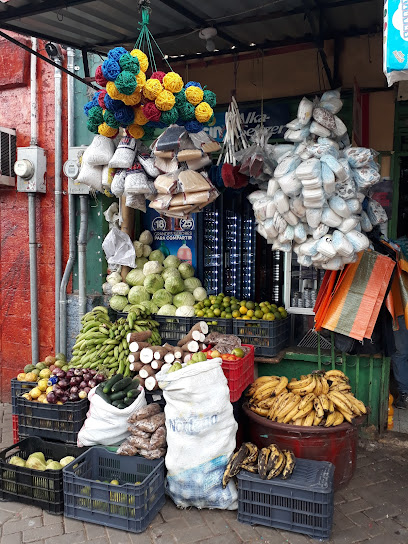
Maglia Boutique Honduras
7.9 km
Explore the elegance of formal wear at Maglia Boutique Honduras, where local craftsmanship meets contemporary fashion in the heart of Tegucigalpa.
Quedate Aqui Shopping
8.0 km
Explore Quedate Aqui Shopping in Tegucigalpa for the latest in women's fashion and unique local styles, perfect for every occasion.

Mas x Menos supermarket
8.0 km
Explore local flavors and everyday essentials at Mas x Menos Supermarket in Tegucigalpa, a shopper's paradise for tourists.
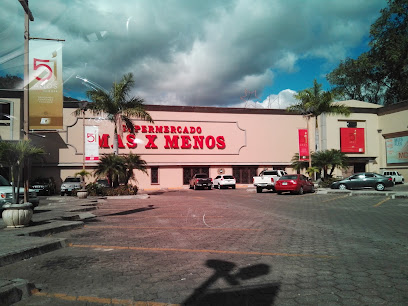
Vintage Boutique
8.0 km
Explore vintage fashion at Vintage Boutique in Tegucigalpa, where timeless elegance meets modern flair, perfect for a unique shopping experience.
Venta De Todo HN
8.1 km
Explore the vibrant offerings of Venta De Todo HN, a unique store showcasing local crafts and products that reflect the heart of Honduras.

STOREQUEEN
8.1 km
Explore the latest trends in fashion accessories at STOREQUEEN, your go-to destination for unique and stylish pieces.
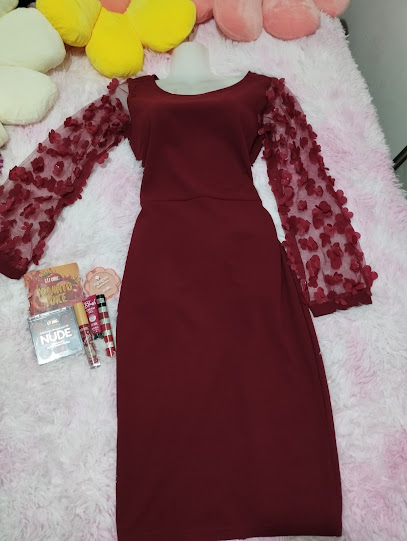
Gifts Gallery
8.2 km
Discover unique gifts and local crafts at Gifts Gallery in Tegucigalpa, where every purchase tells a story of Honduran culture.
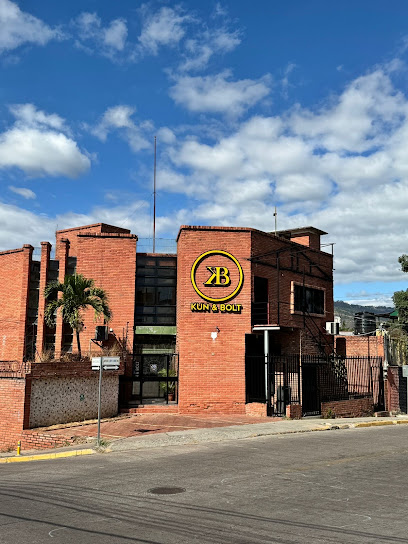
Kun&Bolt
8.2 km
Discover unique gifts and artisanal treasures at Kun&Bolt, Tegucigalpa's premier destination for authentic Honduran souvenirs.
The Shop Co
8.4 km
Explore The Shop Co in Tegucigalpa for unique gifts and local crafts that embody the spirit of Honduras.
Essential bars & hidden hideouts

Coco pito
5.5 km
Discover the lively nightlife of Tegucigalpa at Coco Pito, a bar known for its delicious cocktails and vibrant atmosphere.
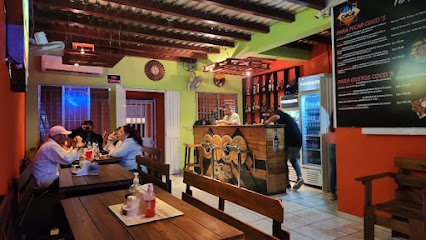
Bar Tropical Night (La Galera)
6.4 km
Experience the vibrant nightlife of Tegucigalpa at Bar Tropical Night, where music, drinks, and culture come together for an unforgettable evening.
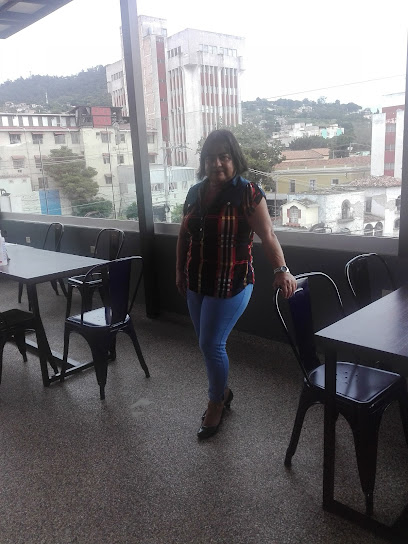
Tito Aguacate
6.8 km
Discover the vibrant nightlife at Tito Aguacate, a lively bar in the heart of Tegucigalpa, offering affordable drinks and a welcoming atmosphere.
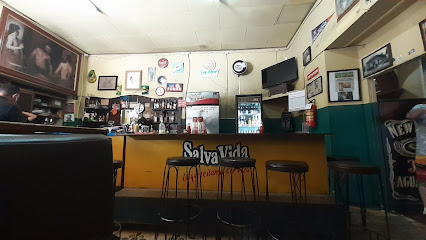
Doce Terraza Lounge
7.6 km
Discover the vibrant nightlife at Doce Terraza Lounge, where cocktails, music, and scenic views create unforgettable moments in Tegucigalpa.
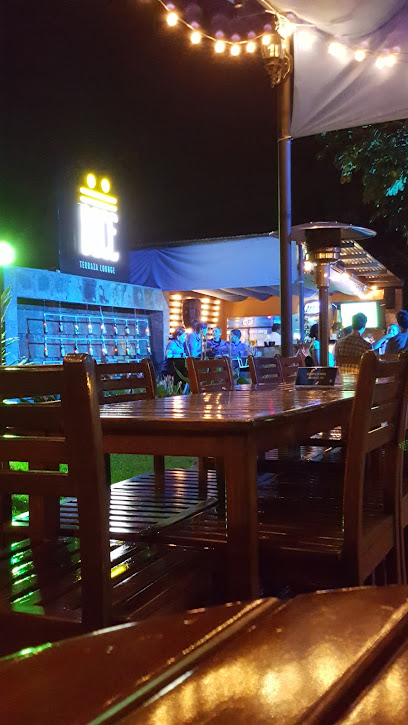
Sante Tegus
7.7 km
Discover the vibrant nightlife of Tegucigalpa at Sante Tegus, where local culture meets a lively bar atmosphere.
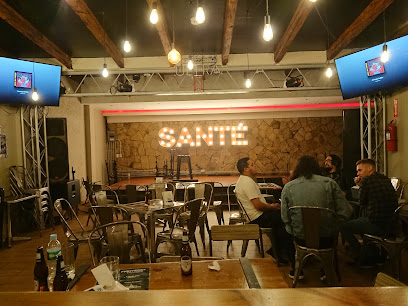
Rooster's Sport Bar
7.8 km
Experience the vibrant atmosphere and delicious flavors at Rooster's Sport Bar in Tegucigalpa, where sports and culinary delights unite.
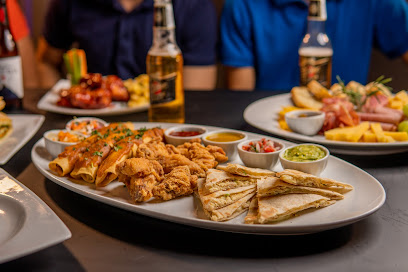
Tequila Limón
7.9 km
Experience the vibrant nightlife of Tegucigalpa at Tequila Limón, where delicious drinks and great music create unforgettable memories.
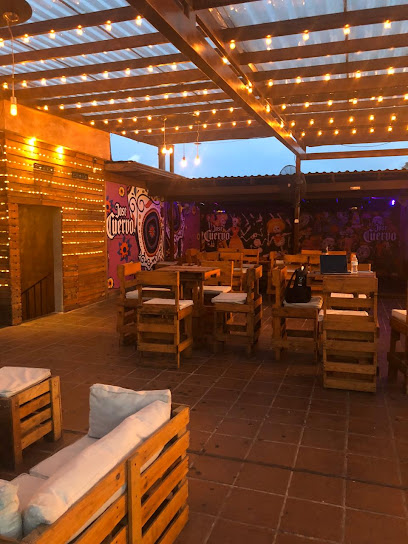
Le Fontaine bar
7.9 km
Experience the vibrant nightlife at Le Fontaine Bar, a lively destination in Tegucigalpa offering fantastic drinks and a welcoming atmosphere for all.
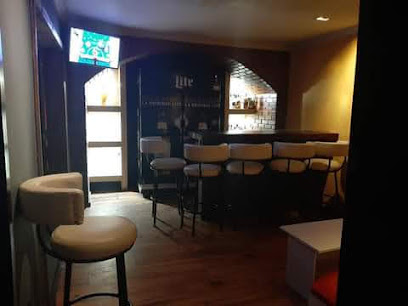
Bar y restaurante Lenox
8.1 km
Experience the vibrant flavors and lively atmosphere at Bar y Restaurante Lenox, a top grill destination in Tegucigalpa perfect for tourists.
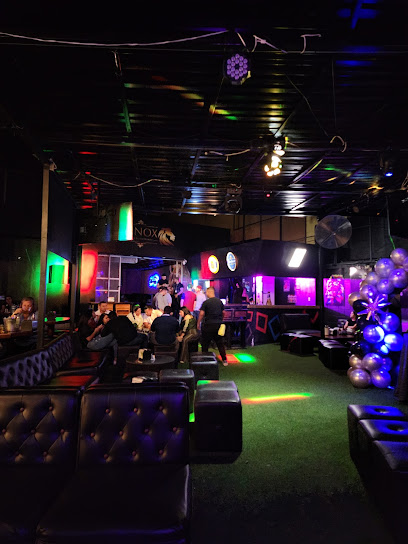
Viher Bar
8.2 km
Discover the heart of Tegucigalpa's nightlife at Viher Bar, where friendly vibes and refreshing drinks await you.
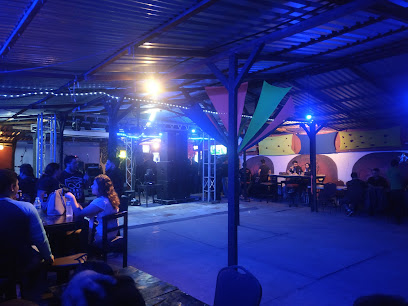
Daiquiris Bar
8.3 km
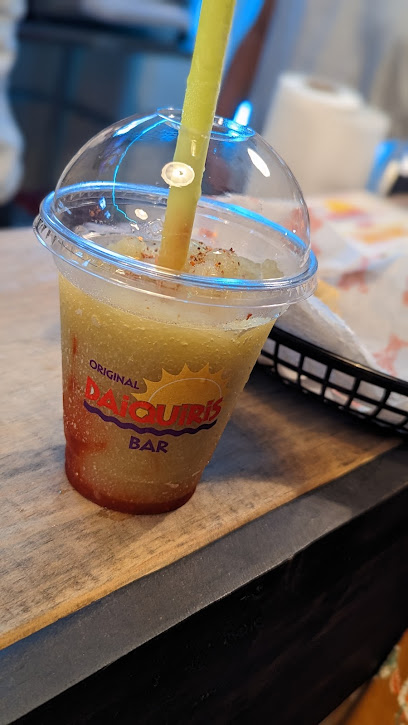
Daiquiris Bar in Tegucigalpa offers a vibrant nightlife experience with refreshing cocktails and a lively atmosphere for unforgettable evenings.
ARTISAN BAR • Ciudad Nueva
8.4 km
Experience the vibrant nightlife of Tegucigalpa at ARTISAN BAR, where creativity meets local culture in every cocktail.
Lyricoz Bar
8.4 km
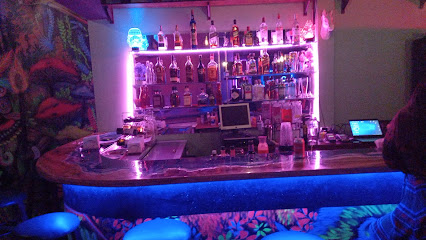
Experience the vibrant nightlife of Tegucigalpa at Lyricoz Bar, a karaoke haven where you can sing your heart out and enjoy a lively atmosphere.
Bar La Embajada
8.4 km
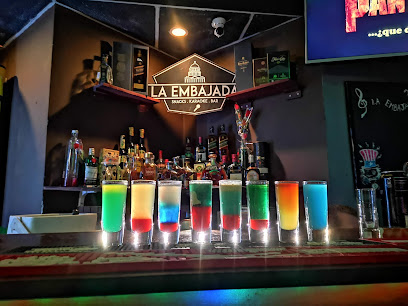
Experience the vibrant nightlife of Tegucigalpa at Bar La Embajada, where local flavors and lively atmosphere await every visitor.
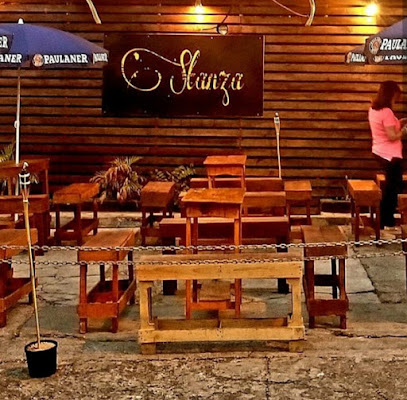
Stanza Bar & Lounge
8.5 km
Experience the vibrant nightlife at Stanza Bar & Lounge in Tegucigalpa, where innovative cocktails and lively ambiance await you.
Nightclubs & after hour spots

local blvd mzan
7.7 km
Experience the vibrant nightlife at Local Blvd Mzan, Tegucigalpa's premier gay night club, where music, dance, and community come together.
Medusa club
8.0 km
Dive into the vibrant nightlife of Tegucigalpa at Medusa Club, where music and dance unite for an unforgettable experience.
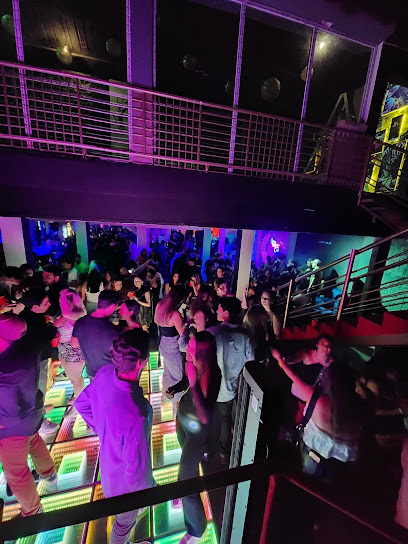
Bourdel él cocodrilo
8.1 km
Experience the vibrant nightlife of Tegucigalpa at Bourdel él cocodrilo, a premier night club with electrifying music and an energetic crowd.
Local inicio blvd mzan
8.7 km
Experience the vibrant LGBTQ+ nightlife at Local Inicio Blvd Mzan, a premier gay nightclub in Tegucigalpa offering lively music and unforgettable performances.
Club BCIE
8.8 km
Unleash your spirit at Club BCIE, Tegucigalpa's vibrant night club with lively music, affordable drinks, and an unforgettable atmosphere.
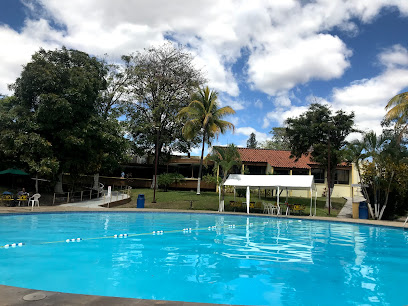
Club Pink Pussycat TGU
8.9 km
Discover the pulsating nightlife of Tegucigalpa at Club Pink Pussycat TGU, where vibrant music and electrifying entertainment await every night.
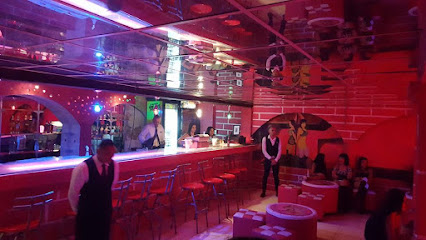
Franvela
8.9 km
Dive into the pulsating nightlife of Tegucigalpa at Franvela, a vibrant gay night club known for its electrifying energy and inclusive atmosphere.

KB
9.6 km
Discover the exhilarating nightlife of Tegucigalpa at KB Disco Club, where pulsating music and vibrant crowds create unforgettable memories.

Night Club Conejas Locas
9.7 km
Unleash your inner night owl at Conejas Locas, the premier night club in Tegucigalpa, where unforgettable music and vibrant energy await your arrival.
INFINITY NIGHT
10.4 km
Discover Tegucigalpa's vibrant nightlife at INFINITY NIGHT, a premier disco club offering electrifying music and an energetic atmosphere.
Cytote disco bar
10.8 km
Dive into the vibrant nightlife of Tegucigalpa at Cytote Disco Bar, where music, drinks, and dancing come together for an unforgettable experience.
Casa De Papi Eduardo
10.9 km
Discover the electrifying nightlife of Tegucigalpa at Casa De Papi Eduardo, a vibrant night club that guarantees unforgettable evenings with music and dance.
El Murito
11.3 km
Experience the vibrant nightlife at El Murito, Tegucigalpa's hotspot for dancing, drinks, and unforgettable memories.
Josué El Gato
12.0 km
Discover the electric atmosphere of Josué El Gato, a premier night club in Tegucigalpa, where music, dance, and vibrant culture collide for an unforgettable experience.
Casa De Fredy
12.3 km
Discover the vibrant nightlife at Casa De Fredy, a premier night club in Tegucigalpa where local music and dance come alive.


