

Free La Paz Region Travel Guide & Mobile App
Explore La Paz Region with free travel guides. Discover regional history, expert tips, proposed trips, and audio guides on web or mobile app.


Discover the La Paz region in Honduras, where stunning natural landscapes, rich cultural heritage, and warm hospitality create an unforgettable travel experience.
Read more about La Paz Region
When is the best time to visit La Paz Region?
Best: December–February · 27–28°C| Month | High (°C) | Rainfall (mm) |
|---|---|---|
| January (best) | 27 | 10 |
| February (best) | 28 | 20 |
| March | 28 | 30 |
| April | 29 | 40 |
| May | 30 | 60 |
| June | 30 | 80 |
| July | 29 | 90 |
| August | 29 | 90 |
| September | 29 | 80 |
| October | 28 | 60 |
| November | 27 | 40 |
| December (best) | 27 | 20 |
Getting to and around La Paz Region
How to get there
Transportation
Best attractions in La Paz Region
Nestled in the stunning mountainous landscapes of Honduras, the La Paz Region offers a captivating blend of natural beauty and cultural richness that will leave any traveler in awe. Start your journey in the vibrant town of La Paz, where colorful markets buzz with local artisans selling intricate crafts and delicious traditional foods. Adventure seekers can trek through the lush, verdant forests of La Tigra National Park, home to a diverse array of wildlife and breathtaking waterfalls. History enthusiasts will be drawn to the ancient Lenca ruins at Yarumela, providing a fascinating glimpse into the region's pre-Columbian past. Don't miss the opportunity to explore the charming colonial architecture and cobblestone streets of Marcala, known for its world-class coffee plantations where you can savor the freshest brews while learning about the coffee-making process. Whether you're hiking through scenic trails, uncovering historical treasures, or simply soaking in the local culture, La Paz Region promises an unforgettable experience for every kind of traveler.
-
Park
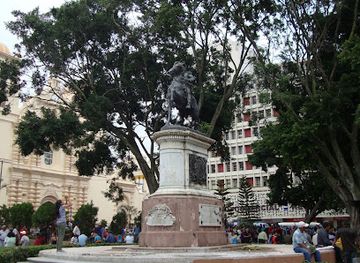
San Pedro Sula Central Park
Explore the lush gardens, rich culture, and historical significance of San Pedro Sula Central Park - a perfect retreat in the heart of Honduras.
-
Park
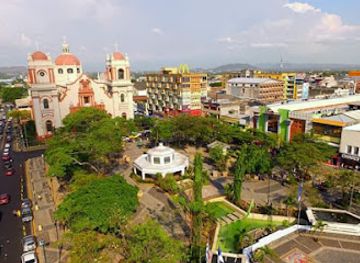
Parque Central Tegucigalpa
Discover the vibrant heart of Tegucigalpa at Parque Central, a lush park filled with culture, history, and community spirit.
-
Tourist attraction
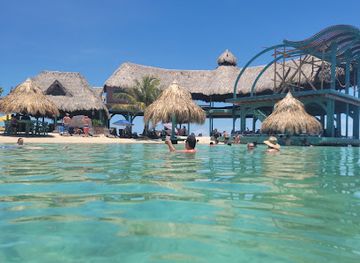
Little French Key
Experience the enchanting beauty and vibrant adventures of Little French Key, a tropical paradise in the Bay Islands of Honduras.
-
Tourist attraction
Museo De La Revolucion
Explore the rich history of El Salvador at Museo De La Revolucion, a poignant journey through the Salvadoran Civil War and its enduring legacy.
Best landmarks in La Paz Region
Nestled in the heart of Honduras, La Paz Region is a hidden gem brimming with captivating landmarks that promise an unforgettable journey. Visitors can explore the ancient Lenca ruins at El Chircal, where the echoes of a pre-Columbian civilization still linger, or wander through the vibrant streets of La Paz city, renowned for its colorful murals and bustling markets. The pristine beauty of Marcala's coffee plantations offers a sensory delight, allowing travelers to savor some of the world's finest brews right at the source. Outdoor enthusiasts will be enchanted by the lush landscapes of Cerro Las Minas, the highest peak in the region, offering breathtaking panoramic views and a haven for birdwatching. The region's colonial churches, like the iconic Santa Bárbara Church, stand as timeless sentinels of history, showcasing exquisite architecture and rich cultural heritage. Whether you're an adventurer, a history buff, or a coffee connoisseur, La Paz Region is a treasure trove of experiences waiting to be discovered.
-
National park
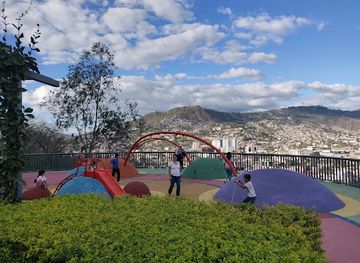
Parque El Picacho
Discover breathtaking panoramic views of Tegucigalpa, explore Mayan-style architecture, and experience the iconic Cristo del Picacho statue at this must-visit national park.
-
Park
Parque Cerro Juana Lainez
Discover tranquility and stunning city views at Parque Cerro Juana Lainez, a beautiful park in Tegucigalpa, perfect for relaxation and nature lovers.
-
Historical landmark
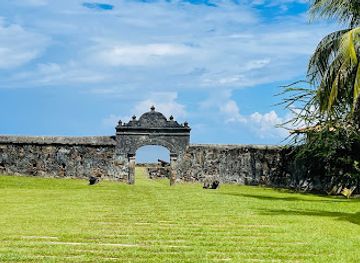
FORTALEZA DE SANTA BÁRBARA ( EDIFICIO COLONIAL)
Explore the rich history of Fortaleza de Santa Bárbara, a stunning colonial fortress in Trujillo, Honduras, offering breathtaking views and captivating stories.
-
Tourist attraction
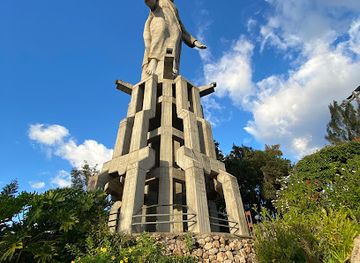
Christ of the Picacho
Experience breathtaking views and spiritual serenity at the iconic Christ of the Picacho in Tegucigalpa, a must-visit landmark in Honduras.
Explore La Paz Region on the map
Plan your trip on one map. See where the top cities, national parks and sights are, and book hotels and experiences in a few clicks.
Best hotels in La Paz Region
Best restaurants in La Paz Region
In the heart of Honduras, the La Paz Region offers an enchanting culinary adventure that captures the essence of its rich cultural heritage. Visitors can indulge in traditional Honduran dishes like baleadas, pupusas, and tamales, often prepared with locally sourced ingredients that highlight the region's agricultural bounty. Street vendors and cozy family-run eateries beckon with the aroma of sizzling meats and fresh tortillas, while more upscale restaurants offer a fusion of indigenous Lencan flavors with contemporary twists. The vibrant markets overflow with exotic fruits, artisanal cheeses, and freshly roasted coffee, making every meal an opportunity to savor the authentic tastes of La Paz. Whether dining al fresco in a picturesque plaza or enjoying a meal with panoramic mountain views, the region promises a gastronomic journey that delights every palate.
-
Honduran
El Patio
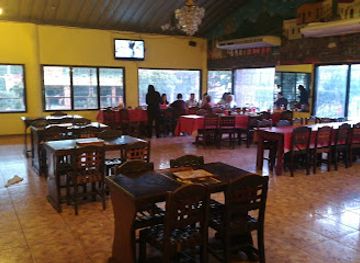
Discover authentic Honduran flavors at El Patio, where every dish tells a story of tradition and taste.
-
Restaurant
Hacienda Real Honduras
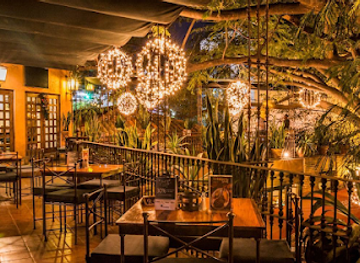
Discover exquisite Latin American cuisine at Hacienda Real Honduras - a premier steakhouse and wine bar in Tegucigalpa.
-
Restaurant
La Cumbre
Experience exquisite dining at La Cumbre in El Hatillo, where stunning views meet gourmet cuisine for an unforgettable meal.
-
Restaurant
Hole In The Wall
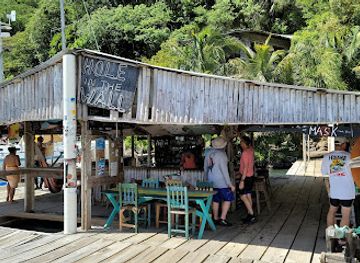
Experience authentic Caribbean flavors at Hole In The Wall in Blue Rock Jonesville - where every meal is a culinary adventure.

Best bars in La Paz Region
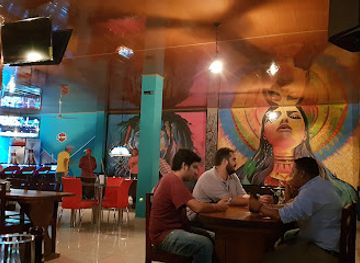
In the heart of La Paz Region, Honduras, nightlife is a captivating blend of traditional and modern experiences that cater to all tastes. As the sun sets, the cobblestone streets of quaint towns like La Paz and Marcala come alive with vibrant energy, where local cantinas hum with the sounds of marimba and salsa, inviting you to dance the night away under the stars. For those seeking a more contemporary vibe, chic bars and lounges offer expertly crafted cocktails made from locally sourced ingredients, providing a taste of the region's rich agricultural heritage. Whether you're swaying to the rhythms of live music or enjoying a relaxed evening with friends, the delightful mix of cultural authenticity and modern flair ensures that a night out in La Paz Region is unforgettable.
-
Bar
The Pub by Beer Box
Discover the lively ambiance and great beer selection at The Pub by Beer Box, a must-visit bar in Tegucigalpa for nightlife lovers.
-
Bar
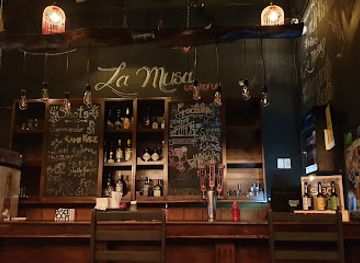
La Musa Gastropub
Experience the fusion of traditional Honduran cuisine and modern gastronomy at La Musa Gastropub in San Pedro Sula, a culinary oasis for tourists.
-
Restaurant
Bar- Restaurante La Terraza 1201
Experience the flavors of La Paz at Bar-Restaurante La Terraza 1201, a culinary haven that blends local cuisine with breathtaking views.
-
Restaurant
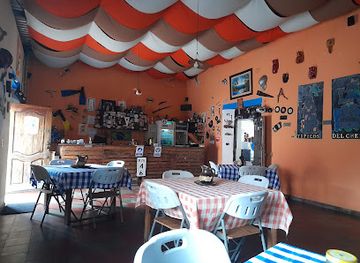
Restaurante y Bar Turístico El Chef
Experience authentic Honduran cuisine and vibrant atmosphere at Restaurante y Bar Turístico El Chef in La Paz.
Best nightclubs in La Paz Region
In the heart of La Paz Region, Honduras, nightlife is a captivating blend of traditional and modern experiences that cater to all tastes. As the sun sets, the cobblestone streets of quaint towns like La Paz and Marcala come alive with vibrant energy, where local cantinas hum with the sounds of marimba and salsa, inviting you to dance the night away under the stars. For those seeking a more contemporary vibe, chic bars and lounges offer expertly crafted cocktails made from locally sourced ingredients, providing a taste of the region's rich agricultural heritage. Whether you're swaying to the rhythms of live music or enjoying a relaxed evening with friends, the delightful mix of cultural authenticity and modern flair ensures that a night out in La Paz Region is unforgettable.
-
Bar
Indie Lounge
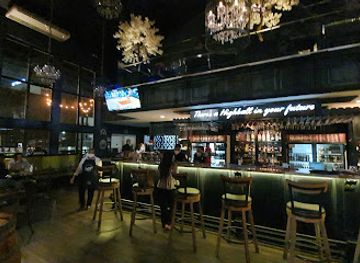
Experience the vibrant nightlife of Tegucigalpa at Indie Lounge, where unique cocktails and lively music create unforgettable memories.
-
Disco club
Beyond Club (FREEDOM LOUNGE SPS)
Discover the pulsating nightlife and dance the night away at Beyond Club (FREEDOM LOUNGE SPS) in San Pedro Sula.
-
Disco club
Le Queen
Dive into the vibrant nightlife of San Pedro Sula at Le Queen, a premier disco club known for its lively atmosphere and unforgettable dance parties.
-
Night club
Club BCIE
Discover Tegucigalpa's vibrant nightlife at Club BCIE, where great music and an inviting atmosphere await every reveler.



Best shops in La Paz Region
Nestled in the heart of Honduras, the La Paz Region offers an enchanting shopping experience that combines tradition, culture, and local craftsmanship. Visitors can meander through vibrant markets brimming with colorful textiles, handcrafted pottery, and intricate wood carvings, all showcasing the rich heritage of the Lenca people. The bustling town of La Paz itself features charming boutiques and street vendors where one can find unique souvenirs, aromatic spices, and fresh produce. For those seeking a more immersive experience, the region's smaller villages often host artisanal workshops, providing a rare glimpse into the time-honored techniques passed down through generations. Whether you are hunting for one-of-a-kind keepsakes or simply soaking in the lively atmosphere, shopping in La Paz Region is an unforgettable journey through the cultural tapestry of Honduras.
-
Park
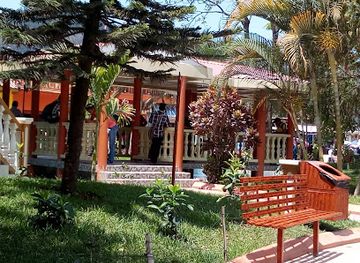
Soberanía (Sovereignty) Park
Experience the serene beauty and cultural richness of Soberanía Park in Marcala, La Paz - a natural haven for tourists and nature lovers.
-
Shopping mall
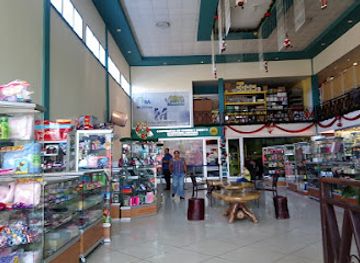
Plaza Montecristo
Discover Shopping, Dining, and Culture at Plaza Montecristo in La Paz, Honduras.
-
Stores and shopping
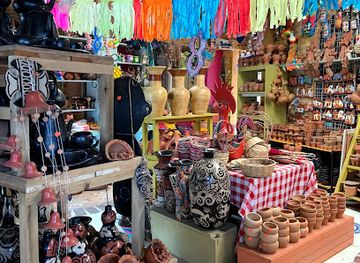
Souvenir El Buen Amigo
Discover unique Honduran treasures at Souvenir El Buen Amigo in La Ceiba, where local artistry meets warm hospitality.
-
Souvenir store
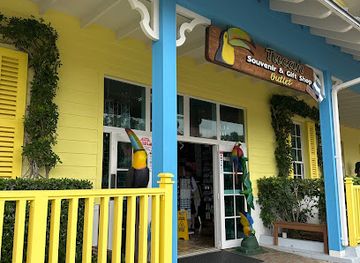
Tucan Gift Shop
Explore the finest local crafts and souvenirs at Tucan Gift Shop in Dixon Cove, where unique treasures await every traveler.
Get your free copy of our complete guide to La Paz Region, delivered straight to you.
Everything on this page, from attractions and restaurants to essentials and local phrases, in one PDF you can read offline, print or share.
Already have an account? Sign in
Your La Paz Region guide is ready.
We'll send it to · Not you? Sign out

Getting your guide ready…
We are putting together a fresh copy of the La Paz Region guide. This can take up to a minute.
This can take a few moments. If your browser asks, choose Allow so the download can start. You'll find the guide in your Downloads folder.
Nothing happened? Download it again
Sorry, the guide is taking longer than usual. Please try again in a minute, or get it by email instead.
La Paz Region essentials
Currency and Payment
Safety
Emergency Situations
Do's and Don'ts
Local Tips
From Eve
Local phrases worth knowing
You don't need to get them perfect. A few words go a long way, and locals appreciate the effort.
Basics
| English | Local | Say it |
|---|---|---|
| Hello | Hola | [Ola] |
| Goodbye | Adiós | [Adyos] |
| Yes | Sí | [See] |
| No | No | [No] |
| Please/You're welcome | Por favor | [Por favor] |
| Thank you | Gracias | [Grasias] |
| Excuse me/Sorry | Disculpe | [Disculpe] |
| How are you? | ¿Cómo estás? | [Komo estas] |
| Fine. And you? | Bien. ¿Y tú? | [Bien. Ee tu] |
| Do you speak English? | ¿Hablas inglés? | [Hablas ingles] |
| I don't understand | No entiendo | [No entiendo] |
Eating & Drinking
| English | Local | Say it |
|---|---|---|
| I'd like to see the menu, please | Me gustaría ver el menú, por favor | [Me gustaria ver el menu, por favor] |
| I don't eat meat | No como carne | [No como carne] |
| Cheers! | ¡Salud! | [Salud] |
| I would like to pay, please | Quisiera pagar, por favor | [Kisiera pagar, por favor] |
Emergencies
| English | Local | Say it |
|---|---|---|
| Help! | ¡Ayuda! | [Ayuda] |
| Go away! | ¡Vete! | [Vete] |
| Call the Police! | ¡Llama a la policía! | [Llama a la policia] |
| Call a doctor! | ¡Llama a un doctor! | [Llama a un doctor] |
| I'm lost | Estoy perdido | [Estoy perdido] |
| I'm ill | Estoy enfermo | [Estoy enfermo] |
Shopping
| English | Local | Say it |
|---|---|---|
| I'd like to buy... | Me gustaría comprar... | [Me gustaria comprar...] |
| I'm just looking | Solo estoy mirando | [Solo estoy mirando] |
| How much is it? | ¿Cuánto cuesta? | [Cuanto cuesta] |
| That's too expensive | Eso es muy caro | [Eso es muy caro] |
| Can you lower the price? | ¿Puedes bajar el precio? | [Puedes bajar el precio] |
Time & Numbers
| English | Local | Say it |
|---|---|---|
| What time is it? | ¿Qué hora es? | [Ke hora es] |
| It's one o'clock | Es la una | [Es la una] |
| Half past (10) | Y media | [Y media] |
| Morning | Mañana | [Mañana] |
| Afternoon | Tarde | [Tarde] |
| Evening | Noche | [Noche] |
| Yesterday | Ayer | [Ayer] |
| Today | Hoy | [Hoy] |
| Tomorrow | Mañana | [Mañana] |
| 1 | Uno | [Uno] |
| 2 | Dos | [Dos] |
| 3 | Tres | [Tres] |
| 4 | Cuatro | [Cuatro] |
| 5 | Cinco | [Cinco] |
| 6 | Seis | [Seis] |
| 7 | Siete | [Siete] |
| 8 | Ocho | [Ocho] |
| 9 | Nueve | [Nueve] |
| 10 | Diez | [Diez] |
Transport & Directions
| English | Local | Say it |
|---|---|---|
| Where's a/the...? | ¿Dónde hay un/una...? | [Donde hay un/una] |
| What's the address? | ¿Cuál es la dirección? | [Cual es la direccion] |
| Can you show me (on the map)? | ¿Puedes mostrarme (en el mapa)? | [Puedes mostrarme en el mapa] |
| When's the next (bus)? | ¿Cuándo es el próximo (autobús)? | [Cuando es el proximo autobus] |
| A ticket (to....) | Un boleto (a....) | [Un boleto a] |
History of La Paz Region
Pre-Columbian Era
The La Paz Region was originally inhabited by various indigenous groups, including the Lenca people. They were known for their sophisticated agricultural practices and their ability to adapt to the rugged terrain. Evidence of their presence can be seen in the ancient petroglyphs and archaeological sites scattered throughout the region.
Spanish Conquest
The arrival of the Spanish in the 16th century marked a significant turning point for the La Paz Region. The Spanish, led by conquistadors, sought to establish control over the area and exploit its resources. The indigenous populations were subjected to forced labor and conversion to Christianity, which drastically altered their way of life.
Colonial Era
During the Colonial Period, the La Paz Region became an important agricultural center. Spanish settlers established numerous haciendas, where they cultivated crops such as maize, beans, and coffee. The region's fertile soil and favorable climate made it ideal for farming, contributing to its economic growth.
Independence and Political Change
In the early 19th century, the La Paz Region, like the rest of Honduras, experienced the wave of independence movements sweeping through Latin America. Honduras gained independence from Spain in 1821, leading to a period of political instability. The region saw various uprisings and power struggles as different factions vied for control.
Modern Development
The 20th century brought significant changes to the La Paz Region. Infrastructure improvements, such as the construction of roads and bridges, facilitated better connectivity with the rest of the country. The rise of coffee as a major export crop brought economic prosperity to the region. Today, La Paz is known for its vibrant coffee culture and scenic landscapes.
Cultural Heritage
The La Paz Region is rich in cultural heritage, with traditions that reflect both its indigenous and colonial past. Festivals such as the annual Feria de La Paz showcase traditional music, dance, and cuisine. Handicrafts, particularly those made from locally sourced materials, are a testament to the region's artisanal skills.
La Paz Region in Photos
Browse through our photo collection highlighting the charm and character of the destination.
Neighbouring regions of La Paz Region
The closest regions to La Paz Region, if you have time for more than one.
-

-

-

-

-


Swipe for more regions
Explore more

Explore more of Honduras
Discover Honduras: From ancient Maya ruins and vibrant cities to stunning beaches and lush rainforests, this Central American gem offers something for every traveler.
Explore Honduras