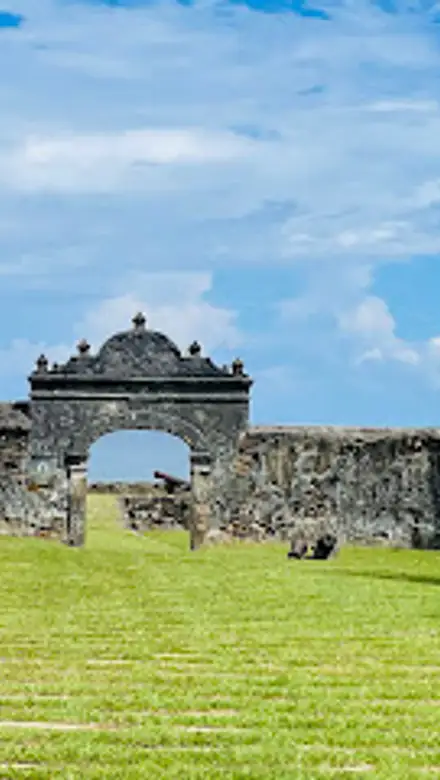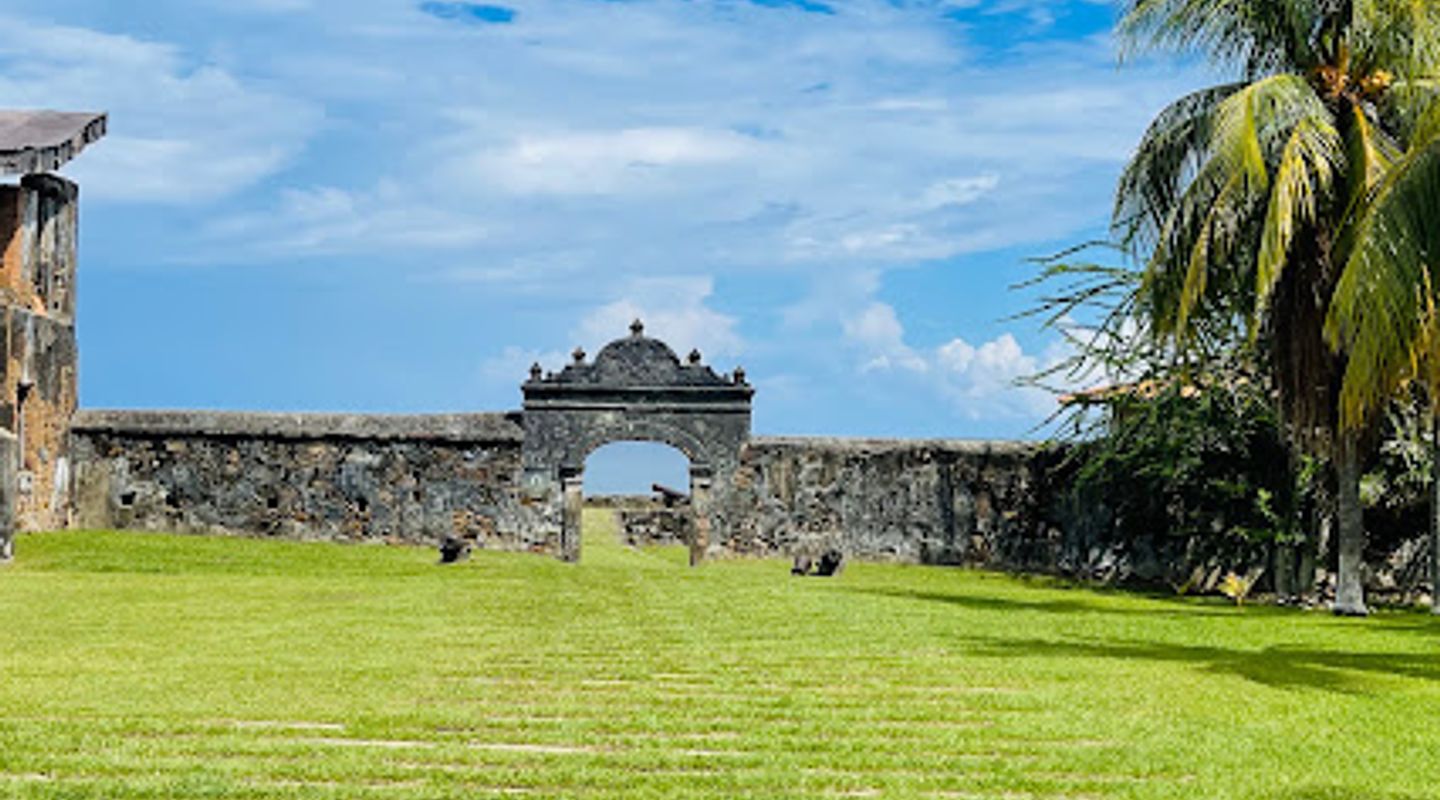
FORTALEZA DE SANTA BÁRBARA ( EDIFICIO COLONIAL), Lempira Region Travel Guide
Explore the Fortaleza de Santa Bárbara in Trujillo, Honduras: a historic Spanish fortress offering stunning views and a glimpse into the region's colonial past and Garífuna culture.
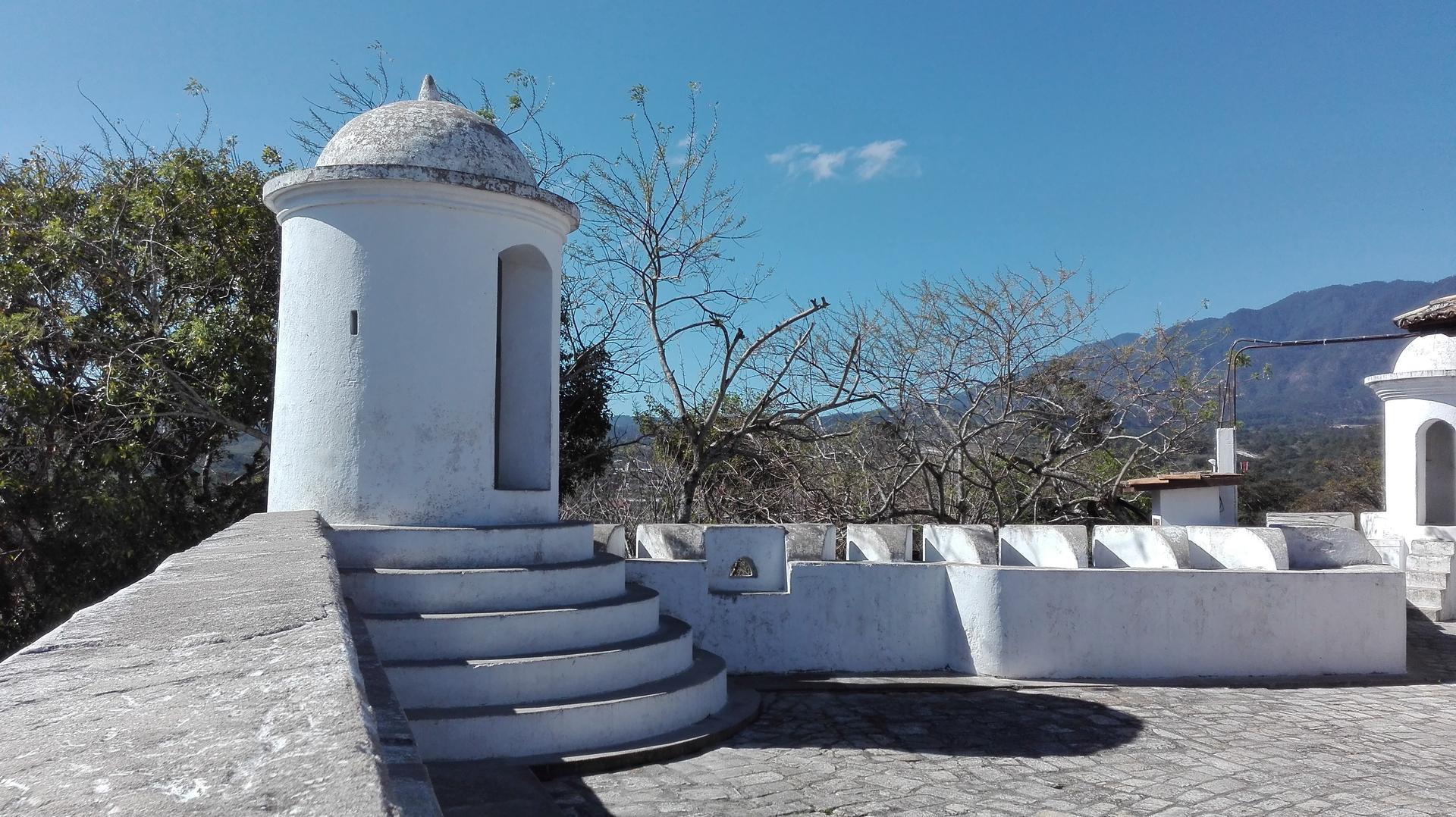
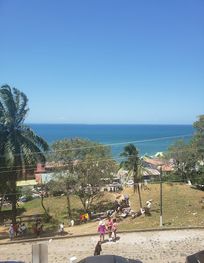
The Fortaleza de Santa Bárbara, also known as 'El Castillo,' stands as a prominent historical landmark in Trujillo, Honduras. Constructed around 1550 by the Spanish, it is one of the oldest buildings in Honduras and the oldest Spanish fortress on the mainland. Built with indigenous labor, the fortress served as a crucial defense against pirates and corsairs that plagued the Caribbean coast. Declared a National Historic Monument in 1990, the Fortaleza now houses a museum showcasing the history, culture, and traditions of northeastern Honduras. Visitors can explore the well-preserved structure, admire the original cannons, and enjoy panoramic views of Trujillo Bay, offering a glimpse into Honduras' rich colonial past and strategic importance.
A brief summary to FORTALEZA DE SANTA BÁRBARA ( EDIFICIO COLONIAL)
- W2CX+C33, Trujillo, Barrio Buenos Aires, Colón, HN
- Click to display
- Monday 9 am-5 pm
- Tuesday 9 am-5 pm
- Wednesday 9 am-5 pm
- Thursday 9 am-5 pm
- Friday 9 am-5 pm
- Saturday 9 am-5 pm
- Sunday 9 am-5 pm

Know before you go
Hi, I'm Eve. Here are a few practical things to know before exploring FORTALEZA DE SANTA BÁRBARA ( EDIFICIO COLONIAL).
- Wear comfortable shoes, as you'll be doing a fair amount of walking on uneven surfaces within the fortress.
- Bring sunscreen and a hat, as the fortress offers little shade and the sun can be intense.
- Hire a local guide for a more in-depth understanding of the fortress's history and significance.
- Visit during the dry season (November to April) for the best weather and clear views of the bay.
- Combine your visit with a trip to nearby attractions like the Garífuna village of Santa Fe or the beaches of Trujillo Bay.
Do you manage this location?
Take control to get all the benefits, like improved information, better appearance, and stronger visibility across AI-powered discovery. Learn more about listing your business on Evendo
Activate your presenceOther nearby places you may find interesting
The closest places of the same kind, if this one is not quite what you had in mind.

Explore FORTALEZA DE SANTA BÁRBARA ( EDIFICIO COLONIAL) on the Map
A handpicked selection of must-see spots near FORTALEZA DE SANTA BÁRBARA ( EDIFICIO COLONIAL), mapped for you.
Getting There
-
Walking
From Trujillo's central square (Parque Central), the Fortaleza de Santa Bárbara is a relatively short walk uphill. Head west from the Parque Central, following the main road. The fortress is visible on the hilltop, and the walk takes approximately 10-15 minutes. The path is paved but can be steep in some sections.
-
Taxi/Ride-Share
Taxis are readily available in Trujillo's central area. A short taxi ride from Parque Central or any hotel in the city center to the Fortaleza de Santa Bárbara typically costs around 50-80 HNL (approximately $2-$3 USD). Confirm the price with the driver before starting your journey.
Discover more about FORTALEZA DE SANTA BÁRBARA ( EDIFICIO COLONIAL)
More to explore near FORTALEZA DE SANTA BÁRBARA ( EDIFICIO COLONIAL)
-

Best experiences near FORTALEZA DE SANTA BÁRBARA ( EDIFICIO COLONIAL)
-

Best hotels near FORTALEZA DE SANTA BÁRBARA ( EDIFICIO COLONIAL)
-

Best attractions near FORTALEZA DE SANTA BÁRBARA ( EDIFICIO COLONIAL)
-

Best shops near FORTALEZA DE SANTA BÁRBARA ( EDIFICIO COLONIAL)
-

Best restaurants near FORTALEZA DE SANTA BÁRBARA ( EDIFICIO COLONIAL)
-

Best bars near FORTALEZA DE SANTA BÁRBARA ( EDIFICIO COLONIAL)







Your all‑in‑one travel companion app
Explore expert travel guides, compare and book tours, experiences, hotels, and more—all from the palm of your hand. Download now for seamless trip planning wherever your wanderlust takes you.


Explore More of Lempira Region
Looking beyond FORTALEZA DE SANTA BÁRBARA ( EDIFICIO COLONIAL)? Discover Lempira Region for broader travel guides, local hot-spots, and regional highlights.
Explore Lempira Region
Explore Old Port Royal, a historical landmark in the Bay Islands, where rich history meets stunning Caribbean beauty.
Explore the Monumento a la Llegada de Colon in Trujillo, a historical landmark that celebrates Honduras' rich heritage and Columbus's arrival.